
Unlocking the Flavor Code: The Science Behind the Magic
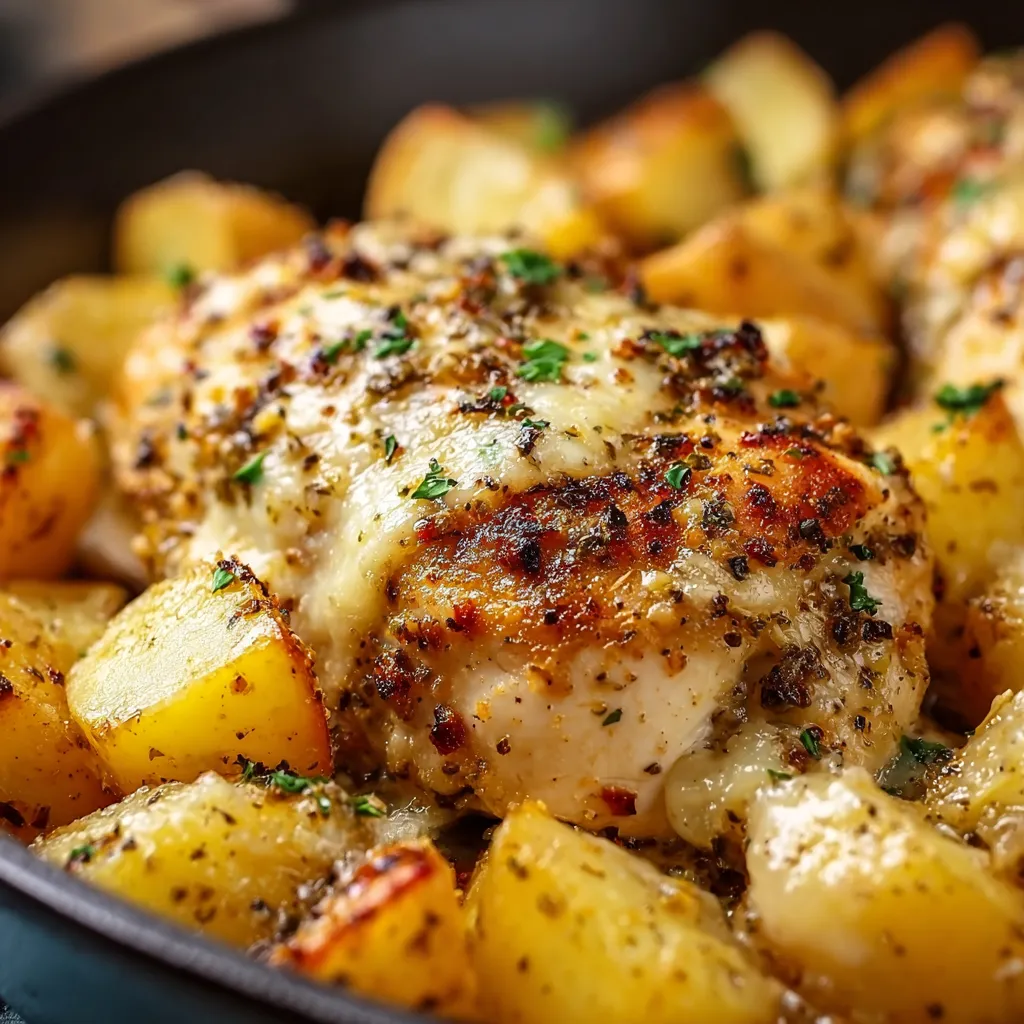 At its core, creating exceptional Garlic Parmesan Chicken relies on understanding a few key scientific principles. First, the Maillard reaction, that beautiful browning process that occurs when amino acids and reducing sugars are heated, is crucial for developing deep, complex flavors. This reaction is maximized at higher temperatures, which is why searing the chicken is so important. Secondly, the proper moisture control is vital to preventing dry chicken. Brining or marinating can help retain moisture, while avoiding overcrowding the pan ensures even cooking and browning. Finally, the emulsion of the garlic Parmesan sauce must be stable enough to cling to the chicken without separating or becoming greasy. This involves understanding the role of fat, liquid, and emulsifiers like Dijon mustard, which can act as a binding agent. Considering that you might want to plan Creamy Garlic Chicken Gnocchi as one of your
 The Irresistible Garlic Parmesan Chicken Recipe
This recipe has been meticulously crafted to deliver consistently delicious results. It focuses on techniques that minimize error and maximize flavor.Ingredients:
- 4 boneless, skinless chicken breasts (about 6-8 ounces each)
- 1/4 cup all-purpose flour
- 1 teaspoon garlic powder
- 1/2 teaspoon paprika
- 1/4 teaspoon salt
- 1/4 teaspoon black pepper
- 2 tablespoons olive oil
- 4 cloves garlic, minced
- 1/2 cup chicken broth
- 1/4 cup heavy cream
- 1/4 cup grated Parmesan cheese, plus more for garnish
- 2 tablespoons butter
- 1 tablespoon fresh parsley, chopped, for garnish
Instructions:
- Prepare the Chicken: Pat the chicken breasts dry with paper towels. In a shallow dish, combine the flour, garlic powder, paprika, salt, and pepper. Dredge each chicken breast in the flour mixture, ensuring it is evenly coated. Shake off any excess flour.
- Sear the Chicken: Heat the olive oil in a large skillet over medium-high heat. Once the oil is shimmering, carefully add the chicken breasts to the skillet, being careful not to overcrowd. Sear for 4-5 minutes per side, or until golden brown and cooked through. Use a meat thermometer to ensure the internal temperature reaches 165°F (74°C). Remove the chicken from the skillet and set aside.
- Make the Garlic Parmesan Sauce: Reduce the heat to medium. Add the minced garlic to the skillet and cook for about 30 seconds, or until fragrant, being careful not to burn it. Pour in the chicken broth and scrape up any browned bits from the bottom of the skillet. Bring to a simmer and cook for 2-3 minutes, or until the sauce has slightly reduced.
- Finish the Sauce: Stir in the heavy cream, Parmesan cheese, and butter. Continue to cook, stirring constantly, until the sauce is smooth and creamy, about 1-2 minutes. Season with salt and pepper to taste.
- Combine and Serve: Return the chicken breasts to the skillet and spoon the garlic Parmesan sauce over them, ensuring they are evenly coated. Simmer for 1-2 minutes, allowing the sauce to further infuse the chicken. Garnish with fresh parsley and additional Parmesan cheese. Serve immediately over pasta, rice, or with your favorite side dishes.
Serving Suggestions:
- Serve over cooked pasta, such as spaghetti, fettuccine, or linguine.
- Serve with a side of roasted vegetables, such as broccoli, asparagus, or Brussels sprouts.
- Serve with a side of garlic bread or crusty bread for dipping into the sauce.
My Deep Dive into Garlic Parmesan Chicken: An Investigative Journey
My journey to perfecting Garlic Parmesan Chicken wasn’t exactly smooth sailing. My first few attempts were a disaster, to be honest. I had to experiment rigorously.The Soggy Bottom Blues
Like many of you, I initially thought that simply tossing the chicken in a pan with garlic and Parmesan would do the trick. Wrong! The result was consistently soggy chicken swimming in a watery, separated sauce. The chicken, while edible, definitely wasn’t restaurant-quality. This prompted my first investigation: Why was the chicken soggy? I discovered that the moisture released from the chicken, combined with the lack of a proper thickening agent in the sauce, was the culprit.The Great Flour Fiasco
Next, I tried adding flour directly to the sauce to thicken it. This was a slight improvement, but the sauce still tasted pasty and lacked that smooth, creamy texture I was after. Plus, the flour often clumped, creating an unappetizing texture. I needed a different approach. This attempt also showed me the importance of using good quality cheese if I wanted to make great Chicken Parmesan Casserole one day.The Brining Breakthrough
Then, I had an “Aha!” moment: brining. I remembered reading about the benefits of brining chicken to help retain moisture. So, I experimented with brining the chicken breasts in a salt water solution for about 30 minutes before cooking. The difference was remarkable! The chicken was noticeably juicier and more flavorful.The Maillard Mastery
However, the chicken still lacked that beautiful golden-brown crust. That’s when I focused on the Maillard reaction. I learned that searing the chicken in a hot pan before adding the sauce was crucial for developing that rich, savory flavor. I also experimented with different types of fats for searing, ultimately settling on olive oil for its high smoke point and flavor.The Emulsion Equation
Finally, the sauce. I realized that the key to a stable, creamy sauce was creating a proper emulsion. I started adding heavy cream and a small amount of Dijon mustard to the sauce. The Dijon mustard acted as an emulsifier, helping the fat and liquid to bind together and preventing the sauce from separating. This, combined with the proper amount of Parmesan cheese, resulted in a sauce that was both flavorful and visually appealing. Plus, it was great to find another one of myThe Foolproof Technique: Your Path to Garlic Parmesan Chicken Perfection
Based on my exhaustive experimentation, here’s a step-by-step guide to achieving Garlic Parmesan Chicken perfection:- Brine the Chicken (Optional but Recommended): Dissolve 1/4 cup of salt in 4 cups of water. Submerge the chicken breasts in the brine for 30 minutes. Rinse thoroughly and pat dry.
- Prepare the Chicken: Pat the chicken breasts dry with paper towels. Dredge in seasoned flour.
- Sear the Chicken: Heat olive oil in a large skillet over medium-high heat. Sear the chicken for 4-5 minutes per side, or until golden brown and cooked through. Remove and set aside.
- Sauté the Garlic: Reduce heat to medium. Sauté minced garlic for 30 seconds, until fragrant. Be careful not to burn it.
- Create the Sauce: Deglaze the pan with chicken broth, scraping up any browned bits. Simmer for 2-3 minutes.
- Emulsify the Sauce: Stir in heavy cream, Parmesan cheese, and butter. Cook, stirring constantly, until smooth and creamy. Season to taste.
- Combine and Simmer: Return the chicken to the skillet and coat with the sauce. Simmer for 1-2 minutes to infuse the flavors.
- Garnish and Serve: Garnish with fresh parsley and additional Parmesan cheese. Serve immediately.
Why is searing the chicken so important in this Garlic Parmesan Chicken recipe?
Searing the chicken at a high temperature is crucial to maximize the Maillard reaction, which is the browning process that develops deep, complex flavors.
What is the purpose of brining the chicken, and is it necessary?
Brining the chicken in a salt water solution helps it retain moisture, resulting in juicier and more flavorful chicken. While optional, the article recommends brining for best results.
What is the secret to achieving a stable and creamy Garlic Parmesan sauce?
The key to a stable, creamy sauce is creating a proper emulsion using heavy cream and an emulsifier like Dijon mustard to bind the fat and liquid together. This prevents the sauce from separating and becoming greasy.
What can I serve with Garlic Parmesan Chicken?
You can serve Garlic Parmesan Chicken over pasta (spaghetti, fettuccine, or linguine), with roasted vegetables (broccoli, asparagus, or Brussels sprouts), or with garlic bread or crusty bread for dipping in the sauce.
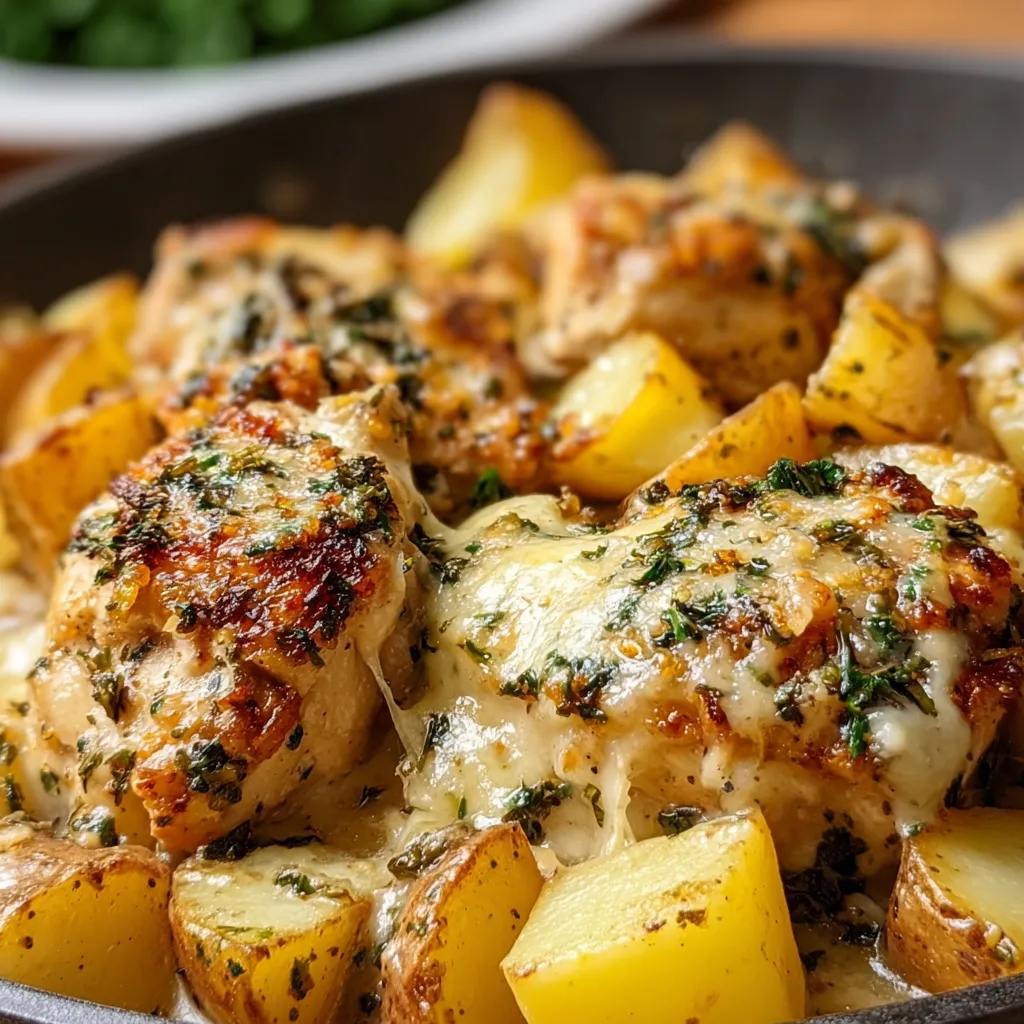
Irresistible Garlic Parmesan Chicken
Ingredients
Equipment
Method
- Prepare the Chicken: Pat the chicken breasts dry with paper towels. In a shallow dish, combine the flour, garlic powder, paprika, salt, and pepper. Dredge each chicken breast in the flour mixture, ensuring it is evenly coated. Shake off any excess flour.
- Sear the Chicken: Heat the olive oil in a large skillet over medium-high heat. Once the oil is shimmering, carefully add the chicken breasts to the skillet, being careful not to overcrowd. Sear for 4-5 minutes per side, or until golden brown and cooked through. Use a meat thermometer to ensure the internal temperature reaches 165°F (74°C). Remove the chicken from the skillet and set aside.
- Make the Garlic Parmesan Sauce: Reduce the heat to medium. Add the minced garlic to the skillet and cook for about 30 seconds, or until fragrant, being careful not to burn it. Pour in the chicken broth and scrape up any browned bits from the bottom of the skillet. Bring to a simmer and cook for 2-3 minutes, or until the sauce has slightly reduced.
- Finish the Sauce: Stir in the heavy cream, Parmesan cheese, and butter. Continue to cook, stirring constantly, until the sauce is smooth and creamy, about 1-2 minutes. Season with salt and pepper to taste.
- Combine and Serve: Return the chicken breasts to the skillet and spoon the garlic Parmesan sauce over them, ensuring they are evenly coated. Simmer for 1-2 minutes, allowing the sauce to further infuse the chicken. Garnish with fresh parsley and additional Parmesan cheese. Serve immediately over pasta, rice, or with your favorite side dishes.