

Unlocking the Secrets: The Science of Stew
The magic of a truly great beef stew lies in understanding the science behind slow cooking. It’s not just about tossing ingredients into a crockpot and hoping for the best. It’s about controlling the Maillard reaction, understanding collagen breakdown, and maximizing flavor infusion. For instance, the initial searing of the beef, though often skipped, is crucial for developing those deep, rich flavors through the Maillard reaction. This reaction, a chemical process between amino acids and reducing sugars, is responsible for the browning and complex aroma of cooked meat. Furthermore, the long, slow cooking process is key to breaking down the collagen in the beef stew meat, transforming tough connective tissue into gelatin, which enriches the broth and makes the beef incredibly tender. The addition of acidic ingredients, such as tomato paste or a dash of Worcestershire sauce (optional but recommended), also aids in collagen breakdown. Another important element is the starch content of potatoes. As the potatoes cook, they release starch, contributing to the stew’s thickness. This can be further enhanced with a cornstarch slurry added towards the end of the cooking process if a thicker stew is desired. Think about similar principles in Creamy Garlic Parmesan Crockpot Chicken where the slow cooking tenderizes the chicken and melds the flavors.The Ultimate Crockpot Beef Stew Recipe
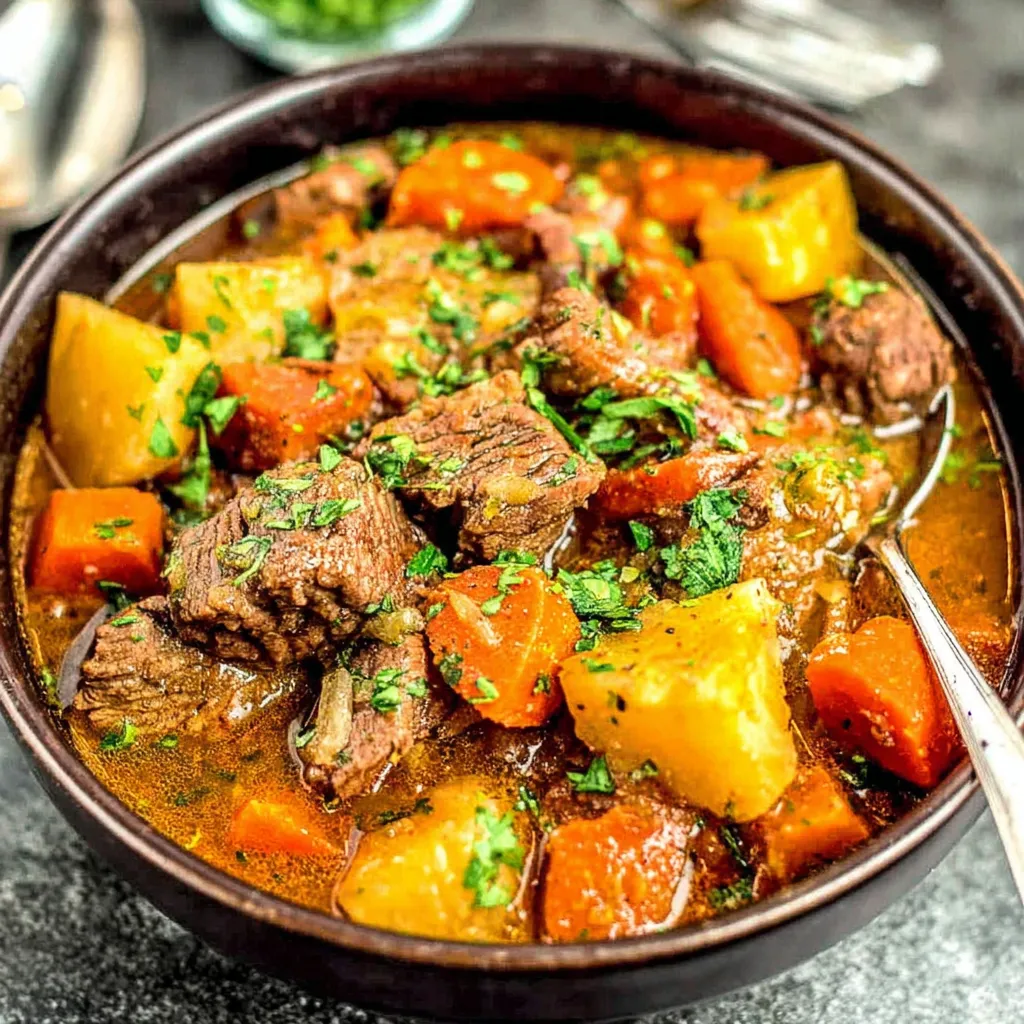 Here’s a detailed recipe, born from numerous experiments, for the perfect Crockpot Beef Stew:
Ingredients:
- 2 lbs beef stew meat, cut into 1-inch cubes
- 2 tbsp all-purpose flour
- 1 tsp salt
- 1/2 tsp black pepper
- 2 tbsp olive oil
- 1 large onion, chopped
- 2 cloves garlic, minced
- 3 carrots, peeled and chopped
- 3 celery stalks, chopped
- 4 medium potatoes, peeled and cubed
- 2 tbsp tomato paste
- 4 cups beef broth
- 1 tbsp Worcestershire sauce (optional)
- 1 tsp dried thyme
- 2 bay leaves
- 1 tbsp cornstarch (optional, for thickening)
- 2 tbsp cold water (optional, for thickening)
- Fresh parsley, chopped (for garnish)
Instructions:
1. Prepare the Beef: In a large bowl, combine flour, salt, and pepper. Add the beef cubes and toss to coat evenly. 2. Sear the Beef (Optional but Recommended): Heat olive oil in a large skillet over medium-high heat. Add the beef in batches (do not overcrowd the pan) and sear on all sides until browned. Transfer the browned beef to the crockpot. 3. Add Vegetables and Aromatics: Add the chopped onion and garlic to the crockpot. Then add the chopped carrots, celery, and potatoes. 4. Add Flavor Boosters: Stir in the tomato paste, beef broth, Worcestershire sauce (if using), thyme, and bay leaves. 5. Slow Cook: Cover the crockpot and cook on Low for 7-8 hours or on High for 4-5 hours, or until the beef is very tender and the vegetables are cooked through. 6. Thicken (Optional): If you prefer a thicker stew, in a small bowl, whisk together the cornstarch and cold water until smooth. Stir the slurry into the crockpot during the last 30 minutes of cooking. 7. Serve: Remove the bay leaves before serving. Garnish with fresh parsley and serve hot with crusty bread. This technique can be useful in the Irresistible Sticky Beef Noodles recipe to thicken the sauce.My Culinary Investigation: A Stew Story
My journey to perfecting Crockpot Beef Stew was paved with both delicious successes and, let’s be honest, some rather bland failures.The Early Days: Bland Beginnings
My first few attempts were a disaster. Like many of you, I initially thought that throwing everything into the crockpot and letting it cook for hours would automatically result in a flavorful stew. I quickly learned that simply wasn’t the case. The broth was weak, the beef was often tough, and the vegetables were either mushy or undercooked. I was frustrated. My attempts were nothing like the savory Slow Cooker Salisbury Steak that I was craving.The Searing Revelation
Then, I had an “Aha!” moment. I started researching the Maillard reaction and realized the importance of searing the beef before adding it to the crockpot. The difference was night and day. The browned beef added a depth of flavor that was previously missing. It was a game changer!Veggie Variety and Timing
Next, I tackled the vegetable issue. I experimented with different types of potatoes and various chopping sizes. I found that using Yukon Gold potatoes resulted in a creamier texture, and cutting the vegetables into uniform sizes ensured even cooking. Also, adding the vegetables at the same time as the beef resulted in mushy carrots and celery. I started adding them later in the cooking process, which helped them retain their shape and texture.Broth Boosters
Finally, I focused on the broth. I discovered that using high-quality beef broth made a significant difference. I also experimented with adding different herbs and spices. Thyme and bay leaves were the clear winners, adding a subtle but essential flavor complexity. I also started adding a touch of tomato paste and Worcestershire sauce for an extra umami kick. This is similar to the umami taste in the Beef Stir Fry recipe.The Foolproof Technique: A Summary
After countless batches of stew (and many happy taste testers!), I’ve distilled my findings into a simple, foolproof technique: 1. Sear the beef: Don’t skip this step! It’s essential for developing deep, rich flavor. 2. Use quality ingredients: Choose high-quality beef broth, fresh vegetables, and good-quality beef stew meat. 3. Don’t overcrowd the pan: When searing the beef, work in batches to ensure proper browning. 4. Control the cooking time: Adjust the cooking time based on your crockpot and the desired tenderness of the beef. 5. Thicken if desired: If you prefer a thicker stew, use a cornstarch slurry during the last 30 minutes of cooking. 6. Season to taste: Don’t be afraid to add more salt, pepper, or other spices to suit your personal preferences. 7. Garnish generously: Fresh parsley adds a bright, fresh flavor and visual appeal. 8. Serve with crusty bread: Because every great stew deserves a side of warm, crusty bread for soaking up all that delicious broth.Why is searing the beef so important for this Crockpot Beef Stew?
Searing the beef, though optional, is crucial for developing deep, rich flavors through the Maillard reaction. This reaction creates browning and complex aromas that significantly enhance the taste of the stew.
How does slow cooking contribute to the tenderness of the beef?
The long, slow cooking process breaks down the collagen in the beef stew meat, transforming tough connective tissue into gelatin. This gelatin enriches the broth and makes the beef incredibly tender.
What can I do to thicken the beef stew if it’s too watery?
You can thicken the stew by adding a cornstarch slurry during the last 30 minutes of cooking. Mix cornstarch and cold water until smooth, then stir it into the crockpot.
What are some key ingredients to boost the flavor of my beef stew?
Besides searing the beef, consider adding tomato paste, Worcestershire sauce (optional), thyme, and bay leaves. Using high-quality beef broth is also essential for a richer flavor.
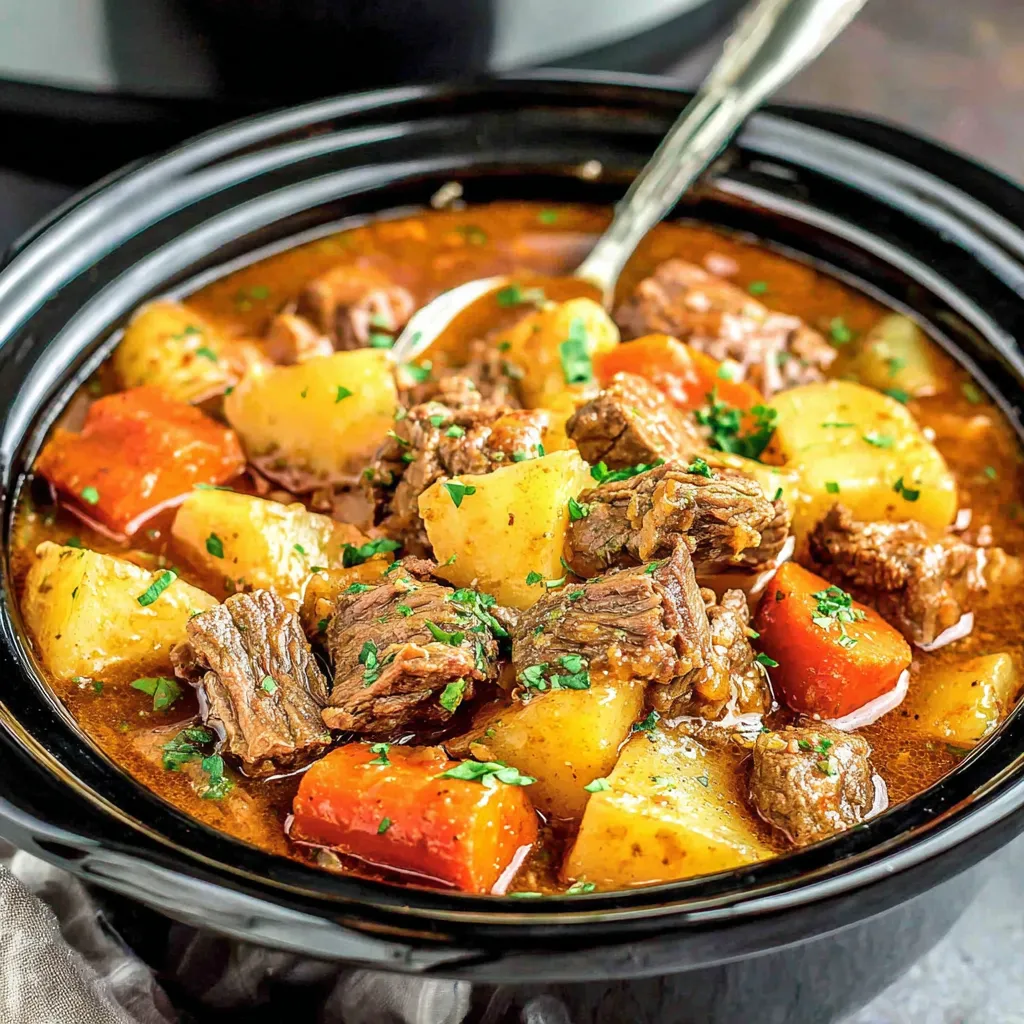
Best Crockpot Beef Stew
Ingredients
Equipment
Method
- Prepare the Beef: In a large bowl, combine flour, salt, and pepper. Add the beef cubes and toss to coat evenly.
- Sear the Beef (Optional but Recommended): Heat olive oil in a large skillet over medium-high heat. Add the beef in batches (do not overcrowd the pan) and sear on all sides until browned. Transfer the browned beef to the crockpot.
- Add Vegetables and Aromatics: Add the chopped onion and garlic to the crockpot. Then add the chopped carrots, celery, and potatoes.
- Add Flavor Boosters: Stir in the tomato paste, beef broth, Worcestershire sauce (if using), thyme, and bay leaves.
- Slow Cook: Cover the crockpot and cook on Low for 7-8 hours or on High for 4-5 hours, or until the beef is very tender and the vegetables are cooked through.
- Thicken (Optional): If you prefer a thicker stew, in a small bowl, whisk together the cornstarch and cold water until smooth. Stir the slurry into the crockpot during the last 30 minutes of cooking.
- Serve: Remove the bay leaves before serving. Garnish with fresh parsley and serve hot with crusty bread.