
Decoding Deliciousness: The Science Behind Sausage Rigatoni
At its heart, a truly great Italian Sausage Rigatoni hinges on a few key scientific principles. First, the *Maillard reaction*, that magical browning process that unlocks deep, savory flavors in both the sausage and the tomato paste. Achieving this requires high heat and patience; rushing the browning will result in a pale, anemic sauce lacking in depth. Second, *emulsification*. We want the rendered sausage fat to meld seamlessly with the tomato sauce, creating a luscious, velvety texture, not a greasy separation. This is achieved through careful cooking and the addition of pasta water, which acts as a natural emulsifier. Finally, the *acid-base balance* of the sauce. Tomatoes are naturally acidic, and while that acidity is essential for brightness, it needs to be balanced with richness from the sausage and a touch of sweetness to prevent the sauce from tasting harsh. Sausage Parmesan is a common addition to many Italian recipes, but it’s the balance of flavors that truly elevates the dish.The Ultimate Sausage Rigatoni Recipe
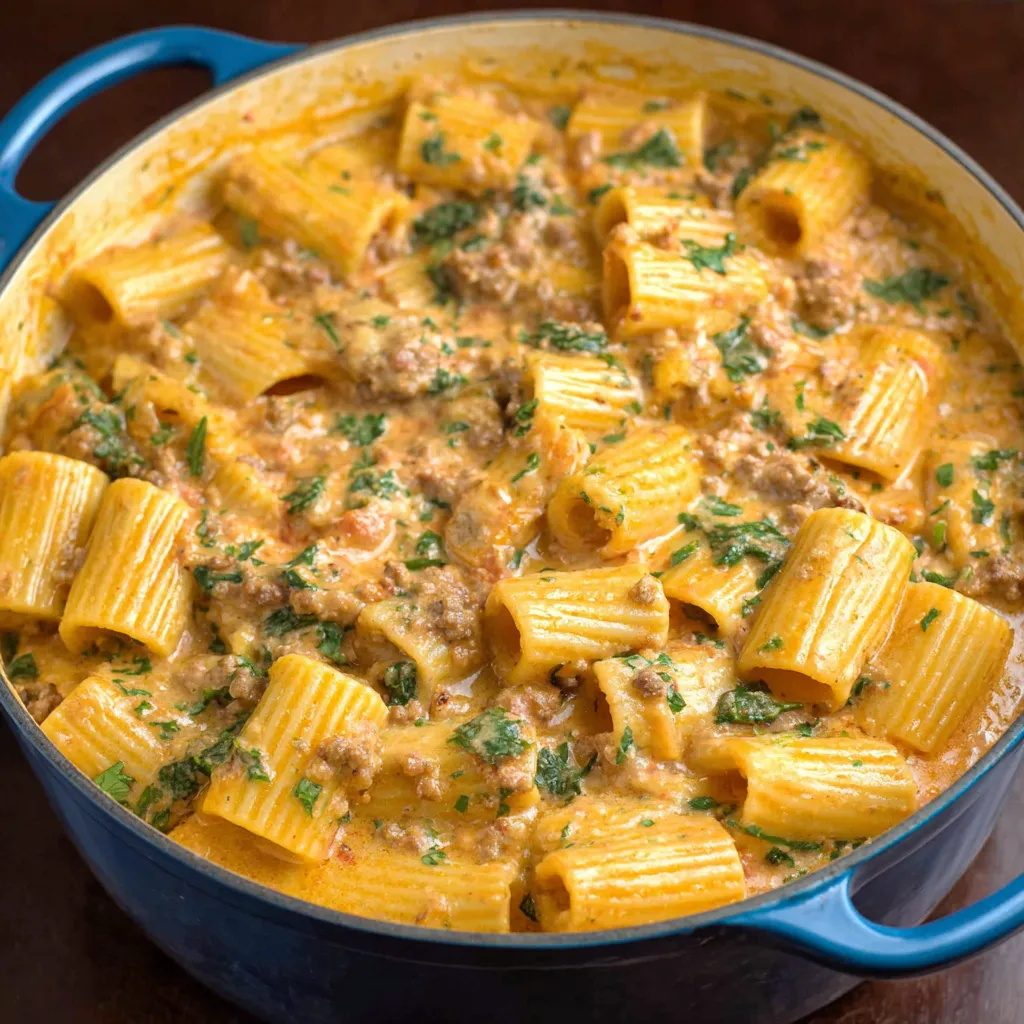 This recipe is the culmination of countless experiments and adjustments. It’s designed to be approachable for home cooks while still delivering exceptional flavor.
Ingredients:
- 1 pound Italian sausage (sweet or hot, casings removed)
- 1 large onion, finely chopped
- 2 cloves garlic, minced
- 1/2 teaspoon red pepper flakes (optional)
- 1/4 cup dry red wine (optional)
- 1 (28 ounce) can crushed tomatoes
- 1 (15 ounce) can tomato sauce
- 2 tablespoons tomato paste
- 1 teaspoon dried oregano
- 1/2 teaspoon dried basil
- 1/4 cup chopped fresh parsley
- 1 pound rigatoni pasta
- 1/2 cup grated Parmesan cheese, plus more for serving
- 1/4 cup reserved pasta water
- Salt and freshly ground black pepper to taste
- 2 cups fresh spinach (optional)
Instructions:
- Brown the Sausage: In a large Dutch oven or pot, cook the Italian sausage over medium-high heat, breaking it up with a spoon, until browned and cooked through. Remove the sausage from the pot and set aside, leaving the rendered fat in the pot.
- Sauté Aromatics: Add the chopped onion to the pot and cook in the sausage fat until softened and translucent, about 5-7 minutes. Add the minced garlic and red pepper flakes (if using) and cook for another minute until fragrant.
- Deglaze (Optional): If using red wine, pour it into the pot and scrape up any browned bits from the bottom. Let it simmer for a minute or two until slightly reduced.
- Build the Sauce: Stir in the crushed tomatoes, tomato sauce, tomato paste, oregano, and basil. Bring to a simmer, then reduce heat to low and simmer for at least 30 minutes, or up to 1 hour, stirring occasionally. The longer it simmers, the more the flavors will meld.
- Cook the Pasta: While the sauce is simmering, cook the rigatoni pasta according to package directions until al dente. Reserve 1/2 cup of the pasta water before draining.
- Combine and Finish: Return the cooked sausage to the sauce. Stir in the cooked pasta, Parmesan cheese, and reserved pasta water. Toss to combine, adding more pasta water if needed to reach your desired consistency. If using Sausage Spinach Pasta, add spinach in the last 5 minutes to wilt.
- Serve: Season with salt and pepper to taste. Garnish with fresh parsley and extra Parmesan cheese before serving.
The Rigatoni Revelation: My Sausage Saga
My quest for the perfect Sausage Rigatoni Recipes wasn’t a straight line. My first few attempts were a disaster, resulting in watery sauces, bland sausage, and pasta that was either mushy or undercooked. Then, I had an “Aha!” moment: it wasn’t just about throwing ingredients together; it was about understanding the *process*.The Soggy Sauce Debacle
Like many of you, I initially thought more tomatoes equaled more flavor. Wrong! I ended up with a thin, watery sauce that tasted overwhelmingly acidic. The solution? Tomato paste. Browning the tomato paste before adding the liquid ingredients concentrates its flavor and adds a subtle sweetness that balances the acidity of the crushed tomatoes.The Sausage Surprise (Not a Good One)
Another early misstep was using pre-cooked sausage. While convenient, it lacked the depth of flavor that only comes from browning raw sausage and rendering its fat. That rendered fat, as it turns out, is liquid gold, infusing the entire sauce with savory goodness. It’s tempting to skip this step to save time, but trust me, it’s not worth it. This is not like Creamy Garlic Parmesan Crockpot Chicken where you can dump everything and let it cook, this requires your attention.The Pasta Predicament
Getting the pasta right was another challenge. I consistently overcooked it, resulting in a mushy mess. The key, I discovered, was to cook it *al dente* – slightly firm to the bite – and then finish cooking it in the sauce. This allows the pasta to absorb the flavors of the sauce and creates a harmonious, cohesive dish. Remembering to reserve the pasta water was also crucial. It’s starchy and helps to bind the sauce to the pasta, creating a silky smooth texture. This small step elevates the dish from ordinary to extraordinary, much like the sauce in the Creamy Dreamy Mushroom Pasta.The Flavor Frontier
Don’t be afraid to experiment with different types of Italian sausage. Sweet sausage will give you a more mellow flavor, while hot sausage will add a fiery kick. You can even use a combination of both. For a vegetarian twist, try using plant-based sausage crumbles. Similarly, don’t hesitate to add other vegetables to the sauce. Mushrooms, bell peppers, and zucchini all work well. And for a touch of decadence, stir in a dollop of mascarpone cheese at the end. It will make the sauce even creamier and richer. It reminds me a bit of the richness in Chicken Parmesan Casserole, but with a different profile. This is quite different from something like Cream Cheese Spaghetti Casserole which uses cream cheese for its richness.Sausage Rigatoni Secrets: The Foolproof Technique
After countless iterations, I’ve distilled the process down to a simple, foolproof technique. Follow these steps, and you’ll be well on your way to Sausage Rigatoni perfection.- Brown the Sausage Like a Boss: Use raw Italian sausage, remove the casings, and brown it over medium-high heat until deeply golden and cooked through. Don’t overcrowd the pan; work in batches if necessary. Reserve the rendered fat.
- Build Flavor in Layers: Sauté the aromatics (onion and garlic) in the sausage fat until softened and fragrant. Add the tomato paste and cook for a few minutes until it deepens in color.
- Simmer, Don’t Boil: Simmer the sauce over low heat for at least 30 minutes, or up to 1 hour. This allows the flavors to meld and the sauce to thicken. Stir occasionally to prevent sticking.
- Cook Pasta Al Dente: Cook the rigatoni pasta until al dente. Reserve pasta water before draining.
- Marry the Pasta and Sauce: Add the cooked pasta, Parmesan cheese, and reserved pasta water to the sauce. Toss to combine, adding more pasta water if needed.
- Season with Confidence: Season with salt and pepper to taste. Don’t be afraid to add a generous pinch of salt, as it will help to bring out the flavors of the sauce.
- Garnish and Serve: Garnish with fresh parsley and extra Parmesan cheese before serving.
Why is browning the sausage so important for this rigatoni recipe?
Browning raw Italian sausage and rendering its fat is crucial because it infuses the entire sauce with a deep, savory flavor. Pre-cooked sausage lacks this depth, and the rendered fat is like liquid gold for the sauce.
What does it mean to cook pasta ‘al dente,’ and why is it important for this dish?
Cooking pasta ‘al dente’ means cooking it until it is slightly firm to the bite. It’s important because the pasta finishes cooking in the sauce, allowing it to absorb the flavors and create a harmonious, cohesive dish without becoming mushy.
Why is it important to reserve pasta water when making this sausage rigatoni recipe?
Reserving pasta water is important because it’s starchy and helps bind the sauce to the pasta, creating a silky-smooth texture. Adding pasta water elevates the dish by creating a more cohesive and flavorful result.
The recipe mentions balancing the acid in the tomato sauce. How is this achieved?
The acidity of the tomatoes is balanced by browning the tomato paste, which concentrates its flavor and adds a subtle sweetness. The richness from the sausage also contributes to balancing the overall flavor profile.
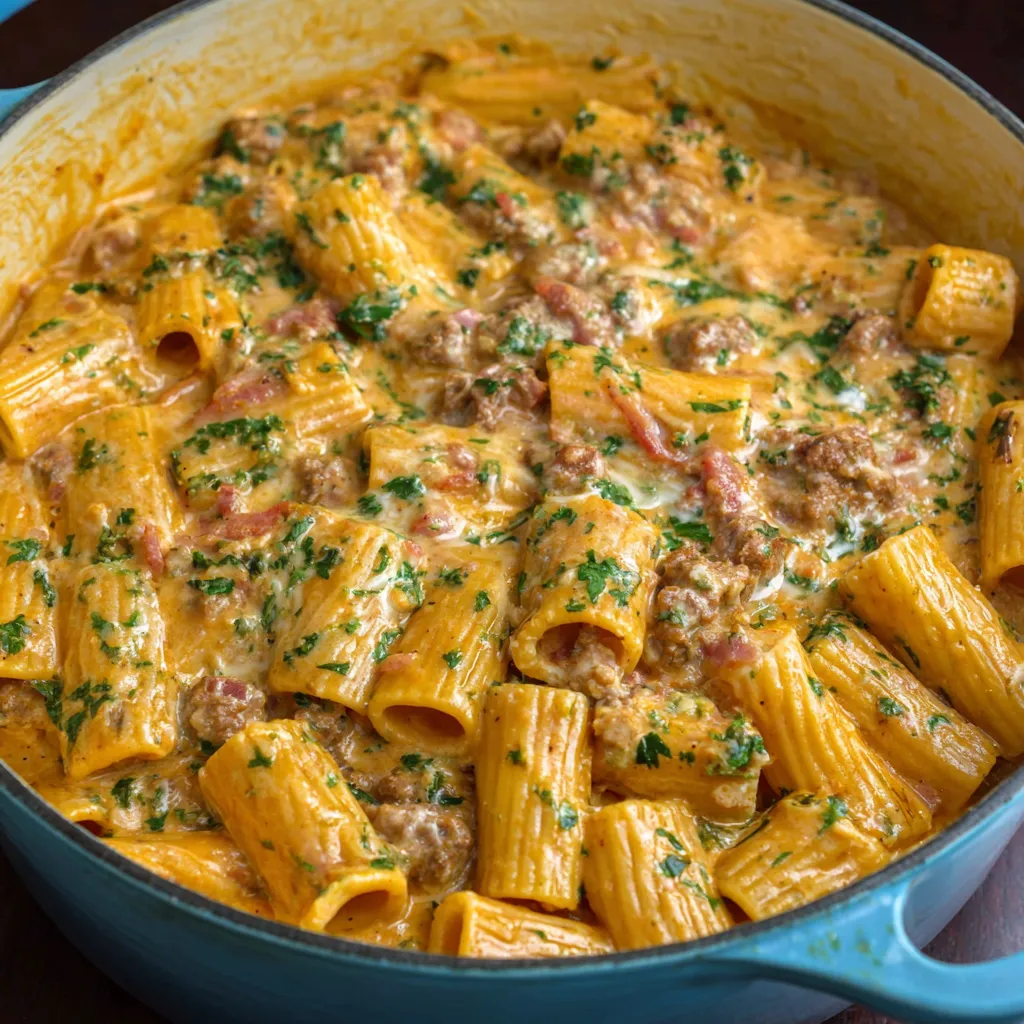
Irresistible Italian Sausage Rigatoni
Ingredients
Equipment
Method
- Brown the Sausage: In a large Dutch oven or pot, cook the Italian sausage over medium-high heat, breaking it up with a spoon, until browned and cooked through. Remove the sausage from the pot and set aside, leaving the rendered fat in the pot.
- Sauté Aromatics: Add the chopped onion to the pot and cook in the sausage fat until softened and translucent, about 5-7 minutes. Add the minced garlic and red pepper flakes (if using) and cook for another minute until fragrant.
- Deglaze (Optional): If using red wine, pour it into the pot and scrape up any browned bits from the bottom. Let it simmer for a minute or two until slightly reduced.
- Build the Sauce: Stir in the crushed tomatoes, tomato sauce, tomato paste, oregano, and basil. Bring to a simmer, then reduce heat to low and simmer for at least 30 minutes, or up to 1 hour, stirring occasionally. The longer it simmers, the more the flavors will meld.
- Cook the Pasta: While the sauce is simmering, cook the rigatoni pasta according to package directions until al dente. Reserve 1/2 cup of the pasta water before draining.
- Combine and Finish: Return the cooked sausage to the sauce. Stir in the cooked pasta, Parmesan cheese, and reserved pasta water. Toss to combine, adding more pasta water if needed to reach your desired consistency. If using spinach, add spinach in the last 5 minutes to wilt.
- Serve: Season with salt and pepper to taste. Garnish with fresh parsley and extra Parmesan cheese before serving.