
Unlocking the Flavor Code: The Science of Garlic Shrimp Pasta
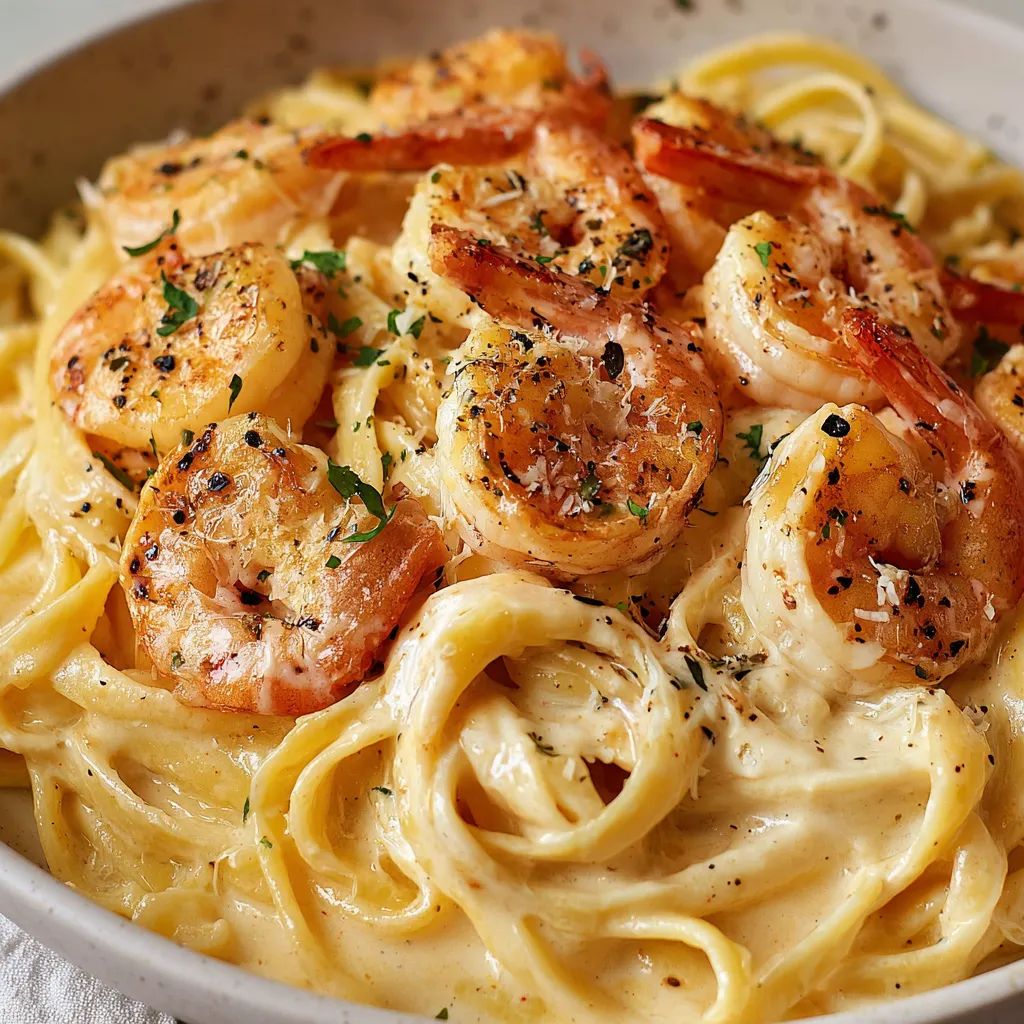
The secret to exceptional garlic shrimp pasta lies in understanding the interplay of a few key scientific principles. First, the *Maillard reaction*. This is the chemical reaction between amino acids and reducing sugars that gives browned food its distinctive flavor. Achieving a good sear on the shrimp, and gently browning the garlic, unlocks layers of nutty, savory complexity that a simple sauté simply can’t deliver. Second, *emulsification*. The sauce, essentially a mixture of oil, garlic, wine (or broth), and pasta water, relies on emulsification to create a creamy, cohesive texture rather than a greasy separation. The starch in the pasta water acts as a natural emulsifier, binding the oil and liquid together. Vigorous stirring is essential to achieve and maintain this emulsion. Finally, *flavor layering*. Each ingredient should contribute a distinct element to the overall flavor profile. The garlic provides pungent aromatics, the shrimp offers sweetness and umami, the wine (or broth) adds acidity and depth, and the herbs provide brightness and freshness. Understanding how these flavors interact and balance each other is critical to creating a truly memorable dish.The Ultimate Garlic Shrimp Pasta Recipe
Ingredients:
- 1 pound large shrimp, peeled and deveined
- 1 pound pasta (linguine, spaghetti, or fettuccine work well)
- 6 cloves garlic, minced
- 1/2 cup dry white wine (such as Sauvignon Blanc or Pinot Grigio), or chicken broth
- 1/4 cup olive oil
- 1/4 cup butter
- 1/4 cup chopped fresh parsley
- 1/4 cup grated Parmesan cheese, plus more for serving
- 1/4 teaspoon red pepper flakes (optional)
- Salt and black pepper to taste
- Juice of 1/2 lemon
Instructions:
- Cook the pasta: Bring a large pot of salted water to a boil. Add the pasta and cook according to package directions until al dente. Reserve about 1 cup of pasta water before draining.
- Prepare the shrimp: Pat the shrimp dry with paper towels and season with salt and pepper.
- Sauté the garlic: Heat olive oil and butter in a large skillet over medium heat. Add the minced garlic and red pepper flakes (if using) and cook, stirring constantly, until fragrant and lightly golden, about 1-2 minutes. Be careful not to burn the garlic.
- Sear the shrimp: Add the shrimp to the skillet in a single layer. Cook for 2-3 minutes per side, until pink and opaque. Remove the shrimp from the skillet and set aside.
- Deglaze the pan: Pour in the white wine (or chicken broth) and scrape up any browned bits from the bottom of the skillet. Let the wine reduce slightly, about 1-2 minutes.
- Create the sauce: Add the cooked pasta to the skillet with the wine sauce. Toss to coat. Gradually add the reserved pasta water, a little at a time, tossing constantly, until the sauce reaches your desired consistency.
- Combine and finish: Stir in the parsley, Parmesan cheese, and lemon juice. Season with salt and pepper to taste. Add the shrimp back to the skillet and toss gently to combine.
- Serve: Serve immediately, garnished with additional Parmesan cheese and parsley, if desired.
The Investigation: My Quest for Garlic Shrimp Pasta Perfection
The Early Fumbles: Garlic Overload and Oily Disasters
My first few attempts were a disaster. I was too heavy-handed with the garlic, resulting in a pungent, overpowering flavor that masked everything else. And the sauce! Oh, the sauce. It was invariably greasy and separated, a sad testament to my lack of emulsification skills. Like many of you, I initially thought more oil equaled more flavor. Wrong! It just equaled a stomachache. I even tried adding cream to “fix” the sauce, but that just made it heavy and cloying. I was beginning to think a decent plate of garlic shrimp pasta was beyond my reach. I even contemplated giving up and making Creamy Garlic Parmesan Crockpot Chicken Irresistible instead.The “Aha!” Moment: Mastering the Emulsion
Then, I had an “Aha!” moment. I realized the key wasn’t just *adding* ingredients, but understanding *how* they interacted. I started paying close attention to the pasta water, that seemingly insignificant liquid I had been so carelessly discarding. I learned that the starch in the pasta water was the magic ingredient that could transform a greasy mess into a silky, creamy sauce. I also discovered the importance of vigorous stirring, creating the friction needed to bind the oil and liquid together. This was a game-changer!Fine-Tuning the Flavor: Balancing Act
Next, I focused on refining the flavor profile. I experimented with different types of garlic, discovering that freshly minced garlic, added at the right moment, provided the best flavor. I also started using dry white wine to deglaze the pan, adding a touch of acidity and complexity that chicken broth simply couldn’t match. The lemon juice at the end was the final touch, adding a bright, refreshing note that cut through the richness of the sauce. I even considered adding okra to it to make something like Shrimp Crabmeat And Okra Gumbo.The Shrimp Saga: Sear vs. Simmer
The shrimp presented another challenge. Initially, I was simply simmering them in the sauce, which resulted in rubbery, flavorless crustaceans. I then realized the importance of searing the shrimp separately, achieving a beautiful golden-brown crust that added both flavor and texture. The Maillard reaction at its finest! I also made sure to pat the shrimp dry before searing them, ensuring a proper sear rather than a sad, steamed result. The end result was a revelation! I even considered making Honey Pepper Chicken Pasta.The Foolproof Technique: A Step-by-Step Guide
Here’s a summary of the foolproof method I developed, based on my culinary investigation:- Cook pasta al dente and reserve pasta water: Don’t skimp on the salt!
- Pat shrimp dry and season: This is crucial for a good sear.
- Gently brown the garlic in butter and olive oil: Watch it carefully to prevent burning.
- Sear the shrimp separately: Aim for a golden-brown crust on both sides.
- Deglaze the pan with white wine (or broth): Scrape up those flavorful browned bits.
- Combine pasta and sauce, adding pasta water gradually: Toss vigorously to create a creamy emulsion.
- Stir in parsley, Parmesan cheese, and lemon juice: Season to taste.
- Add shrimp back to the skillet and toss gently: Serve immediately.
What are the key scientific principles that contribute to exceptional garlic shrimp pasta?
The key principles are the Maillard reaction (for browning the shrimp and garlic), emulsification (for creating a creamy sauce with pasta water), and flavor layering (balancing the flavors of garlic, shrimp, wine, and herbs).
Why is it important to reserve pasta water when making garlic shrimp pasta?
The starch in the pasta water acts as a natural emulsifier, helping to bind the oil and liquid in the sauce together to create a creamy, cohesive texture, preventing a greasy separation.
How do you prevent the garlic from burning when sautéing it for the pasta?
Cook the minced garlic in olive oil and butter over medium heat, stirring constantly, until it is fragrant and lightly golden, about 1-2 minutes. Watch it carefully to prevent burning.
What’s the best way to cook the shrimp for the best flavor and texture?
Pat the shrimp dry and season it before searing it separately in the skillet. Cook it for 2-3 minutes per side until pink and opaque, achieving a golden-brown crust for added flavor and texture thanks to the Maillard reaction.
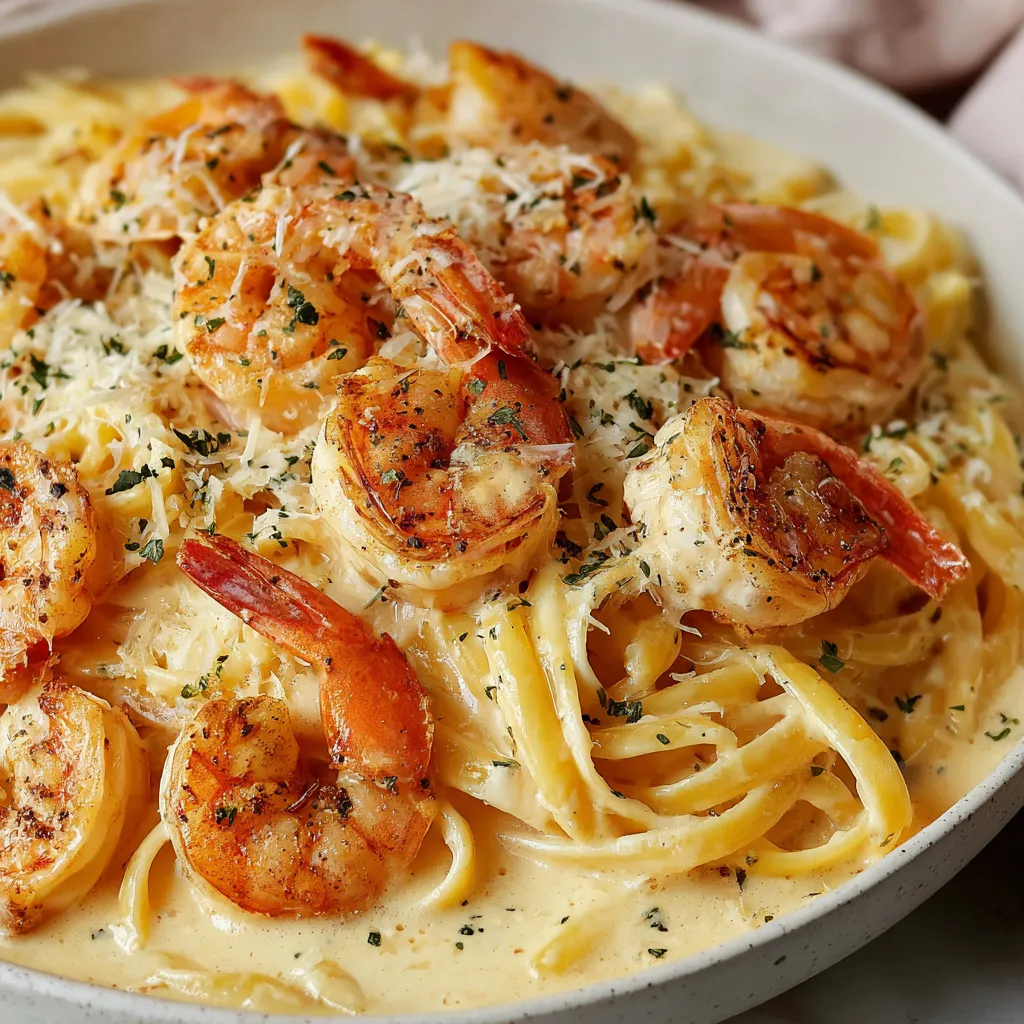
Irresistible Garlic Shrimp Pasta
Ingredients
Equipment
Method
- Bring a large pot of salted water to a boil. Add the pasta and cook according to package directions until al dente. Reserve about 1 cup of pasta water before draining.
- Pat the shrimp dry with paper towels and season with salt and pepper.
- Heat olive oil and butter in a large skillet over medium heat. Add the minced garlic and red pepper flakes (if using) and cook, stirring constantly, until fragrant and lightly golden, about 1-2 minutes. Be careful not to burn the garlic.
- Add the shrimp to the skillet in a single layer. Cook for 2-3 minutes per side, until pink and opaque. Remove the shrimp from the skillet and set aside.
- Pour in the white wine (or chicken broth) and scrape up any browned bits from the bottom of the skillet. Let the wine reduce slightly, about 1-2 minutes.
- Add the cooked pasta to the skillet with the wine sauce. Toss to coat. Gradually add the reserved pasta water, a little at a time, tossing constantly, until the sauce reaches your desired consistency.
- Stir in the parsley, Parmesan cheese, and lemon juice. Season with salt and pepper to taste.
- Add the shrimp back to the skillet and toss gently to combine.
- Serve immediately, garnished with additional Parmesan cheese and parsley, if desired.