
Unlocking the Secrets: The Science Behind Steak Pasta Nirvana
At its core, phenomenal steak pasta is a delicate balance between several key scientific principles. First, we need to understand the Maillard reaction, that browning process that creates hundreds of flavor compounds when amino acids and reducing sugars are heated. This is what gives our steak its crust and depth of flavor. Secondly, the protein structure of the steak itself dictates its tenderness. Overcooking leads to tough, chewy meat as the proteins seize up and expel moisture. Finally, the emulsification of the sauce is crucial – ensuring a smooth, creamy texture that clings perfectly to the pasta. Unlike a simple Mushroom Pasta, you have to cook the meat separately and combine all the elements together at the end, which is a tricky task.The Holy Grail: The Ultimate Steak Pasta Recipe
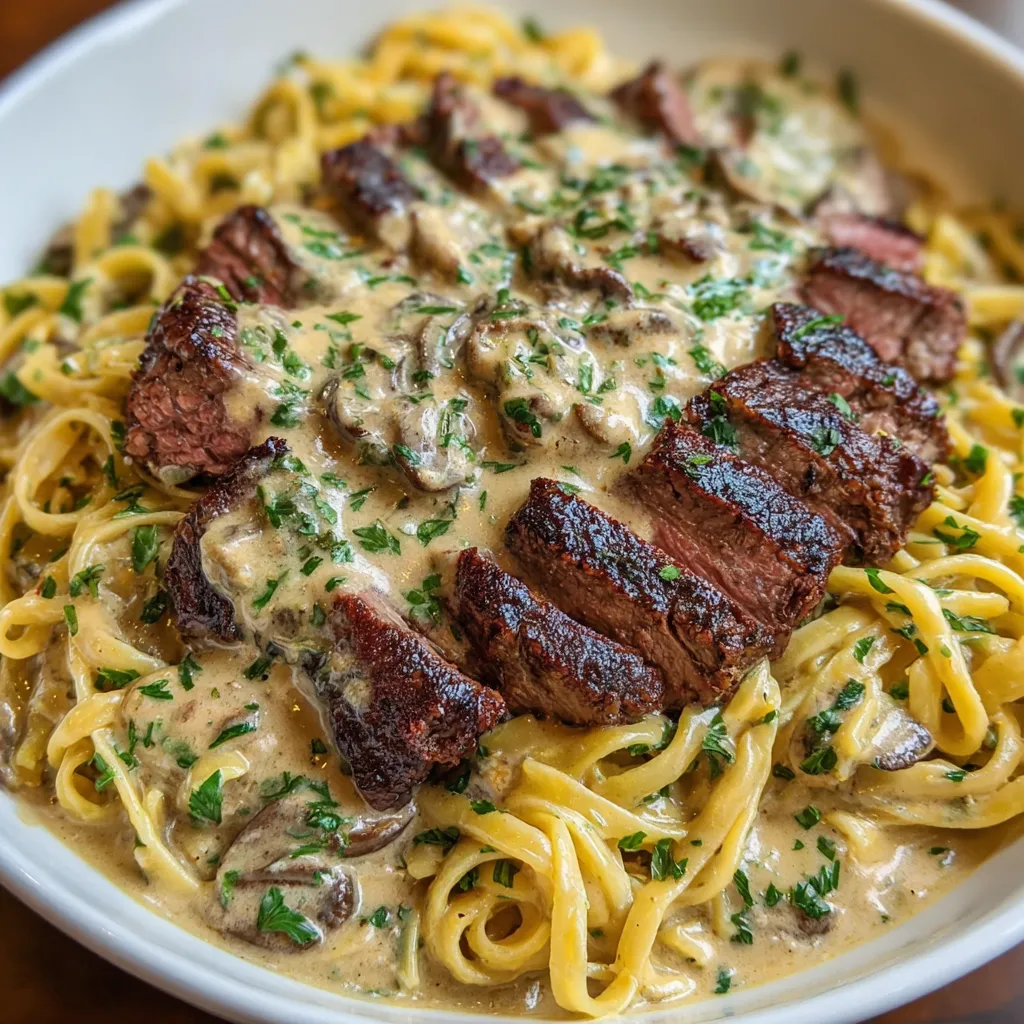 Here’s a recipe that incorporates the principles we’ve discussed, promising consistently delicious results:
Ingredients:
- Steak: 1 lb Sirloin or Ribeye, about 1 inch thick
- Pasta: 1 lb Fettuccine or Linguine
- Olive Oil: 2 tbsp
- Butter: 4 tbsp, divided
- Shallots: 1 medium, finely chopped
- Garlic: 4 cloves, minced
- Dry Red Wine: ½ cup (Cabernet Sauvignon or Merlot)
- Beef Broth: 1 cup
- Heavy Cream: ½ cup
- Parmesan Cheese: ½ cup, freshly grated, plus more for serving
- Fresh Thyme: 2 sprigs
- Fresh Parsley: ¼ cup, chopped
- Salt and Black Pepper: To taste
Instructions:
- Prepare the Steak: Pat the steak dry with paper towels. Season generously with salt and pepper. Let it sit at room temperature for at least 30 minutes. This allows for more even cooking.
- Cook the Pasta: Cook the pasta according to package directions until al dente. Reserve about 1 cup of pasta water before draining.
- Sear the Steak: Heat 1 tbsp of olive oil and 2 tbsp of butter in a large cast-iron skillet over high heat until smoking hot. Sear the steak for 2-3 minutes per side for medium-rare, or adjust cooking time to your preferred doneness. Use a meat thermometer to ensure accuracy (130-135°F for medium-rare).
- Rest the Steak: Remove the steak from the skillet and let it rest for at least 10 minutes before slicing against the grain. This allows the juices to redistribute, resulting in a more tender steak.
- Make the Sauce: In the same skillet, add the remaining 1 tbsp olive oil and 2 tbsp butter. Add the shallots and cook until softened, about 3 minutes. Add the garlic and cook for 1 minute more, until fragrant.
- Deglaze the Pan: Pour in the red wine and scrape up any browned bits from the bottom of the skillet. Let the wine reduce by half, about 5 minutes.
- Simmer the Sauce: Add the beef broth and thyme sprigs. Bring to a simmer and cook until slightly thickened, about 5 minutes.
- Finish the Sauce: Stir in the heavy cream and Parmesan cheese. Simmer gently until the cheese is melted and the sauce is smooth, about 2 minutes. Season with salt and pepper to taste.
- Combine and Serve: Add the cooked pasta to the sauce and toss to coat. If the sauce is too thick, add a little pasta water to thin it out. Slice the rested steak thinly and arrange it over the pasta. Garnish with fresh parsley and more Parmesan cheese. Serve immediately.
Under the Microscope: My Steak Pasta Investigation
My quest for the perfect steak pasta was not a linear path. My first few attempts were a disaster, resulting in either tough steak or a watery, flavorless sauce. Like many of you, I initially thought it was all about the steak. But I was wrong.The Steak Struggle is Real
Initially, I focused solely on the steak. I tried different cuts, from filet mignon (too lean) to New York strip (better, but still inconsistent). I experimented with various searing techniques, from reverse searing to sous vide followed by a sear. While these methods produced great steak on their own, they didn’t always translate well to pasta. The steak would often overcook by the time I combined it with the sauce, or the flavor wouldn’t quite penetrate the pasta. The Slow Cooker Salisbury Steak, on the other hand, is much more forgiving because it is cooked in a flavorful sauce the entire time.The Sauce Snafu
Then, I had an “Aha!” moment regarding the sauce. I realized that the sauce wasn’t just a vehicle for the steak; it was an integral part of the dish. My initial sauces were too thin and lacked depth of flavor. They simply coated the pasta without adding any complexity. I tried thickening the sauce with flour, but it resulted in a pasty texture. I needed a better solution.The Parmesan Revelation
The turning point came when I experimented with using Parmesan cheese to thicken and emulsify the sauce. The Parmesan not only added a rich, savory flavor but also helped to create a creamy, luxurious texture that clung beautifully to the pasta. By using the starchy pasta water, I was able to further enhance the emulsification and create a sauce that was both thick and smooth. That’s when my sauce became similar to what I achieve with my Steak Tortellini recipe.The Resting Game
Finally, I realised that resting the steak after searing was crucial. Slicing into a steak immediately after cooking results in a loss of juices, leading to a drier, less flavorful steak. By allowing the steak to rest for at least 10 minutes, I was able to retain the juices and ensure that each slice was tender and succulent. You can not skip this step! If you’re looking for a similar comfort meal, consider the Pot Roast With Mashed Potatoes. It’s a delicious and satisfying alternative.The Master Class: The Foolproof Steak Pasta Method
Based on my extensive investigation, here’s the definitive technique for making consistently perfect steak pasta:- Dry Brine: Generously salt the steak at least 30 minutes before cooking (or up to overnight in the refrigerator). This helps the steak retain moisture and develop a deeper flavor.
- High Heat Sear: Use a screaming hot cast-iron skillet to sear the steak. This creates a beautiful crust and locks in the juices.
- Rest is Best: Let the steak rest for at least 10 minutes before slicing. This is non-negotiable.
- Parmesan Power: Use Parmesan cheese and pasta water to create a creamy, emulsified sauce.
- Timing is Everything: Cook the pasta al dente and add it to the sauce immediately. This ensures that the pasta is perfectly coated and doesn’t become overcooked.
Why is resting the steak important after searing it?
Resting the steak for at least 10 minutes allows the juices to redistribute, resulting in a more tender and succulent steak. Slicing immediately after cooking leads to a loss of juices and a drier steak.
What role does Parmesan cheese play in the steak pasta sauce?
Parmesan cheese thickens and emulsifies the sauce, adding a rich, savory flavor and creating a creamy, luxurious texture that clings beautifully to the pasta.
What is the key to searing the steak correctly for this pasta dish?
Use a screaming hot cast-iron skillet to sear the steak. This creates a beautiful crust and locks in the juices.
Why is it important to dry brine the steak before cooking?
Generously salting (dry brining) the steak at least 30 minutes before cooking (or up to overnight in the refrigerator) helps the steak retain moisture and develop a deeper flavor.
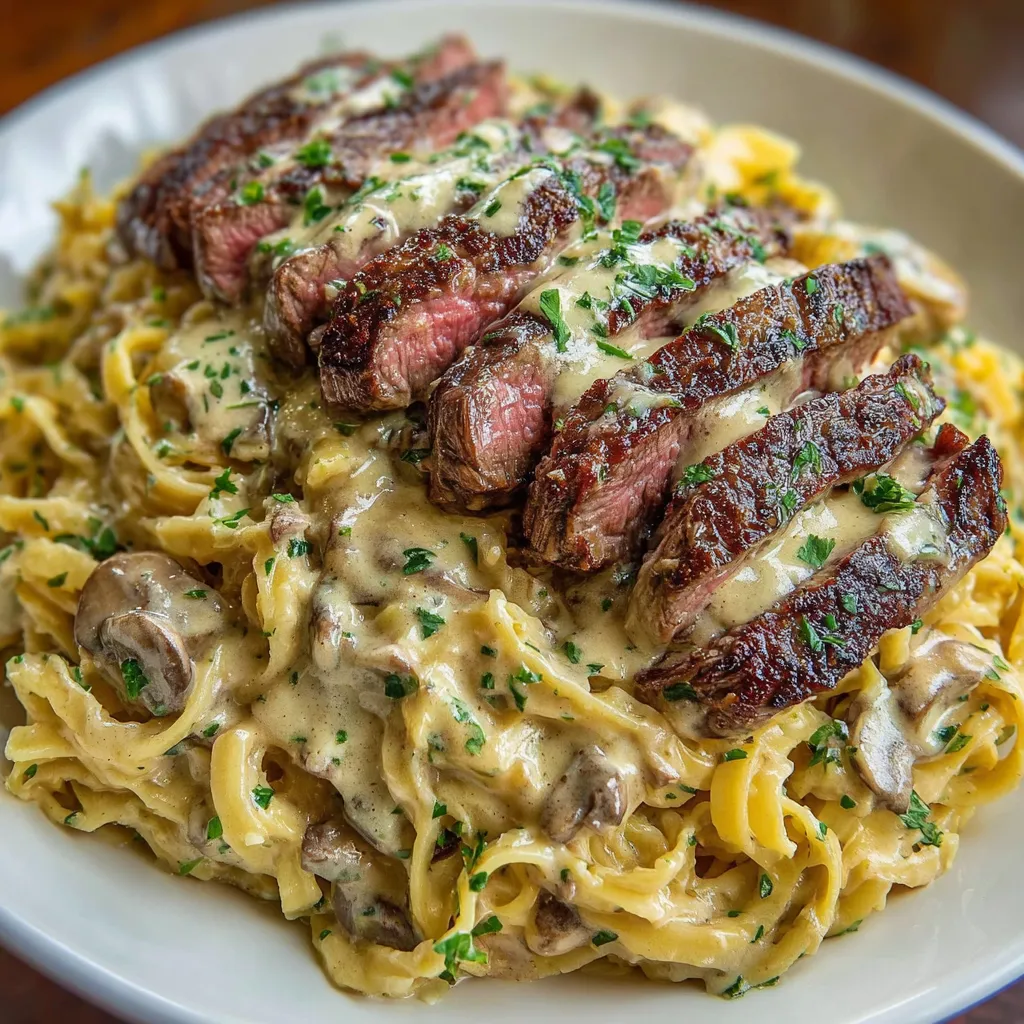
Best Steak Pasta Ever
This recipe delivers restaurant-quality steak pasta at home, featuring tender steak and perfectly coated noodles in a flavorful, creamy sauce. The key is searing the steak to perfection, resting it properly, and creating a rich sauce emulsified with Parmesan cheese and pasta water.
Ingredients
Equipment
Method
- Pat the steak dry with paper towels. Season generously with salt and pepper. Let it sit at room temperature for at least 30 minutes.
- Cook the pasta according to package directions until al dente. Reserve about 1 cup of pasta water before draining.
- Heat 1 tbsp of olive oil and 2 tbsp of butter in a large cast-iron skillet over high heat until smoking hot. Sear the steak for 2-3 minutes per side for medium-rare, or adjust cooking time to your preferred doneness. Use a meat thermometer to ensure accuracy (130-135°F for medium-rare).
- Remove the steak from the skillet and let it rest for at least 10 minutes before slicing against the grain.
- In the same skillet, add the remaining 1 tbsp olive oil and 2 tbsp butter. Add the shallots and cook until softened, about 3 minutes. Add the garlic and cook for 1 minute more, until fragrant.
- Pour in the red wine and scrape up any browned bits from the bottom of the skillet. Let the wine reduce by half, about 5 minutes.
- Add the beef broth and thyme sprigs. Bring to a simmer and cook until slightly thickened, about 5 minutes.
- Stir in the heavy cream and Parmesan cheese. Simmer gently until the cheese is melted and the sauce is smooth, about 2 minutes. Season with salt and pepper to taste.
- Add the cooked pasta to the sauce and toss to coat. If the sauce is too thick, add a little pasta water to thin it out.
- Slice the rested steak thinly and arrange it over the pasta. Garnish with fresh parsley and more Parmesan cheese. Serve immediately.
Notes
For best results, use a high-quality steak like sirloin or ribeye. Dry brining the steak before cooking will help it retain moisture and develop a deeper flavor. Resting the steak is crucial for a tender and juicy result. Use freshly grated Parmesan cheese for the best flavor and texture in the sauce. If you don’t have fresh thyme, you can substitute with dried thyme (about 1/2 teaspoon). Store leftovers in an airtight container in the refrigerator for up to 3 days. Reheat gently on the stovetop or in the microwave.