
The Alchemy of Creaminess: Understanding the Science
The secret to truly exceptional Creamy Steak Pasta lies in understanding the science behind each component and how they interact. It’s not just about throwing ingredients together; it’s about controlling the chemical reactions to achieve the desired textures and flavors. Let’s break it down. First, consider the steak. The Maillard reaction, that beautiful browning process that creates hundreds of flavorful compounds, is crucial. High heat is key to this, but so is dryness. Excess moisture will steam the steak, hindering the Maillard reaction and resulting in a less flavorful and less texturally pleasing result. Selecting the right cut is also paramount; a tender cut like sirloin or ribeye will yield the best results. Next, the pasta. Starch gelatinization is the name of the game here. Pasta is primarily starch, and when cooked in boiling water, the starch granules absorb water and swell, creating a soft and pliable texture. Overcooking leads to excessive water absorption and a mushy texture. The water you cook the pasta in becomes starchy, and reserving some of this water is crucial for creating a creamy sauce that perfectly coats the pasta. Finally, the sauce. Emulsification is the key here. We’re trying to create a stable mixture of fat (from the cream, butter, and often, the rendered fat from the steak) and water (from the pasta water and sometimes stock). An emulsifier, like the starch from the pasta water or even a touch of Dijon mustard, helps to keep these two phases from separating. Without a stable emulsion, the sauce will be greasy and thin.The Creamy Steak Pasta Revelation: The Recipe
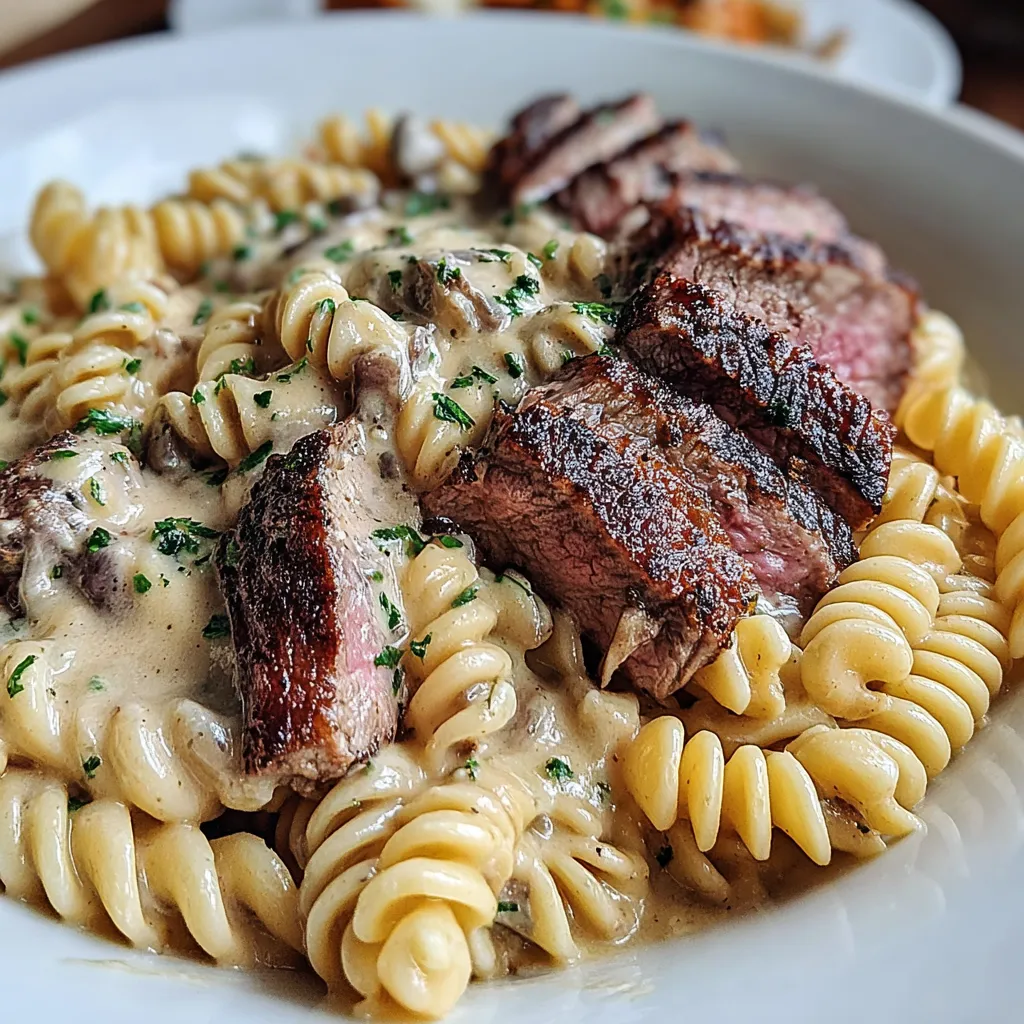 This recipe reflects all the lessons I’ve learned in my pursuit of perfect Creamy Steak Pasta. It balances ease with quality, resulting in a dish that’s both impressive and achievable for even the novice cook. This is one of my favorite Easy Steak Dinner Recipes.
Ingredients:
- 1 pound sirloin steak, cut into 1/2-inch thick strips
- 1 tablespoon olive oil
- 1 tablespoon butter
- 2 cloves garlic, minced
- 1/2 cup beef broth
- 1/2 cup heavy cream
- 1/4 cup grated Parmesan cheese, plus more for serving
- 1/4 cup chopped fresh parsley
- 1 pound pasta (fettuccine or linguine work well)
- Salt and freshly ground black pepper to taste
Instructions:
- Cook the Pasta: Bring a large pot of salted water to a boil. Add the pasta and cook according to package directions until al dente. Reserve about 1 cup of pasta water before draining.
- Sear the Steak: While the pasta is cooking, heat the olive oil and butter in a large skillet over medium-high heat. Season the steak strips generously with salt and pepper. Add the steak to the skillet and cook for 2-3 minutes per side, or until browned and cooked to your desired doneness. Remove the steak from the skillet and set aside.
- Make the Sauce: Reduce the heat to medium. Add the minced garlic to the skillet and cook for about 30 seconds, or until fragrant. Pour in the beef broth and scrape up any browned bits from the bottom of the pan. Bring to a simmer and cook for 2-3 minutes, or until the broth has reduced slightly.
- Create the Creaminess: Stir in the heavy cream and Parmesan cheese. Cook for 2-3 minutes, or until the cheese is melted and the sauce has thickened slightly. If the sauce is too thick, add a little of the reserved pasta water until it reaches your desired consistency.
- Combine and Serve: Add the cooked pasta and steak to the skillet with the sauce. Toss to coat everything evenly. Stir in the chopped parsley. Serve immediately, garnished with additional Parmesan cheese.
My Quest for Creamy Perfection: The Investigation
My first few attempts at Creamy Steak Pasta were a disaster. The sauce was either too thin and watery or too thick and clumpy. The steak was either overcooked and tough or undercooked and bland. It was a frustrating process, to say the least.The Watery Wasteland: Sauce Struggles
Like many of you, I initially thought that heavy cream alone would be enough to create a rich and creamy sauce. Boy, was I wrong! My first few sauces were thin, watery, and lacked depth of flavor. Then, I had an “Aha!” moment: pasta water. The starchy water not only helped to thicken the sauce but also acted as an emulsifier, preventing the cream from separating.The Great Steak Debacle: Taming the Tenderloin
Then came the steak. I tried everything – different cuts, different cooking methods, different seasoning combinations. I quickly learned that a high-quality cut of steak is essential. But even with a good cut, I struggled to get the steak cooked perfectly. Either I would overcrowd the pan, resulting in steamed, gray steak, or I would overcook it in an attempt to get a good sear. The solution? Working in batches and using a screaming hot pan. This allowed me to achieve that beautiful Maillard reaction without overcooking the steak. I also realized that letting the steak rest after cooking was crucial for retaining its juices and ensuring a tender, flavorful result. A perfectly cooked steak makes this one of the best Steak Dinner Recipes I know.Flavor Fiesta: Seasoning Sensations
The final piece of the puzzle was the seasoning. Initially, I was too timid with the salt and pepper. The steak was bland, and the sauce lacked depth. Experimenting with different herbs and spices, I found that garlic, freshly ground black pepper, and a touch of red pepper flakes added a welcome kick. The addition of beef broth to deglaze the pan was another game-changer, adding a rich, savory flavor to the sauce. This discovery elevated my understanding of Easy Steak Dinner.Cheese, Please: The Parmesan Predicament
And let’s not forget the cheese! I tried different types of cheese, from mozzarella to provolone, but none of them quite hit the mark. Then, I discovered the magic of Parmesan cheese. Its nutty, salty flavor added a wonderful complexity to the sauce. I also learned that freshly grated Parmesan is far superior to the pre-shredded stuff.The Foolproof Formula: The Technique
After countless experiments and taste tests, I’ve finally cracked the code for perfect Creamy Steak Pasta. Follow these steps, and you’ll be well on your way to creating a restaurant-quality dish in your own kitchen. This is a Fast Dinner Recipes option that doesn’t compromise on flavor.- Choose the Right Steak: Opt for a tender cut like sirloin, ribeye, or New York strip. Cut it into thin strips for quick and even cooking.
- Master the Sear: Use a hot pan and a small amount of oil. Sear the steak in batches to avoid overcrowding the pan. Season generously with salt and pepper.
- Reserve Pasta Water: Before draining the pasta, reserve about 1 cup of the starchy water. This is the secret ingredient for a creamy, emulsified sauce.
- Deglaze the Pan: After removing the steak, deglaze the pan with beef broth to capture all those flavorful browned bits.
- Emulsify the Sauce: Combine the heavy cream, Parmesan cheese, and reserved pasta water. Cook over low heat, stirring constantly, until the sauce is thick and creamy.
- Combine and Serve Immediately: Toss the cooked pasta and steak with the sauce. Serve immediately, garnished with fresh parsley and additional Parmesan cheese.
What is the key to achieving a truly creamy sauce in Creamy Steak Pasta?
The key lies in emulsification, which involves creating a stable mixture of fat (from cream, butter, and steak fat) and water (from pasta water and stock). Using starchy pasta water and emulsifiers like Dijon mustard can prevent the sauce from becoming greasy and thin.
Why is reserving pasta water important for this recipe?
Reserving pasta water is crucial because the starch in the water helps to thicken the sauce and act as an emulsifier, preventing the cream from separating and resulting in a smoother, creamier texture.
What is the best way to cook the steak for Creamy Steak Pasta?
The best way to cook the steak is in a screaming hot pan, searing it in batches to avoid overcrowding. This allows for the Maillard reaction to occur, creating a flavorful crust without overcooking the steak. Letting the steak rest after cooking is also important for retaining its juices.
What are some recommended steak cuts for this recipe?
The recipe suggests using tender cuts of steak such as sirloin, ribeye, or New York strip for the best results.
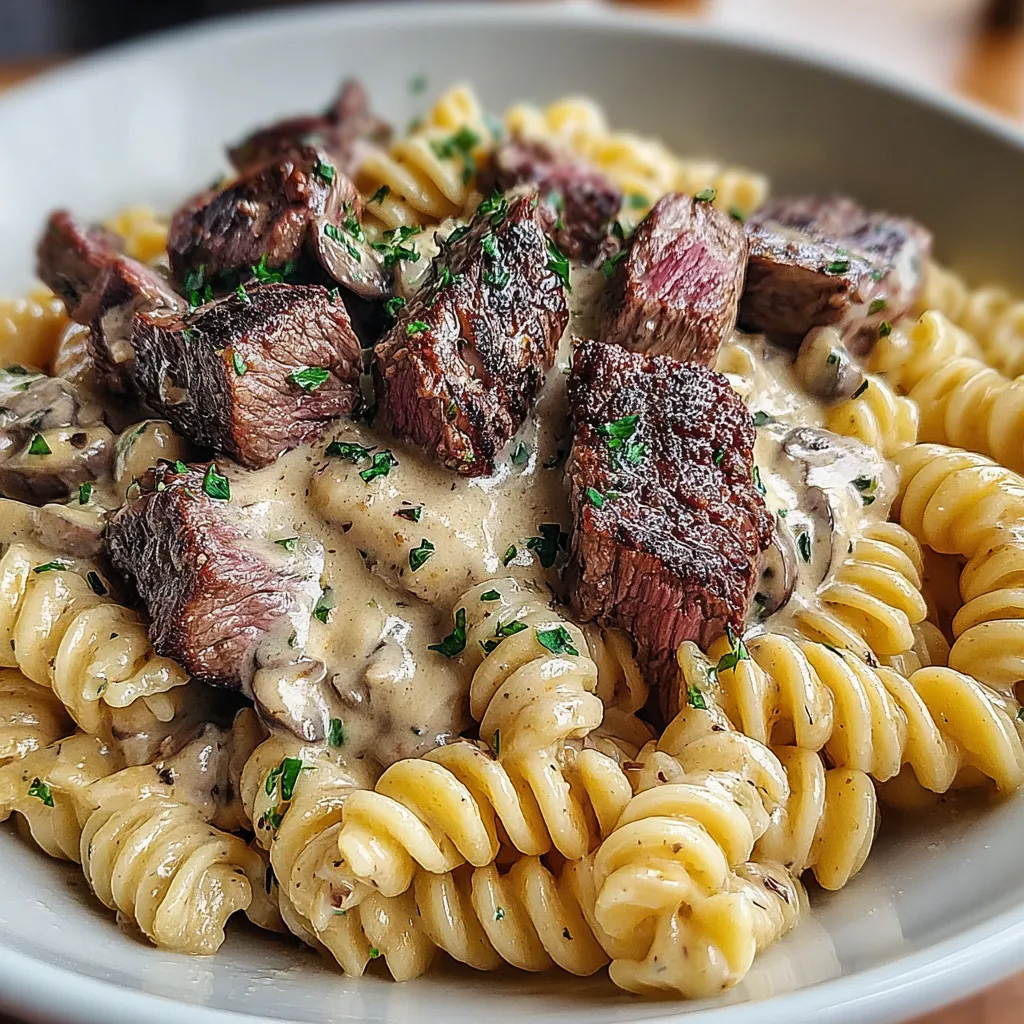
Easy Creamy Steak Pasta
Ingredients
Equipment
Method
- Cook the Pasta: Bring a large pot of salted water to a boil. Add the pasta and cook according to package directions until al dente. Reserve about 1 cup of pasta water before draining.
- Sear the Steak: While the pasta is cooking, heat the olive oil and butter in a large skillet over medium-high heat. Season the steak strips generously with salt and pepper. Add the steak to the skillet and cook for 2-3 minutes per side, or until browned and cooked to your desired doneness. Remove the steak from the skillet and set aside.
- Make the Sauce: Reduce the heat to medium. Add the minced garlic to the skillet and cook for about 30 seconds, or until fragrant. Pour in the beef broth and scrape up any browned bits from the bottom of the pan. Bring to a simmer and cook for 2-3 minutes, or until the broth has reduced slightly.
- Create the Creaminess: Stir in the heavy cream and Parmesan cheese. Cook for 2-3 minutes, or until the cheese is melted and the sauce has thickened slightly. If the sauce is too thick, add a little of the reserved pasta water until it reaches your desired consistency.
- Combine and Serve: Add the cooked pasta and steak to the skillet with the sauce. Toss to coat everything evenly. Stir in the chopped parsley. Serve immediately, garnished with additional Parmesan cheese.