
Meatloaf Deconstructed: The Science of Deliciousness
Meatloaf, at its heart, is a marvel of culinary chemistry. The key to a truly exceptional meatloaf lies in understanding the interplay of its ingredients and the transformations that occur during cooking. First, consider the protein: ground meat. Different fat percentages impact the final texture and moisture. Leaner meats tend to produce drier loaves, while higher fat content contributes to a juicier, more tender result. The Maillard reaction, that wonderful browning process that creates complex flavors, is significantly enhanced by the presence of proteins and sugars. Next, the binding agents. Breadcrumbs, eggs, and even additions like oats act as crucial structural components. Breadcrumbs, especially when soaked in milk or broth, create a tender crumb by disrupting the protein network of the meat. Eggs provide additional binding power and richness. The choice of liquid is also critical. Using milk adds moisture and a subtle sweetness, while broth contributes savory depth. Finally, the flavor enhancers. Onions, garlic, herbs, and spices are non-negotiable. Sautéing the onions and garlic before adding them to the mixture mellows their harshness and releases their aromatic compounds, leading to a more balanced flavor profile. The type and quantity of herbs and spices are entirely a matter of personal preference, but a well-chosen blend can elevate the meatloaf from ordinary to extraordinary. Don’t forget the importance of salt; it not only seasons the meat but also helps to denature the proteins, improving their ability to bind together.The Ultimate Meatloaf Recipe
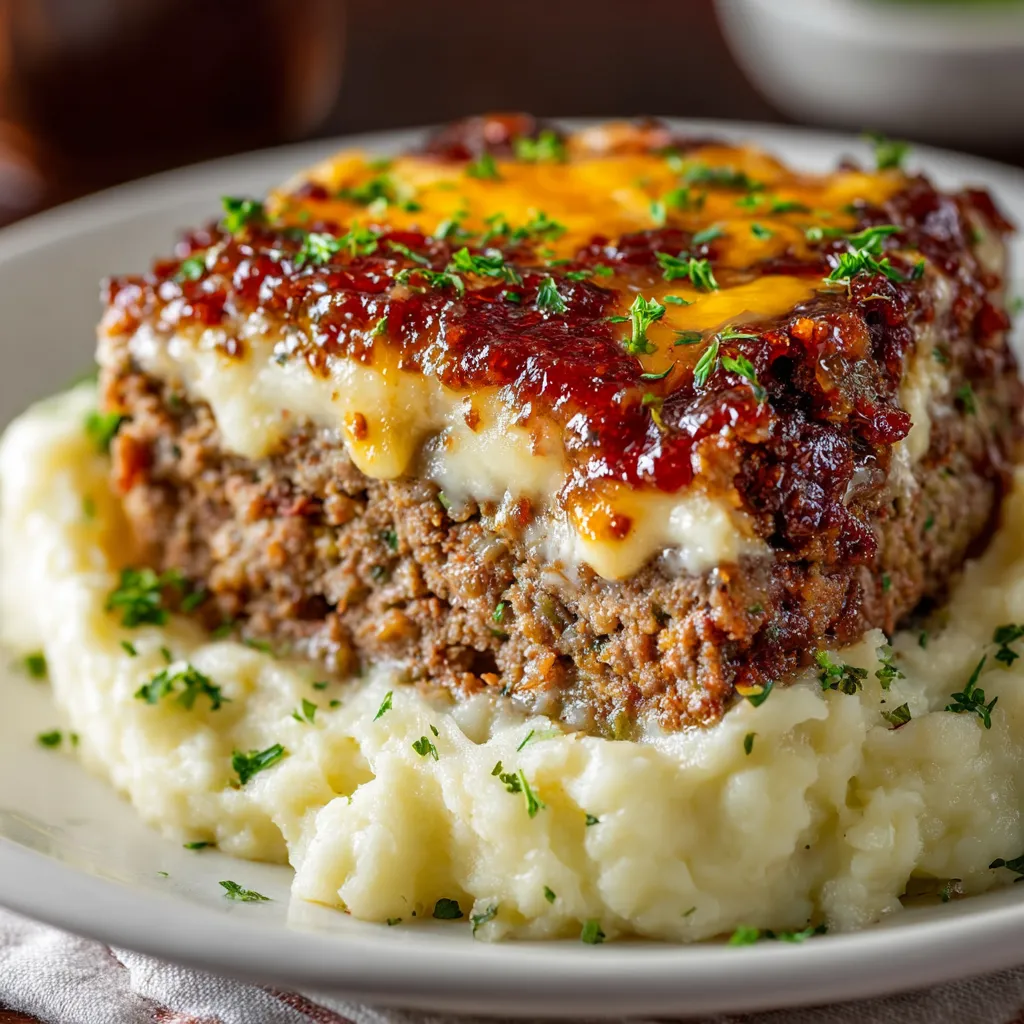 This recipe is the culmination of countless experiments and taste tests. It’s designed to deliver a moist, flavorful, and structurally sound meatloaf every time.
Yields:
6-8 servingsPrep time:
25 minutesCook time:
60-75 minutesIngredients:
- 2 pounds ground beef (80/20 blend recommended)
- 1 pound ground pork
- 1 large onion, finely chopped
- 4 cloves garlic, minced
- 1 cup breadcrumbs (panko or regular)
- 1/2 cup milk
- 2 large eggs, lightly beaten
- 1/4 cup ketchup
- 2 tablespoons Worcestershire sauce
- 1 tablespoon Dijon mustard
- 2 teaspoons dried Italian herbs
- 1 teaspoon smoked paprika
- 1/2 teaspoon garlic powder
- 1/4 teaspoon cayenne pepper (optional)
- Salt and freshly ground black pepper to taste
Glaze:
- 1/2 cup ketchup
- 2 tablespoons brown sugar
- 1 tablespoon apple cider vinegar
Equipment:
- Large mixing bowl
- 9×5 inch loaf pan
- Sauté pan
Instructions
- Preheat and Prep: Preheat oven to 350°F (175°C). Lightly grease a 9×5 inch loaf pan.
- Sauté Aromatics: In a sauté pan over medium heat, cook the chopped onion until softened and translucent, about 5-7 minutes. Add the minced garlic and cook for another minute until fragrant. Remove from heat and let cool slightly.
- Combine Ingredients: In a large mixing bowl, combine the ground beef, ground pork, sautéed onion and garlic, breadcrumbs, milk, eggs, ketchup, Worcestershire sauce, Dijon mustard, Italian herbs, smoked paprika, garlic powder, and cayenne pepper (if using). Season generously with salt and freshly ground black pepper.
- Mix Gently: Gently mix all the ingredients together with your hands until just combined. Be careful not to overmix, as this can result in a tough meatloaf.
- Shape and Place: Transfer the meat mixture to the prepared loaf pan and gently press it down to create an even surface.
- Prepare Glaze: In a small bowl, whisk together the ketchup, brown sugar, and apple cider vinegar.
- Bake: Spread half of the glaze evenly over the top of the meatloaf. Bake in the preheated oven for 60 minutes.
- Glaze and Finish: Remove the meatloaf from the oven and spread the remaining glaze over the top. Return to the oven and bake for another 15-20 minutes, or until the internal temperature reaches 160°F (71°C).
- Rest and Serve: Remove the meatloaf from the oven and let it rest for 10-15 minutes before slicing and serving.
My Meatloaf Journey: An Investigative Tale
My first few attempts at meatloaf were a disaster. Dense, dry, and bland – they were far from the comforting classic I envisioned. Then, I had an “Aha!” moment: it wasn’t just about following a recipe; it was about understanding the *why* behind each ingredient and technique.The Great Ground Meat Gamble
Like many of you, I initially thought leaner ground beef was the healthier choice. Wrong! The lack of fat resulted in a dry, crumbly meatloaf that tasted more like cardboard than comfort food. Switching to an 80/20 blend made a world of difference, adding much-needed moisture and flavor. I even experimented with adding ground pork. The Slow Cooker Salisbury Steak uses only ground beef, but the addition of ground pork here added a depth of flavor that I was looking for.Binder Bender: Breadcrumbs vs. Oats
The choice of binder proved to be another critical factor. Initially, I used dry breadcrumbs straight from the box. The result? A tough, almost rubbery texture. Soaking the breadcrumbs in milk before adding them to the meat mixture was a game-changer. The milk helped to soften the breadcrumbs and create a more tender crumb. I even experimented with using oats, similar to how they are used in Salisbury Steak Meatballs, but ultimately preferred the texture of breadcrumbs.The Aromatic Adventure
I used to be a minimalist when it came to aromatics, simply throwing in some chopped onion and garlic. But I quickly realized that sautéing the onions and garlic beforehand was essential. This simple step mellowed their harshness and brought out their sweetness, resulting in a more balanced flavor profile. I also started experimenting with different herbs and spices, eventually settling on a blend of Italian herbs, smoked paprika, garlic powder, and a touch of cayenne pepper for a subtle kick. This is similar to how you might season Pot Roast With Mashed Potatoes Recipe.The Glaze Glory
The glaze was the final piece of the puzzle. My early attempts were simply ketchup-based, which tasted one-dimensional and overly sweet. Adding brown sugar and apple cider vinegar created a tangy, sweet, and savory glaze that perfectly complemented the savory meatloaf. It was a transformative addition that brought everything together. I didn’t use it in my version of the Tater Tot Casserole, but thinking about it now, a glaze could work there too!The Foolproof Meatloaf Method: A Step-by-Step Guide
After years of experimentation, I’ve distilled the process down to a foolproof method that guarantees a delicious, moist, and flavorful meatloaf every time.- Choose the Right Meat: Opt for an 80/20 blend of ground beef and consider adding ground pork for extra flavor.
- Sauté Your Aromatics: Sauté the onions and garlic before adding them to the meat mixture to mellow their harshness and bring out their sweetness.
- Soak Your Binder: Soak the breadcrumbs in milk before adding them to the meat mixture to create a more tender crumb.
- Don’t Overmix: Gently mix all the ingredients together with your hands until just combined. Overmixing will result in a tough meatloaf.
- Glaze Generously: Use a tangy, sweet, and savory glaze to add flavor and moisture to the meatloaf.
- Bake to Perfection: Bake the meatloaf until the internal temperature reaches 160°F (71°C).
- Rest Before Slicing: Let the meatloaf rest for 10-15 minutes before slicing and serving to allow the juices to redistribute.
Why is it recommended to use an 80/20 blend of ground beef instead of leaner ground beef for meatloaf?
Leaner ground beef can result in a dry, crumbly meatloaf. The 80/20 blend provides the necessary fat content for moisture and flavor.
Why is it important to sauté the onions and garlic before adding them to the meat mixture?
Sautéing the onions and garlic mellows their harshness and releases their aromatic compounds, leading to a more balanced and flavorful meatloaf.
Why should breadcrumbs be soaked in milk before being added to the meatloaf mixture?
Soaking the breadcrumbs in milk softens them and helps create a more tender crumb in the meatloaf.
What is the ideal internal temperature for the meatloaf when baking?
The meatloaf should be baked until the internal temperature reaches 160°F (71°C).
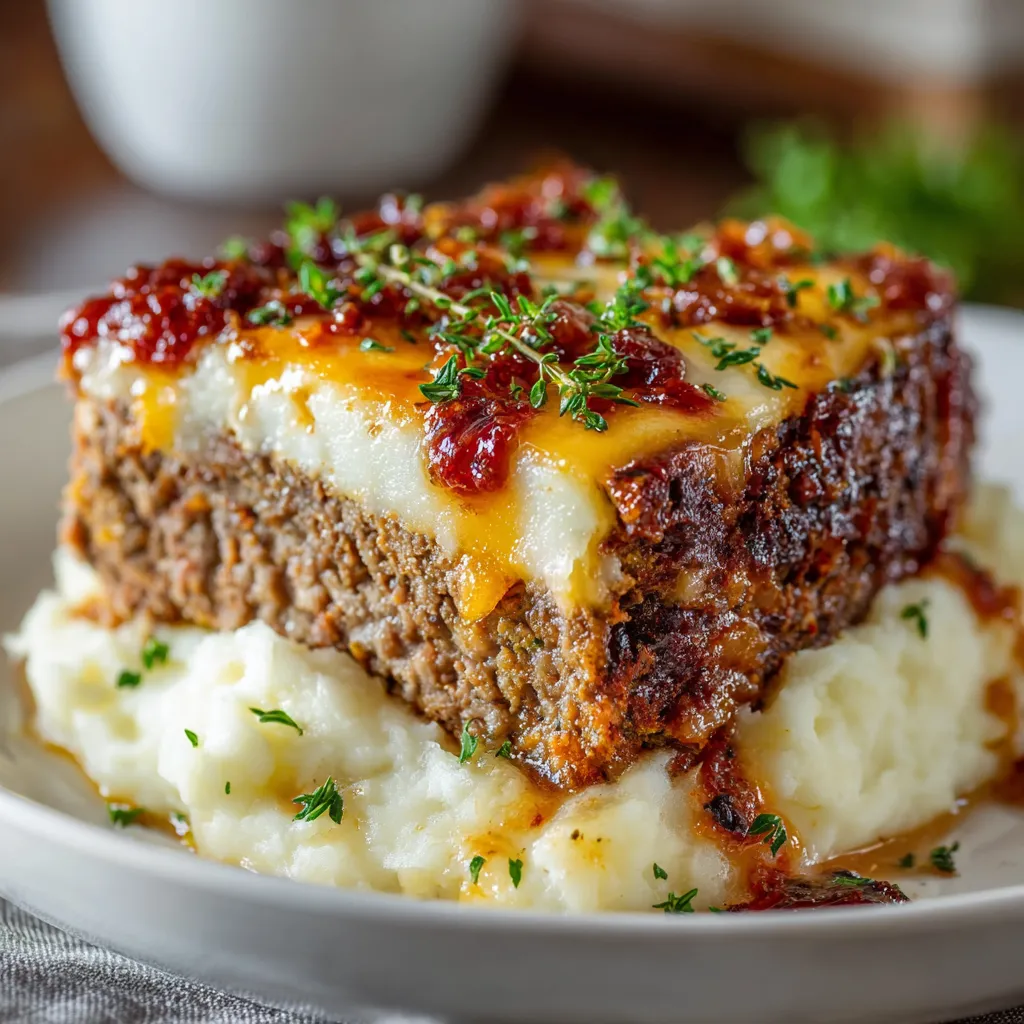
Irresistible Meatloaf Perfect Recipe
This meatloaf recipe delivers a moist, flavorful, and structurally sound loaf every time. By understanding the science of meatloaf, including the importance of fat content, binding agents, and flavor enhancers, you can create a truly memorable meal. The tangy-sweet glaze adds the perfect finishing touch.
Ingredients
Equipment
Method
- Preheat oven to 350°F (175°C). Lightly grease a 9×5 inch loaf pan.
- In a sauté pan over medium heat, cook the chopped onion until softened and translucent, about 5-7 minutes. Add the minced garlic and cook for another minute until fragrant. Remove from heat and let cool slightly.
- In a large mixing bowl, combine the ground beef, ground pork, sautéed onion and garlic, breadcrumbs, milk, eggs, ketchup, Worcestershire sauce, Dijon mustard, Italian herbs, smoked paprika, garlic powder, and cayenne pepper (if using). Season generously with salt and freshly ground black pepper.
- Gently mix all the ingredients together with your hands until just combined. Be careful not to overmix, as this can result in a tough meatloaf.
- Transfer the meat mixture to the prepared loaf pan and gently press it down to create an even surface.
- In a small bowl, whisk together the ketchup, brown sugar, and apple cider vinegar.
- Spread half of the glaze evenly over the top of the meatloaf. Bake in the preheated oven for 60 minutes.
- Remove the meatloaf from the oven and spread the remaining glaze over the top. Return to the oven and bake for another 15-20 minutes, or until the internal temperature reaches 160°F (71°C).
- Remove the meatloaf from the oven and let it rest for 10-15 minutes before slicing and serving.
Notes
For best results, use an 80/20 blend of ground beef. Soaking the breadcrumbs in milk helps create a more tender crumb. Sautéing the onions and garlic before adding them mellows their harshness and brings out their sweetness. Don’t overmix the meatloaf, as this can make it tough. Meatloaf can be stored in the refrigerator for up to 3-4 days. Reheat in the oven or microwave. For a spicier meatloaf, increase the amount of cayenne pepper.