
Deconstructing Deliciousness: The Science Behind Cajun Shrimp Crab Pasta
At its core, Cajun Shrimp Crab Pasta is a symphony of flavors built upon a few key scientific principles. First, understanding the Maillard reaction is crucial. This is the browning process that occurs when amino acids and reducing sugars are heated, creating hundreds of flavorful compounds. Searing the shrimp and crab before adding them to the sauce deepens their flavor, adding a savory dimension that’s essential to the dish. Secondly, the emulsification of the sauce is critical for a smooth, creamy texture. The fat from the butter and cream must be properly incorporated into the liquid, preventing separation and ensuring a luscious coating for the pasta. Thirdly, the spice level must be carefully controlled. Capsaicin, the compound responsible for the heat in chili peppers, interacts with pain receptors in our mouths. Balancing the heat with the richness of the cream and the sweetness of the seafood is key to creating a well-rounded and enjoyable dish. Understanding the role of acid, often from lemon juice or white wine, is also essential. Acid cuts through the richness of the cream and brightens the flavors of the seafood, preventing the dish from becoming overly heavy. Finally, remember that salt enhances all other flavors, so proper seasoning throughout the cooking process is non-negotiable. Thinking about these processes will help elevate your dish far beyond following simple instructions.The Ultimate Cajun Shrimp Crab Pasta Recipe
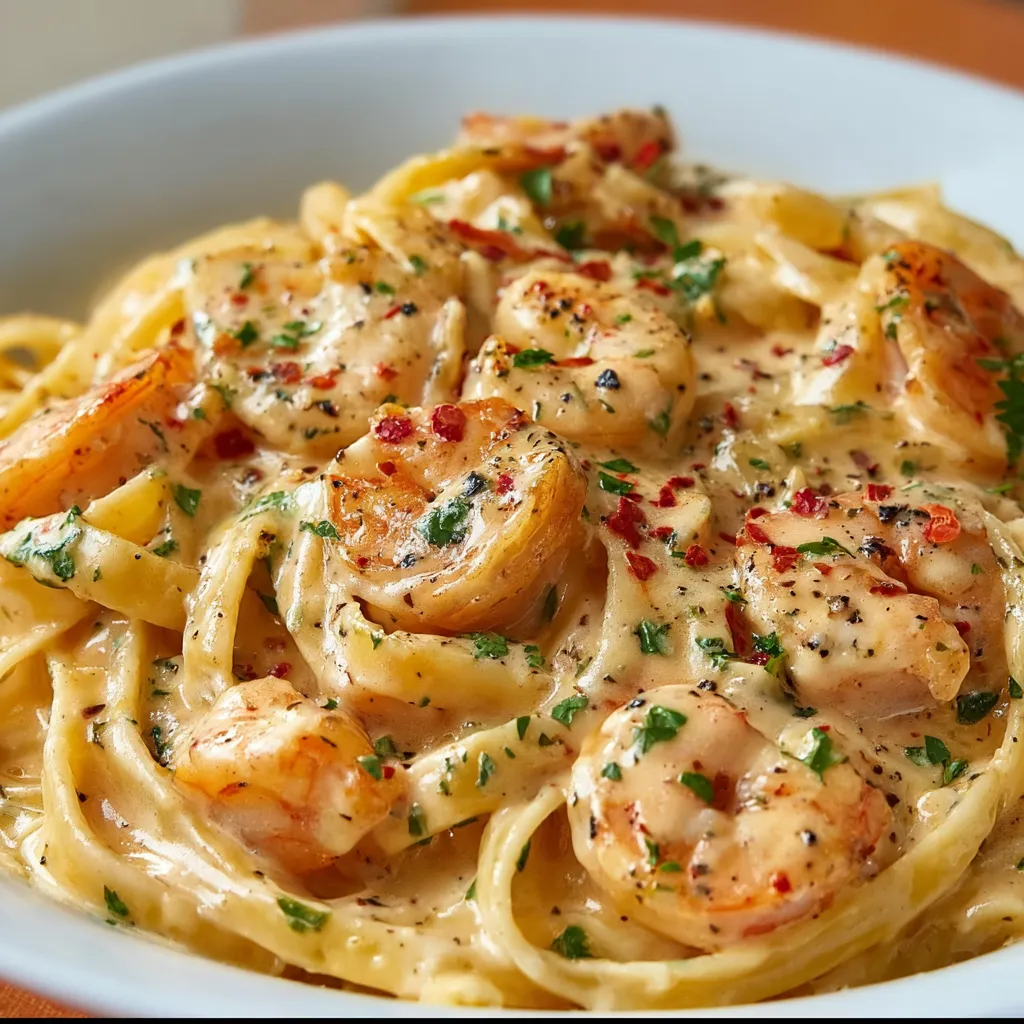 Here’s the recipe I’ve perfected after countless trials and errors.
Ingredients:
- 1 pound large shrimp, peeled and deveined
- 8 ounces lump crab meat, picked over for shells
- 1 pound pasta (linguine, fettuccine, or penne work well)
- 4 tablespoons butter
- 1/2 cup chopped onion
- 1/2 cup chopped bell pepper (red or green)
- 2 cloves garlic, minced
- 1 tablespoon Cajun seasoning (adjust to taste)
- 1/2 teaspoon smoked paprika
- 1/4 teaspoon cayenne pepper (optional, for extra heat)
- 1/2 cup dry white wine (or chicken broth)
- 1 cup heavy cream
- 1/4 cup grated Parmesan cheese, plus more for garnish
- 2 tablespoons chopped fresh parsley, for garnish
- Salt and black pepper to taste
- Lemon wedges, for serving (optional)
Instructions:
- Cook the pasta according to package directions until al dente. Reserve about 1 cup of pasta water before draining.
- While the pasta is cooking, season the shrimp with salt, pepper, and half of the Cajun seasoning.
- In a large skillet or Dutch oven, melt 2 tablespoons of butter over medium-high heat. Add the shrimp and cook for 2-3 minutes per side, until pink and cooked through. Remove the shrimp from the skillet and set aside.
- Add the remaining 2 tablespoons of butter to the skillet. Add the onion and bell pepper and cook until softened, about 5 minutes. Add the garlic, smoked paprika, cayenne pepper (if using), and remaining Cajun seasoning and cook for 1 minute more, until fragrant.
- Pour in the white wine (or chicken broth) and scrape up any browned bits from the bottom of the skillet. Let the wine reduce by half, about 2-3 minutes.
- Stir in the heavy cream and bring to a simmer. Reduce the heat to low and let the sauce thicken slightly, about 5 minutes.
- Stir in the Parmesan cheese until melted and smooth. Season the sauce with salt and pepper to taste.
- Gently fold in the cooked shrimp and crab meat. Heat through.
- Add the cooked pasta to the sauce and toss to coat. If the sauce is too thick, add a little of the reserved pasta water until it reaches your desired consistency.
- Serve immediately, garnished with fresh parsley and extra Parmesan cheese. Offer lemon wedges on the side, if desired.
My Cajun Kitchen Chronicles: The Shrimp Crab Pasta Saga
The Initial Inferno: Spice Overload
My first few attempts were a disaster. Like many of you, I initially thought that more Cajun seasoning equaled more flavor. I ended up with a dish that was so spicy it was inedible. The delicate flavor of the crab was completely lost, and all I could taste was a burning sensation. I learned quickly that moderation is key, and that the *type* of Cajun seasoning matters. Some blends are far hotter than others. I also learned that a bit of sugar can help balance the heat.The Soggy Bottom: Pasta Predicaments
Another early challenge was the pasta. I consistently overcooked it, resulting in a mushy, unpleasant texture. Then, I had an “Aha!” moment when I realized the importance of cooking the pasta al dente and reserving pasta water. The starch in the pasta water helps to bind the sauce and creates a creamy, emulsified texture. I also discovered that using a high-quality pasta made a significant difference in the final result.The Bland Blunder: Seafood Sabotage
My biggest hurdle was coaxing out the natural sweetness of the shrimp and crab. Simply throwing them into the sauce at the end resulted in a bland, underwhelming dish. The solution? Searing the shrimp before adding them to the sauce created a beautiful crust and intensified their flavor. And I learned that gently folding in the crab meat at the very end prevented it from breaking apart and becoming shredded.The Creamy Conundrum: Sauce Separation Anxiety
Achieving a smooth, creamy sauce was a constant battle. I struggled with sauce separation, resulting in a greasy, unappetizing mess. The secret, I discovered, was to reduce the white wine (or chicken broth) before adding the heavy cream. This concentrated the flavors and helped the sauce emulsify properly. Also, low and slow simmering after adding the cream is essential. Don’t boil it!The Salt Saga: A Lesson in Seasoning
Like many home cooks, I was hesitant to add enough salt. I feared over-salting the dish, but the reality was that it was consistently under-seasoned. Salt is essential for enhancing the flavors of all the other ingredients. I learned to taste and adjust the seasoning at every stage of the cooking process. Now, I can’t imagine making this dish without Shrimp Crabmeat And Okra Gumbo (link to: https://easymealstoprep.com/shrimp-crabmeat-and-okra-gumbo/), which taught me a lot about seasoning.The Technique: The Foolproof Method for Perfect Cajun Shrimp Crab Pasta
After countless attempts and meticulous refinements, I’ve distilled the process into a simple, step-by-step technique:- Prep is Paramount: Chop all vegetables, measure out all ingredients, and have everything ready to go before you start cooking. This ensures a smooth and efficient cooking process.
- Sear the Seafood: Sear the shrimp in butter over medium-high heat to develop a rich, savory flavor. Set aside and gently fold in the crab at the end, retaining the moisture and texture.
- Build the Flavor Base: Sauté the aromatics (onion, bell pepper, garlic) in butter until softened. Add the Cajun seasoning, smoked paprika, and cayenne pepper (if using) and cook until fragrant.
- Deglaze and Reduce: Deglaze the pan with white wine (or chicken broth) and scrape up any browned bits from the bottom. Reduce the liquid by half to concentrate the flavors.
- Create the Creamy Sauce: Stir in the heavy cream and bring to a simmer. Reduce the heat to low and let the sauce thicken slightly. Stir in the Parmesan cheese until melted and smooth. Season to taste with salt and pepper.
- Combine and Conquer: Gently fold in the cooked shrimp and crab meat. Add the cooked pasta to the sauce and toss to coat. Add reserved pasta water if needed to adjust the consistency.
- Garnish and Serve: Serve immediately, garnished with fresh parsley and extra Parmesan cheese. Offer lemon wedges on the side for added brightness.
Why is it important to sear the shrimp before adding it to the sauce?
Searing the shrimp creates a beautiful crust and intensifies their flavor, preventing the dish from being bland and underwhelming.
What is the purpose of reserving pasta water?
The starch in the pasta water helps to bind the sauce and creates a creamy, emulsified texture.
How can I prevent the sauce from separating?
Reduce the white wine (or chicken broth) by half before adding the heavy cream. Also, simmer the sauce on low heat after adding the cream, and avoid boiling.
What can I do if the Cajun seasoning makes the dish too spicy?
Use Cajun seasoning in moderation, as some blends are hotter than others. Adding a bit of sugar can also help balance the heat.
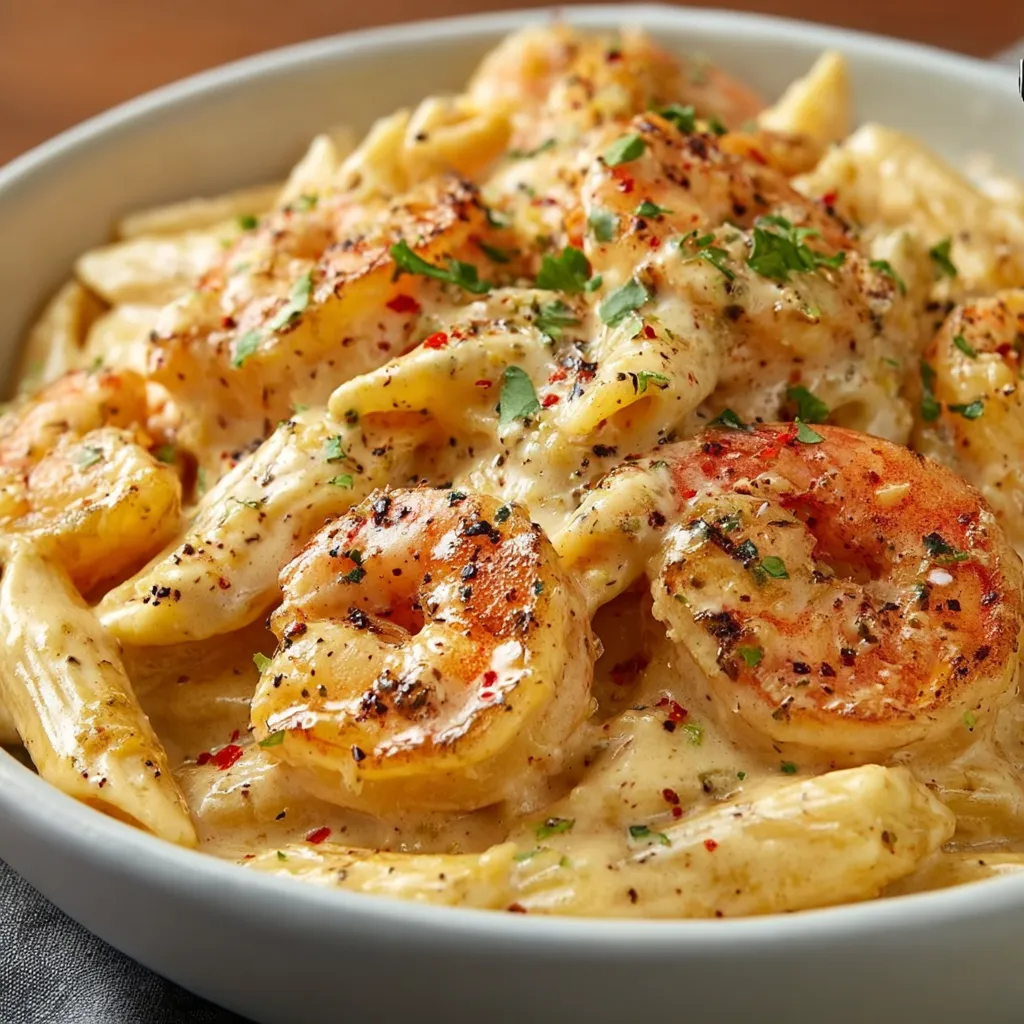
Cajun Shrimp Crab Pasta Ultimate
This Cajun Shrimp Crab Pasta is a delightful symphony of flavors, balancing spice, richness, and the delicate sweetness of seafood. Searing the shrimp and carefully emulsifying the creamy sauce are key to achieving a restaurant-quality dish.
Ingredients
Equipment
Method
- Cook the pasta according to package directions until al dente. Reserve about 1 cup of pasta water before draining.
- While the pasta is cooking, season the shrimp with salt, pepper, and half of the Cajun seasoning.
- In a large skillet or Dutch oven, melt 2 tablespoons of butter over medium-high heat. Add the shrimp and cook for 2-3 minutes per side, until pink and cooked through. Remove the shrimp from the skillet and set aside.
- Add the remaining 2 tablespoons of butter to the skillet. Add the onion and bell pepper and cook until softened, about 5 minutes. Add the garlic, smoked paprika, cayenne pepper (if using), and remaining Cajun seasoning and cook for 1 minute more, until fragrant.
- Pour in the white wine (or chicken broth) and scrape up any browned bits from the bottom of the skillet. Let the wine reduce by half, about 2-3 minutes.
- Stir in the heavy cream and bring to a simmer. Reduce the heat to low and let the sauce thicken slightly, about 5 minutes.
- Stir in the Parmesan cheese until melted and smooth. Season the sauce with salt and pepper to taste.
- Gently fold in the cooked shrimp and crab meat. Heat through.
- Add the cooked pasta to the sauce and toss to coat. If the sauce is too thick, add a little of the reserved pasta water until it reaches your desired consistency.
- Serve immediately, garnished with fresh parsley and extra Parmesan cheese. Offer lemon wedges on the side, if desired.
Notes
Adjust Cajun seasoning to your preference. Searing the shrimp enhances their flavor. Reserve pasta water for adjusting sauce consistency. Gently fold in the crab to prevent it from shredding. For a richer sauce, use full-fat heavy cream. Store leftovers in an airtight container in the refrigerator for up to 3 days.