
Is there a single, definitive “best” way to make chicken soup, or is it a culinary Rorschach test reflecting personal preference and family tradition more than objective perfection?
The Broth Whisperer: Decoding Chicken Soup’s Secrets
Chicken soup, at its heart, is a broth. And broth is all about extraction. We’re coaxing flavor and nutrients from bones, meat, and vegetables into a flavorful liquid. The key principles at play here are:
- Maillard Reaction: Searing or roasting chicken and vegetables before simmering unlocks deeper, more complex flavors through the Maillard reaction – the same process that browns a steak and gives it that irresistible crust.
- Collagen Breakdown: Chicken bones, especially those with cartilage, are rich in collagen. Slow simmering transforms collagen into gelatin, giving the broth a silky texture and rich mouthfeel.
- Solvent Power of Water: Water is the universal solvent, and it’s our extraction agent. The longer the simmer, the more flavor compounds are released from the ingredients. However, excessive boiling can emulsify fats, leading to a cloudy and less appealing broth.
- Acidity’s Role: A splash of vinegar or lemon juice helps to break down the bones and extract more minerals, resulting in a more nutritious broth.
The Liquid Gold Standard: My Ultimate Chicken Soup Recipe
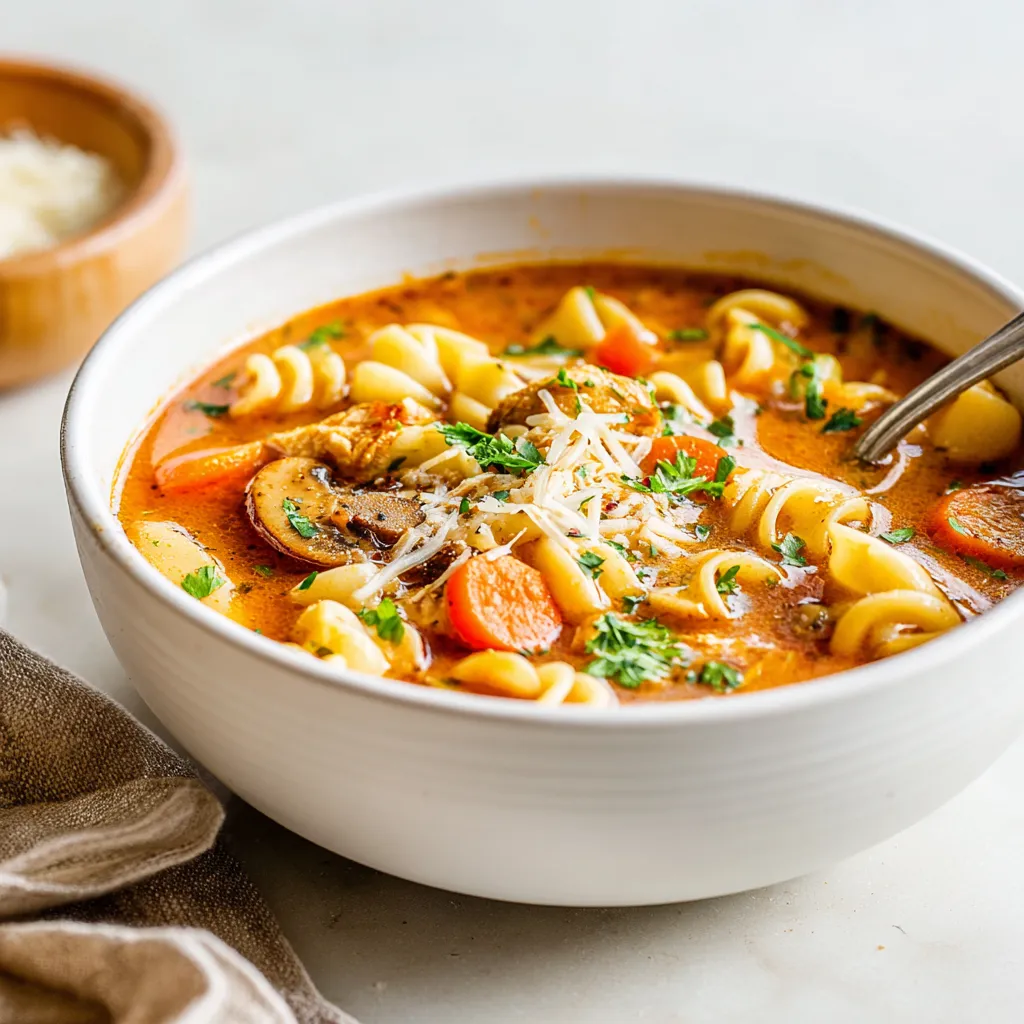
Ingredients:
- 1 whole chicken (about 3-4 lbs), or 2-3 lbs chicken pieces (bone-in, skin-on preferred)
- 1 large onion, roughly chopped
- 2 carrots, roughly chopped
- 2 celery stalks, roughly chopped
- 4 cloves garlic, minced
- 1 tbsp olive oil
- 8 cups chicken broth or water
- 2 bay leaves
- 1 tsp dried thyme
- 1/2 tsp dried rosemary
- 1/4 tsp black peppercorns
- 1 tbsp apple cider vinegar or lemon juice
- Salt to taste
- 8 oz egg noodles or other pasta
- 1 cup chopped fresh parsley or dill
Instructions:
- Roast the Chicken (Optional but Recommended): Preheat oven to 400°F (200°C). Toss chicken and vegetables with olive oil, salt, and pepper. Roast for 30-45 minutes, or until chicken is lightly browned. This step deepens the flavor considerably.
- Sauté Aromatics (If Not Roasting): Heat olive oil in a large pot or Dutch oven over medium heat. Add onion, carrots, and celery and cook until softened, about 5-7 minutes. Add garlic and cook for another minute until fragrant.
- Combine Ingredients: Add the roasted chicken (or raw chicken pieces), chicken broth or water, bay leaves, thyme, rosemary, peppercorns, and vinegar (or lemon juice) to the pot. Bring to a boil, then reduce heat to low and simmer for at least 2 hours, or up to 4 hours. Skim off any foam that rises to the surface. The longer it simmers, the richer the broth will be.
- Remove Chicken and Shred: Carefully remove the chicken from the pot and let it cool slightly. Shred the meat from the bones and discard the skin and bones.
- Strain the Broth (Optional): For a clearer broth, strain it through a fine-mesh sieve lined with cheesecloth. This step is optional but results in a more refined soup.
- Add Noodles and Chicken: Return the broth to the pot and bring to a simmer. Add the egg noodles (or other pasta) and cook according to package directions. Add the shredded chicken back to the pot.
- Season and Serve: Season the soup with salt to taste. Stir in the fresh parsley or dill. Serve hot and enjoy!
From Broth Blunders to Chicken Soup Nirvana: My Culinary Odyssey
The “Too Much Love” Catastrophe: My First Foray
My first few attempts were a disaster. Like many of you, I initially thought that more ingredients equaled more flavor. I overloaded my pot with every vegetable imaginable, drowning the chicken in a muddled, earthy soup that tasted vaguely of dirt. The resulting soup was far from the clear, comforting elixir I envisioned. I also forgot to season properly, a common mistake that leaves the broth flat and lifeless.
The “Rushing the Process” Debacle: Patience is a Virtue
Then, I tried to rush the process. I figured a quick simmer would do the trick. The result? A watery, anemic broth with barely any chicken flavor. The meat was tough, and the vegetables were still crunchy. This taught me a crucial lesson: time is your friend when it comes to chicken soup. Slow simmering is essential for extracting maximum flavor and creating a luscious broth.
The “Aha!” Moment: Embracing the Maillard Reaction
Then, I had an ‘Aha!’ moment. I remembered reading about the Maillard reaction and how it could transform the flavor of food. I started roasting my chicken and vegetables before adding them to the pot. The difference was astonishing. The roasting process created deep, complex flavors that infused the broth with a richness I had never achieved before. This single step elevated my chicken soup from mediocre to magnificent.
The “Bone Broth Revelation”: Collagen is King
Next, I experimented with different types of chicken. I discovered that using bone-in, skin-on chicken pieces, especially chicken backs and necks, resulted in a much richer and more gelatinous broth due to the higher collagen content. The collagen broke down during the long simmer, creating a silky texture that coated the palate. This is especially important if you are going to be making a Rotisserie Chicken Mushroom Soup.
The “Seasoning Savvy”: Salt is Your Secret Weapon
Finally, I learned the importance of proper seasoning. I started adding salt gradually throughout the cooking process, tasting and adjusting as needed. I also experimented with different herbs and spices, discovering that thyme, rosemary, and bay leaves complemented the chicken perfectly. A splash of lemon juice at the end added a bright, acidic note that balanced the richness of the broth. If you like tangy dishes, this little trick would also be perfect for Creamy Garlic Parmesan Crockpot Chicken.
Chicken soup is all about the layering of flavors. If you prefer something heavier, there is always Chicken Parmesan Casserole or maybe even Chicken Spinach Mushroom Bake. If you liked the idea of roasting the chicken, you might also like Chicken Broccoli Alfredo Bake.
The Perfect Prescription: The Foolproof Chicken Soup Method
- Roast for Riches: Roast your chicken and vegetables for deeper, more complex flavor. Don’t skip this step!
- Slow and Steady: Simmer the broth for at least 2 hours, or up to 4 hours, to extract maximum flavor and nutrients.
- Embrace the Bones: Use bone-in, skin-on chicken pieces for a richer, more gelatinous broth.
- Season with Strategy: Add salt gradually throughout the cooking process, tasting and adjusting as needed.
- Acidic Awakening: A splash of lemon juice or vinegar at the end brightens the flavor and balances the richness.
- Strain for Clarity (Optional): Strain the broth for a more refined soup.
- Fresh Finish: Add fresh herbs like parsley or dill at the end for a burst of freshness.
Why is it recommended to roast the chicken and vegetables before simmering?
Roasting the chicken and vegetables unlocks deeper, more complex flavors through the Maillard reaction, which significantly enhances the richness of the broth.
How long should I simmer the chicken soup for the best results?
Simmer the broth for at least 2 hours, or up to 4 hours, to extract maximum flavor and nutrients from the ingredients.
What type of chicken pieces are best for making chicken soup?
Bone-in, skin-on chicken pieces, especially chicken backs and necks, are recommended because they are rich in collagen, which breaks down during simmering and gives the broth a silky texture.
Is straining the broth necessary for making good chicken soup?
No, straining the broth is optional. However, it results in a clearer and more refined soup.
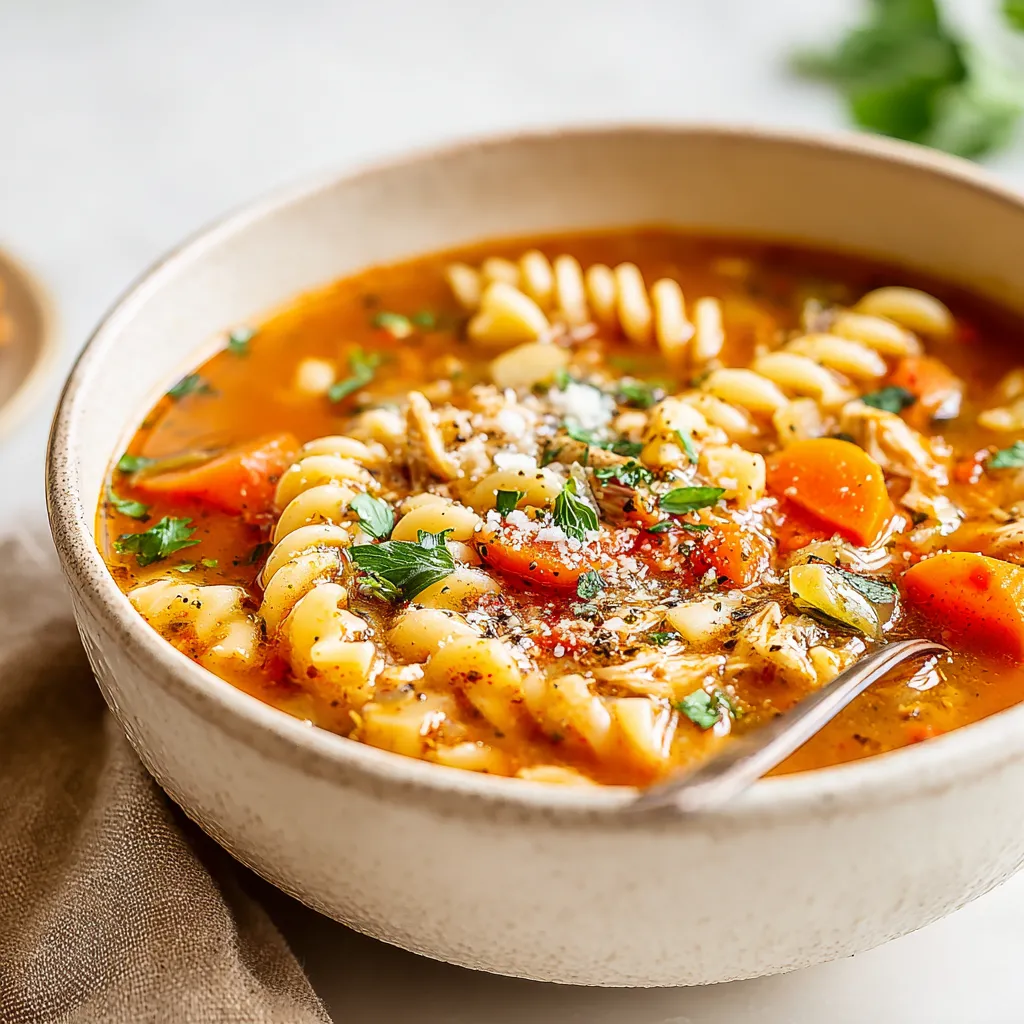
BEST CHICKEN SOUP RECIPE
Ingredients
Equipment
Method
- Preheat oven to 400°F (200°C). Toss chicken and vegetables with olive oil, salt, and pepper. Roast for 30-45 minutes, or until chicken is lightly browned.
- If not roasting, heat olive oil in a large pot or Dutch oven over medium heat. Add onion, carrots, and celery and cook until softened, about 5-7 minutes. Add garlic and cook for another minute until fragrant.
- Add the roasted chicken (or raw chicken pieces), chicken broth or water, bay leaves, thyme, rosemary, peppercorns, and vinegar (or lemon juice) to the pot. Bring to a boil, then reduce heat to low and simmer for at least 2 hours, or up to 4 hours. Skim off any foam that rises to the surface.
- Carefully remove the chicken from the pot and let it cool slightly. Shred the meat from the bones and discard the skin and bones.
- For a clearer broth, strain it through a fine-mesh sieve lined with cheesecloth. This step is optional.
- Return the broth to the pot and bring to a simmer. Add the egg noodles (or other pasta) and cook according to package directions.
- Add the shredded chicken back to the pot.
- Season the soup with salt to taste. Stir in the fresh parsley or dill. Serve hot and enjoy!