
Unlocking Lasagna’s Secrets: A Scientific Approach
At its heart, lasagna is a layered marvel, a testament to the beautiful marriage of contrasting textures and flavors. But what are the underlying scientific principles that transform simple ingredients into a symphony of deliciousness? It boils down to understanding the interplay of moisture, heat, and ingredient compatibility. The sauce, be it a classic marinara or a rich béchamel, needs the right viscosity – enough moisture to keep the noodles hydrated during baking, but not so much that the lasagna becomes a soggy mess. The cheese, a blend of ricotta, mozzarella, and Parmesan, contributes both flavor and structural integrity. The lasagna meat recipe is crucial. It must be browned properly to develop Maillard reaction products, those flavorful compounds that give depth and complexity. Also, consider the pasta! No-boil noodles are convenient, but they demand a precisely calibrated sauce-to-noodle ratio. Traditional pasta requires pre-cooking to al dente perfection. This meticulous attention to detail distinguishes a good lasagna from a truly transcendent one.The “Million Dollar” Lasagna Recipe
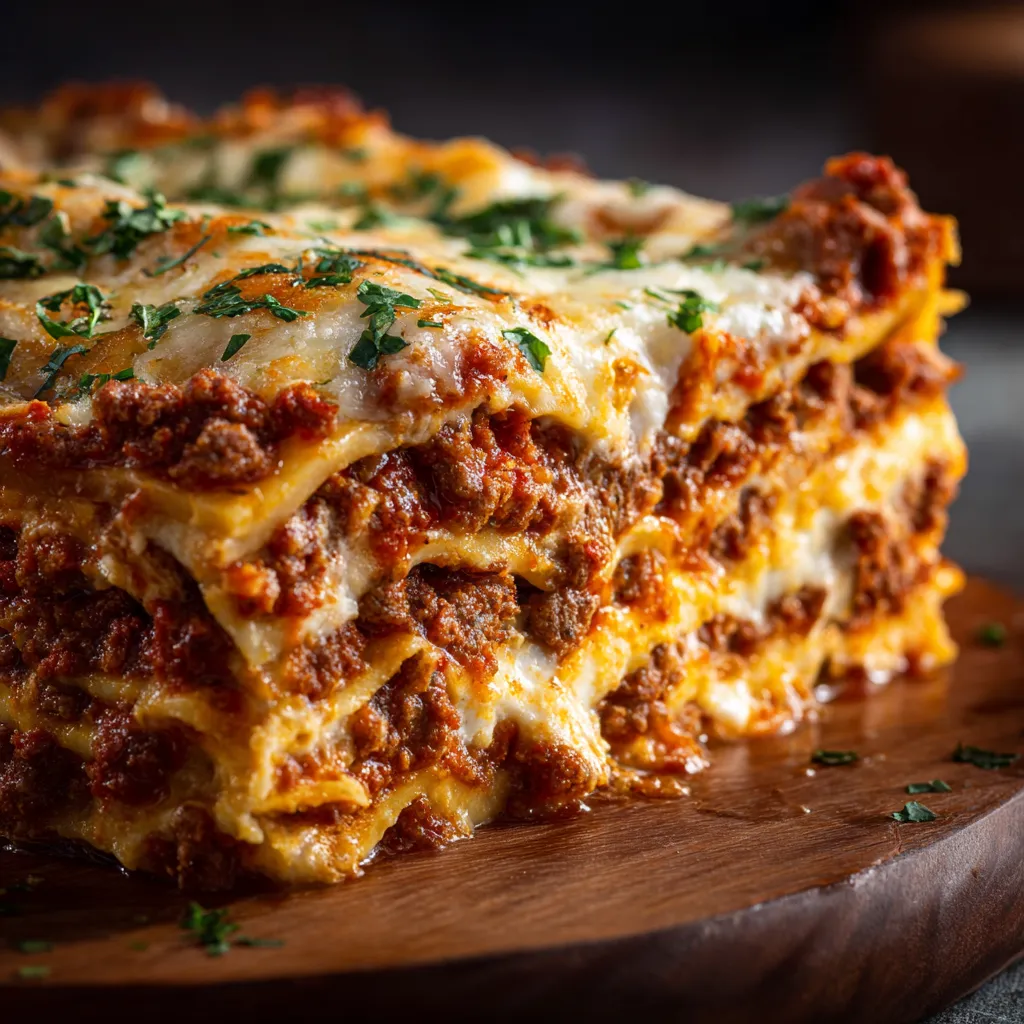 This recipe is the culmination of countless experiments and adjustments. It’s designed to be approachable for home cooks while delivering restaurant-quality results.
Ingredients
- For the Meat Sauce:
- 1 tablespoon olive oil
- 1 large onion, chopped
- 2 cloves garlic, minced
- 1.5 pounds ground beef (80/20 blend)
- 1 pound Italian sausage, casings removed
- 1 (28 ounce) can crushed tomatoes
- 1 (15 ounce) can tomato sauce
- 1 (6 ounce) can tomato paste
- 1 teaspoon dried oregano
- 1 teaspoon dried basil
- 1/2 teaspoon salt
- 1/4 teaspoon black pepper
- 1/4 cup chopped fresh parsley
- For the Cheese Filling:
- 1 (30 ounce) container ricotta cheese
- 1/2 cup grated Parmesan cheese
- 1/4 cup chopped fresh parsley
- 1 large egg, lightly beaten
- 1/4 teaspoon salt
- 1/8 teaspoon ground nutmeg
- Other:
- 1 pound dry lasagna noodles (or no-boil lasagna noodles)
- 4 cups shredded mozzarella cheese
Instructions
- Prepare the Meat Sauce: Heat the olive oil in a large pot or Dutch oven over medium heat. Add the onion and cook until softened, about 5 minutes. Add the garlic and cook for 1 minute more, until fragrant.
- Add the ground beef and Italian sausage to the pot. Cook, breaking up the meat with a spoon, until browned. Drain off any excess grease.
- Stir in the crushed tomatoes, tomato sauce, tomato paste, oregano, basil, salt, pepper, and parsley. Bring to a simmer, then reduce heat and cook for at least 30 minutes, or up to 1 hour, stirring occasionally. The longer it simmers, the richer the flavor will be.
- Prepare the Cheese Filling: In a large bowl, combine the ricotta cheese, Parmesan cheese, parsley, egg, salt, and nutmeg. Mix well until everything is evenly combined.
- Cook the Noodles (If Using Traditional Noodles): While the sauce is simmering, cook the lasagna noodles according to package directions until al dente. Drain and rinse with cold water to prevent sticking. If using no-boil noodles, set aside.
- Assemble the Lasagna: Preheat oven to 375°F (190°C). Spread a thin layer of meat sauce in the bottom of a 9×13 inch baking dish.
- Layer noodles over the sauce, overlapping as needed to cover the bottom of the dish. If using no-boil noodles, ensure the sauce generously coats the noodles to allow them to soften during baking.
- Spread half of the ricotta cheese mixture over the noodles. Sprinkle with 1 cup of mozzarella cheese.
- Spoon half of the remaining meat sauce over the mozzarella cheese.
- Repeat layers: noodles, remaining ricotta cheese mixture, 1 cup mozzarella cheese, remaining meat sauce.
- Top with the remaining 2 cups of mozzarella cheese.
- Bake: Cover the baking dish with aluminum foil and bake for 30 minutes. Remove the foil and bake for an additional 15-20 minutes, or until the cheese is melted and bubbly and the lasagna is heated through.
- Rest: Let the lasagna rest for at least 15 minutes before slicing and serving. This allows the layers to set and prevents it from falling apart.
My Quest for Lasagna Perfection: A Culinary Investigation
Like many of you, I initially thought making lasagna was as simple as layering ingredients and baking. My first few attempts were a disaster – dry noodles, watery sauce, and a general lack of flavor. It was clear I needed a more scientific approach. This wasn’t just about following food recipes lasagna. It was about understanding the “why” behind each step.The Great Noodle Debate
My first major hurdle was the noodles. Should I parboil, or embrace the convenience of no-boil? I experimented with both. Parboiling, while requiring an extra step, gave me more control over the texture – I could ensure they were perfectly al dente. However, the no-boil noodles, when properly hydrated, proved to be a surprisingly effective shortcut, perfect for those nights when you need easy dinner recipes lasagna. The key? Ample sauce and careful layering.Sauce SOS: Avoiding the Soggy Bottom
The sauce was my next battleground. My initial sauces were either too watery, resulting in a soupy lasagna, or too thick, leaving the noodles dry and brittle. I realized that the key was to simmer the sauce long enough to reduce excess moisture, but not so long that it became a paste. I also learned the importance of using high-quality canned tomatoes – the difference in flavor was remarkable. Thinking about other easy family meals, I briefly considered if I could make a Taco Casserole instead, but I was determined to crack the lasagna code.Cheese Please: The Perfect Blend
The cheese component was surprisingly complex. I started with the standard ricotta-mozzarella-Parmesan trifecta, but I found it lacking. Then, I had an “Aha!” moment: a touch of nutmeg in the ricotta filling added a subtle warmth and depth that elevated the entire dish. I also experimented with different ratios of mozzarella to Parmesan, eventually settling on a generous amount of mozzarella for its meltiness and just enough Parmesan for its sharp, nutty flavor. It reminded me a bit of my Chicken Parmesan Casserole, but with a more complex flavor profile.The Meat of the Matter: Building Flavor from the Ground Up
The lasagna meat recipe is the unsung hero of the dish. Early on, I just browned some ground beef and threw it in the sauce. Big mistake! The meat was bland and lifeless. Then, I discovered the magic of browning the meat properly, allowing those Maillard reaction products to develop. I also started using a combination of ground beef and Italian sausage for added flavor and richness. I even considered other meat-based casseroles, such as the Cattle Drive Casserole, but ultimately decided that the classic lasagna meat filling was essential.The Foolproof Method: Achieving Lasagna Nirvana
After countless iterations, I’ve distilled my lasagna-making process into a simple, foolproof method. Follow these steps, and you’ll be well on your way to lasagna nirvana.- Start with a flavorful meat sauce: Brown the meat properly, use high-quality canned tomatoes, and simmer the sauce for at least 30 minutes.
- Choose your noodles wisely: If using traditional noodles, cook them al dente. If using no-boil noodles, ensure they are thoroughly coated with sauce.
- Perfect the cheese filling: Use full-fat ricotta cheese, add a touch of nutmeg, and don’t skimp on the Parmesan.
- Layer strategically: Spread a thin layer of sauce on the bottom of the dish, and alternate layers of noodles, cheese filling, and meat sauce.
- Don’t overbake: Cover the lasagna with foil for the first 30 minutes of baking, then remove the foil and bake until the cheese is melted and bubbly.
- Rest before slicing: Let the lasagna rest for at least 15 minutes before slicing and serving.
What’s the key to preventing lasagna from becoming soggy?
The key is to ensure the sauce has the right viscosity – enough moisture to hydrate the noodles during baking, but not so much that the lasagna becomes a soggy mess. Simmering the sauce helps reduce excess moisture.
What’s the difference between using traditional lasagna noodles versus no-boil noodles, and how does it impact the recipe?
Traditional noodles require pre-cooking to al dente. No-boil noodles are more convenient, but require a precisely calibrated sauce-to-noodle ratio to ensure they are properly hydrated during baking.
Why is resting the lasagna after baking so important?
Letting the lasagna rest for at least 15 minutes before slicing and serving allows the layers to set, preventing it from falling apart.
What makes the meat sauce in this ‘Million Dollar’ lasagna special?
The meat sauce achieves a richer flavor through properly browning the ground beef and Italian sausage to develop Maillard reaction products, using high-quality canned tomatoes, and simmering the sauce for at least 30 minutes, or up to 1 hour.
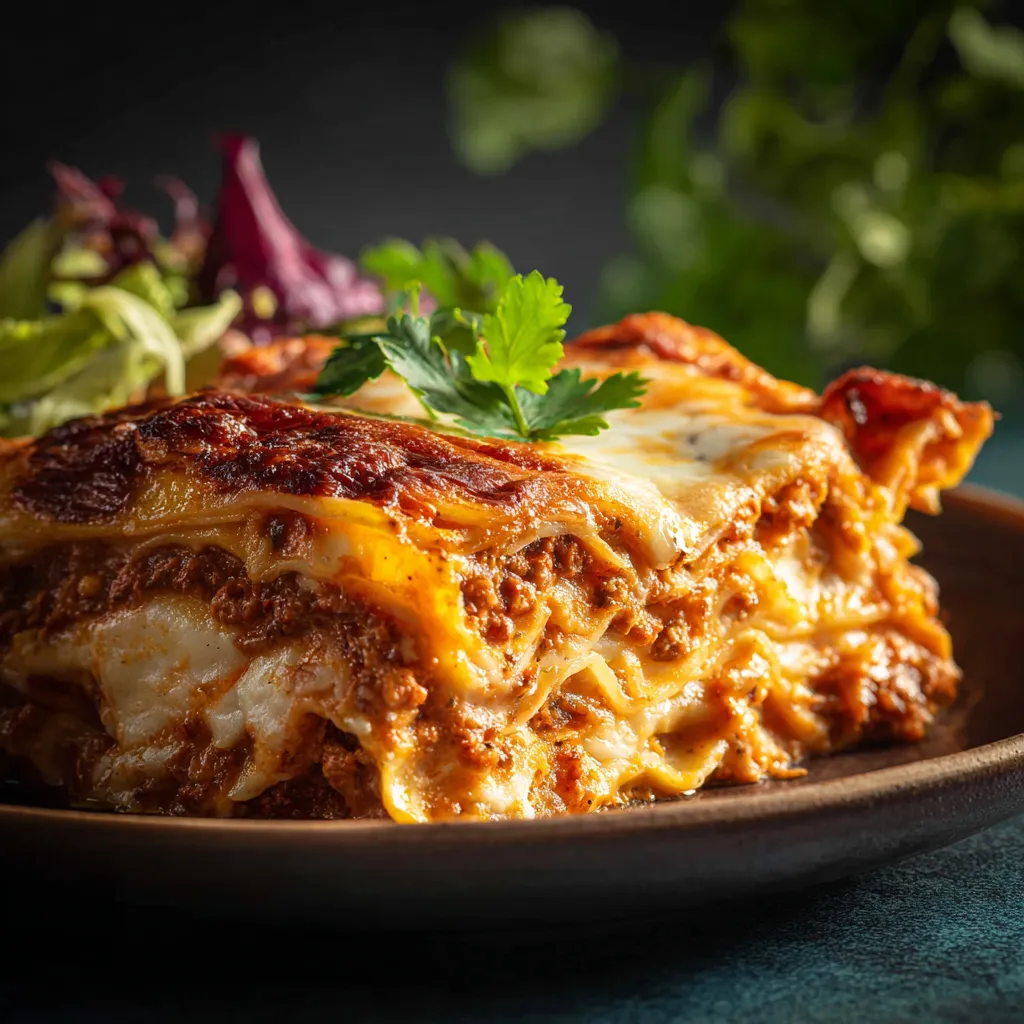
Perfect Million Dollar Lasagna
Ingredients
Equipment
Method
- Heat the olive oil in a large pot or Dutch oven over medium heat. Add the onion and cook until softened, about 5 minutes. Add the garlic and cook for 1 minute more, until fragrant.
- Add the ground beef and Italian sausage to the pot. Cook, breaking up the meat with a spoon, until browned. Drain off any excess grease.
- Stir in the crushed tomatoes, tomato sauce, tomato paste, oregano, basil, salt, pepper, and parsley. Bring to a simmer, then reduce heat and cook for at least 30 minutes, or up to 1 hour, stirring occasionally. The longer it simmers, the richer the flavor will be.
- In a large bowl, combine the ricotta cheese, Parmesan cheese, parsley, egg, salt, and nutmeg. Mix well until everything is evenly combined.
- While the sauce is simmering, cook the lasagna noodles according to package directions until al dente. Drain and rinse with cold water to prevent sticking. If using no-boil noodles, set aside.
- Preheat oven to 375°F (190°C). Spread a thin layer of meat sauce in the bottom of a 9×13 inch baking dish.
- Layer noodles over the sauce, overlapping as needed to cover the bottom of the dish. If using no-boil noodles, ensure the sauce generously coats the noodles to allow them to soften during baking.
- Spread half of the ricotta cheese mixture over the noodles. Sprinkle with 1 cup of mozzarella cheese.
- Spoon half of the remaining meat sauce over the mozzarella cheese.
- Repeat layers: noodles, remaining ricotta cheese mixture, 1 cup mozzarella cheese, remaining meat sauce.
- Top with the remaining 2 cups of mozzarella cheese.
- Cover the baking dish with aluminum foil and bake for 30 minutes. Remove the foil and bake for an additional 15-20 minutes, or until the cheese is melted and bubbly and the lasagna is heated through.
- Let the lasagna rest for at least 15 minutes before slicing and serving. This allows the layers to set and prevents it from falling apart.