
The Science of Keto Burger Bliss
The key to a fantastic keto burger lies in understanding the interplay of fat, protein, and binding agents. Ground beef, being primarily protein and fat, provides the foundation. However, traditional burger binders like breadcrumbs are off-limits on a keto diet. This is where alternatives like almond flour, crushed pork rinds, or even a small amount of psyllium husk come into play. These ingredients absorb excess moisture and help the burger hold its shape without adding significant carbs. Fat content is crucial for flavor and texture; leaner ground beef can result in a dry, crumbly burger. Aim for a ground beef with at least 80/20 ratio (80% lean, 20% fat). The feta cheese adds both flavor and moisture, and its saltiness enhances the overall taste profile. When it comes to cooking, understanding the Maillard reaction is vital. This chemical reaction between amino acids and reducing sugars is what creates that desirable browned crust and complex flavor notes on the burger’s surface. High heat and a dry surface are essential for maximizing the Maillard reaction.The Ultimate Keto Feta Burger Recipe
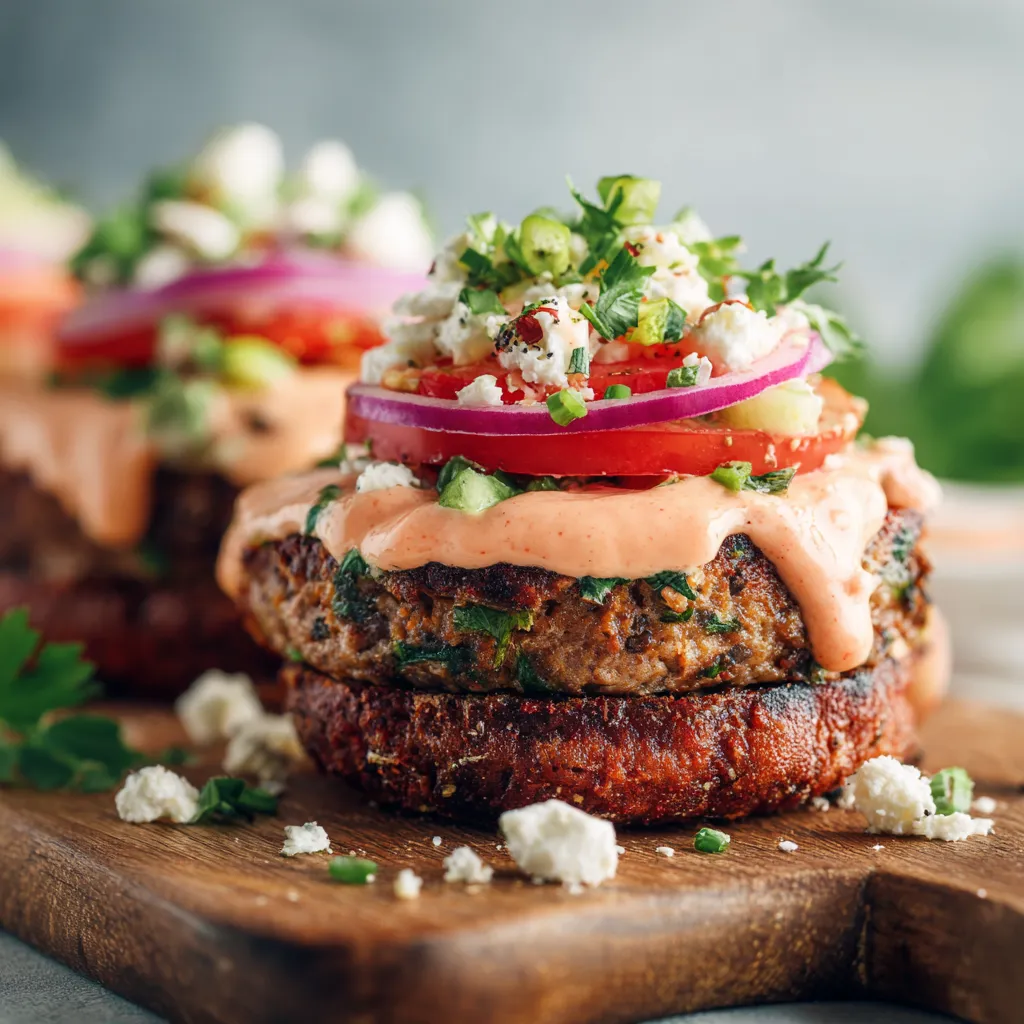 This recipe provides a step-by-step guide to creating delicious and satisfying keto feta burgers.
Yields
4 servingsPrep time
15 minutesCook time
12-15 minutesIngredients
- 1.5 lbs Ground Beef (80/20 blend recommended)
- 4 oz Feta Cheese, crumbled
- 1 large Egg
- 2 tbsp Almond Flour
- 1 tbsp Dijon Mustard
- 1 tsp Garlic Powder
- 1/2 tsp Onion Powder
- 1/4 tsp Black Pepper
- Salt to taste
- 2 tbsp Olive Oil (or other cooking oil)
- Optional toppings: Avocado slices, Lettuce wraps, Sugar-free ketchup, Bacon
Equipment
- Large mixing bowl
- Measuring spoons and cups
- Grill or skillet
- Spatula
Instructions
1. Prepare the Burger Mixture: In a large mixing bowl, combine the ground beef, crumbled feta cheese, egg, almond flour, Dijon mustard, garlic powder, onion powder, black pepper, and salt. 2. Mix Gently: Gently mix all ingredients together until just combined. Avoid overmixing, as this can result in a tough burger. 3. Form the Patties: Divide the mixture into 4 equal portions. Gently form each portion into a patty, about 3/4 inch thick. Make a slight indentation in the center of each patty to prevent them from puffing up during cooking. 4. Preheat the Grill or Skillet: Preheat your grill to medium-high heat, or heat the olive oil in a skillet over medium-high heat. 5. Cook the Burgers: Place the patties on the preheated grill or in the skillet. Cook for 5-7 minutes per side, or until the internal temperature reaches 160°F (71°C). 6. Rest the Burgers: Remove the burgers from the grill or skillet and let them rest for 5 minutes before serving. This allows the juices to redistribute, resulting in a more tender and flavorful burger. 7. Assemble and Serve: Serve the burgers on lettuce wraps or with your favorite keto-friendly toppings. Avocado slices, sugar-free ketchup, and bacon are excellent choices.Nutrition
(Per serving, excluding toppings):- Calories: Approximately 550
- Protein: 45g
- Fat: 40g
- Net Carbs: 3g
The Investigation: My Quest for Keto Burger Perfection
Like many of you, I initially thought that making a good keto burger was simply a matter of swapping out the bun for a lettuce wrap. My first few attempts were a disaster – dry, crumbly patties that lacked flavor. I knew I needed to delve deeper into the science and art of keto burger creation.The Great Binder Experiment
My initial problem was texture. Without breadcrumbs, the burgers just wouldn’t hold together. My first experiment involved almond flour. It helped, but the burgers still lacked that satisfying chew. Then, I tried crushed pork rinds. The flavor was interesting, but the texture was still off. Finally, I had an “Aha!” moment: a combination of almond flour and a single egg provided the perfect balance of binding and moisture. Also, the Dijon mustard adds a wonderful tang that elevates the flavor profile.Fat is Your Friend (and Flavor!)
I quickly realized that lean ground beef was my enemy. The lower fat content resulted in dry, tasteless burgers. Switching to an 80/20 blend made a world of difference. The extra fat kept the burgers moist and juicy, and it also contributed to a richer, more satisfying flavor. It’s similar to the difference you taste when cooking a Pot Roast from a leaner cut versus a more marbled one.Feta: More Than Just a Cheese
I wanted to add a unique twist to my keto burgers, and that’s when I decided to incorporate feta cheese. The feta not only adds a salty, tangy flavor, but also contributes to the burger’s moisture content. The key is to use a good quality feta that crumbles easily and distributes evenly throughout the burger mixture.The Maillard Reaction: Mastering the Sear
Achieving that perfect browned crust was another challenge. I experimented with different cooking methods and temperatures. I found that a hot grill or skillet is essential for maximizing the Maillard reaction. Also, patting the patties dry before cooking helps to create a better sear. This browning reaction is equally important whether you are cooking Salisbury Steak, Salisbury Steak Meatballs, or even a quick Beef Stir Fry.The Technique: The Foolproof Method for Perfect Keto Feta Burgers
After numerous experiments and taste tests, I’ve developed a foolproof method for creating consistently delicious keto feta burgers.- Choose the Right Ground Beef: Opt for an 80/20 blend of ground beef for optimal flavor and moisture.
- Use the Right Binders: Combine almond flour and an egg to bind the burger mixture without adding excessive carbs.
- Don’t Overmix: Gently mix the ingredients until just combined to avoid tough burgers.
- Form the Patties Carefully: Form the patties to an even thickness and make a slight indentation in the center to prevent puffing.
- Preheat Properly: Ensure the grill or skillet is hot before adding the patties to maximize the Maillard reaction.
- Don’t Overcook: Cook the burgers to an internal temperature of 160°F (71°C) for optimal juiciness.
- Rest Before Serving: Let the burgers rest for 5 minutes before serving to allow the juices to redistribute.
- Get Creative with Toppings: Experiment with different keto-friendly toppings to customize your burgers to your liking. Avocado, bacon, and sugar-free ketchup are all great options.
What can I use as a binder in keto burgers since breadcrumbs are not allowed?
Alternatives like almond flour, crushed pork rinds, or a small amount of psyllium husk can be used as binders in keto burgers. The article recommends a combination of almond flour and an egg for optimal results.
Why is it important to use ground beef with a higher fat content for keto burgers?
Higher fat content, like in an 80/20 ground beef blend, is crucial for flavor and texture in keto burgers. Leaner ground beef can result in a dry, crumbly burger, while the fat keeps the burgers moist and juicy.
What is the Maillard reaction, and why is it important when cooking keto feta burgers?
The Maillard reaction is a chemical reaction between amino acids and reducing sugars that creates the desirable browned crust and complex flavor notes on the burger’s surface. High heat and a dry surface are essential for maximizing this reaction when cooking the burgers.
What internal temperature should I cook the keto feta burgers to?
Cook the burgers to an internal temperature of 160°F (71°C) for optimal juiciness.
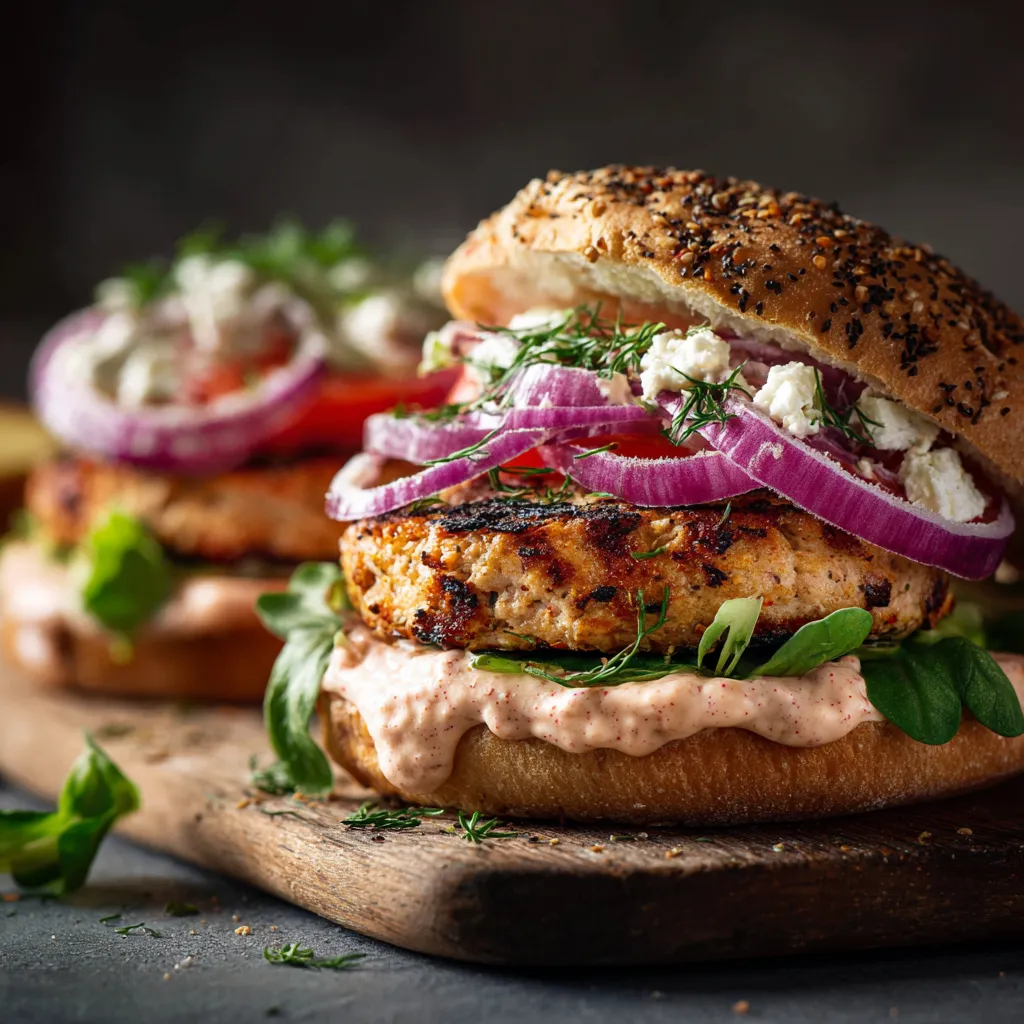
Keto Feta Burgers
Ingredients
Equipment
Method
- Prepare the Burger Mixture: In a large mixing bowl, combine the ground beef, crumbled feta cheese, egg, almond flour, Dijon mustard, garlic powder, onion powder, black pepper, and salt.
- Mix Gently: Gently mix all ingredients together until just combined. Avoid overmixing, as this can result in a tough burger.
- Form the Patties: Divide the mixture into 4 equal portions. Gently form each portion into a patty, about 3/4 inch thick. Make a slight indentation in the center of each patty to prevent them from puffing up during cooking.
- Preheat the Grill or Skillet: Preheat your grill to medium-high heat, or heat the olive oil in a skillet over medium-high heat.
- Cook the Burgers: Place the patties on the preheated grill or in the skillet. Cook for 5-7 minutes per side, or until the internal temperature reaches 160°F (71°C).
- Rest the Burgers: Remove the burgers from the grill or skillet and let them rest for 5 minutes before serving. This allows the juices to redistribute, resulting in a more tender and flavorful burger.
- Assemble and Serve: Serve the burgers on lettuce wraps or with your favorite keto-friendly toppings. Avocado slices, sugar-free ketchup, and bacon are excellent choices.