
The Sweet Science of Sweet Potato Casserole
At its heart, sweet potato casserole is a study in contrasts. We’re taking a naturally sweet vegetable, the sweet potato, and pairing it with other ingredients that either amplify or temper that sweetness. The key to success lies in understanding how these ingredients interact at a molecular level. Sweet potatoes are packed with starch, which, when cooked, converts to sugars. This is why roasting or baking them intensifies their sweetness. The traditional marshmallow topping introduces simple sugars, which, while appealing to some, can overwhelm the palate. Pecans, on the other hand, provide a nutty, earthy counterpoint, introducing fats and complex carbohydrates that create a more balanced flavor profile. The addition of spices like cinnamon, nutmeg, and ginger further enhances the sweet potato’s natural flavors, adding warmth and depth. Ultimately, the goal is to create a harmonious blend of sweet, savory, and textural elements.The Definitive Sweet Potato Casserole Recipe
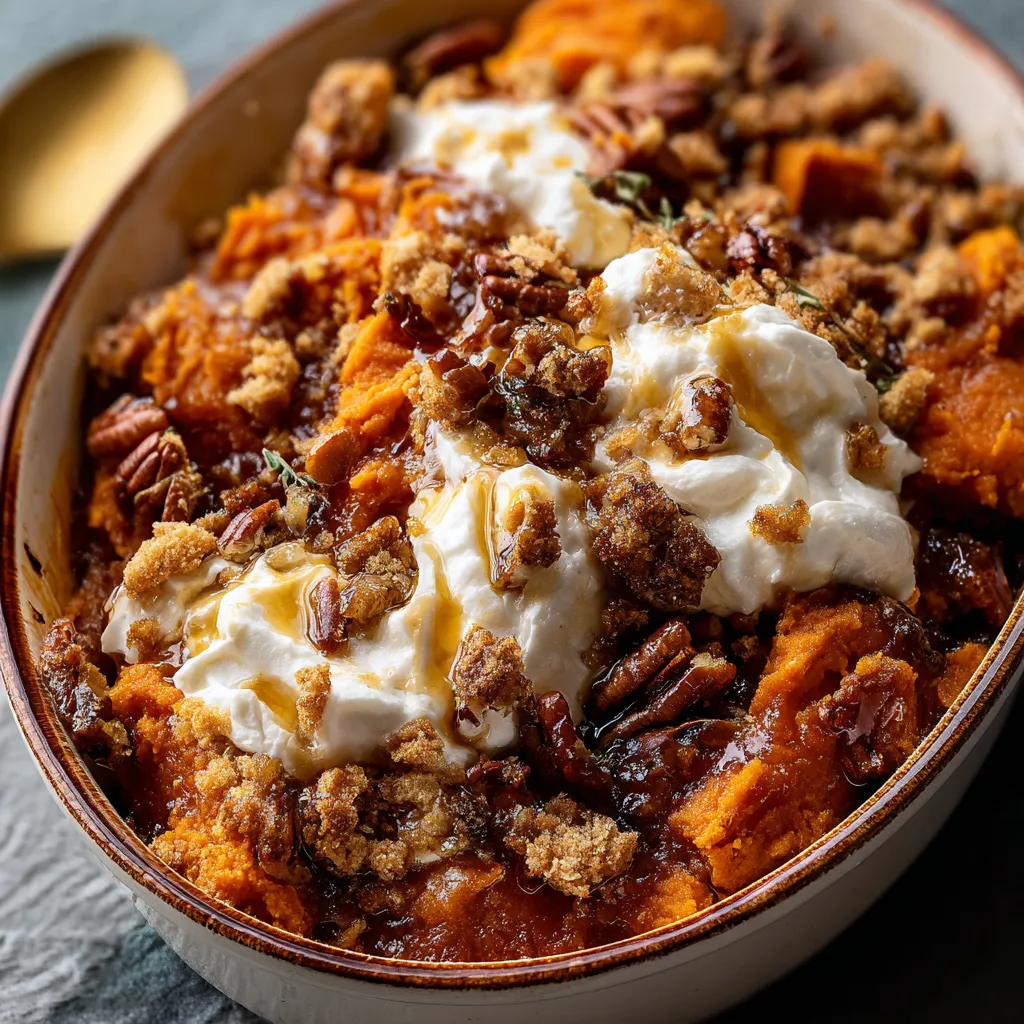 This recipe is the culmination of numerous trials and errors. It strikes the perfect balance between sweetness, spice, and texture, resulting in a sweet potato casserole that’s both comforting and sophisticated.
Ingredients:
- For the Sweet Potato Layer:
- 3 pounds sweet potatoes, peeled and cubed
- 1/2 cup unsalted butter, melted
- 1/2 cup packed brown sugar
- 1/4 cup milk (whole milk or almond milk work well)
- 1 teaspoon vanilla extract
- 1/2 teaspoon ground cinnamon
- 1/4 teaspoon ground nutmeg
- 1/4 teaspoon salt
- For the Pecan Streusel Topping:
- 1 cup all-purpose flour
- 1/2 cup packed brown sugar
- 1/2 cup unsalted butter, cold and cubed
- 1 cup chopped pecans
- 1/4 teaspoon salt
Instructions:
- Prepare the Sweet Potatoes: Preheat oven to 375°F (190°C). Boil or steam the sweet potatoes until fork-tender, about 15-20 minutes.
- Mash the Sweet Potatoes: Drain the sweet potatoes and transfer them to a large bowl. Add the melted butter, brown sugar, milk, vanilla extract, cinnamon, nutmeg, and salt. Mash until smooth and creamy. An electric mixer can also be used for a smoother consistency.
- Prepare the Pecan Streusel Topping: In a separate bowl, combine the flour, brown sugar, and salt. Cut in the cold butter using a pastry blender or your fingers until the mixture resembles coarse crumbs. Stir in the chopped pecans.
- Assemble the Casserole: Pour the mashed sweet potato mixture into a greased 9×13 inch baking dish. Sprinkle the pecan streusel topping evenly over the sweet potato layer.
- Bake: Bake for 25-30 minutes, or until the topping is golden brown and the sweet potato mixture is bubbly.
- Cool and Serve: Let the casserole cool slightly before serving.
My Sweet Potato Casserole Odyssey: A Culinary Investigation
My quest for the perfect sweet potato casserole was anything but smooth. My first few attempts were a disaster, resulting in either a soupy mess or a dry, overly sweet brick. Then, I had an “Aha!” moment: it wasn’t just about the ingredients, but about the *science* behind them.The Marshmallow Meltdown
Like many of you, I initially thought the key to a great sweet potato casserole was a generous layer of marshmallows. My first few iterations were drowning in them. The result? An overwhelmingly sweet concoction that lacked any depth or complexity. It was essentially a sugar bomb, masking the natural flavors of the sweet potato. I realized the marshmallows, while visually appealing, were detracting from the overall experience. I needed to rethink my approach.Pecans: The Savory Savior
Next, I experimented with different toppings. I tried an oat crumble, a brown sugar glaze, and even a sprinkle of toasted coconut. While these variations were improvements, they still lacked a certain “oomph.” Then, I turned to pecans. The nutty, earthy flavor of the pecans provided the perfect counterpoint to the sweetness of the sweet potatoes. The texture, too, was a welcome addition, providing a satisfying crunch that contrasted with the creamy sweet potato base. This was a major breakthrough.Spice is Right
Another critical element was the spice blend. At first, I relied solely on cinnamon. However, the flavor was one-dimensional. I started experimenting with other spices, such as nutmeg, ginger, and even a pinch of cloves. The addition of these spices added warmth and depth to the casserole, enhancing the sweet potato’s natural flavors without overpowering them. I found that a balanced combination of cinnamon, nutmeg, and a touch of ginger created the most complex and satisfying flavor profile.The Great Milk Debate
The consistency of the sweet potato base also presented a challenge. Too much liquid, and the casserole would be soupy. Too little, and it would be dry and dense. I experimented with different types of milk, including whole milk, almond milk, and even a splash of cream. I found that whole milk provided the best balance of richness and moisture, while almond milk offered a lighter alternative without sacrificing flavor. The key was to add the milk gradually, until the sweet potato mixture reached the desired consistency. I also realized using melted butter instead of softened made a big difference in the final texture.Roasting vs. Boiling: The Texture Test
Finally, I tackled the method of cooking the sweet potatoes. I tried roasting them, which intensified their sweetness, and boiling them, which resulted in a milder flavor. While roasting produced a more flavorful sweet potato, it also made the casserole slightly drier. Boiling, on the other hand, retained more moisture, resulting in a creamier texture. Ultimately, I opted for boiling, as it allowed me to better control the moisture content of the casserole. Plus, it was significantly faster! However, if you love an intense sweet potato flavor, roasting is definitely worth a try. You can also consider using leftover sweet potatoes from meals like Smoky Bbq Chicken Sweet Potato Bowl or Honey Garlic Sausage Sweet Potato Bake. Just be sure to adjust the sweetness of the casserole accordingly. You could even use a Chicken Sweet Potato Power Bowl as inspiration for a savory casserole variation! Some people even enjoy savory potato dishes similar to this casserole, like the Ground Turkey Potato Skillet. I even considered trying to make a sweet potato casserole like the Cheesy Ground Beef Potato Casserole, but using sweet potatoes.The Foolproof Method: Achieving Sweet Potato Casserole Perfection
After countless experiments, I’ve distilled the process into a simple, foolproof method:- Choose the Right Sweet Potatoes: Look for firm, unblemished sweet potatoes with smooth skin.
- Boil, Don’t Bake (Unless You’re Feeling Adventurous): Boiling ensures a moist and creamy base. Roast if you prefer a more intense sweet potato flavor, but adjust the moisture accordingly.
- Balance the Sweetness: Don’t rely solely on sugar. Incorporate spices like cinnamon, nutmeg, and ginger to add depth and complexity.
- Embrace the Pecan Streusel: The nutty, crunchy topping provides the perfect textural and flavor contrast to the creamy sweet potato base.
- Don’t Overbake: Bake until the topping is golden brown and the sweet potato mixture is bubbly. Overbaking will result in a dry casserole.
- Let it Rest: Allow the casserole to cool slightly before serving. This allows the flavors to meld and the texture to set.
Why does the recipe call for boiling the sweet potatoes instead of roasting them?
Boiling the sweet potatoes ensures a moist and creamy base for the casserole. Roasting intensifies their sweetness but can also make the casserole drier. However, the article suggests roasting if you prefer a more intense sweet potato flavor.
The article mentions different toppings. Why does the final recipe use a pecan streusel topping?
The pecan streusel topping provides a nutty, earthy flavor and a satisfying crunch that contrasts with the creamy sweet potato base, creating a more balanced and texturally interesting casserole than other toppings like marshmallows.
What spices are recommended to balance the sweetness of the sweet potatoes?
The article recommends a balanced combination of cinnamon, nutmeg, and a touch of ginger to add warmth and depth to the casserole, enhancing the sweet potato’s natural flavors without overpowering them.
What kind of milk is best to use in the sweet potato casserole?
Whole milk provides the best balance of richness and moisture, while almond milk offers a lighter alternative without sacrificing flavor. Add the milk gradually until the sweet potato mixture reaches the desired consistency.
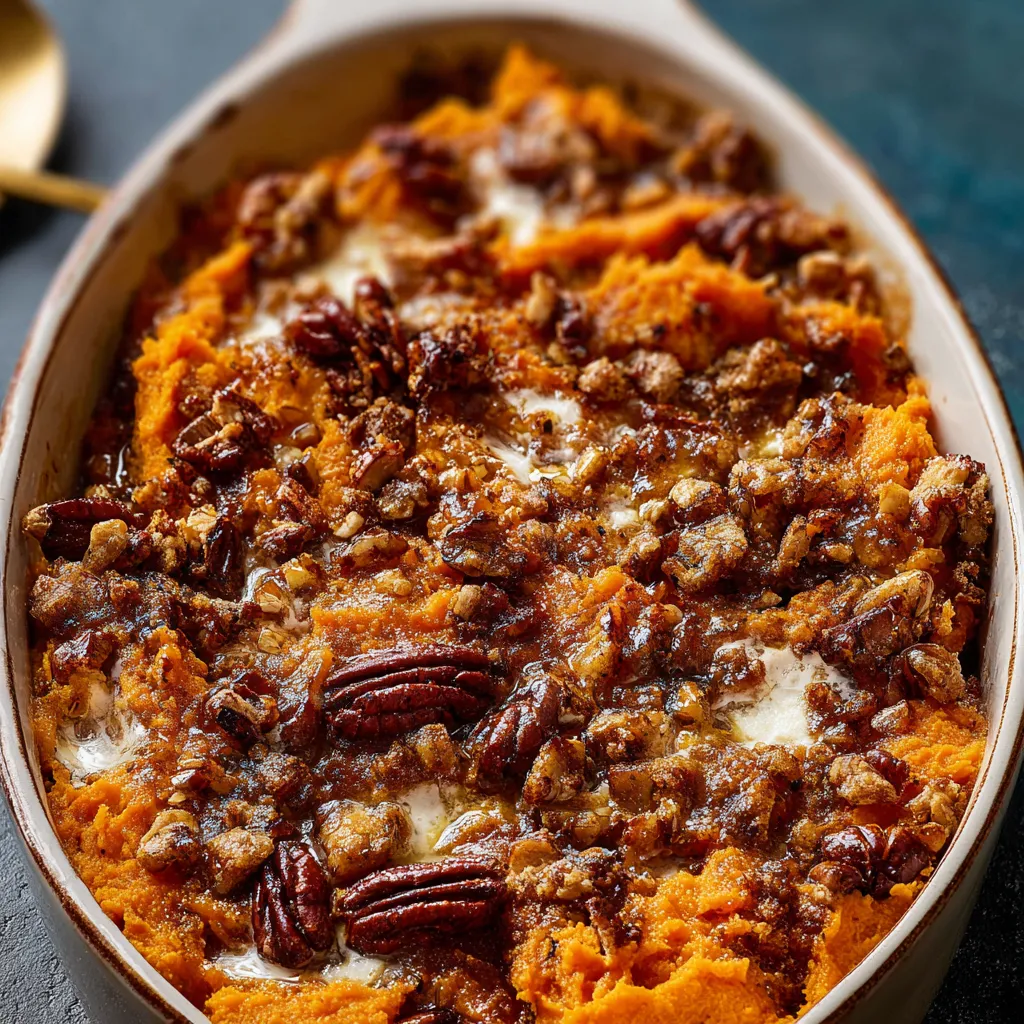
BEST SWEET POTATO CASSEROLE
Ingredients
Equipment
Method
- Preheat oven to 375°F (190°C).
- Boil or steam the sweet potatoes until fork-tender, about 15-20 minutes.
- Drain the sweet potatoes and transfer them to a large bowl.
- Add the melted butter, brown sugar, milk, vanilla extract, cinnamon, nutmeg, and salt.
- Mash until smooth and creamy. An electric mixer can also be used for a smoother consistency.
- In a separate bowl, combine the flour, brown sugar, and salt.
- Cut in the cold butter using a pastry blender or your fingers until the mixture resembles coarse crumbs.
- Stir in the chopped pecans.
- Pour the mashed sweet potato mixture into a greased 9×13 inch baking dish.
- Sprinkle the pecan streusel topping evenly over the sweet potato layer.
- Bake for 25-30 minutes, or until the topping is golden brown and the sweet potato mixture is bubbly.
- Let the casserole cool slightly before serving.