
Unlocking the Creamy Code: The Science Behind the Sauce
The key to a truly exceptional Creamy Parmesan Chicken lies in understanding the science of emulsion and the Maillard reaction. Let’s break it down:- Emulsion: The creamy sauce isn’t just cream poured over pasta. It’s an emulsion, a stable mixture of oil (from butter or olive oil) and water (from chicken broth or cream). Emulsifiers, like the starch in the pasta water and the proteins in the Parmesan cheese, help bind these two liquids together, preventing them from separating and creating a luscious, velvety texture. If you don’t get the emulsion right, you’ll end up with a greasy, broken sauce.
- Maillard Reaction: This is where the magic happens. The Maillard reaction is a chemical reaction between amino acids and reducing sugars that gives browned food its distinctive flavor. Searing the chicken properly, achieving a golden-brown crust, is crucial. This browning isn’t just for aesthetics; it creates hundreds of flavor compounds that contribute to the overall richness of the dish. Think of it like this: a bland, boiled chicken breast will never deliver the same depth of flavor as a perfectly seared one. This is precisely why the Garlic Parmesan Chicken Recipe is so delicious, it relies heavily on the Maillard reaction.
- Parmesan Power: Parmesan cheese isn’t just a garnish; it’s a flavor bomb and a crucial emulsifier. Aged Parmesan, with its complex flavor profile and high protein content, is your best bet. Freshly grated Parmesan melts more smoothly and contributes more flavor than the pre-shredded stuff, which often contains cellulose to prevent clumping and hinders proper melting.
- Starch Symphony: Don’t underestimate the power of pasta water! That starchy liquid is liquid gold. It helps thicken the sauce and bind it to the pasta, creating a cohesive and flavorful dish.
The Holy Grail: Creamy Parmesan Chicken with Rigatoni Recipe
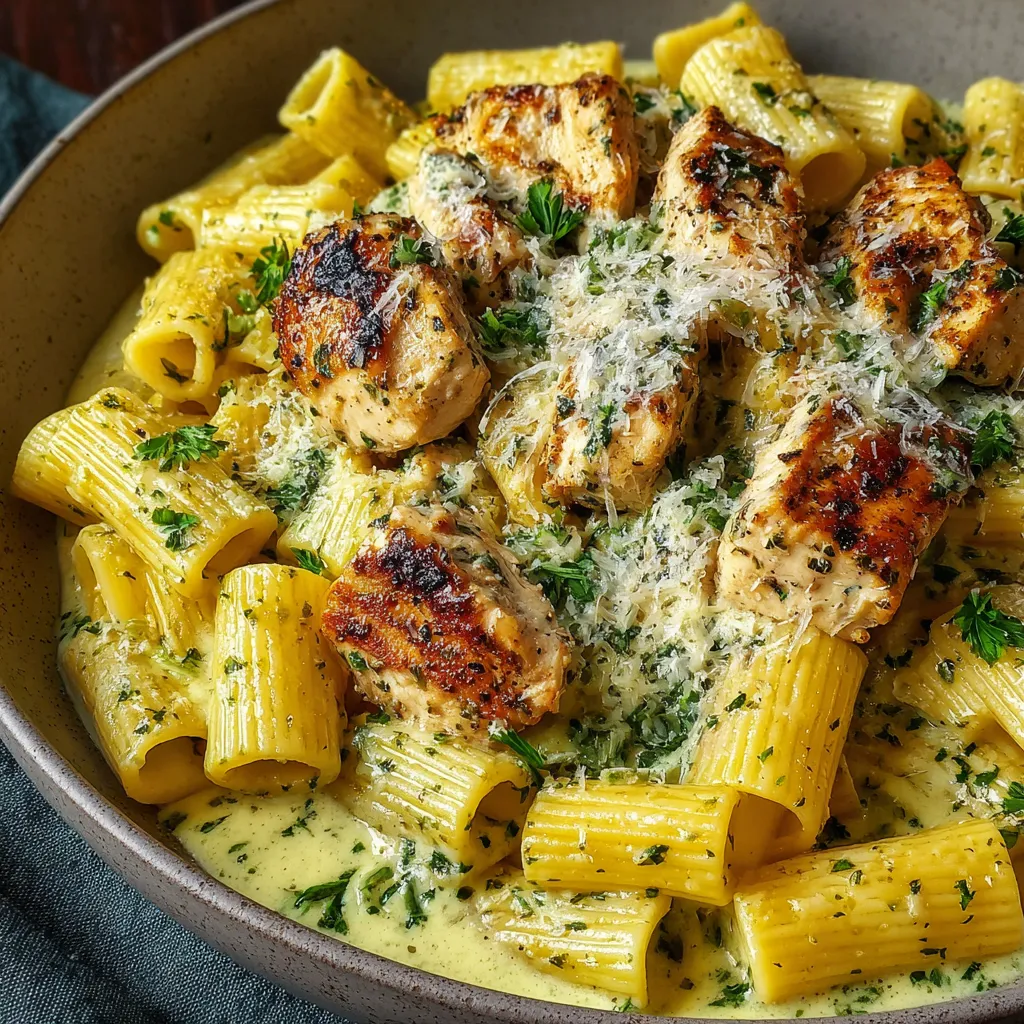 Here’s the recipe I’ve painstakingly developed to deliver that restaurant-quality experience at home:
Ingredients:
- 1.5 lbs boneless, skinless chicken breasts, cut into 1-inch pieces
- 1 lb rigatoni pasta
- 1/2 cup all-purpose flour
- 1 tsp garlic powder
- 1 tsp onion powder
- 1/2 tsp paprika
- Salt and pepper to taste
- 4 tbsp olive oil, divided
- 4 tbsp butter
- 4 cloves garlic, minced
- 1 cup chicken broth
- 1 cup heavy cream
- 1 cup freshly grated Parmesan cheese, plus more for garnish
- 1/4 cup chopped fresh parsley, for garnish
Instructions:
- Prepare the Chicken: In a large bowl, combine flour, garlic powder, onion powder, paprika, salt, and pepper. Dredge the chicken pieces in the flour mixture, ensuring they are evenly coated.
- Sear the Chicken: Heat 2 tbsp of olive oil in a large skillet over medium-high heat. Add the chicken in a single layer (work in batches if necessary) and sear for 3-4 minutes per side, or until golden brown and cooked through. Remove the chicken from the skillet and set aside.
- Cook the Pasta: While the chicken is searing, cook the rigatoni pasta according to package directions in salted boiling water until al dente. Reserve about 1 cup of pasta water before draining.
- Create the Sauce: In the same skillet, melt the butter over medium heat. Add the minced garlic and sauté for about 30 seconds, until fragrant. Be careful not to burn the garlic.
- Build the Creaminess: Pour in the chicken broth and deglaze the pan, scraping up any browned bits from the bottom. Let it simmer for a minute or two.
- Emulsify: Reduce the heat to low and stir in the heavy cream. Gradually add the Parmesan cheese, stirring constantly until it’s melted and the sauce is smooth.
- Combine and Conquer: Add the cooked chicken back to the skillet with the sauce. Toss to coat.
- Perfect the Texture: Add the drained pasta to the skillet. Toss everything together, adding some of the reserved pasta water, a little at a time, until the sauce reaches your desired consistency.
- Serve and Enjoy: Garnish with fresh parsley and extra Parmesan cheese. Serve immediately.
My Creamy Quest: A Culinary Investigation
My journey to perfecting this dish was… bumpy, to say the least. My first few attempts were a disaster. The sauce was either too thin and watery or so thick it resembled cement. The chicken was often dry and flavorless. Then, I had an “Aha!” moment.The Great Sauce Separation Scandal
Like many of you, I initially thought that simply throwing all the ingredients into a pan would magically create a creamy, dreamy sauce. I was wrong. Terribly wrong. My first few attempts resulted in a separated sauce, with a greasy layer floating on top. It was unappetizing, to say the least. The solution? Emulsification! Understanding the role of starch and Parmesan was a game-changer. Reserving pasta water and adding the Parmesan gradually, while stirring constantly, made all the difference. I even experimented with a touch of cream cheese for extra stability, similar to the technique used in the Chicken Broccoli Alfredo Bake, but ultimately found that the pasta water and Parmesan were sufficient.The Chicken Catastrophe
My initial chicken was…sad. Pale, dry, and utterly lacking in flavor. I realized that I wasn’t searing it properly. I was overcrowding the pan, which steamed the chicken instead of browning it. The solution? Sear the chicken in batches, ensuring there’s enough space in the pan to allow for proper browning. Dredging the chicken in seasoned flour was also crucial, creating a flavorful crust that locked in moisture. I also found that using chicken thighs instead of breasts resulted in a more tender and flavorful dish, but I stuck with breasts in the final recipe for simplicity and wider appeal. This is a problem the Garlic Parmesan Crockpot Chicken avoids entirely, due to the slow cooking process ensuring maximum moisture.The Parmesan Predicament
I initially used pre-shredded Parmesan cheese, which, while convenient, resulted in a grainy sauce. The pre-shredded cheese didn’t melt properly, leaving little clumps in the sauce. The solution? Freshly grated Parmesan cheese. It melts smoothly and contributes far more flavor. It’s a bit more work, but the results are well worth the effort. Trying to achieve this same rich flavor profile, but in a baked form, is why the Chicken Parmesan Casserole is such a family favorite.The Garlic Gamble
Burnt garlic is the enemy of deliciousness. My first attempt involved throwing the garlic in at the beginning and letting it burn to a crisp. The solution? Add the garlic after melting the butter and sauté it briefly, just until fragrant. This prevents it from burning and ensures its flavor infuses the sauce without bitterness.The Foolproof Formula: The Technique in a Nutshell
Here’s the foolproof method, distilled from my trials and tribulations:- Sear the Chicken Right: Dredge the chicken in seasoned flour and sear it in batches in a hot skillet until golden brown and cooked through. Don’t overcrowd the pan!
- Sauté the Garlic Gently: Sauté the minced garlic in butter until fragrant, but be careful not to burn it.
- Deglaze the Pan: Use chicken broth to deglaze the pan, scraping up any browned bits for maximum flavor.
- Emulsify Like a Pro: Gradually add the Parmesan cheese to the cream sauce, stirring constantly until it’s melted and smooth.
- Starch is Your Friend: Reserve pasta water and add it to the sauce, a little at a time, until it reaches your desired consistency.
- Fresh is Best: Use freshly grated Parmesan cheese for the best flavor and texture.
- Don’t Overcook the Pasta: Cook the rigatoni until al dente. It will continue to cook slightly in the sauce.
What is the key to making the creamy sauce in this recipe?
The key to a truly exceptional Creamy Parmesan Chicken lies in understanding the science of emulsion. It involves creating a stable mixture of oil and water, using emulsifiers like starch from pasta water and proteins in Parmesan cheese, to prevent separation and create a velvety texture.
Why is searing the chicken so important in this recipe?
Searing the chicken properly, achieving a golden-brown crust, is crucial because of the Maillard reaction. This browning creates hundreds of flavor compounds that contribute to the overall richness of the dish, providing a depth of flavor that a bland, boiled chicken breast cannot.
Why does the recipe emphasize using freshly grated Parmesan cheese?
Freshly grated Parmesan cheese melts more smoothly and contributes more flavor than pre-shredded Parmesan. Pre-shredded cheese often contains cellulose to prevent clumping, which hinders proper melting.
What is the importance of reserving pasta water in this recipe?
Pasta water is liquid gold! That starchy liquid helps thicken the sauce and bind it to the pasta, creating a cohesive and flavorful dish.
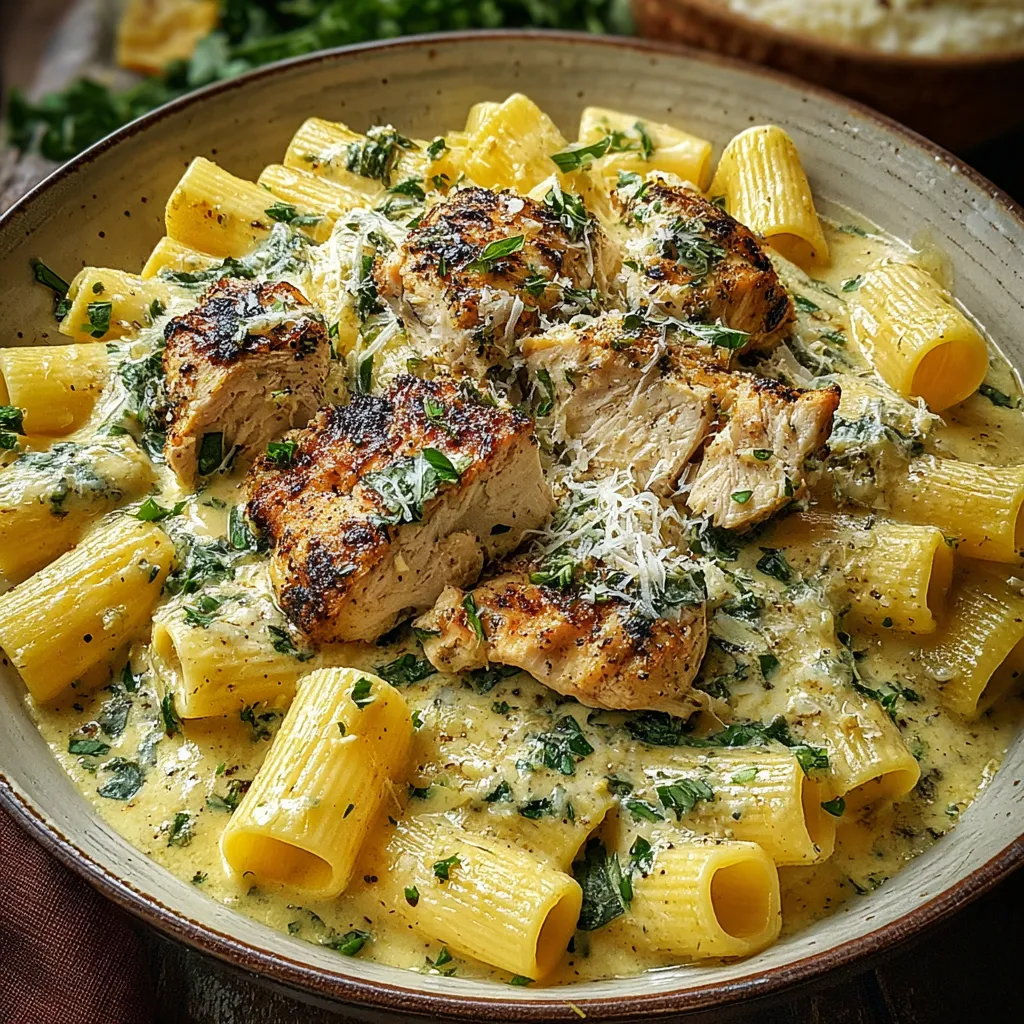
Easy Creamy Parmesan Chicken with Rigatoni Pasta
Ingredients
Equipment
Method
- Prepare the Chicken: In a large bowl, combine flour, garlic powder, onion powder, paprika, salt, and pepper. Dredge the chicken pieces in the flour mixture, ensuring they are evenly coated.
- Sear the Chicken: Heat 2 tbsp of olive oil in a large skillet over medium-high heat. Add the chicken in a single layer (work in batches if necessary) and sear for 3-4 minutes per side, or until golden brown and cooked through. Remove the chicken from the skillet and set aside.
- Cook the Pasta: While the chicken is searing, cook the rigatoni pasta according to package directions in salted boiling water until al dente. Reserve about 1 cup of pasta water before draining.
- Create the Sauce: In the same skillet, melt the butter over medium heat. Add the minced garlic and sauté for about 30 seconds, until fragrant. Be careful not to burn the garlic.
- Build the Creaminess: Pour in the chicken broth and deglaze the pan, scraping up any browned bits from the bottom. Let it simmer for a minute or two.
- Emulsify: Reduce the heat to low and stir in the heavy cream. Gradually add the Parmesan cheese, stirring constantly until it’s melted and the sauce is smooth.
- Combine and Conquer: Add the cooked chicken back to the skillet with the sauce. Toss to coat.
- Perfect the Texture: Add the drained pasta to the skillet. Toss everything together, adding some of the reserved pasta water, a little at a time, until the sauce reaches your desired consistency.
- Serve and Enjoy: Garnish with fresh parsley and extra Parmesan cheese. Serve immediately.