
Unlocking the Secrets of the Perfect Melt
The key to an exceptional Swiss mushroom melt lies in understanding the interplay of flavors and textures. It’s not just about slapping some cheese and mushrooms between bread. We’re talking about a delicate balance of savory, earthy, and umami notes, all harmonizing to create a culinary symphony. The science boils down to a few crucial elements: Maillard reaction (browning), moisture control, cheese selection, and the role of acid. The Maillard reaction, the browning of the mushrooms, creates hundreds of flavor compounds. If you don’t achieve proper browning, your melt will lack depth. Moisture control is critical because excess moisture leads to a soggy, unappetizing mess. The right cheese, specifically Swiss, provides a nutty, slightly tangy counterpoint to the earthy mushrooms. A touch of acidity, often achieved with a squeeze of lemon juice or a splash of dry white wine, brightens the flavors and prevents the melt from becoming too heavy. Finally, bread choice matters. A sturdy bread that can hold its shape and texture under the weight of the fillings is essential.The Ultimate Swiss Mushroom Melt Recipe
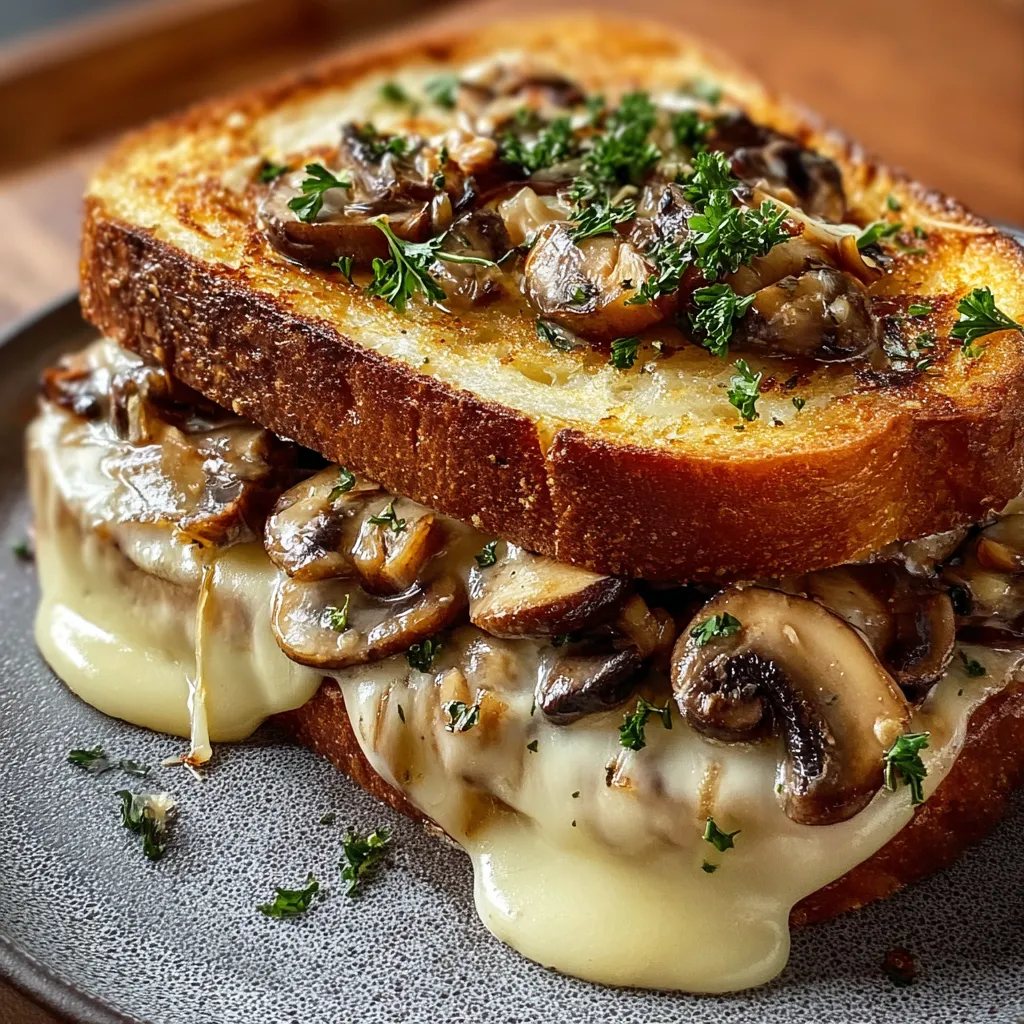 This recipe is the culmination of countless experiments and taste tests. Follow it closely, and you’ll be rewarded with a melt that’s truly exceptional.
Ingredients:
- 1 tablespoon olive oil
- 1 pound cremini mushrooms, sliced
- 1/2 teaspoon salt
- 1/4 teaspoon black pepper
- 1 small onion, thinly sliced
- 2 cloves garlic, minced
- 1 tablespoon butter
- 1 tablespoon all-purpose flour
- 1/2 cup vegetable broth
- 1/4 cup dry white wine (optional, but highly recommended)
- 1 tablespoon Worcestershire sauce
- 1 teaspoon Dijon mustard
- 1 tablespoon fresh thyme leaves
- 8 slices Swiss cheese
- 8 slices sourdough bread
- 2 tablespoons butter, softened, for spreading on bread
Instructions:
- Prepare the Mushrooms: Heat the olive oil in a large skillet over medium-high heat. Add the sliced mushrooms, salt, and pepper. Cook, stirring occasionally, until the mushrooms are browned and have released their moisture, about 8-10 minutes. Don’t overcrowd the pan; work in batches if necessary.
- Sauté the Aromatics: Add the sliced onion to the skillet and cook until softened and translucent, about 5 minutes. Add the minced garlic and cook for another minute until fragrant.
- Make the Creamy Sauce: Melt the butter in the skillet. Whisk in the flour and cook for 1 minute to create a roux. Gradually whisk in the vegetable broth and white wine (if using), ensuring there are no lumps. Bring to a simmer and cook until the sauce has thickened slightly, about 2-3 minutes.
- Add Flavor: Stir in the Worcestershire sauce, Dijon mustard, and fresh thyme leaves. Taste and adjust seasonings as needed.
- Assemble the Melts: Spread the softened butter on one side of each slice of bread. Place four slices of bread, butter-side down, in a clean skillet over medium heat. Top each slice with two slices of Swiss cheese, a generous portion of the mushroom mixture, and another two slices of Swiss cheese.
- Grill the Melts: Top with the remaining slices of bread, butter-side up. Cook until the bread is golden brown and the cheese is melted and gooey, about 3-4 minutes per side. If the bread is browning too quickly, reduce the heat to medium-low.
- Serve Immediately: Slice the melts in half and serve immediately. Enjoy!
My Culinary Quest: The Swiss Mushroom Melt Saga
My journey to the perfect Swiss mushroom melt was not a straight line. It was more like a winding, mushroom-studded path filled with culinary potholes and occasional bursts of flavor genius.The Soggy Beginnings
My first few attempts were a disaster. Like many of you, I initially thought you just needed to throw some mushrooms and cheese on bread and call it a day. The result? A soggy, flavorless mess. The mushrooms released way too much moisture, turning the bread into a sponge. The cheese, while melted, lacked any real character. I even tried adding a little bit of beef and onions like I would for a Beefy Philly Cheesesteak Casserole, hoping it would add some flavor but it just made the whole thing more complicated.The Browning Revelation
Then, I had an “Aha!” moment. I realized the key was to properly brown the mushrooms. I started cooking them in batches, ensuring each mushroom had enough space to caramelize and develop those rich, earthy flavors. This step alone made a world of difference. The Maillard reaction truly is a game-changer.The Moisture Mystery
Next, I tackled the moisture issue. I discovered that cooking the mushrooms over high heat and not overcrowding the pan were crucial. This allowed the moisture to evaporate quickly, preventing the mushrooms from becoming waterlogged. Draining the mushrooms after cooking further helped eliminate excess liquid. Maybe I could use the mushroom juice to make a soup, similar to Crockpot Cheeseburger Soup?The Cheese Conundrum
The cheese was another area of experimentation. I tried various types of Swiss, from baby Swiss to aged Gruyere. I found that a good-quality Swiss with a slightly nutty flavor profile worked best. The tanginess of the Swiss cuts through the richness of the mushrooms, creating a balanced flavor. I almost considered adding cheddar cheese like you would in a Cheeseburger Pie, but it didn’t seem right.The Acidic Awakening
Finally, I realized the melt needed a touch of brightness. A squeeze of lemon juice or a splash of dry white wine added a subtle acidity that elevated the flavors. This small addition made a huge impact, preventing the melt from becoming too heavy or monotonous. You could also use Worcestershire sauce to get a similar effect, but I’d suggest trying it with the wine first. I find a glass of wine goes very nicely with some French Dip Sandwiches, so why not add it to my recipe!The Foolproof Formula for Swiss Mushroom Melt Mastery
After countless iterations, I’ve distilled the process into a simple, foolproof technique:- Brown the Mushrooms: Cook the mushrooms in batches over high heat to ensure proper browning and flavor development.
- Control the Moisture: Don’t overcrowd the pan, and drain the mushrooms after cooking.
- Sauté Aromatics: Add onions and garlic to the pan for additional flavor depth.
- Creamy Dreamy: Create a creamy sauce using butter, flour, vegetable broth, and a splash of dry white wine.
- Acid is Key: Add a squeeze of lemon juice or a splash of dry white wine to brighten the flavors.
- Cheese Selection: Use a good-quality Swiss cheese with a slightly nutty flavor profile.
- Bread Matters: Choose a sturdy bread, such as sourdough, that can hold its shape and texture.
- Butter the Bread: Butter the outside of the bread for a golden-brown, crispy crust.
- Grill to Perfection: Cook the melt over medium heat until the bread is golden brown and the cheese is melted and gooey.
- Serve Immediately: Slice the melt in half and serve immediately. Enjoy the fruits of your labor!
What are the key elements to making a truly exceptional Swiss mushroom melt?
The key elements are the Maillard reaction (browning of the mushrooms), moisture control, cheese selection (specifically Swiss), and the addition of acidity from lemon juice or dry white wine.
Why is browning the mushrooms so important?
Browning the mushrooms, the Maillard reaction, creates hundreds of flavor compounds. Without proper browning, the melt will lack depth and flavor.
What type of bread is best for a Swiss mushroom melt, and why?
A sturdy bread, such as sourdough, is best because it can hold its shape and texture under the weight of the fillings.
How do you prevent a Swiss mushroom melt from becoming soggy?
To prevent sogginess, cook the mushrooms over high heat in batches to avoid overcrowding the pan, allowing the moisture to evaporate. Draining the mushrooms after cooking can also help.
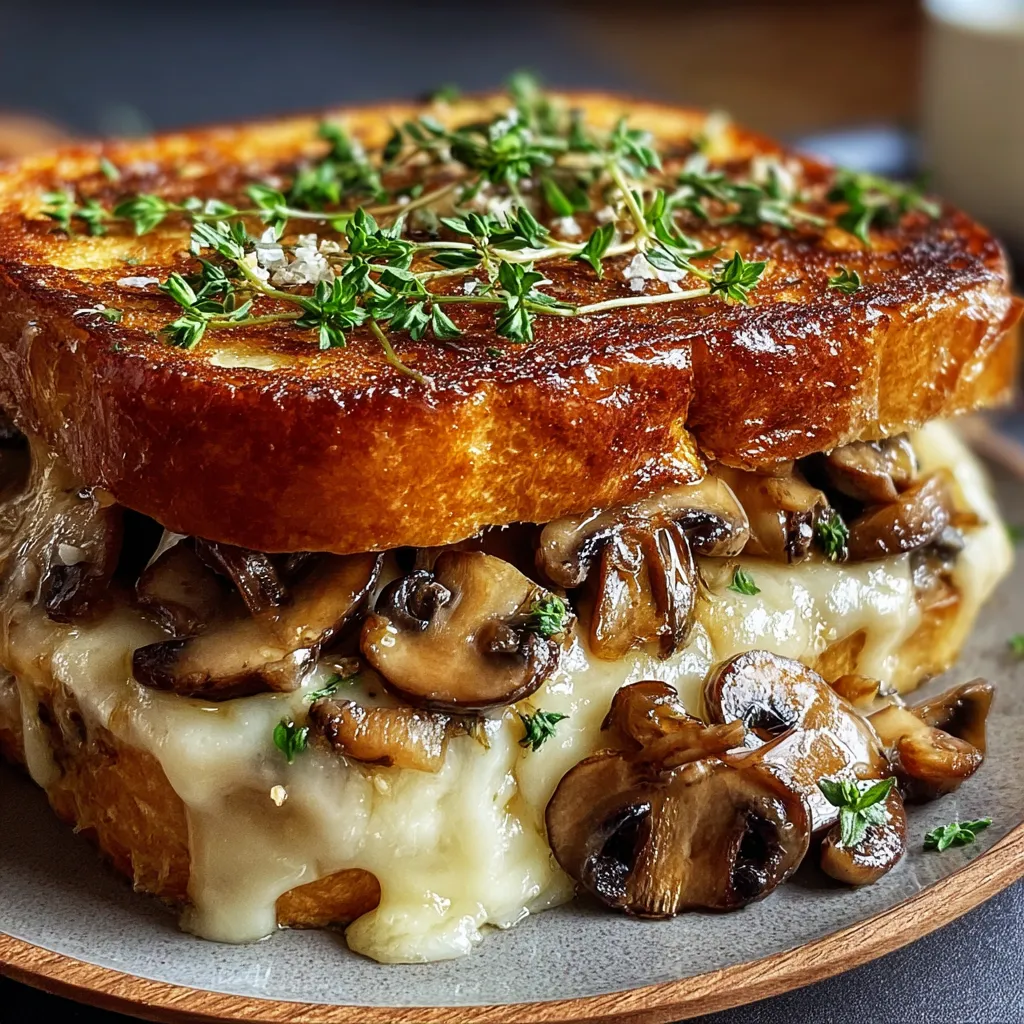
Easy Swiss Mushroom Melt
This recipe delivers a savory and satisfying Swiss Mushroom Melt with browned mushrooms, a creamy sauce, and nutty Swiss cheese. It emphasizes proper browning, moisture control, and a touch of acidity to create a balanced and flavorful melt.
Ingredients
Equipment
Method
- Heat the olive oil in a large skillet over medium-high heat.
- Add the sliced mushrooms, salt, and pepper. Cook, stirring occasionally, until the mushrooms are browned and have released their moisture, about 8-10 minutes. Don’t overcrowd the pan; work in batches if necessary.
- Add the sliced onion to the skillet and cook until softened and translucent, about 5 minutes.
- Add the minced garlic and cook for another minute until fragrant.
- Melt the butter in the skillet.
- Whisk in the flour and cook for 1 minute to create a roux.
- Gradually whisk in the vegetable broth and white wine (if using), ensuring there are no lumps.
- Bring to a simmer and cook until the sauce has thickened slightly, about 2-3 minutes.
- Stir in the Worcestershire sauce, Dijon mustard, and fresh thyme leaves. Taste and adjust seasonings as needed.
- Spread the softened butter on one side of each slice of bread.
- Place four slices of bread, butter-side down, in a clean skillet over medium heat.
- Top each slice with two slices of Swiss cheese, a generous portion of the mushroom mixture, and another two slices of Swiss cheese.
- Top with the remaining slices of bread, butter-side up.
- Cook until the bread is golden brown and the cheese is melted and gooey, about 3-4 minutes per side. If the bread is browning too quickly, reduce the heat to medium-low.
- Slice the melts in half and serve immediately.
Notes
For best results, use high-quality Swiss cheese with a nutty flavor. Cooking the mushrooms in batches ensures proper browning and prevents sogginess. If you don’t have dry white wine, a squeeze of lemon juice can be used instead. Store any leftover mushroom mixture in an airtight container in the refrigerator for up to 3 days.