
The Alchemy of Creaminess: A Scientific Deep Dive
At its heart, Chicken Garlic Parmesan Pasta is a study in emulsion. We’re trying to combine water-based pasta water with fat-based butter and cheese to create a stable, luscious sauce. This is where the science comes in. The key to a successful emulsion lies in controlling temperature and using an emulsifier. The starch from the pasta water acts as our natural emulsifier, helping the fat and water molecules bind together. Heat, however, can be our enemy. Too much heat and the emulsion breaks, leading to a greasy, separated mess. Parmesan cheese, being a hard, aged cheese, also plays a crucial role. It melts differently than, say, mozzarella. Its higher protein content helps stabilize the sauce, but overcooking it can cause it to become stringy or clumpy. Garlic, while primarily a flavor component, contributes its own complexity. Its allicin, the compound responsible for its pungent aroma, is heat-sensitive. Overcooking garlic results in a bitter taste, undermining the entire dish. Finally, the chicken. Pre-cooking the chicken using methods like searing or baking ensures it’s fully cooked and provides a delicious, textural contrast to the creamy pasta. Think of it like balancing a chemical equation: each ingredient must be carefully measured and treated to achieve the desired result.The Ultimate Chicken Garlic Parmesan Pasta Recipe
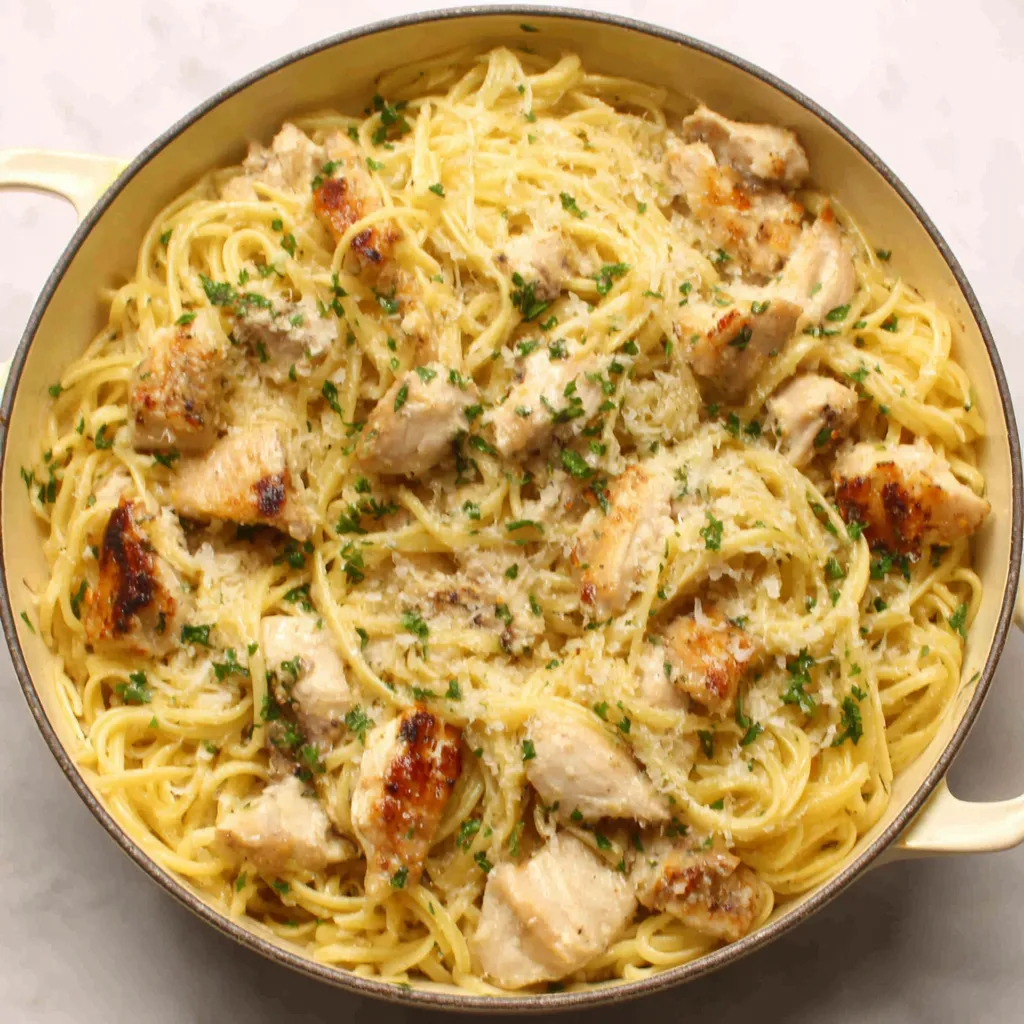 This recipe is the culmination of numerous trials and errors, and it delivers a consistently perfect Chicken Garlic Parmesan Pasta.
Yields:
4 servingsPrep time:
15 minutesCook time:
25 minutesIngredients:
- 1 pound boneless, skinless chicken breasts, cut into bite-sized pieces
- 1 pound pasta (fettuccine, spaghetti, or penne work well)
- 4 tablespoons butter
- 4 cloves garlic, minced
- 1 cup heavy cream
- 1 cup grated Parmesan cheese, plus more for serving
- 1/2 cup reserved pasta water
- 1/4 cup chopped fresh parsley
- 1 teaspoon salt, or to taste
- 1/2 teaspoon black pepper, or to taste
- 1 tablespoon olive oil
- Optional: Red pepper flakes, for a touch of heat
Equipment:
- Large pot
- Large skillet
- Colander
Instructions:
- Cook the pasta: Bring a large pot of salted water to a boil. Add the pasta and cook according to package directions until al dente. Reserve 1/2 cup of pasta water before draining.
- Cook the chicken: While the pasta is cooking, heat olive oil in a large skillet over medium-high heat. Add the chicken and cook until golden brown and cooked through, about 5-7 minutes. Season with salt and pepper. Remove chicken from skillet and set aside.
- Make the sauce: In the same skillet, melt the butter over medium heat. Add the minced garlic and cook until fragrant, about 30 seconds. Be careful not to burn the garlic.
- Combine ingredients: Pour in the heavy cream and bring to a simmer. Reduce heat to low and stir in the Parmesan cheese until melted and smooth.
- Incorporate pasta water: Gradually add the reserved pasta water, stirring continuously, until the sauce reaches your desired consistency. This usually takes about half a cup, but you can add more if needed.
- Add chicken and pasta: Add the cooked chicken and drained pasta to the skillet with the sauce. Toss to coat everything evenly.
- Garnish and serve: Stir in the chopped parsley. Season with additional salt and pepper to taste. Serve immediately, garnished with extra Parmesan cheese and red pepper flakes (optional).
My Chicken Garlic Parmesan Pasta Odyssey: From Disaster to Delicious
My quest for the perfect Chicken Garlic Parmesan Pasta wasn’t a straight line. My first few attempts were a disaster – either the sauce was too thin and watery, or it separated into an oily mess. Like many of you, I initially thought more cream equaled better sauce. I was wrong.The Soggy Start
Initially, I was using too much cream and not enough pasta water. The sauce was bland and tasted overwhelmingly of dairy. The chicken, often overcooked in my haste, was dry and rubbery. It was a far cry from the creamy, cheesy goodness I craved. I even tried different kinds of pasta, wondering if that was the issue. I remember thinking, maybe I should just give up and order some Olive Garden Chicken Pasta instead!The Great Garlic Blunder
Next, I focused on the garlic. I thought more garlic would equal more flavor, so I piled it in. Big mistake. The garlic burned, turning bitter and ruining the entire dish. It was a harsh lesson in the importance of controlling heat and paying attention to the nuances of each ingredient. It was at this point that I started to really think about the science involved.The Pasta Water Revelation
Then, I had an “Aha!” moment while watching a cooking show. The chef emphasized the importance of pasta water in creating a creamy sauce. Suddenly, everything clicked. The starch in the pasta water was the key to emulsifying the sauce. I started reserving pasta water, adding it gradually to the sauce, and the transformation was incredible. The sauce became thicker, richer, and clung beautifully to the pasta. This was a game-changer. I realized I also needed to experiment with different methods of preparing the chicken. I tried a Garlic Parmesan Chicken Recipe separately, then adding it to the pasta. While delicious, it felt like two separate dishes.The Chicken Breakthrough
Finally, I decided to cut the chicken into bite-sized pieces and sauté them directly in the pan before making the sauce. This allowed the chicken to cook quickly and evenly, while also infusing the pan with its flavorful juices. The result was a perfect balance of creamy sauce, tender chicken, and al dente pasta. I even thought about creating something like Tuscan Chicken Pasta by adding sun-dried tomatoes, but I decided to stick to the classic.The Foolproof Technique: A Step-by-Step Guide to Creamy Perfection
After numerous experiments, I’ve distilled the process into a simple, foolproof technique. Follow these steps, and you’ll achieve Chicken Garlic Parmesan Pasta perfection every time.- Don’t overcook the pasta: Cook the pasta al dente. It will continue to cook slightly in the sauce.
- Reserve the pasta water: Before draining the pasta, reserve at least 1/2 cup of the cooking water. This is liquid gold!
- Cook the garlic gently: Sauté the garlic over medium heat until fragrant, but don’t let it brown or burn. This prevents bitterness.
- Add pasta water gradually: Add the reserved pasta water to the sauce a little at a time, stirring constantly, until you reach your desired consistency.
- Use freshly grated Parmesan: Pre-shredded Parmesan often contains cellulose, which can prevent it from melting smoothly. Freshly grated Parmesan will melt beautifully into the sauce.
- Don’t boil the sauce after adding cheese: Boiling the sauce after adding the Parmesan can cause it to separate or become stringy. Keep the heat low and simmer gently.
- Season to taste: Don’t be afraid to season the dish with salt, pepper, and other spices to your liking. A pinch of red pepper flakes can add a nice touch of heat.
What is the key to achieving a creamy Chicken Garlic Parmesan Pasta sauce without it becoming greasy or separated?
The key lies in creating a stable emulsion by controlling temperature and using an emulsifier. The starch from the reserved pasta water acts as a natural emulsifier, helping the fat and water molecules bind together. Avoid overheating the sauce, as this can cause it to break.
Why is it important to reserve pasta water when making this dish?
The starch in the pasta water acts as a natural emulsifier, helping to bind the fat and water molecules together, resulting in a creamy sauce that clings well to the pasta.
What are some common mistakes to avoid when making Chicken Garlic Parmesan Pasta?
Common mistakes include using too much cream and not enough pasta water, burning the garlic, overcooking the chicken, and boiling the sauce after adding the Parmesan cheese. Always cook the pasta al dente and use freshly grated Parmesan for best results.
How does the type of cheese used affect the outcome of the sauce?
Parmesan cheese, being a hard, aged cheese, melts differently than other cheeses. Its higher protein content helps stabilize the sauce, but overcooking it can cause it to become stringy or clumpy. Freshly grated Parmesan is also recommended over pre-shredded, as the latter often contains cellulose that can hinder smooth melting.
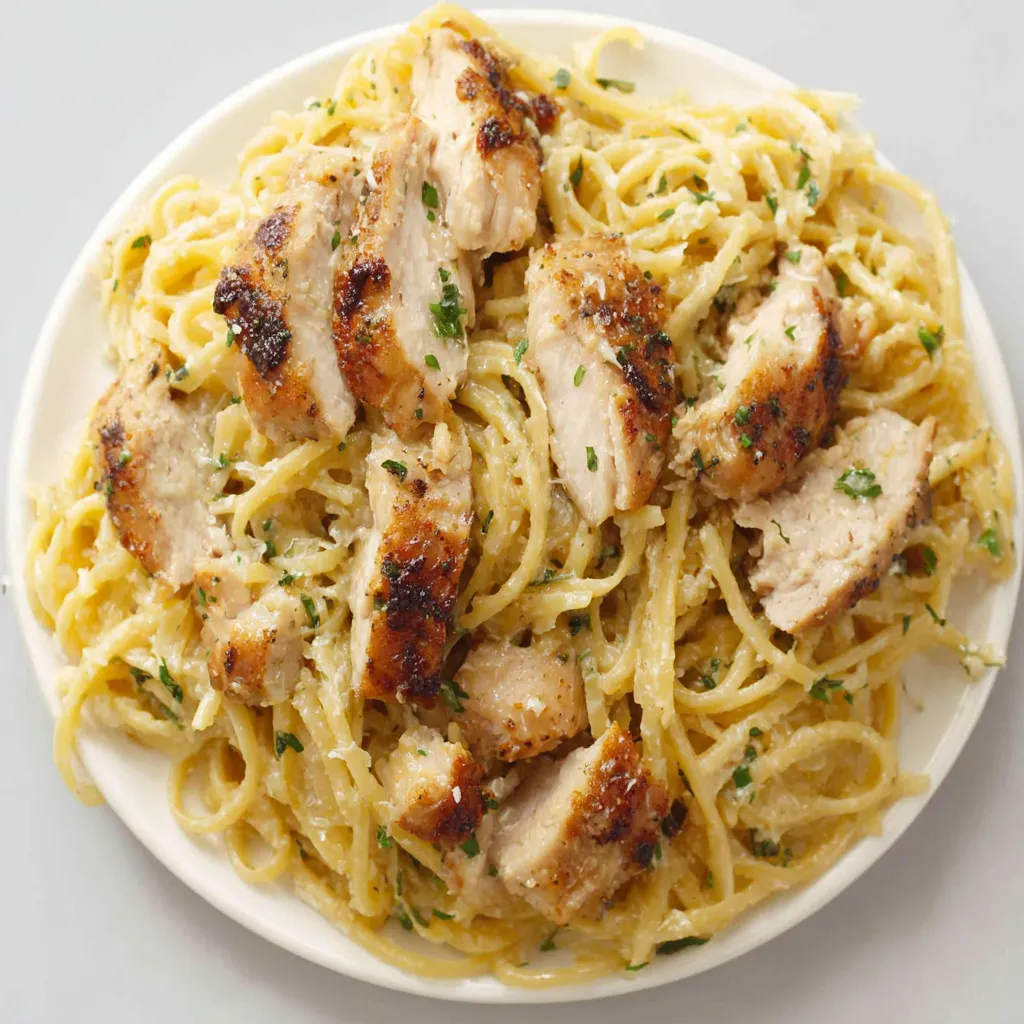
Irresistible Chicken Garlic Parmesan Pasta
Ingredients
Equipment
Method
- Cook the pasta: Bring a large pot of salted water to a boil. Add the pasta and cook according to package directions until al dente. Reserve 1/2 cup of pasta water before draining.
- Cook the chicken: While the pasta is cooking, heat olive oil in a large skillet over medium-high heat. Add the chicken and cook until golden brown and cooked through, about 5-7 minutes. Season with salt and pepper. Remove chicken from skillet and set aside.
- Make the sauce: In the same skillet, melt the butter over medium heat. Add the minced garlic and cook until fragrant, about 30 seconds. Be careful not to burn the garlic.
- Combine ingredients: Pour in the heavy cream and bring to a simmer. Reduce heat to low and stir in the Parmesan cheese until melted and smooth.
- Incorporate pasta water: Gradually add the reserved pasta water, stirring continuously, until the sauce reaches your desired consistency. This usually takes about half a cup, but you can add more if needed.
- Add chicken and pasta: Add the cooked chicken and drained pasta to the skillet with the sauce. Toss to coat everything evenly.
- Garnish and serve: Stir in the chopped parsley. Season with additional salt and pepper to taste. Serve immediately, garnished with extra Parmesan cheese and red pepper flakes (optional).