
Unlocking Flavor: The Science Behind a Superior Stew
The magic of a slow cooker lies in its ability to gently coax flavors from ingredients over a long period. However, that same gentle process can also dilute flavors if not managed correctly. The key is understanding how heat, time, and ingredient interactions affect the final result.- Maillard Reaction: This is the browning reaction that creates complex flavors. In a slow cooker, it’s limited because temperatures rarely exceed 212°F (100°C). That’s why searing the chicken and vegetables beforehand is crucial.
- Collagen Breakdown: Slow cooking excels at breaking down tough cuts of meat, like chicken thighs, due to the slow rendering of collagen into gelatin. This gelatin adds body and richness to the stew.
- Liquid Management: Too much liquid leads to a watery stew. Conversely, too little can result in scorching. Monitoring and adjusting the liquid during cooking is important.
- Acid’s Role: A touch of acidity, such as from diced tomatoes or a splash of vinegar, brightens the flavors and balances the richness. It also helps tenderize the chicken.
- Herb Infusion: Fresh herbs release their volatile oils best towards the end of cooking. Adding them too early can result in a muted flavor.
The Ultimate Slow Cooker Chicken Stew Recipe
Ingredients:
- 2 lbs boneless, skinless chicken thighs, cut into 1-inch pieces
- 2 tbsp olive oil
- 1 large onion, chopped
- 2 carrots, peeled and chopped
- 2 celery stalks, chopped
- 4 cloves garlic, minced
- 8 oz cremini mushrooms, sliced
- 4 cups chicken broth
- 1 (14.5 oz) can diced tomatoes, undrained
- 1 tsp dried thyme
- 1/2 tsp dried rosemary
- 1 bay leaf
- 1 lb Yukon Gold potatoes, peeled and cubed
- 1 cup frozen peas
- 1/4 cup chopped fresh parsley
- Salt and pepper to taste
Instructions:
- Sear the Chicken: Heat olive oil in a large skillet over medium-high heat. Season chicken with salt and pepper. Sear in batches until browned on all sides. Do not overcrowd the pan. Set aside.
- Sauté Aromatics: In the same skillet, add onion, carrots, and celery. Sauté until softened, about 5-7 minutes. Add garlic and mushrooms, and cook for another 2-3 minutes.
- Combine Ingredients: Transfer the sautéed vegetables to the slow cooker. Add the seared chicken, chicken broth, diced tomatoes, thyme, rosemary, and bay leaf.
- Slow Cook: Cover and cook on low for 6-8 hours or on high for 3-4 hours, or until chicken is very tender.
- Add Potatoes: Add potatoes to the slow cooker during the last 2 hours of cooking time, or until they are tender.
- Finish the Stew: Stir in frozen peas and parsley during the last 15 minutes of cooking. Season with salt and pepper to taste. Remove bay leaf before serving.
My Chicken Stew Odyssey: The Investigation
The Watery Wilderness: My First Few Attempts
My first few attempts at slow cooker chicken stew were, to put it mildly, disappointing. Like many of you, I initially thought that throwing everything into the slow cooker and letting it simmer for hours would magically result in a flavorful, comforting meal. My first version resulted in a watery broth with bland chicken and mushy vegetables. It was clear that simply dumping ingredients into the pot wasn’t going to cut it.The Browning Revelation: Embracing the Maillard Reaction
Then, I had an “Aha!” moment. I realized I was missing a crucial step: browning the chicken and vegetables. The Maillard reaction, that glorious process that creates complex flavors, was conspicuously absent. I started searing the chicken in batches before adding it to the slow cooker. I also sautéed the onions, carrots, and celery until they were nicely softened. This simple change made a world of difference. The stew now had a depth of flavor that was previously lacking. It was a significant improvement, but not yet perfect.Liquid Assets (and Liabilities): Mastering Moisture Control
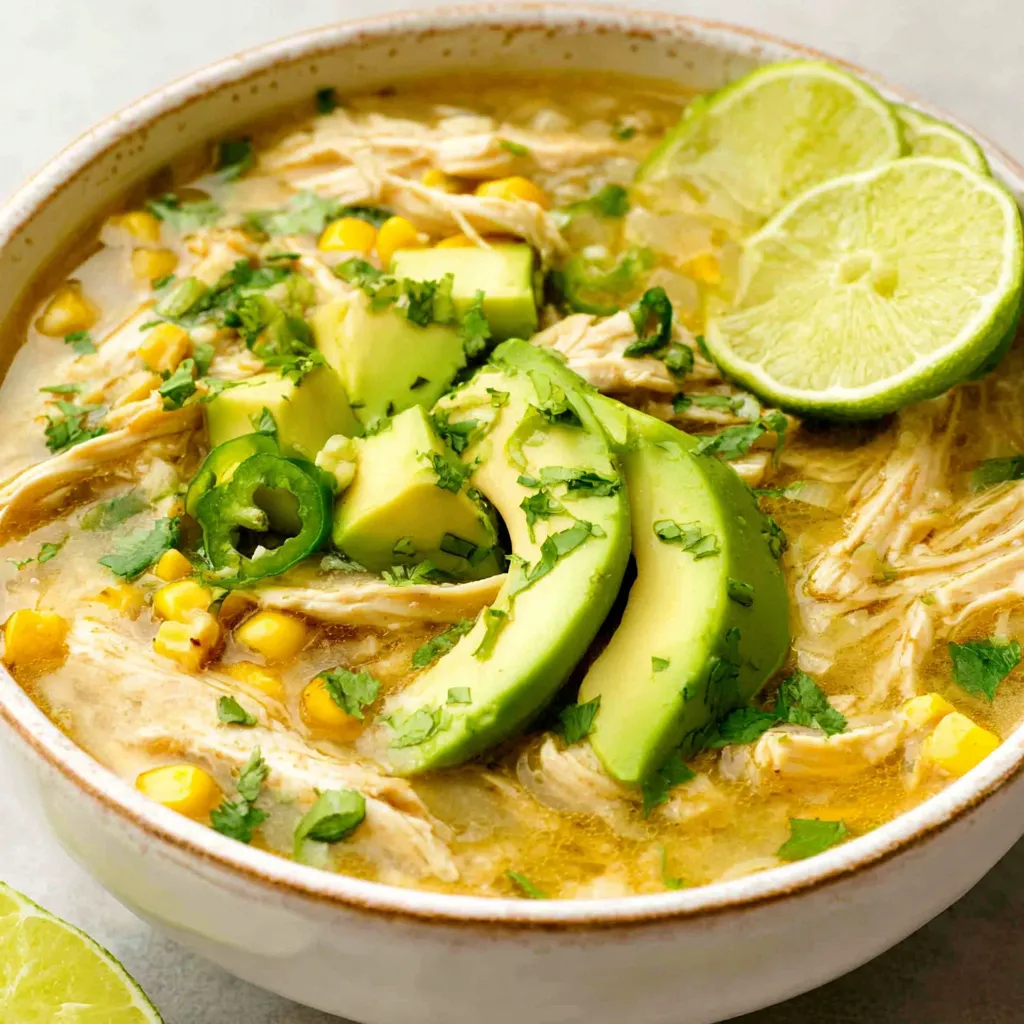
The next challenge was liquid management. Too much liquid, and the stew would be watery. Too little, and the bottom would scorch. I experimented with different amounts of chicken broth, and I found that 4 cups was the sweet spot. I also learned that adding diced tomatoes (undrained) contributed both liquid and acidity, further enhancing the flavor. I found that this gave it a similar vibe to Chicken Taco Soup.Herbology 101: When to Add the Green Goodness
Finally, I focused on the herbs. I initially added the fresh parsley at the beginning of cooking, which resulted in a muted, almost grassy flavor. I then experimented with adding the parsley during the last 15 minutes of cooking. The difference was remarkable! The fresh parsley retained its vibrant flavor and added a bright, herbaceous note to the stew. For dried herbs I used thyme and rosemary. I’ve also made it similar to Slow Cooker Lemon Herb Chicken by using similar herb combinations.The Foolproof Technique: A Slow Cooker Chicken Stew Masterclass
Here’s a summary of the foolproof method I developed, broken down into simple steps:- Sear the Chicken: Brown the chicken in a skillet before adding it to the slow cooker. This builds flavor and prevents the chicken from becoming rubbery.
- Sauté the Aromatics: Sauté the onions, carrots, and celery until softened. This releases their sweetness and adds depth to the stew.
- Use the Right Amount of Liquid: 4 cups of chicken broth is generally sufficient for a 6-quart slow cooker. Monitor and adjust as needed.
- Add Potatoes Later: Adding potatoes too early can result in them becoming mushy. Add them during the last 2 hours of cooking.
- Fresh Herbs Last: Stir in fresh herbs, like parsley, during the last 15 minutes of cooking to preserve their flavor.
- Season Generously: Don’t be afraid to season with salt and pepper. Taste and adjust as needed.
Following these simple steps transforms a potentially bland and watery dish into a rich, flavorful, and comforting chicken stew. If you are a fan of easy chicken recipes, you might enjoy the Crockpot Bbq Chicken, Skillet Chicken With Veggies, or the Instant Pot Chicken & Veggie recipe. Another good soup recipe is the White Chicken Rice Soup.
Why is it important to sear the chicken and sauté the vegetables before adding them to the slow cooker?
Searing the chicken and sautéing the vegetables helps to develop deeper, more complex flavors through the Maillard reaction, which is limited in the slow cooker due to lower temperatures. This step prevents the stew from tasting bland.
How can I prevent my slow cooker chicken stew from becoming watery?
To prevent a watery stew, use the right amount of liquid (4 cups of chicken broth for a 6-quart slow cooker is recommended), monitor the liquid level during cooking, and avoid adding too many liquid-releasing ingredients at once. Undrained diced tomatoes contribute both liquid and acidity.
When should I add fresh herbs to my slow cooker chicken stew?
Fresh herbs, like parsley, should be added during the last 15 minutes of cooking. This preserves their vibrant flavor and prevents them from becoming muted or grassy tasting.
Why does the recipe instruct to add the potatoes later in the cooking process?
Adding potatoes too early can cause them to become mushy. Adding them during the last 2 hours of cooking ensures they are tender but not overcooked.
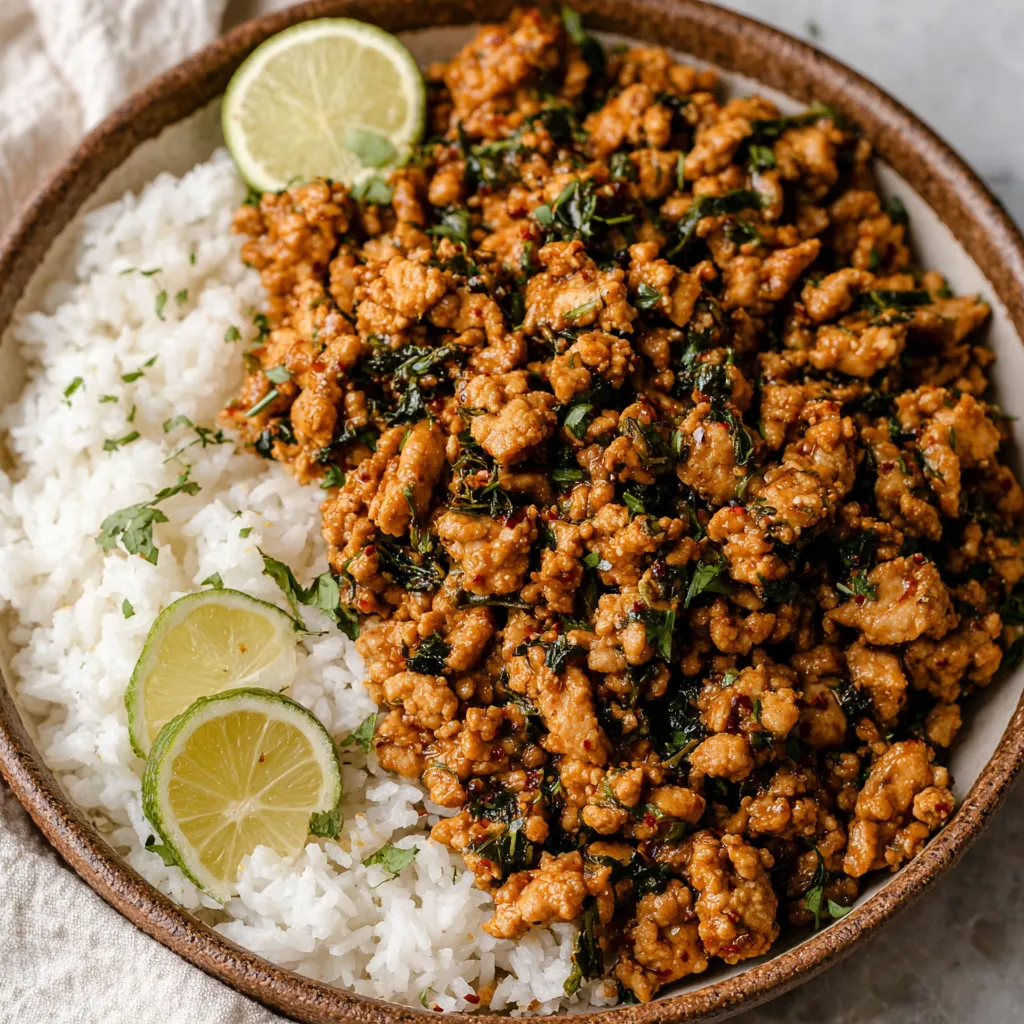
Perfect Slow Cooker Chicken Stew
Ingredients
Equipment
Method
- Sear the Chicken: Heat olive oil in a large skillet over medium-high heat. Season chicken with salt and pepper. Sear in batches until browned on all sides. Do not overcrowd the pan. Set aside.
- Sauté Aromatics: In the same skillet, add onion, carrots, and celery. Sauté until softened, about 5-7 minutes. Add garlic and mushrooms, and cook for another 2-3 minutes.
- Combine Ingredients: Transfer the sautéed vegetables to the slow cooker. Add the seared chicken, chicken broth, diced tomatoes, thyme, rosemary, and bay leaf.
- Slow Cook: Cover and cook on low for 6-8 hours or on high for 3-4 hours, or until chicken is very tender.
- Add Potatoes: Add potatoes to the slow cooker during the last 2 hours of cooking time, or until they are tender.
- Finish the Stew: Stir in frozen peas and parsley during the last 15 minutes of cooking. Season with salt and pepper to taste. Remove bay leaf before serving.
- Serve and enjoy!