
Decoding the Crispy-Juicy Paradox: The Science Behind Skillet Chicken Thighs
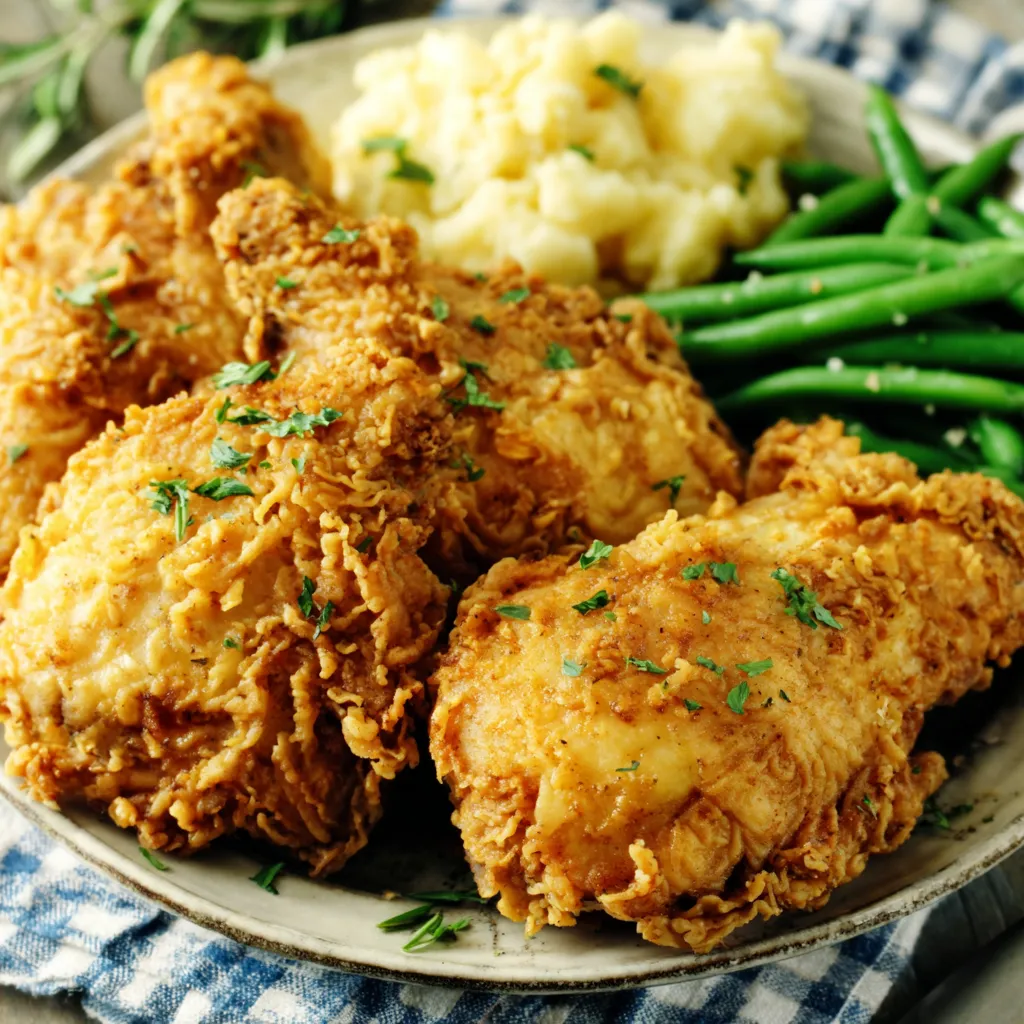
The secret to truly exceptional skillet chicken thighs lies in understanding the interplay of heat, moisture, and fat. Chicken skin is primarily composed of collagen and fat. Collagen, when heated, breaks down into gelatin, contributing to that desirable “melt-in-your-mouth” texture. The fat renders out, basting the chicken and crisping the skin. However, moisture is the enemy of crispiness. If the skin is too wet, the heat will be used to evaporate the water instead of browning the skin. The key, therefore, is to promote moisture loss from the skin while simultaneously ensuring the chicken cooks through evenly. High heat is crucial for browning, but too much, too soon, and you’ll end up with burnt skin and raw meat. Conversely, low heat will cook the chicken through but result in flabby, unappetizing skin. Balancing these factors is the crux of the challenge.The Quintessential Skillet Chicken Thighs Recipe
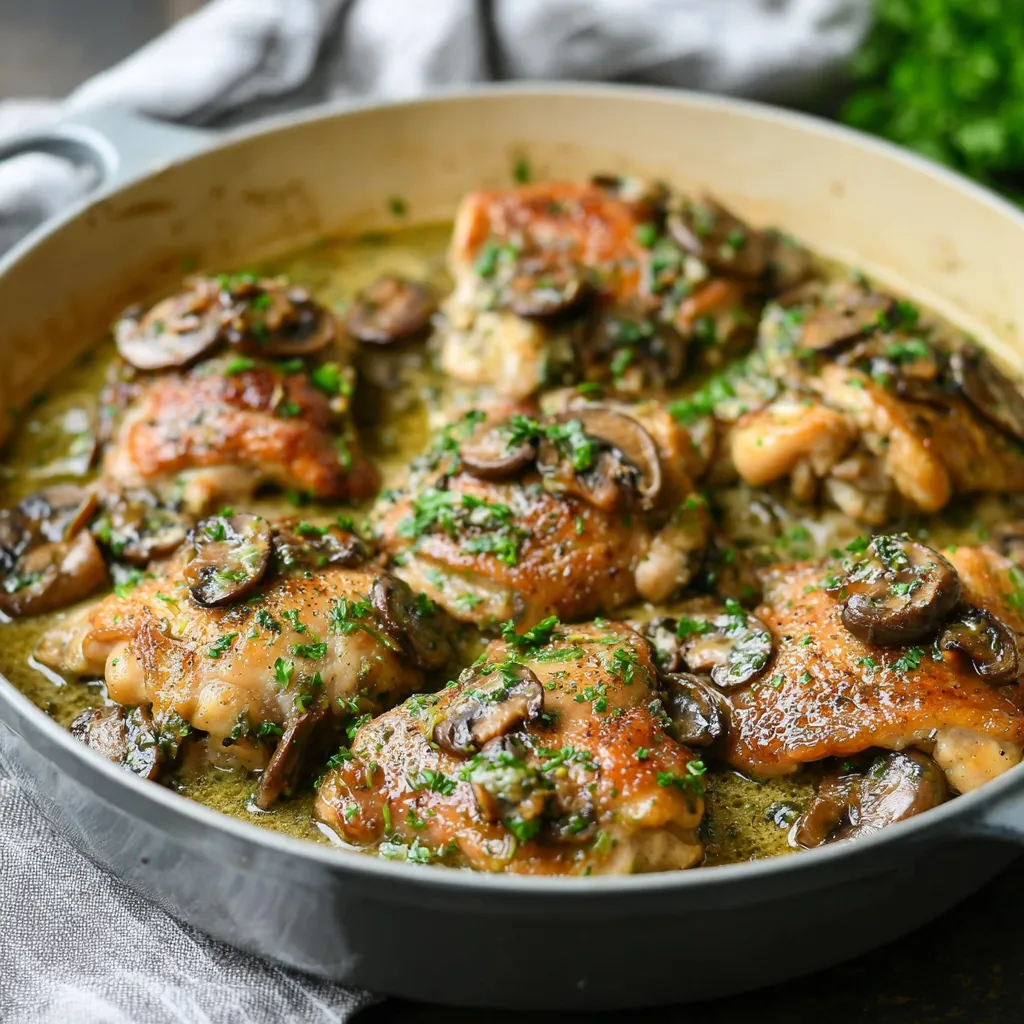 This recipe is the culmination of numerous experiments, tweaks, and “Aha!” moments. It’s designed to be foolproof, delivering consistently delicious results.
Ingredients:
- 4 bone-in, skin-on chicken thighs (about 6-8 ounces each)
- 1 tablespoon olive oil (or other high-heat oil like avocado or grapeseed)
- 1 teaspoon kosher salt
- 1/2 teaspoon black pepper
- 1/2 teaspoon garlic powder
- 1/4 teaspoon paprika (optional, for color)
- 1/4 teaspoon dried thyme (optional, for flavor)
Instructions:
- Prepare the Chicken: Pat the chicken thighs completely dry with paper towels. This is *critical* for achieving crispy skin. Season generously on both sides with salt, pepper, garlic powder, paprika (if using), and thyme (if using).
- Preheat the Skillet: Place a large (12-inch) cast-iron skillet (or other heavy-bottomed skillet) over medium-high heat. Add the olive oil and let it heat until shimmering but not smoking.
- Sear the Chicken: Carefully place the chicken thighs skin-side down in the hot skillet. Do not overcrowd the pan; if necessary, cook in batches. Press down on the chicken thighs with a spatula for the first minute or two to ensure even contact with the pan.
- Reduce Heat and Cook: Reduce the heat to medium. Cook the chicken thighs skin-side down for 15-20 minutes, or until the skin is deeply golden brown and crispy. Avoid the temptation to move the chicken around too much; let it develop a good sear.
- Flip and Finish Cooking: Flip the chicken thighs and cook for another 10-15 minutes, or until the internal temperature reaches 165°F (74°C) in the thickest part of the thigh. You can use a meat thermometer to check.
- Rest: Remove the chicken thighs from the skillet and let them rest for 5-10 minutes before serving. This allows the juices to redistribute, resulting in more tender and flavorful meat.
- Serve: Serve immediately and enjoy!
Optional Additions:
- Lemon Herb: Add a squeeze of lemon juice and a sprig of fresh rosemary or thyme to the skillet during the last few minutes of cooking.
- Garlic Butter: Melt 2 tablespoons of butter in the skillet during the last few minutes of cooking, along with 2 cloves of minced garlic. Spoon the garlic butter over the chicken thighs.
Confessions of a Chicken Thigh Enthusiast: My Skillet Investigation
My journey to mastering skillet chicken thighs was far from smooth. My first few attempts were a disaster, resulting in either burnt skin and raw meat or rubbery skin and overcooked, dry chicken. Like many of you, I initially thought that simply throwing the chicken in a hot pan was enough. I was wrong.The Great Skin Mishap of 2022
Initially, I would crank up the heat as high as it would go, thinking that would get me crispy skin fast. The result? Blackened, bitter skin that was practically inedible, while the inside was still pink. I realized that high heat, while necessary, had to be controlled. It’s like trying to bake a cake at 500 degrees; it just won’t work.The Moisture Monster Strikes Back
Then, I tried using lower heat. The chicken cooked through, but the skin was pale and flabby – far from the crispy perfection I craved. I realized the problem was moisture. The chicken skin naturally contains moisture, and when cooked at low heat, that moisture steams the skin instead of allowing it to crisp.The Aha! Moment: Patience and Paper Towels
Then, I had an “Aha!” moment. I remembered reading somewhere that patting the chicken dry was crucial. So, I started meticulously drying the chicken with paper towels before seasoning it. This made a *huge* difference. Less moisture meant the heat could focus on browning the skin. I also learned the importance of patience. I realized that searing the skin over medium-high heat to start, then reducing the heat to medium, allowed the skin to slowly render its fat and crisp up without burning. Resisting the urge to move the chicken around too much was also key; letting it sit undisturbed allowed it to develop a proper sear. This technique is very similar to how I make Honey Pepper Chicken, but with slightly different flavors. I use the same method when I prepare Skillet Chicken With Veggies, because of the importance of browning the chicken before adding the vegetables.The Seasoning Saga
Finally, I experimented with different seasonings. While salt and pepper are essential, I found that a touch of garlic powder and paprika added a nice depth of flavor and color. A little dried thyme provides a subtle herbal note that complements the chicken beautifully. Sometimes I prepare my chicken like Honey Garlic Chicken Breasts or Honey Garlic Chicken. If I’m feeling adventurous I prepare something like Garlic Mushroom Chicken Thighs.The Foolproof Skillet Chicken Thigh Technique: A Step-by-Step Guide
After countless trials and tribulations, I’ve distilled the process into a simple, foolproof technique. Follow these steps, and you’ll be rewarded with perfectly crispy-skinned, juicy chicken thighs every time.- Dry it Out: Thoroughly pat the chicken thighs dry with paper towels. This is the most critical step for achieving crispy skin.
- Season Generously: Season the chicken thighs generously with salt, pepper, and your favorite seasonings.
- Hot Skillet, Medium-High Start: Preheat a cast-iron skillet (or other heavy-bottomed skillet) over medium-high heat. Add oil and let it shimmer.
- Skin-Side Down, Don’t Move: Place the chicken thighs skin-side down in the hot skillet. Press down with a spatula for the first minute or two.
- Reduce Heat, Patiently Sear: Reduce the heat to medium. Cook the chicken thighs skin-side down for 15-20 minutes, or until the skin is deeply golden brown and crispy. Resist the urge to move them around.
- Flip and Finish: Flip the chicken thighs and cook for another 10-15 minutes, or until the internal temperature reaches 165°F (74°C).
- Rest and Enjoy: Remove the chicken thighs from the skillet and let them rest for 5-10 minutes before serving.
Why is it important to pat the chicken thighs dry before cooking?
Patting the chicken thighs completely dry with paper towels is critical because moisture is the enemy of crispy skin. Removing excess moisture allows the heat to focus on browning the skin instead of evaporating water.
What is the best way to ensure the chicken skin gets crispy without burning?
The key is to sear the chicken skin-side down over medium-high heat initially, then reduce the heat to medium. This allows the skin to slowly render its fat and crisp up without burning. It’s also important to resist the urge to move the chicken around too much while searing.
How do I know when the chicken thighs are fully cooked?
The chicken thighs are fully cooked when the internal temperature reaches 165°F (74°C) in the thickest part of the thigh. Use a meat thermometer to check.
Why is resting the chicken important after cooking?
Resting the chicken thighs for 5-10 minutes before serving allows the juices to redistribute throughout the meat, resulting in more tender and flavorful chicken.
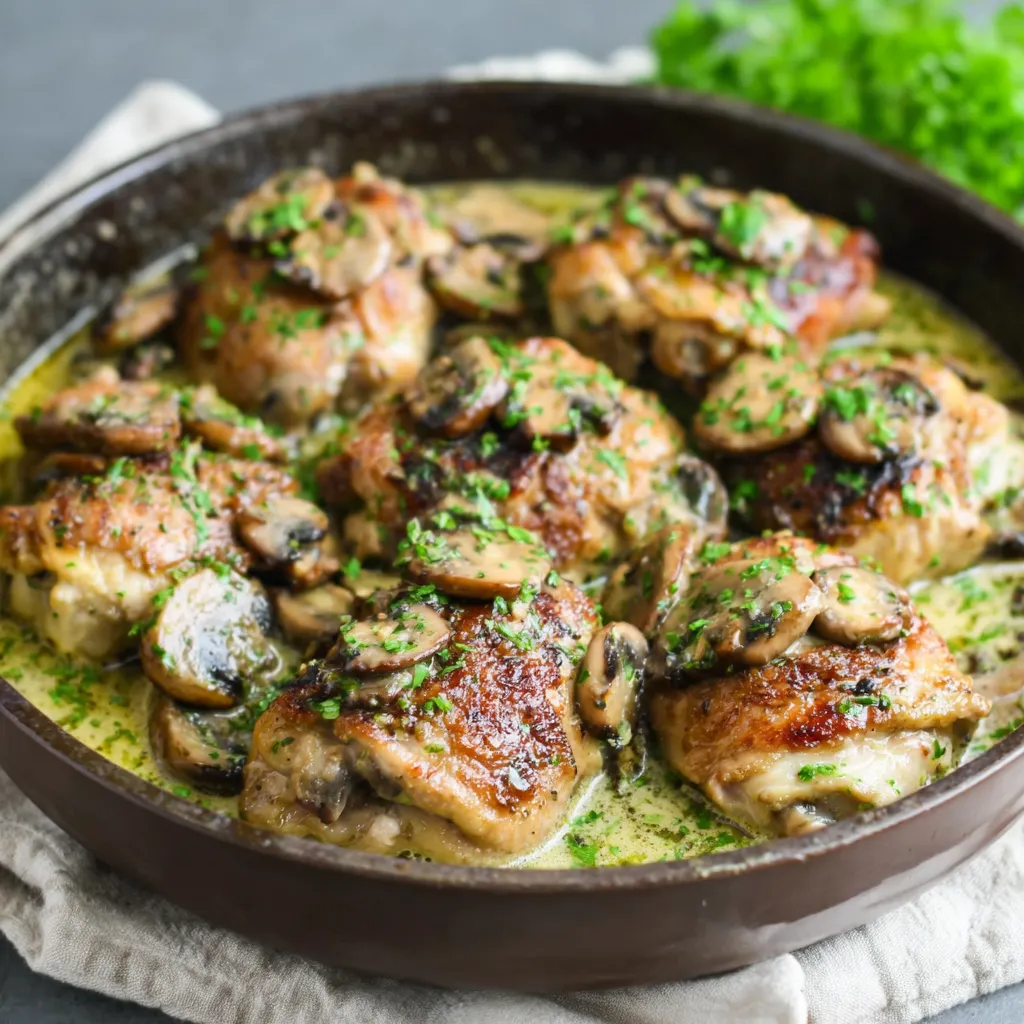
Easy Skillet Chicken Thighs
Ingredients
Equipment
Method
- Prepare the Chicken: Pat the chicken thighs completely dry with paper towels. Season generously on both sides with salt, pepper, garlic powder, paprika (if using), and thyme (if using).
- Preheat the Skillet: Place a large (12-inch) cast-iron skillet (or other heavy-bottomed skillet) over medium-high heat. Add the olive oil and let it heat until shimmering but not smoking.
- Sear the Chicken: Carefully place the chicken thighs skin-side down in the hot skillet. Do not overcrowd the pan; if necessary, cook in batches. Press down on the chicken thighs with a spatula for the first minute or two to ensure even contact with the pan.
- Reduce Heat and Cook: Reduce the heat to medium. Cook the chicken thighs skin-side down for 15-20 minutes, or until the skin is deeply golden brown and crispy. Avoid the temptation to move the chicken around too much; let it develop a good sear.
- Flip and Finish Cooking: Flip the chicken thighs and cook for another 10-15 minutes, or until the internal temperature reaches 165°F (74°C) in the thickest part of the thigh. You can use a meat thermometer to check.
- Rest: Remove the chicken thighs from the skillet and let them rest for 5-10 minutes before serving. This allows the juices to redistribute, resulting in more tender and flavorful meat.
- Serve: Serve immediately and enjoy!