
The Alchemy of Apple Cider and Rosemary: A Culinary Chemistry Lesson
At its core, Rosemary Apple Cider Chicken is a beautiful marriage of sweet, acidic, and herbaceous flavors. To understand how to elevate this dish, we need to dive into the science of each component. Apple cider, with its malic acid content, acts as a natural tenderizer for the chicken. This acid breaks down the proteins in the meat, resulting in a more succulent final product. However, too much acid can lead to a mushy texture. The key is to balance the acidic marinade with other elements. Rosemary, on the other hand, brings an earthy, aromatic counterpoint to the sweetness of the apple cider. Its volatile oils, released during cooking, infuse the chicken with a distinct flavor profile. The fat in the chicken (whether skin-on or skin-off) is crucial, as it helps to carry and distribute these flavors throughout the dish. Finally, the Maillard reaction, that magical browning process that occurs when amino acids and reducing sugars are heated, plays a significant role in developing deep, complex flavors. Achieving proper browning is essential for creating a truly exceptional Rosemary Apple Cider Chicken.The Recipe: A Symphony of Fall Flavors
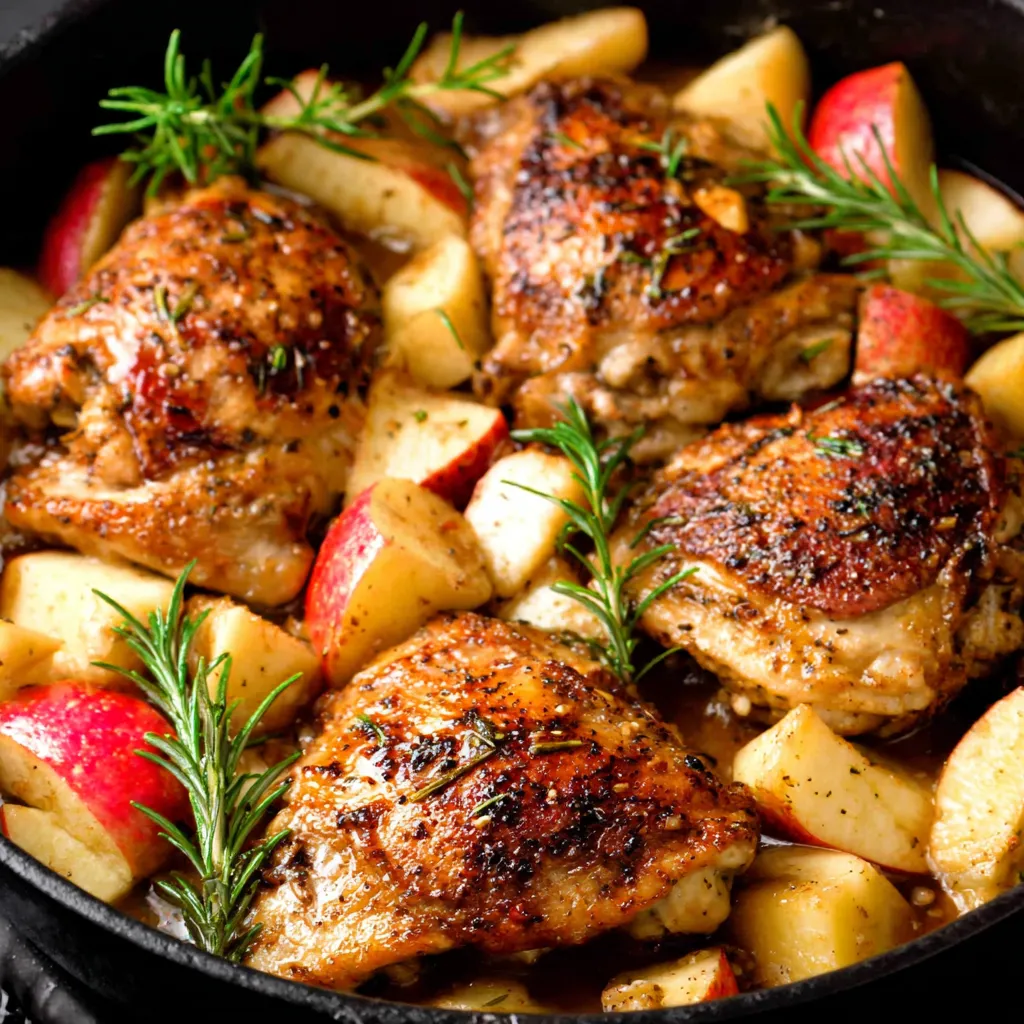 Here’s my perfected recipe for Rosemary Apple Cider Chicken, designed to deliver consistent, mouthwatering results:
Ingredients:
- 4 boneless, skinless chicken breasts (about 6 oz each), or 8 bone-in, skin-on chicken thighs
- 1 cup apple cider
- 2 tablespoons olive oil
- 2 tablespoons apple cider vinegar
- 2 cloves garlic, minced
- 1 tablespoon fresh rosemary, chopped
- 1 teaspoon Dijon mustard
- 1/2 teaspoon salt
- 1/4 teaspoon black pepper
- 1 medium apple, peeled, cored, and sliced (Granny Smith or Honeycrisp work well)
- Optional: 1 tablespoon butter
Instructions:
- Marinate the Chicken: In a bowl or resealable bag, combine apple cider, olive oil, apple cider vinegar, garlic, rosemary, Dijon mustard, salt, and pepper. Add the chicken and marinate for at least 30 minutes, or up to 4 hours in the refrigerator.
- Sear the Chicken (if using boneless, skinless breasts): Heat a large skillet over medium-high heat. Remove chicken from the marinade (reserve the marinade!). Sear the chicken for 3-4 minutes per side, until golden brown. Remove chicken from skillet and set aside. For bone-in, skin-on thighs, start skin-side down and sear until crispy and golden brown, about 6-8 minutes. Flip and sear for another 3-4 minutes. Remove from skillet.
- Sauté the Apples: Add the sliced apples to the skillet and cook for 2-3 minutes, until slightly softened and caramelized. If using, add the butter now for enhanced flavor.
- Create the Sauce: Pour the reserved marinade into the skillet and bring to a simmer. Cook for 5-7 minutes, until the sauce has slightly thickened.
- Return Chicken to Skillet: Place the chicken back into the skillet with the sauce and apples. If using boneless breasts, ensure they are submerged about halfway in the sauce. For bone-in thighs, nestle them amongst the apples.
- Simmer and Cook: Reduce heat to medium-low, cover the skillet, and simmer for 15-20 minutes for boneless breasts, or 25-30 minutes for bone-in thighs, or until the chicken is cooked through and reaches an internal temperature of 165°F (74°C).
- Serve: Garnish with fresh rosemary sprigs, if desired. Serve hot with your favorite side dishes.
The Investigation: My Quest for the Perfect Bird
My journey to crafting the ultimate Rosemary Apple Cider Chicken was paved with numerous trials and errors. My first few attempts were a disaster, resulting in either dry, flavorless chicken or a soggy, overly sweet mess. Then, I had an “Aha!” moment – realizing that the key was in mastering the technique, not just blindly following a recipe.Phase 1: The Marinade Mishaps
Like many of you, I initially thought a longer marinade was always better. I once left the chicken marinating overnight, only to find that the apple cider vinegar had turned the chicken’s texture unpleasantly mushy. It reminded me of the time I over-marinated for Pineapple Bbq Chicken. I learned that the sweet spot is between 30 minutes and 4 hours. This allows the flavors to penetrate without compromising the texture. I also experimented with different types of apple cider, ultimately finding that a good quality, unfiltered cider provides the best flavor depth.Phase 2: The Browning Battle
Getting that perfect golden-brown sear on the chicken proved to be another challenge. I often ended up with either pale, anemic-looking chicken or burnt, bitter pieces. The solution? Ensuring the skillet is hot enough before adding the chicken and resisting the urge to move it around too much. Letting the chicken sit undisturbed in the hot skillet allows for proper browning to occur. This step is just as important as it is when preparing Honey Pepper Chicken.Phase 3: The Sauce Saga
The sauce was the final frontier. My early attempts resulted in a thin, watery sauce that lacked depth and complexity. I realized that reducing the reserved marinade was crucial for concentrating the flavors and creating a luscious, glossy sauce. Adding a touch of butter at the end further enhances the richness and body of the sauce. The final product was so good, it almost rivaled the sauce I make for my Honey Garlic Chicken! I even tried adding a splash of apple cider brandy for an extra layer of flavor, which worked beautifully.The Technique: A Foolproof Guide to Rosemary Apple Cider Chicken Perfection
Based on my extensive experimentation, here’s the foolproof technique for making perfect Rosemary Apple Cider Chicken every time:- Marinate Wisely: Marinate the chicken for 30 minutes to 4 hours. No longer!
- Sear with Confidence: Ensure the skillet is hot before searing the chicken. Let it sit undisturbed for proper browning.
- Sauté the Apples: Caramelize the apple slices in the skillet before adding the marinade. This adds sweetness and depth to the sauce.
- Reduce the Sauce: Simmer the reserved marinade until it thickens and the flavors concentrate.
- Simmer Gently: Cook the chicken in the sauce over medium-low heat until it’s cooked through and tender.
- Rest Before Serving: Allow the chicken to rest for a few minutes before serving to allow the juices to redistribute.
Why is apple cider used in this chicken recipe?
Apple cider, with its malic acid content, acts as a natural tenderizer for the chicken, breaking down the proteins and resulting in a more succulent final product.
How long should I marinate the chicken for the best results?
The chicken should be marinated for at least 30 minutes, or up to 4 hours in the refrigerator. Marinating longer than 4 hours can result in a mushy texture.
What is the key to getting a good sear on the chicken?
Ensure the skillet is hot enough before adding the chicken and resist the urge to move it around too much. Letting the chicken sit undisturbed in the hot skillet allows for proper browning to occur.
How do I make the sauce thicker and more flavorful?
Reduce the reserved marinade by simmering it in the skillet until it thickens and the flavors concentrate. Adding a touch of butter at the end can further enhance the richness and body of the sauce.
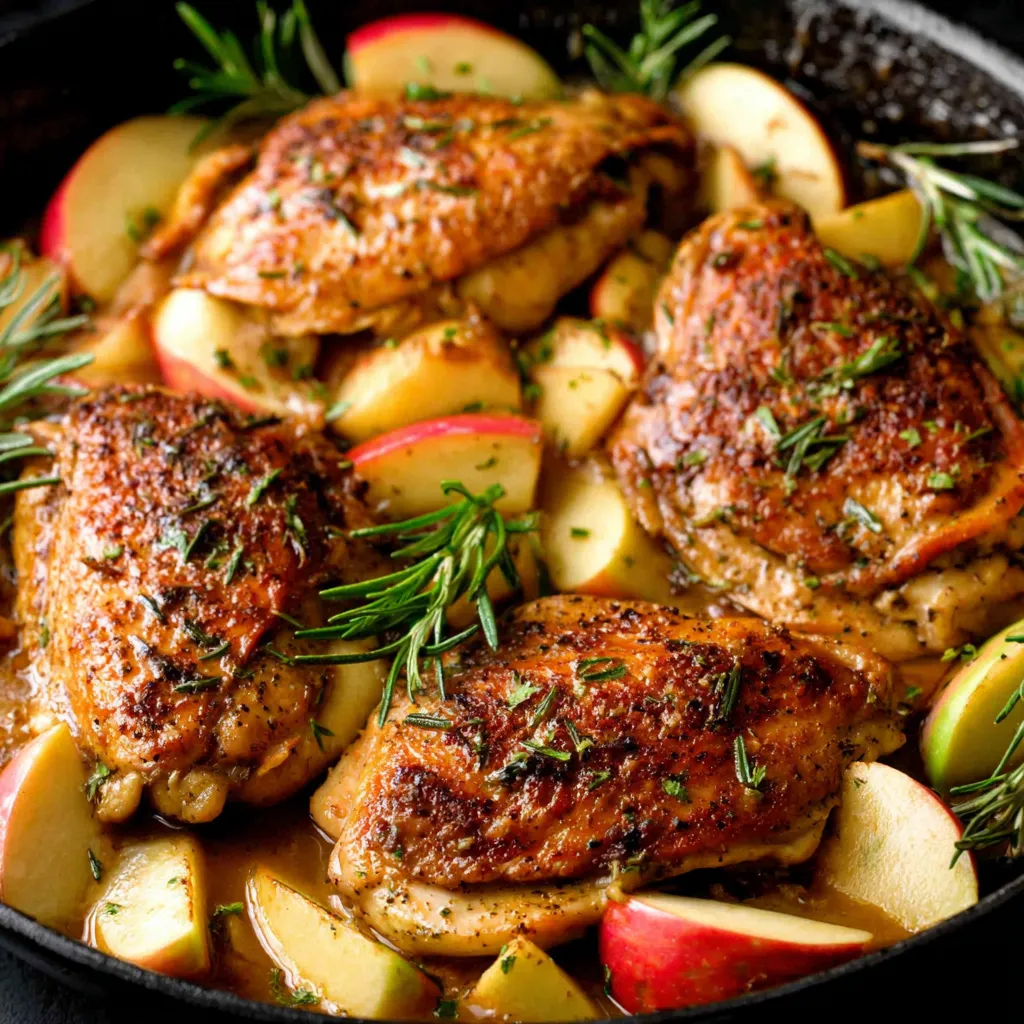
Rosemary Apple Cider Chicken
This Rosemary Apple Cider Chicken recipe combines the sweetness of apple cider with the earthy aroma of rosemary for a delicious fall-inspired dish. The chicken is marinated, seared, and simmered in a flavorful apple cider sauce with tender apples, resulting in juicy and flavorful results.
Ingredients
Equipment
Method
- Marinate the Chicken: In a bowl or resealable bag, combine apple cider, olive oil, apple cider vinegar, garlic, rosemary, Dijon mustard, salt, and pepper. Add the chicken and marinate for at least 30 minutes, or up to 4 hours in the refrigerator.
- Sear the Chicken (if using boneless, skinless breasts): Heat a large skillet over medium-high heat. Remove chicken from the marinade (reserve the marinade!). Sear the chicken for 3-4 minutes per side, until golden brown. Remove chicken from skillet and set aside. For bone-in, skin-on thighs, start skin-side down and sear until crispy and golden brown, about 6-8 minutes. Flip and sear for another 3-4 minutes. Remove from skillet.
- Sauté the Apples: Add the sliced apples to the skillet and cook for 2-3 minutes, until slightly softened and caramelized. If using, add the butter now for enhanced flavor.
- Create the Sauce: Pour the reserved marinade into the skillet and bring to a simmer. Cook for 5-7 minutes, until the sauce has slightly thickened.
- Return Chicken to Skillet: Place the chicken back into the skillet with the sauce and apples. If using boneless breasts, ensure they are submerged about halfway in the sauce. For bone-in thighs, nestle them amongst the apples.
- Simmer and Cook: Reduce heat to medium-low, cover the skillet, and simmer for 15-20 minutes for boneless breasts, or 25-30 minutes for bone-in thighs, or until the chicken is cooked through and reaches an internal temperature of 165°F (74°C).
- Serve: Garnish with fresh rosemary sprigs, if desired. Serve hot with your favorite side dishes.
Notes
Marinating the chicken for longer than 4 hours may result in a mushy texture. Use a good quality, unfiltered apple cider for the best flavor depth. For an extra layer of flavor, add a splash of apple cider brandy to the sauce. Resting the chicken for a few minutes before serving allows the juices to redistribute, resulting in a more tender and flavorful dish. Store leftovers in an airtight container in the refrigerator for up to 3 days.