
Unlocking the Secrets: The Science Behind the Sizzle
Beef tenderloin, also known as filet mignon when cut into steaks, is a lean cut of meat, meaning it lacks significant intramuscular fat. This is both its strength and its weakness. The lack of fat contributes to its melt-in-your-mouth tenderness, but it also means that it can easily dry out if overcooked. The key to a perfect roast lies in understanding protein coagulation and moisture retention.- Protein Coagulation: Heat causes the proteins in the meat to denature and coagulate. At lower temperatures, this process results in a tender and juicy roast. At higher temperatures, the proteins tighten, squeezing out moisture and resulting in a dry, tough texture.
- Maillard Reaction: This is the chemical reaction between amino acids and reducing sugars that gives browned food its distinctive flavor. Achieving a beautiful crust requires a high enough surface temperature to initiate this reaction.
- Carryover Cooking: After the roast is removed from the oven, its internal temperature will continue to rise. This is known as carryover cooking, and it’s important to account for it when determining the optimal cooking time.
The Holy Grail: The Perfect Beef Tenderloin Roast Recipe
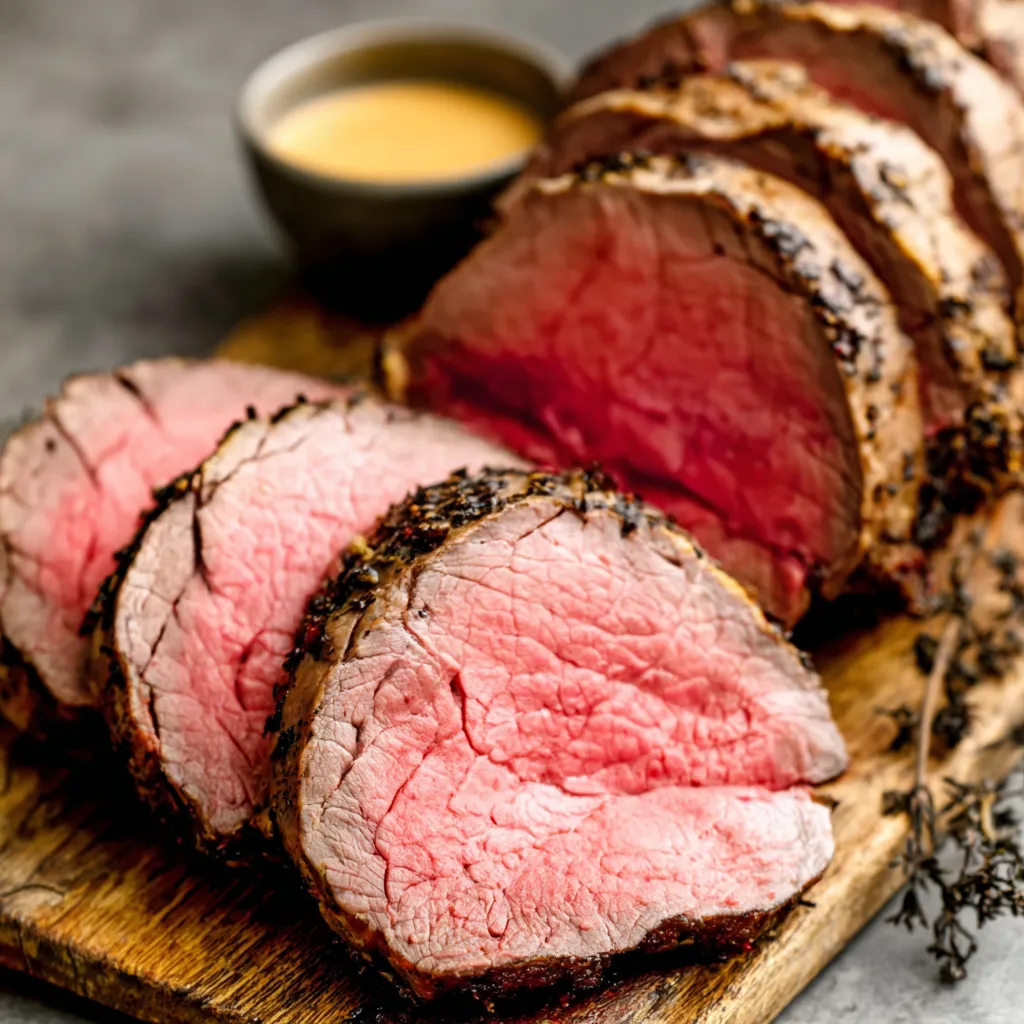 This recipe incorporates the principles discussed above to deliver a consistent and delicious beef tenderloin roast every time.
Ingredients:
- 1 (3-4 pound) beef tenderloin roast, trimmed
- 2 tablespoons olive oil
- 2 teaspoons kosher salt
- 1 teaspoon black pepper
- 1 teaspoon garlic powder
- 1 teaspoon dried thyme
- 1/2 teaspoon dried rosemary
Equipment:
- Roasting pan with rack
- Meat thermometer
Instructions:
- Prepare the Roast: Pat the beef tenderloin dry with paper towels. This helps to promote browning.
- Season Generously: In a small bowl, combine the salt, pepper, garlic powder, thyme, and rosemary. Rub the mixture evenly over the entire surface of the beef tenderloin.
- Sear (Optional but Recommended): Heat the olive oil in a large oven-safe skillet over medium-high heat. Sear the beef tenderloin on all sides until browned, about 2-3 minutes per side. This step enhances the flavor and appearance of the roast.
- Roast: Place the seared tenderloin on a rack in a roasting pan. Roast in a preheated oven at 425°F (220°C) for 20-25 minutes for medium-rare (130-135°F) or 25-30 minutes for medium (135-140°F). Use a meat thermometer to ensure accuracy.
- Rest: Remove the roast from the oven and let it rest for at least 10 minutes before slicing. This allows the juices to redistribute throughout the meat, resulting in a more tender and flavorful roast.
- Slice and Serve: Slice the beef tenderloin against the grain and serve immediately.
Serving Suggestions:
Beef tenderloin roast pairs well with a variety of sides, such as roasted vegetables, mashed potatoes, or a simple green salad. It’s also delicious with a red wine reduction sauce or a horseradish cream sauce. If you are serving mashed potatoes you might want to try Pot Roast With Mashed Potatoes.My Journey to Perfection: The Beef Tenderloin Investigation
My quest for the perfect beef tenderloin roast wasn’t always smooth sailing. My first few attempts were a disaster, resulting in dry, overcooked meat that was anything but tender. But, like any good culinary investigator, I wasn’t deterred. I delved into the science of cooking, experimented with different techniques, and meticulously documented my results.The Initial Fails: Learning What *Not* To Do
Initially, I followed recipes that called for high-temperature roasting throughout the entire cooking process. The result? A beautifully browned exterior but a dry, gray interior. I also tried roasting at lower temperatures for longer periods, hoping to achieve a more even cook. This resulted in a more tender roast, but it lacked the desirable crust. Like many of you, I initially thought that a simple recipe would suffice, but I quickly learned that the devil is in the details.The Sear Revelation: A Game Changer
Then, I had an “Aha!” moment when I read about the Maillard reaction. I realized that searing the roast before putting it in the oven was crucial for developing that beautiful, flavorful crust. This simple step made a significant difference in the overall quality of the roast.The Temperature Tango: Finding the Sweet Spot
The next challenge was mastering the internal temperature. I experimented with different cooking times and temperatures, using a meat thermometer to monitor the progress. I discovered that removing the roast from the oven when it was slightly undercooked and allowing it to rest was essential for achieving the perfect doneness. Carryover cooking is a very real thing!The Resting Period: Patience is a Virtue
Speaking of resting, I initially underestimated its importance. I was always eager to slice into the roast as soon as it came out of the oven. However, I soon learned that resting allows the juices to redistribute throughout the meat, resulting in a more tender and flavorful roast. Now, I wouldn’t dream of slicing into a roast without letting it rest for at least 10 minutes.Branching Out: Exploring Related Recipes
My exploration didn’t stop with tenderloin. I started to see how the principles applied to other beef dishes. For example, I applied the searing technique to French Onion Pot Roast and the result was a far more flavorful and visually appealing dish. I also realized that the concept of carryover cooking was critical to achieving the perfect texture in recipes like Slow Cooker Garlic Butter Beef Potatoes.The Foolproof Method: A Step-by-Step Guide to Perfection
After countless experiments and many delicious (and some not-so-delicious) roasts, I’ve developed a foolproof method for achieving a perfectly cooked beef tenderloin roast every time.- Choose the Right Cut: Select a beef tenderloin roast that is evenly shaped and well-trimmed.
- Season Generously: Don’t be shy with the seasoning. A generous coating of salt, pepper, and herbs is essential for flavor.
- Sear for Flavor: Sear the roast on all sides before roasting to develop a rich, flavorful crust.
- Roast at the Right Temperature: Roast at a moderate temperature (425°F/220°C) to ensure even cooking.
- Use a Meat Thermometer: A meat thermometer is your best friend. Use it to monitor the internal temperature and ensure that the roast is cooked to your desired doneness.
- Rest Before Slicing: Let the roast rest for at least 10 minutes before slicing to allow the juices to redistribute.
- Slice Against the Grain: Slicing against the grain will make the roast more tender and easier to chew.
Why is beef tenderloin prone to drying out when roasted?
Beef tenderloin is a lean cut of meat, lacking significant intramuscular fat. This makes it tender but also susceptible to drying out if overcooked because there isn’t much fat to keep it moist.
Why is searing the beef tenderloin before roasting recommended?
Searing the beef tenderloin before roasting is recommended because it initiates the Maillard reaction, which creates a beautiful, flavorful crust. This significantly enhances the overall taste and appearance of the roast.
What internal temperature should I aim for when roasting beef tenderloin for medium-rare?
For a medium-rare beef tenderloin roast, you should aim for an internal temperature of 130-135°F (54-57°C).
Why is it important to let the beef tenderloin roast rest after cooking?
Resting the beef tenderloin roast for at least 10 minutes after cooking allows the juices to redistribute throughout the meat. This results in a more tender and flavorful roast.
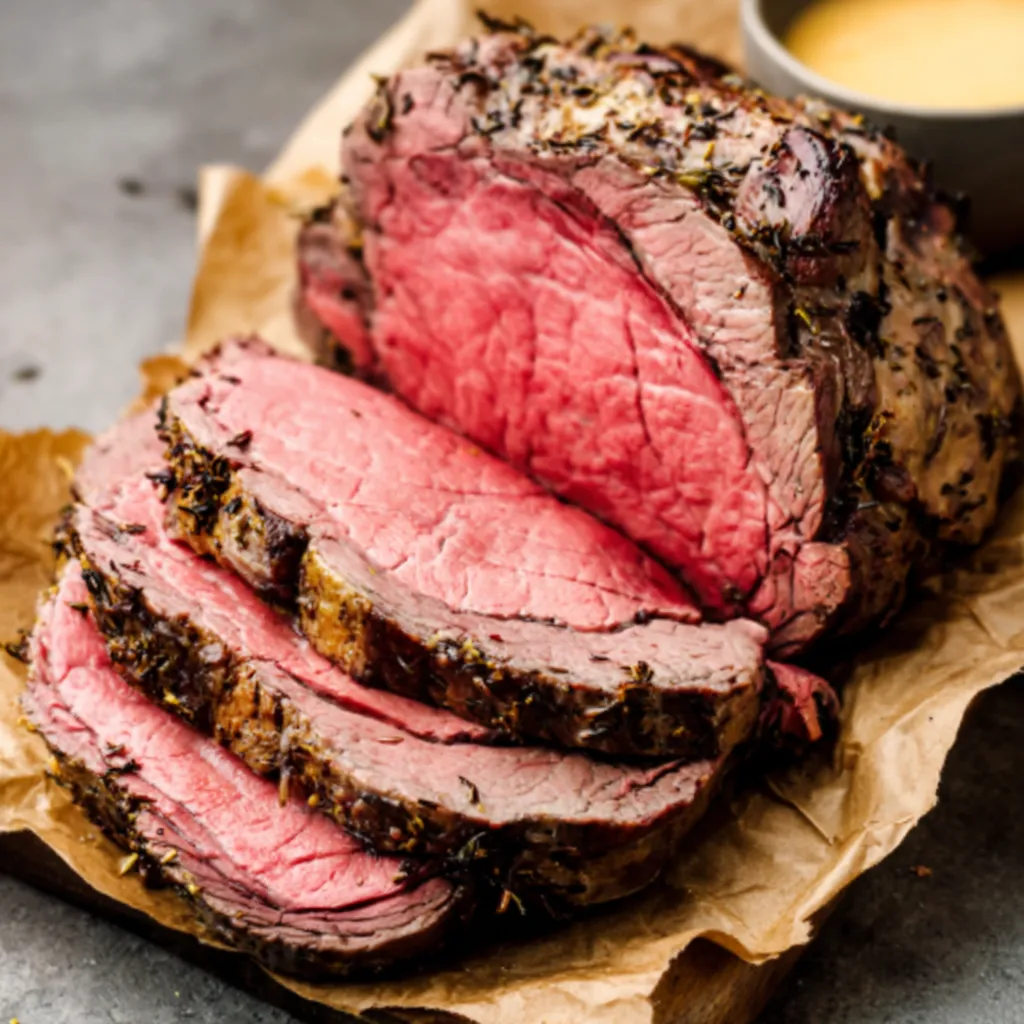
Perfect Beef Tenderloin Roast
This recipe delivers a consistently juicy and tender beef tenderloin roast with a beautifully browned crust. Searing the roast before oven-roasting, using a meat thermometer, and allowing for a resting period are key to achieving perfection.
Ingredients
Equipment
Method
- Pat the beef tenderloin dry with paper towels.
- In a small bowl, combine the salt, pepper, garlic powder, thyme, and rosemary.
- Rub the mixture evenly over the entire surface of the beef tenderloin.
- Heat the olive oil in a large oven-safe skillet over medium-high heat (optional).
- Sear the beef tenderloin on all sides until browned, about 2-3 minutes per side (optional).
- Place the seared tenderloin on a rack in a roasting pan.
- Roast in a preheated oven at 425°F (220°C) for 20-25 minutes for medium-rare (130-135°F) or 25-30 minutes for medium (135-140°F). Use a meat thermometer to ensure accuracy.
- Remove the roast from the oven and let it rest for at least 10 minutes before slicing.
- Slice the beef tenderloin against the grain and serve immediately.
Notes
For best results, use a high-quality meat thermometer to monitor the internal temperature of the roast. Letting the roast rest before slicing allows the juices to redistribute, resulting in a more tender and flavorful roast. Serve with roasted vegetables, mashed potatoes, or a red wine reduction sauce.