
The Secret Sauce: Unveiling the Science of Mongolian Chicken
The magic of Mongolian Chicken lies in a delicate balance of sweet, savory, and slightly spicy flavors, all clinging to perfectly crisp chicken. This seemingly simple dish relies on fundamental scientific principles related to flavor development, protein manipulation, and sauce reduction. First, let’s talk about Maillard reaction. This is the chemical reaction between amino acids and reducing sugars that gives browned food its distinctive flavor. In Mongolian Chicken, this reaction is crucial for achieving the desirable browning and flavor complexity of the chicken and the sauce. High heat and proper dryness are key to maximizing this reaction. Next, consider the role of cornstarch. Cornstarch is a vital thickener that creates that characteristic glossy and clinging sauce. It works by absorbing water and expanding when heated, increasing the viscosity of the sauce. However, using too much cornstarch can lead to a gloppy, unpleasant texture. Finding the right balance is crucial. Finally, the ratio of sweet, savory, and spicy components determines the overall flavor profile. Too much sweetness can make the dish cloying, while too much soy sauce can overpower the other flavors. A well-balanced sauce uses umami from soy sauce, sweetness from sugar (often brown sugar), acidity from vinegar, and a hint of spice from chili flakes or a similar source. Understanding these interactions is paramount to crafting the perfect Mongolian Chicken.The Ultimate Mongolian Chicken Recipe
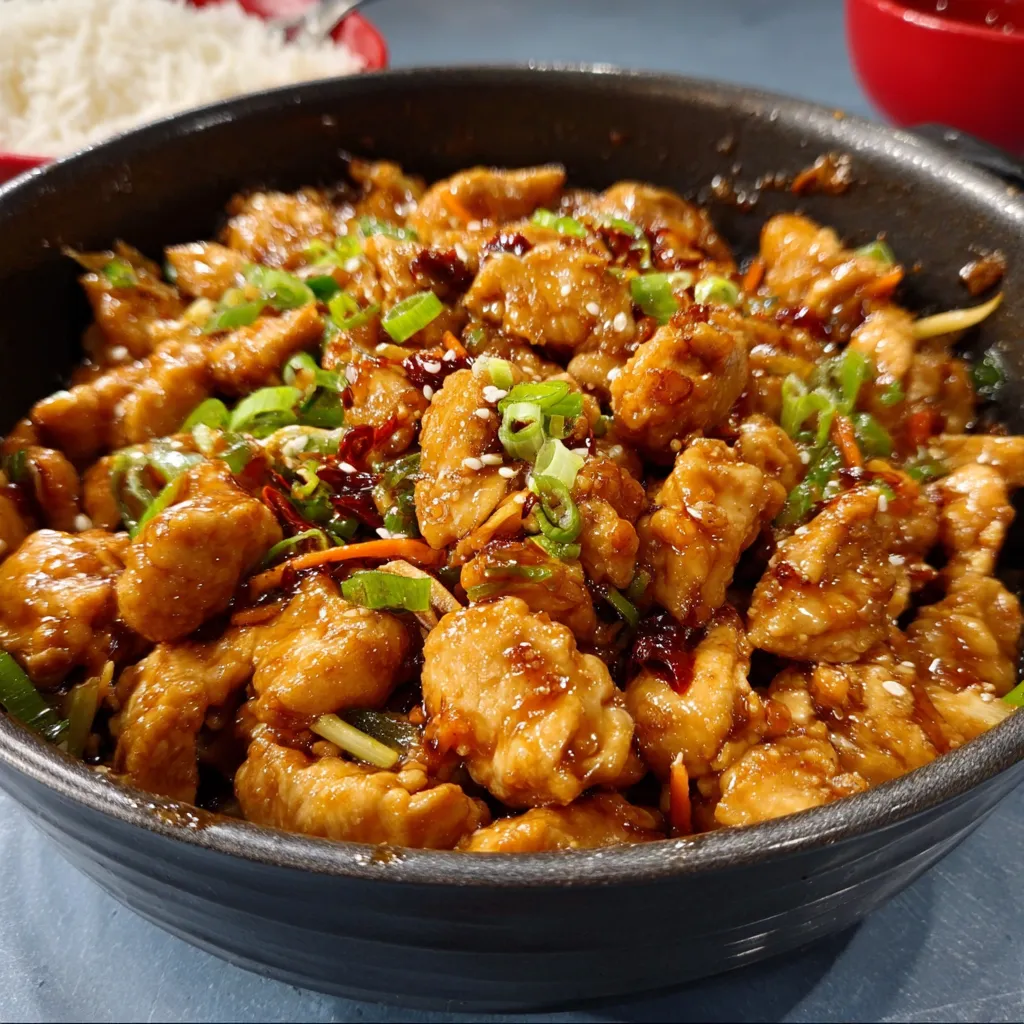 This recipe is the culmination of countless experiments and taste tests, designed to deliver consistently delicious results.
Ingredients:
- For the Chicken:
- 1.5 lbs boneless, skinless chicken thighs, cut into 1-inch pieces
- 1/2 cup cornstarch
- 1/2 tsp salt
- 1/4 tsp black pepper
- 1/4 cup vegetable oil, for frying
- For the Sauce:
- 1/4 cup soy sauce
- 1/4 cup brown sugar, packed
- 1/4 cup water
- 2 tbsp rice vinegar
- 1 tbsp cornstarch
- 1 tbsp vegetable oil
- 2 cloves garlic, minced
- 1 tsp ginger, minced
- 1/2 tsp red pepper flakes (or to taste)
- 1/4 cup sliced green onions, for garnish
Instructions:
- Prepare the Chicken: In a large bowl, combine the chicken pieces with cornstarch, salt, and pepper. Toss until the chicken is evenly coated.
- Fry the Chicken: Heat the vegetable oil in a large skillet or wok over medium-high heat. Once the oil is hot, carefully add the chicken in a single layer (you may need to do this in batches). Fry for 5-7 minutes per side, or until golden brown and cooked through. Remove the chicken from the skillet and set aside on a plate lined with paper towels to drain excess oil.
- Make the Sauce: In a small bowl, whisk together the soy sauce, brown sugar, water, rice vinegar, and cornstarch. Set aside.
- Cook the Sauce: Heat the vegetable oil in the same skillet or wok over medium heat. Add the minced garlic and ginger, and cook for about 30 seconds, or until fragrant. Be careful not to burn the garlic.
- Combine: Pour the sauce mixture into the skillet and bring to a simmer, stirring constantly. Cook for 1-2 minutes, or until the sauce has thickened and is glossy.
- Add Chicken: Add the fried chicken to the skillet and toss to coat with the sauce. Cook for another minute or two, until the chicken is heated through and the sauce has evenly coated it.
- Garnish & Serve: Garnish with sliced green onions and serve immediately over rice or noodles.
Decoding the Deliciousness: My Culinary Investigation
Like many of you, I initially thought Mongolian Chicken was just another sugary stir-fry. My first few attempts were a disaster – the sauce was either too thin, too thick, or just plain bland. It wasn’t until I started digging into the science behind the recipe that I began to understand how to truly unlock its potential.The Great Cornstarch Caper
My initial mistake was underestimating the power of cornstarch. I thought a little bit would do the trick, but the sauce remained watery and refused to cling to the chicken. Then, I had an “Aha!” moment when I realized that cornstarch needs to be properly hydrated and heated to achieve its full thickening potential. That’s why the recipe now emphasizes whisking the cornstarch with the liquids *before* adding it to the skillet. This ensures that it dissolves properly and thickens evenly when heated.Soy Sauce Showdown
Another challenge was finding the right balance of soy sauce. My first few batches tasted overwhelmingly salty. It turned out I was using a low-sodium soy sauce, which actually meant I was adding more to compensate for the lack of flavor, resulting in a saltier dish. Switching to a regular soy sauce and carefully measuring the amount made a huge difference. This highlights the importance of understanding your ingredients and their impact on the final dish. It’s just like when I’m making Bourbon Chicken, where the type of bourbon I use dramatically affects the final flavor.Spice is Nice (But Not Too Much)
Finally, the spice level was another area that needed tweaking. I love a good kick, but I didn’t want the heat to overshadow the other flavors. I experimented with different types of chili flakes and found that a moderate amount of red pepper flakes provided the perfect amount of warmth without being overpowering. You can also add a touch of sriracha or chili garlic sauce for an extra layer of flavor, but be sure to adjust the amount to your personal preference. The same consideration applies when I am making Honey Garlic Chicken; I have to be careful when adding pepper to complement the sweet honey-garlic flavor!The Chicken Conundrum
Using chicken thighs instead of chicken breasts was another game-changer. Chicken thighs are more forgiving and stay juicier during the frying process, resulting in a more tender and flavorful dish. The higher fat content also contributes to better browning and helps to carry the flavors of the sauce. Similar to how I prefer thighs when I make Crockpot Teriyaki Chicken!The Foolproof Formula: Mastering the Mongolian Chicken Technique
After all my experiments, I’ve distilled the process down to a simple, foolproof method:- Prepare the Chicken Properly: Ensure the chicken is evenly coated in cornstarch for optimal crispness.
- Fry at the Right Temperature: Use medium-high heat to achieve a golden-brown color without burning the chicken.
- Whisk the Sauce: Combine all sauce ingredients in a bowl and whisk thoroughly before adding to the skillet.
- Cook the Sauce Until Glossy: Simmer the sauce until it thickens and becomes glossy, indicating that the cornstarch has fully activated.
- Coat Evenly: Toss the fried chicken with the sauce until it is evenly coated and heated through.
- Garnish Generously: Garnish with sliced green onions for a pop of freshness and visual appeal.
What is the key to making great Mongolian Chicken?
The magic of Mongolian Chicken lies in a delicate balance of sweet, savory, and slightly spicy flavors, all clinging to perfectly crisp chicken. This relies on the Maillard reaction, proper cornstarch usage, and a balanced ratio of sweet, savory, and spicy components.
Why does the recipe call for whisking the cornstarch with the liquid ingredients before adding it to the skillet?
Whisking the cornstarch with the liquids before adding it to the skillet ensures that it dissolves properly and thickens evenly when heated. This helps avoid a watery sauce.
Why does the recipe recommend using chicken thighs instead of chicken breasts?
Chicken thighs are more forgiving and stay juicier during the frying process, resulting in a more tender and flavorful dish. The higher fat content also contributes to better browning and helps to carry the flavors of the sauce.
What’s the importance of achieving a glossy sauce when making Mongolian Chicken?
Simmering the sauce until it thickens and becomes glossy indicates that the cornstarch has fully activated, which is essential for achieving the desired texture and consistency of the sauce.
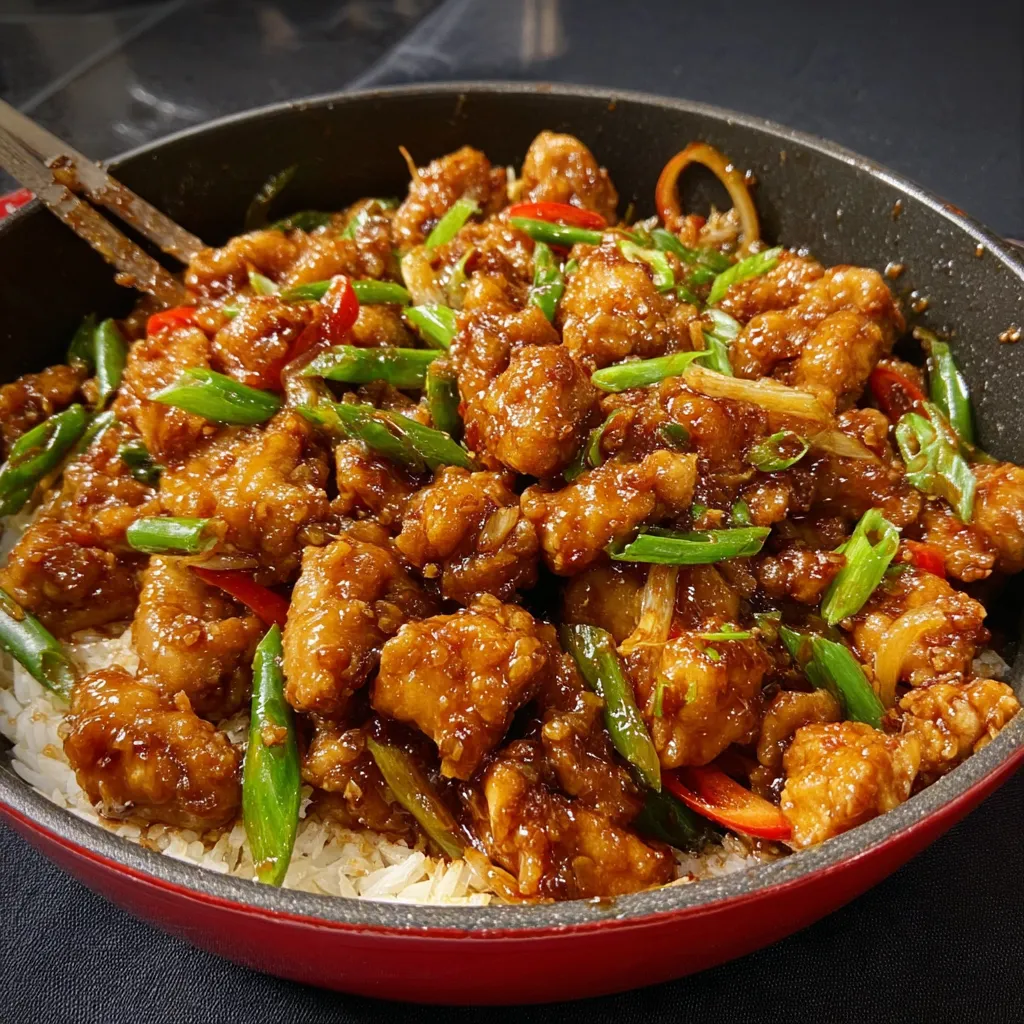
Best Mongolian Chicken
Ingredients
Equipment
Method
- Prepare the Chicken: In a large bowl, combine the chicken pieces with cornstarch, salt, and pepper. Toss until the chicken is evenly coated.
- Fry the Chicken: Heat the vegetable oil in a large skillet or wok over medium-high heat. Once the oil is hot, carefully add the chicken in a single layer (you may need to do this in batches). Fry for 5-7 minutes per side, or until golden brown and cooked through. Remove the chicken from the skillet and set aside on a plate lined with paper towels to drain excess oil.
- Make the Sauce: In a small bowl, whisk together the soy sauce, brown sugar, water, rice vinegar, and cornstarch. Set aside.
- Cook the Sauce: Heat the vegetable oil in the same skillet or wok over medium heat. Add the minced garlic and ginger, and cook for about 30 seconds, or until fragrant. Be careful not to burn the garlic.
- Combine: Pour the sauce mixture into the skillet and bring to a simmer, stirring constantly. Cook for 1-2 minutes, or until the sauce has thickened and is glossy.
- Add Chicken: Add the fried chicken to the skillet and toss to coat with the sauce. Cook for another minute or two, until the chicken is heated through and the sauce has evenly coated it.
- Garnish & Serve: Garnish with sliced green onions and serve immediately over rice or noodles.