
The Alchemy of Coconut & Spice: Decoding Kuku Paka’s Essence
At its heart, Kuku Paka is a symphony of coconut milk, chicken, and a carefully balanced blend of spices. But understanding *why* these ingredients work so well together is crucial to mastering the dish. The coconut milk, beyond adding richness and creaminess, acts as a solvent for fat-soluble flavor compounds present in the spices. This allows the flavors to meld beautifully and penetrate the chicken more effectively. The acidity, often provided by tomatoes or lemon juice, cuts through the richness of the coconut milk and brightens the overall profile. Furthermore, the Maillard reaction, occurring when the chicken is browned, contributes depth and complexity, creating hundreds of new flavor compounds that complement the spices. Without proper browning, you lose a critical layer of flavor that elevates Kuku Paka. The key spices–ginger, garlic, chilies, cumin, coriander, turmeric–each play a distinct role, layering aroma, warmth, and subtle heat. And don’t underestimate the power of fresh cilantro or coriander leaves at the end; their volatile oils add a burst of freshness that ties everything together.The Definitive Kuku Paka Recipe
 This recipe is the culmination of countless experiments and refinements. It’s designed to be foolproof and deliver consistently delicious results.
Ingredients:
- 1.5 lbs boneless, skinless chicken thighs, cut into 1-inch pieces
- 1 large onion, finely chopped
- 4 cloves garlic, minced
- 1-inch piece of ginger, grated
- 1-2 green chilies, finely chopped (adjust to taste)
- 1 teaspoon ground cumin
- 1 teaspoon ground coriander
- 1/2 teaspoon turmeric powder
- 1/4 teaspoon chili powder (optional, for extra heat)
- 1 (14.5 oz) can diced tomatoes, undrained
- 1 (13.5 oz) can full-fat coconut milk
- 1/4 cup chopped cilantro, plus more for garnish
- 2 tablespoons vegetable oil
- 1 tablespoon lemon juice
- Salt and pepper to taste
Instructions:
- Marinate the Chicken: In a bowl, combine the chicken pieces with 1/2 teaspoon salt, 1/4 teaspoon pepper, and 1/2 teaspoon turmeric powder. Mix well and let it marinate for at least 30 minutes (or up to 2 hours in the refrigerator).
- Sauté the Aromatics: Heat the vegetable oil in a large pot or Dutch oven over medium heat. Add the chopped onion and sauté until softened and translucent, about 5-7 minutes. Add the minced garlic, grated ginger, and chopped green chilies. Sauté for another minute until fragrant.
- Bloom the Spices: Add the ground cumin, ground coriander, turmeric powder, and chili powder (if using) to the pot. Sauté for about 30 seconds, stirring constantly, until the spices become fragrant. Be careful not to burn them.
- Brown the Chicken: Add the marinated chicken to the pot and cook, stirring occasionally, until browned on all sides. This step is crucial for developing flavor.
- Simmer in Coconut Milk: Pour in the diced tomatoes (undrained) and coconut milk. Bring to a simmer, then reduce the heat to low, cover, and cook for 20-25 minutes, or until the chicken is cooked through and tender.
- Finish and Serve: Stir in the chopped cilantro and lemon juice. Taste and adjust seasoning with salt and pepper as needed. Garnish with fresh cilantro before serving. Serve hot with rice or naan bread. Consider serving this alongside Brown Sugar Pineapple Chicken for a truly memorable meal.
The Kuku Paka Chronicles: My Spicy Misadventures
My journey to Kuku Paka perfection was far from linear. Like many of you, I initially thought it was “just another curry,” and my first few attempts were a disaster – bland, watery, and lacking the depth I craved. But I refused to give up. I dove into cookbooks, online forums, and even consulted with chefs who specialized in East African cuisine.The Case of the Watery Sauce
My initial problem was consistently ending up with a watery sauce. I quickly learned that using full-fat coconut milk is non-negotiable. Light coconut milk simply doesn’t provide the necessary richness and body. Furthermore, I discovered the importance of simmering the dish uncovered for the last few minutes to allow the sauce to thicken slightly. Another trick I found was to use a cornstarch slurry (1 tablespoon cornstarch mixed with 2 tablespoons cold water) added in the last 5 minutes to thicken.The Spice Revelation
Then, I had an “Aha!” moment when I realized the importance of blooming the spices properly. Simply throwing them into the pot with the other ingredients didn’t cut it. By sautéing the spices in oil before adding the chicken, I unlocked their full potential, releasing their aromatic oils and creating a far more complex and flavorful base. And trust me, using fresh spices makes a HUGE difference!Taming the Heat
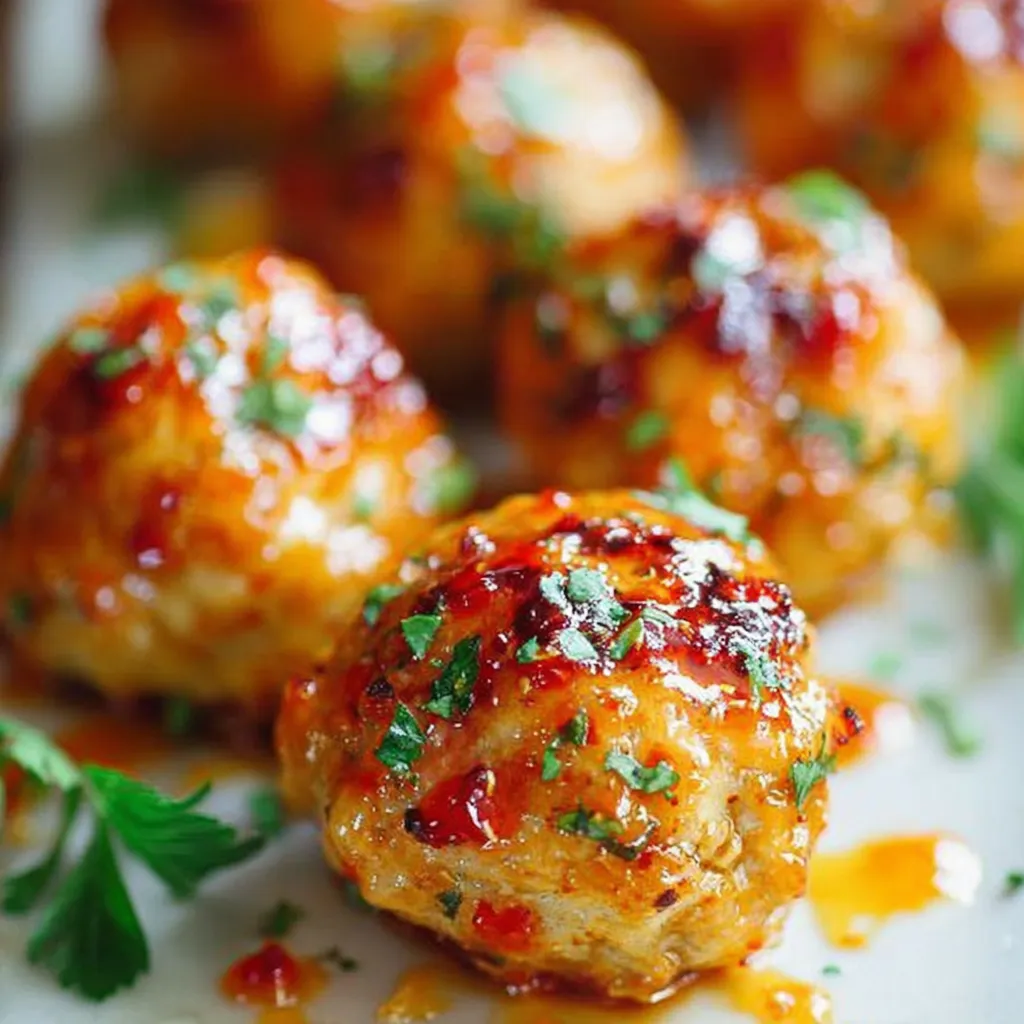
Another challenge was controlling the heat level. I love spicy food, but I didn’t want to overpower the other flavors. After experimenting with different types and quantities of chilies, I found that using 1-2 finely chopped green chilies provides a nice kick without being overwhelming. Removing the seeds also helps to reduce the heat. For those who prefer a milder flavor, omitting the chilies altogether is perfectly acceptable. Alternatively, a pinch of chili powder at the end will add a slight pleasant warmth. If you want a sweet and spicy kick, serve this alongside some Sticky Pineapple Teriyaki Chicken Meatballs.The Chicken Conundrum
Finally, I experimented with different cuts of chicken. While boneless, skinless chicken breasts are a convenient option, I found that chicken thighs yield far superior results. Thighs are more flavorful and remain tender and juicy even after simmering in the coconut milk. Browning the chicken properly is also key to flavor development. I now start by marinating the chicken, then browning the chicken to ensure a flavorful foundation.The Foolproof Kuku Paka Method: A Step-by-Step Guide to Success
Follow these steps, and you’ll be making restaurant-quality Kuku Paka in no time!- Marinate the Chicken: This allows the flavors to penetrate and tenderize the meat. Even 30 minutes makes a difference.
- Bloom the Spices: Sautéing the spices in oil unlocks their full aromatic potential.
- Brown the Chicken: Don’t skip this step! It’s crucial for developing depth of flavor.
- Use Full-Fat Coconut Milk: This is non-negotiable for a rich and creamy sauce.
- Simmer Gently: Low and slow is the key to tender chicken and a flavorful sauce.
- Adjust Seasoning: Taste and adjust the salt, pepper, and lemon juice to your liking.
- Garnish Generously: Fresh cilantro adds a burst of freshness that ties everything together.
Why is it important to use full-fat coconut milk in Kuku Paka?
Using full-fat coconut milk is essential because light coconut milk doesn’t provide the necessary richness and body for the sauce.
What is the purpose of ‘blooming’ the spices in the Kuku Paka recipe?
Blooming the spices by sautéing them in oil unlocks their full aromatic potential, releasing their oils and creating a more complex and flavorful base.
Why does the recipe call for browning the chicken before simmering it in the coconut milk?
Browning the chicken is crucial for developing depth of flavor in the Kuku Paka. The Maillard reaction during browning creates new flavor compounds that complement the spices.
What kind of chicken is best to use for Kuku Paka?
While chicken breasts can be used, the recipe recommends chicken thighs as they are more flavorful and remain tender and juicy even after simmering in the coconut milk.
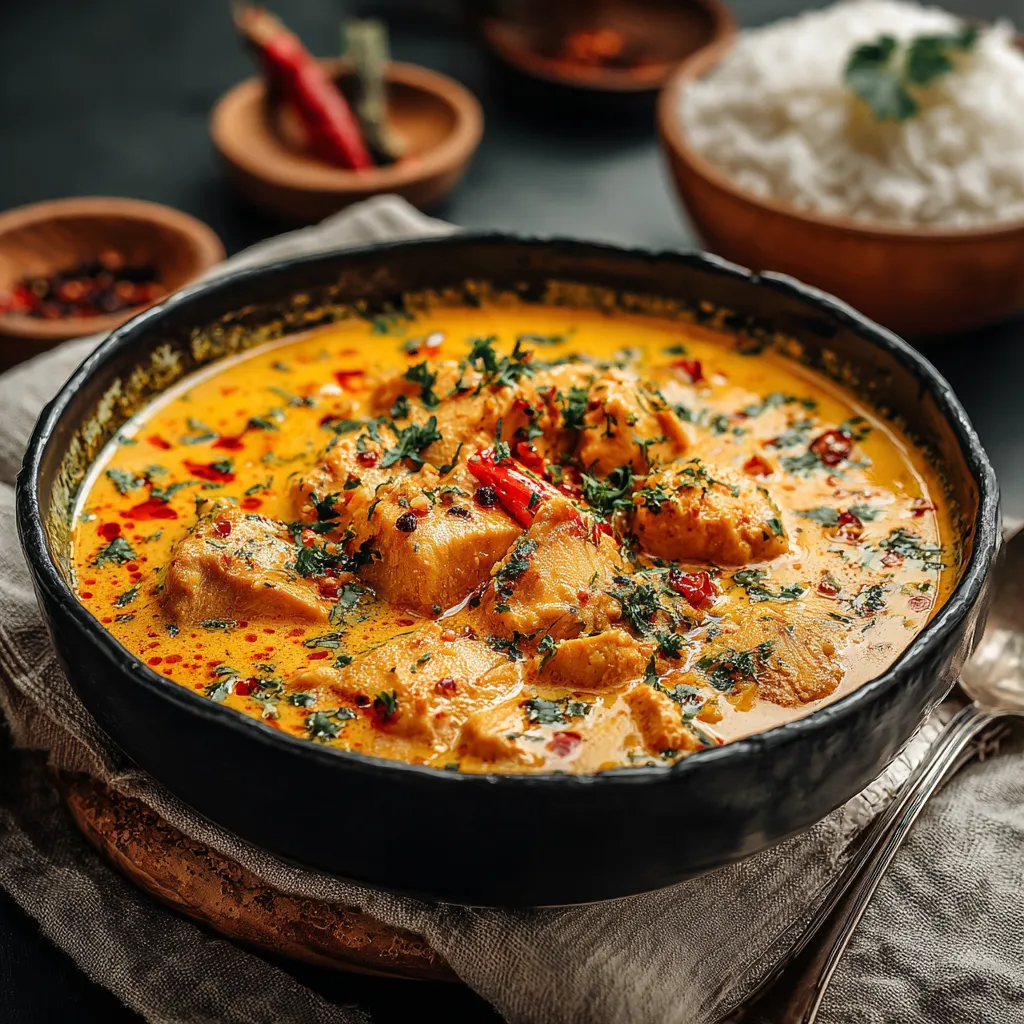
Best Kuku Paka Recipe
This Kuku Paka recipe delivers an unforgettable explosion of flavor through a symphony of coconut milk, chicken, and carefully balanced spices. The browning of the chicken and proper blooming of the spices are key to unlocking the dish’s depth and complexity, creating a consistently delicious and authentic East African experience.
Ingredients
Equipment
Method
- Marinate the Chicken: In a bowl, combine the chicken pieces with 1/2 teaspoon salt, 1/4 teaspoon pepper, and 1/2 teaspoon turmeric powder. Mix well and let it marinate for at least 30 minutes (or up to 2 hours in the refrigerator).
- Sauté the Aromatics: Heat the vegetable oil in a large pot or Dutch oven over medium heat. Add the chopped onion and sauté until softened and translucent, about 5-7 minutes. Add the minced garlic, grated ginger, and chopped green chilies. Sauté for another minute until fragrant.
- Bloom the Spices: Add the ground cumin, ground coriander, turmeric powder, and chili powder (if using) to the pot. Sauté for about 30 seconds, stirring constantly, until the spices become fragrant. Be careful not to burn them.
- Brown the Chicken: Add the marinated chicken to the pot and cook, stirring occasionally, until browned on all sides. This step is crucial for developing flavor.
- Simmer in Coconut Milk: Pour in the diced tomatoes (undrained) and coconut milk. Bring to a simmer, then reduce the heat to low, cover, and cook for 20-25 minutes, or until the chicken is cooked through and tender.
- Finish and Serve: Stir in the chopped cilantro and lemon juice. Taste and adjust seasoning with salt and pepper as needed. Garnish with fresh cilantro before serving. Serve hot with rice or naan bread.
Notes
For a richer sauce, use full-fat coconut milk and simmer uncovered for the last few minutes to allow the sauce to thicken. To control the heat level, adjust the amount of chilies or remove the seeds. Browning the chicken properly is key to flavor development. Fresh spices make a huge difference in the overall flavor. A cornstarch slurry (1 tablespoon cornstarch mixed with 2 tablespoons cold water) can be added in the last 5 minutes to thicken the sauce if needed.