
Unlocking the Allicin Enigma: The Science of *Soupe à l’ail*
The magic – and the potential pitfalls – of French Garlic Soup all stem from allicin, the compound responsible for garlic’s distinctive flavor and aroma. Intact garlic cloves contain alliin, an odorless compound. When garlic is crushed or chopped, an enzyme called alliinase is released, converting alliin into allicin. This is where the fun (and the potential for error) begins. Allicin is unstable and quickly breaks down into a variety of other sulfur-containing compounds, some of which are responsible for the harsh, acrid notes we sometimes experience when garlic is overcooked or improperly prepared. The trick, therefore, is to control the enzymatic reaction and subsequent breakdown of allicin. Applying heat deactivates alliinase, preventing further allicin production. Gentle, slow cooking allows the initial allicin to mellow and transform into sweeter, more nuanced flavors. Conversely, high heat or prolonged cooking can lead to the formation of bitter compounds. The addition of acidic ingredients like vinegar or lemon juice can also influence the flavor profile, helping to balance the sweetness and prevent excessive bitterness. This is why understanding how allicin works is vital to create the perfect Chicken Gnocchi Soup.*Soupe à l’ail*: The Perfect Recipe
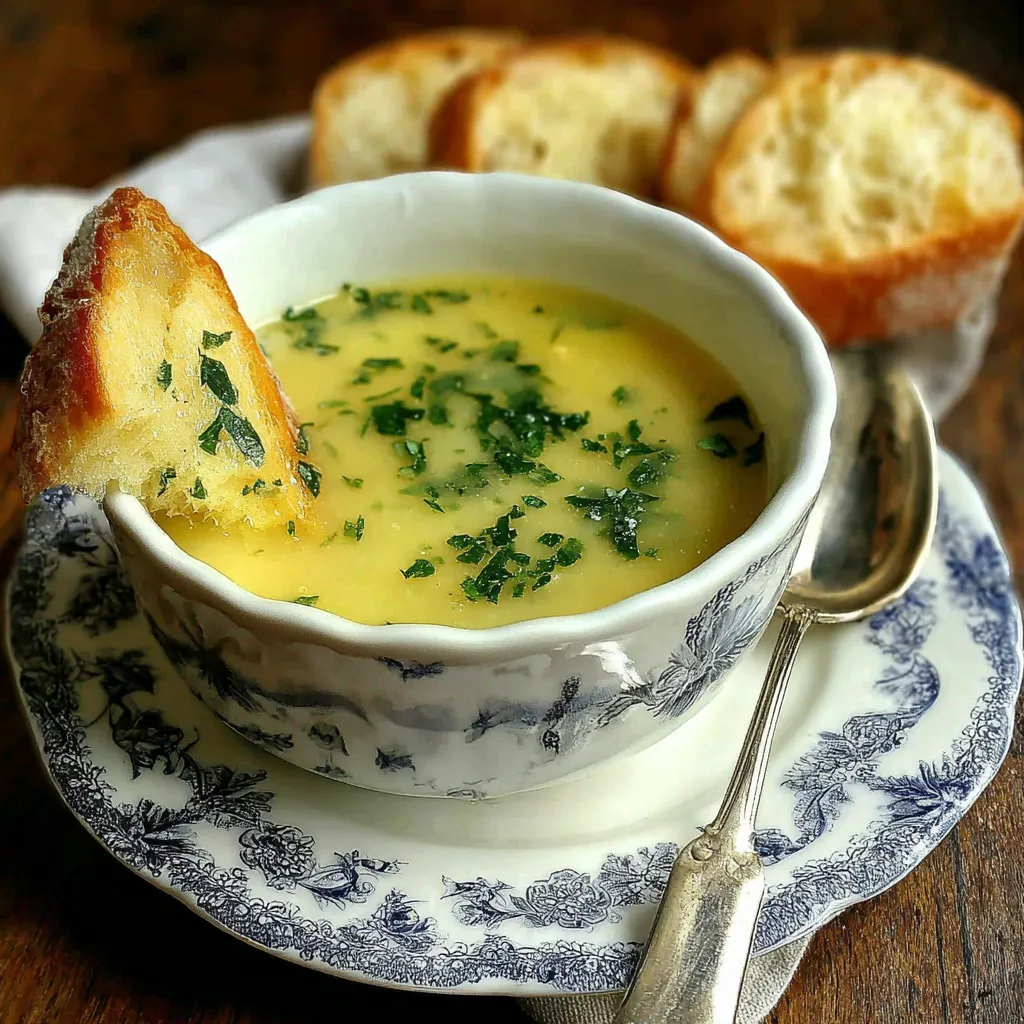 This recipe is the culmination of my experiments, designed to deliver a deeply flavorful and aromatic French Garlic Soup every time.
Ingredients:
- 8 cups chicken broth (homemade is best!)
- 10-12 cloves garlic, thinly sliced
- 1/4 cup olive oil
- 1 teaspoon dried thyme
- 1 bay leaf
- 1/4 cup dry sherry
- 2 tablespoons red wine vinegar
- Salt and freshly ground black pepper to taste
- 4 slices baguette, toasted or fried
- 4 eggs (optional)
- Grated Parmesan cheese (optional)
- Chopped fresh parsley (for garnish)
Instructions:
- Sauté the Garlic: In a large pot or Dutch oven, heat the olive oil over medium-low heat. Add the sliced garlic and cook gently, stirring frequently, until softened and lightly golden, about 10-15 minutes. Be careful not to brown or burn the garlic, as this will make it bitter.
- Infuse the Broth: Add the dried thyme and bay leaf to the pot. Cook for another minute, stirring constantly, until fragrant. Pour in the chicken broth and bring to a simmer.
- Simmer and Season: Reduce the heat to low and simmer gently for at least 30 minutes, or up to an hour, to allow the flavors to meld. Remove the bay leaf.
- Deglaze and Balance: Stir in the dry sherry and red wine vinegar. Season with salt and freshly ground black pepper to taste.
- Serve: Ladle the soup into bowls. Top each bowl with a slice of toasted or fried baguette. If desired, carefully crack an egg into each bowl just before serving and let it poach in the hot soup for a minute or two. Garnish with grated Parmesan cheese and chopped fresh parsley.
My Garlic Soup Odyssey: A Culinary Investigation
My journey to perfecting French Garlic Soup was paved with both triumph and frustration. Like many of you, I initially thought that more garlic automatically meant more flavor. My first few attempts were a disaster: the soup was overwhelmingly pungent, almost burning, and lacked any depth. I needed to understand why.The “Too Much Garlic” Debacle
I started by varying the amount of garlic. I tried using fewer cloves, but the soup tasted bland and lifeless. Then I went overboard, using what I thought was a “heroic” amount of garlic, and ended up with a soup that tasted like straight-up garlic breath. This is where I learned the crucial lesson: quantity isn’t everything. The *quality* of the garlic flavor depends on how it’s treated. This is a vital lesson that can apply to any soup, including Creamy Potato Soup.The Browning Point: A Bitter Awakening
Next, I experimented with different cooking times and temperatures. I quickly realized that browning the garlic was a major no-no. Even a slight hint of brownness resulted in a bitter, unpleasant flavor. The key, I discovered, was to cook the garlic gently over low heat, allowing it to soften and release its sweetness without burning.The Acid Test: Balancing the Flavor
Then, I had an “Aha!” moment when I started experimenting with acidity. The addition of dry sherry and red wine vinegar not only added complexity to the flavor profile but also helped to balance the sweetness of the garlic and prevent it from becoming cloying. The Chicken Stroganoff recipe also shows that acid can complement the flavor profile in any meal.The Broth Factor: A Foundation of Flavor
Finally, I realized that the quality of the chicken broth was paramount. Homemade broth made a world of difference, adding a richness and depth of flavor that store-bought broth simply couldn’t match. The same is applicable to Chicken Soup and the Italian Penicillin Soup.Mastering *Soupe à l’ail*: The Foolproof Technique
Based on my culinary investigation, here’s the foolproof method for making perfect French Garlic Soup:- Slice the Garlic Thinly: Thin, even slices ensure that the garlic cooks evenly and releases its flavor gradually.
- Sauté Gently: Cook the garlic over medium-low heat, stirring frequently, until softened and lightly golden. Avoid browning or burning.
- Use High-Quality Broth: Homemade chicken broth is best, but a good-quality store-bought broth will also work.
- Simmer Patiently: Allow the soup to simmer for at least 30 minutes to allow the flavors to meld.
- Balance with Acidity: Add dry sherry and red wine vinegar to balance the sweetness and prevent bitterness.
- Season Generously: Season with salt and freshly ground black pepper to taste.
What is the key to making a good French Garlic Soup?
The key lies in understanding the science behind garlic’s flavor transformation, specifically the role of allicin, and applying a technique that coaxes out its sweetness without sacrificing its characteristic kick. Controlling the enzymatic reaction and subsequent breakdown of allicin is vital.
Why is it important to cook the garlic gently and avoid browning it?
Browning the garlic results in a bitter, unpleasant flavor. Cooking it gently over low heat allows it to soften and release its sweetness without burning, which prevents the formation of bitter compounds.
What role do sherry and red wine vinegar play in French Garlic Soup?
The addition of dry sherry and red wine vinegar adds complexity to the flavor profile and helps to balance the sweetness of the garlic, preventing it from becoming cloying.
Why does the recipe call for simmering the soup for at least 30 minutes?
Simmering the soup for at least 30 minutes allows the flavors to meld together, creating a more cohesive and flavorful soup.
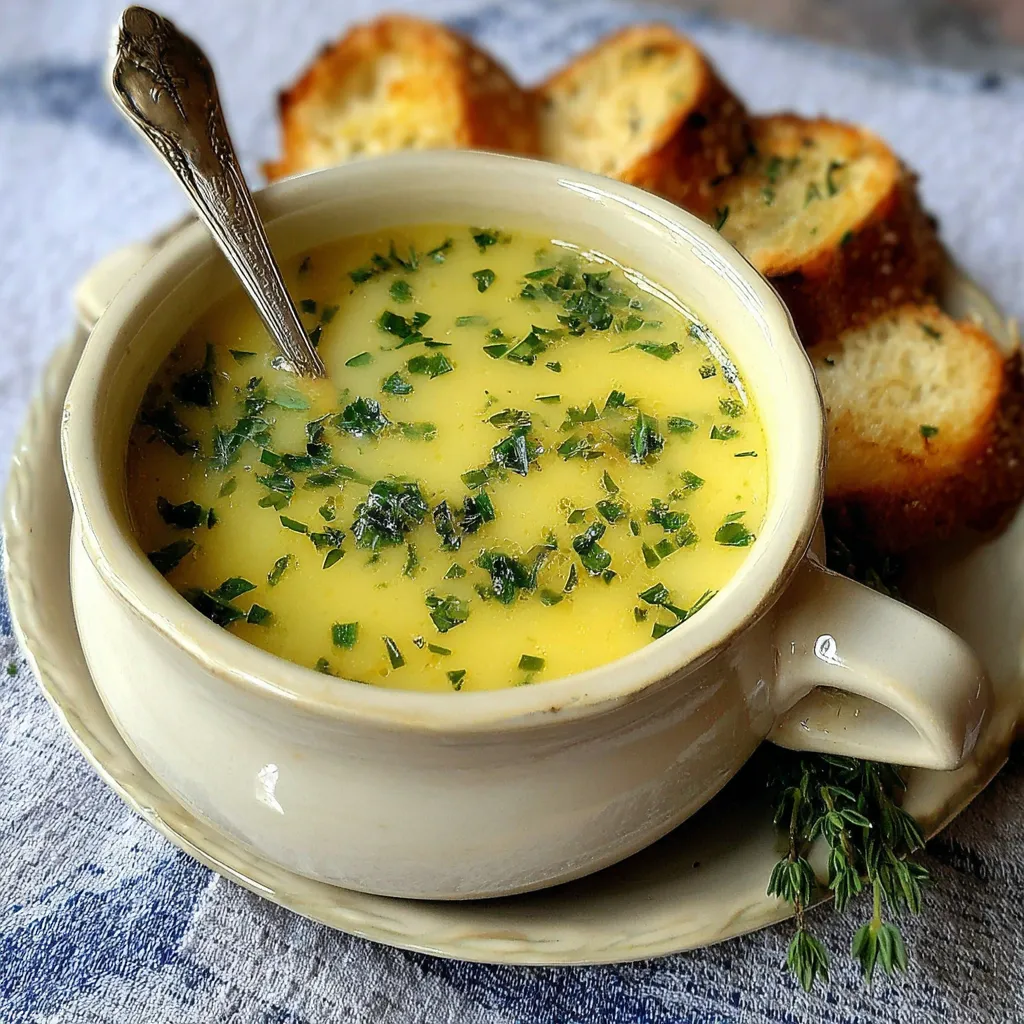
Easy French Garlic Soup (Soupe à l’ail)
Ingredients
Equipment
Method
- Sauté the Garlic: In a large pot or Dutch oven, heat the olive oil over medium-low heat. Add the sliced garlic and cook gently, stirring frequently, until softened and lightly golden, about 10-15 minutes. Be careful not to brown or burn the garlic, as this will make it bitter.
- Infuse the Broth: Add the dried thyme and bay leaf to the pot. Cook for another minute, stirring constantly, until fragrant. Pour in the chicken broth and bring to a simmer.
- Simmer and Season: Reduce the heat to low and simmer gently for at least 30 minutes, or up to an hour, to allow the flavors to meld. Remove the bay leaf.
- Deglaze and Balance: Stir in the dry sherry and red wine vinegar. Season with salt and freshly ground black pepper to taste.
- Serve: Ladle the soup into bowls. Top each bowl with a slice of toasted or fried baguette. If desired, carefully crack an egg into each bowl just before serving and let it poach in the hot soup for a minute or two. Garnish with grated Parmesan cheese and chopped fresh parsley.