
Unlocking the Alchemy: The Science Behind Superior Beef Pasta
The key to truly exceptional beef pasta lies in understanding the interplay of several scientific principles. First, consider the Maillard reaction, the chemical reaction between amino acids and reducing sugars that gives browned meat its distinctive flavor. Achieving a good sear on the beef is paramount; it’s not just about aesthetics but about developing depth of flavor. Secondly, the pasta itself is a variable. Starch gelatinization, the process by which pasta absorbs water and becomes tender, is crucial. Overcooking leads to mushiness, while undercooking results in a hard, unpleasant texture. Finally, emulsion – the process of combining oil-based and water-based ingredients – is fundamental to creating a smooth, luscious sauce. Understanding how to properly emulsify the sauce ensures it coats the pasta evenly and doesn’t separate. The addition of a bit of pasta water, rich in starch, is your best friend here. And let’s not forget the importance of acid to balance the richness of the beef and cream. A splash of lemon juice or a dash of balsamic vinegar can elevate the dish from good to extraordinary.The Ultimate Beef Pasta Recipe: A Culinary Blueprint
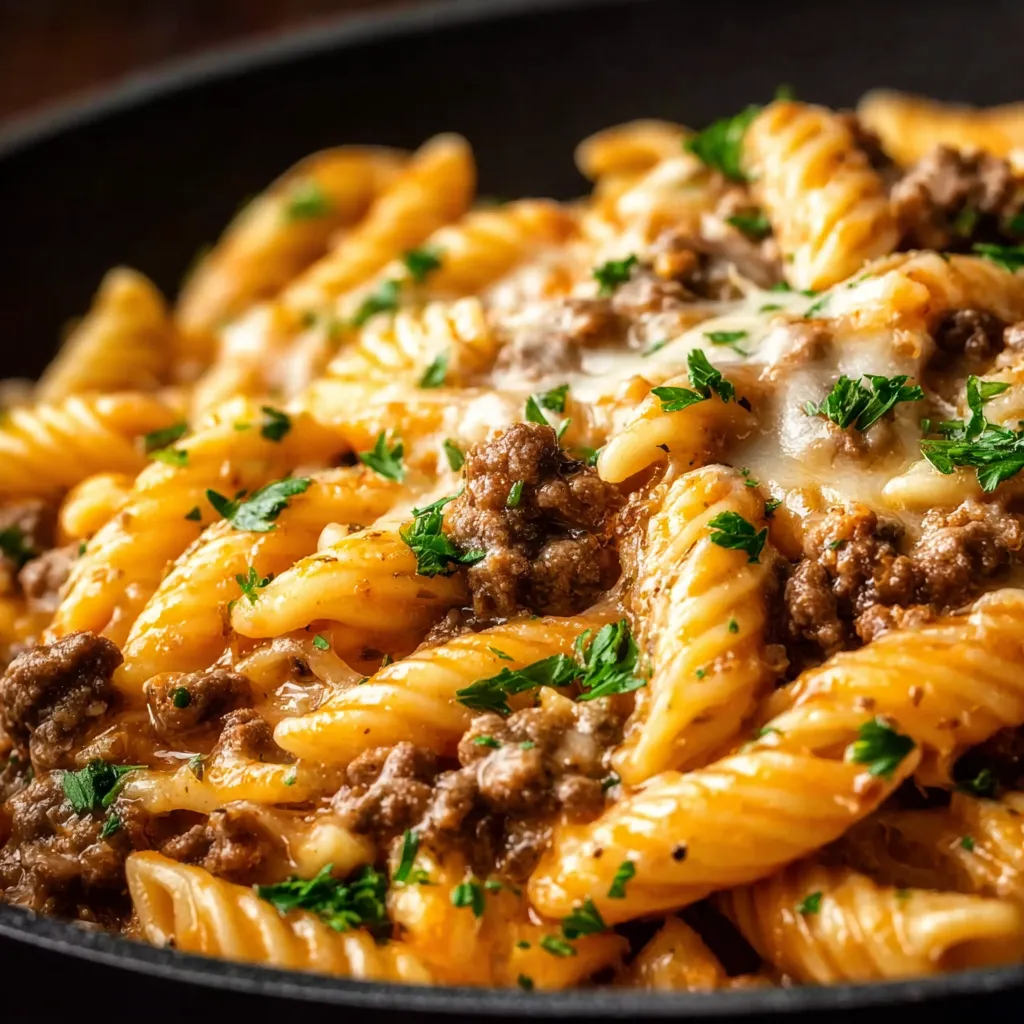 Here’s my tried-and-true method for creating beef pasta perfection, yielding a satisfying dish perfect for a quick 30-minute meal. This recipe provides a high-protein creamy beef pasta experience that is comforting and delicious.
Ingredients:
- 1 pound ground beef (80/20 blend preferred)
- 1 pound pasta (penne, rigatoni, or your favorite shape)
- 1 tablespoon olive oil
- 1 medium onion, chopped
- 2 cloves garlic, minced
- 1 (14.5 ounce) can diced tomatoes, undrained
- 1 (15 ounce) can tomato sauce
- 1 teaspoon dried oregano
- 1/2 teaspoon dried basil
- 1/4 teaspoon red pepper flakes (optional)
- 1/2 cup heavy cream
- 1/4 cup grated Parmesan cheese, plus more for serving
- Salt and freshly ground black pepper to taste
- Fresh parsley, chopped, for garnish
Instructions:
- Cook the Pasta: Bring a large pot of salted water to a boil. Add the pasta and cook according to package directions until al dente. Reserve about 1 cup of pasta water before draining.
- Brown the Beef: While the pasta is cooking, heat the olive oil in a large skillet over medium-high heat. Add the ground beef and cook, breaking it up with a spoon, until browned and cooked through. Drain off any excess grease.
- Sauté Aromatics: Add the chopped onion to the skillet and cook until softened, about 5 minutes. Add the minced garlic and cook for another minute until fragrant.
- Build the Sauce: Stir in the diced tomatoes (undrained), tomato sauce, oregano, basil, and red pepper flakes (if using). Season with salt and pepper to taste. Bring the sauce to a simmer and cook for 15-20 minutes, allowing the flavors to meld.
- Create the Creamy Finish: Stir in the heavy cream and Parmesan cheese. Cook for another 2-3 minutes, or until the cheese is melted and the sauce is smooth and creamy.
- Combine and Serve: Add the cooked pasta to the skillet with the sauce. Toss to coat evenly. If the sauce is too thick, add a little of the reserved pasta water until it reaches your desired consistency.
- Garnish and Enjoy: Serve immediately, garnished with fresh parsley and additional Parmesan cheese.
My Quest for the Perfect Plate: A Culinary Investigation
Like many of you, I initially thought making beef pasta was a no-brainer. Brown some beef, toss it with some sauce and pasta – what could go wrong? My first few attempts were a disaster. The beef was bland, the sauce was watery, and the pasta was either mushy or crunchy. It was hardly the comforting, satisfying meal I envisioned.The Early Fumbles: Flavorless Beef and Watery Sauce
My initial mistake was not browning the beef properly. I’d simply cook it until it was no longer pink, completely missing the opportunity to develop that deep, savory flavor through the Maillard reaction. The sauce was another problem. I used canned tomato sauce and diced tomatoes without letting them simmer long enough to develop complexity. The result was a thin, acidic sauce that tasted like…well, canned tomatoes. And speaking of tomato-based sauces, remember my misadventures making Bowtie Pasta With Ground Beef? It was the same battle!The “Aha!” Moment: Mastering the Maillard Reaction
Then, I had an “Aha!” moment. I realized the importance of high heat and patience when browning the beef. Instead of overcrowding the pan, I started working in batches, ensuring each piece had direct contact with the hot surface. The difference was remarkable. The browned beef imparted a rich, nutty flavor to the entire dish.The Sauce Revelation: Low and Slow is the Way to Go
For the sauce, I experimented with different simmering times. I discovered that letting the sauce simmer for at least 15-20 minutes allowed the flavors to meld and the sauce to thicken naturally. Adding a touch of sugar also helped to balance the acidity of the tomatoes. I also remembered how a bit of cream can really make a difference from when I made Ground Beef Stroganoff.The Pasta Predicament: Achieving Al Dente Perfection
Finally, I tackled the pasta issue. I learned that cooking the pasta al dente – firm to the bite – was crucial for achieving the right texture. I also discovered the magic of reserving pasta water. The starchy water helped to thicken the sauce and bind it to the pasta, creating a cohesive and delicious dish. I remembered this tip from attempting to make Creamy Beef Pasta.The Foolproof Method: A Step-by-Step Guide to Beef Pasta Bliss
After numerous experiments and taste tests, I’ve distilled the process into a simple, foolproof method. This recipe is designed to deliver consistently delicious results, even for novice cooks. This method also ensures a high-protein creamy beef pasta experience that is comforting and delicious, and ready in under 30-minutes.- Brown the Beef like a Pro: Use high heat and work in batches to achieve maximum browning. Don’t overcrowd the pan!
- Sauté Aromatics with Care: Don’t rush the onions and garlic. Sauté them until they are softened and fragrant.
- Simmer the Sauce Patiently: Let the sauce simmer for at least 15-20 minutes to develop complexity.
- Cook Pasta Al Dente: Cook the pasta until it is firm to the bite. Reserve pasta water before draining.
- Emulsify with Pasta Water: Use reserved pasta water to thicken the sauce and bind it to the pasta.
- Finish with Cream and Cheese: Add heavy cream and Parmesan cheese for a smooth, rich, and decadent finish.
- Season Generously: Don’t be afraid to season with salt, pepper, and other herbs and spices to taste. The same rule applied when I tried Bowtie Pasta With Ground Beef.
Why is browning the beef so important for beef pasta?
Browning the beef, achieving the Maillard reaction, is crucial for developing a deep, savory flavor that significantly enhances the overall taste of the dish. It’s not just about aesthetics; it’s about flavor depth.
What does ‘al dente’ mean when cooking pasta, and why is it important for this recipe?
‘Al dente’ means cooking the pasta until it is firm to the bite. It’s important because it ensures the pasta has the right texture – not mushy or crunchy – contributing to a more enjoyable eating experience.
Why is pasta water added to the sauce, and what does it do?
Reserved pasta water is added to the sauce because it’s rich in starch. This starchy water helps to thicken the sauce and bind it to the pasta, creating a cohesive and delicious dish that isn’t watery.
What is the purpose of simmering the sauce for 15-20 minutes?
Simmering the sauce for 15-20 minutes allows the flavors of the tomatoes, herbs, and spices to meld together and develop complexity. This also helps the sauce to thicken naturally, resulting in a richer and more flavorful final product.
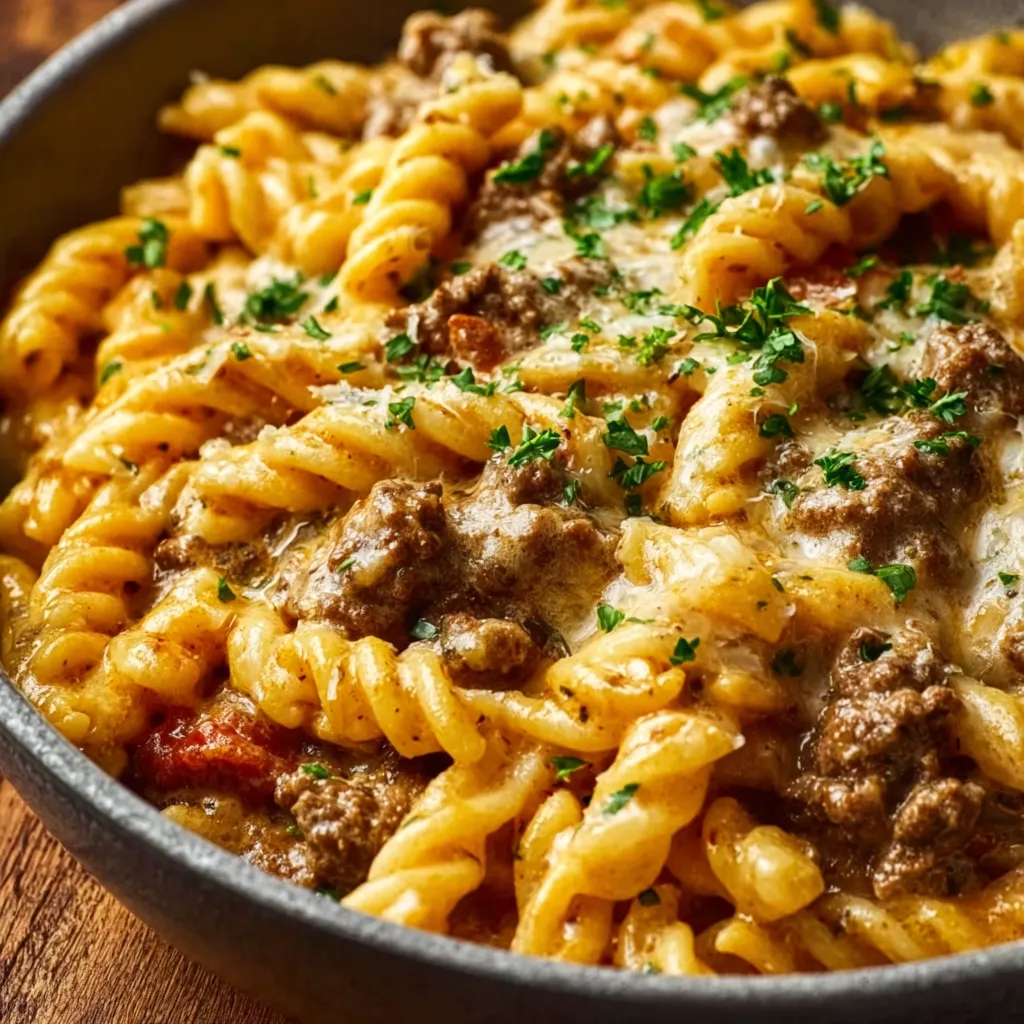
Perfect Creamy Beef Pasta
Ingredients
Equipment
Method
- Bring a large pot of salted water to a boil. Add the pasta and cook according to package directions until al dente. Reserve about 1 cup of pasta water before draining.
- While the pasta is cooking, heat the olive oil in a large skillet over medium-high heat. Add the ground beef and cook, breaking it up with a spoon, until browned and cooked through. Drain off any excess grease.
- Add the chopped onion to the skillet and cook until softened, about 5 minutes. Add the minced garlic and cook for another minute until fragrant.
- Stir in the diced tomatoes (undrained), tomato sauce, oregano, basil, and red pepper flakes (if using). Season with salt and pepper to taste. Bring the sauce to a simmer and cook for 15-20 minutes, allowing the flavors to meld.
- Stir in the heavy cream and Parmesan cheese. Cook for another 2-3 minutes, or until the cheese is melted and the sauce is smooth and creamy.
- Add the cooked pasta to the skillet with the sauce. Toss to coat evenly. If the sauce is too thick, add a little of the reserved pasta water until it reaches your desired consistency.
- Serve immediately, garnished with fresh parsley and additional Parmesan cheese.