
Decoding Deliciousness: The Science Behind the Glaze
The magic of balsamic fig glazed chicken lies in the interplay of several key components, each contributing unique characteristics to the final flavor profile. First, let’s consider the balsamic vinegar itself. True balsamic vinegar, aged for years in wooden barrels, boasts a complex sweetness derived from concentrated grape sugars and a characteristic tanginess from acetic acid. Cheaper imitations often rely on added sugars and artificial flavors, resulting in a one-dimensional taste. The fig component contributes further sweetness and a delightful textural element, particularly when the figs break down during cooking, releasing their natural sugars into the glaze. Finally, the chicken thighs, with their higher fat content compared to breast meat, provide a rich, savory foundation that perfectly complements the sweet and tangy glaze. The Maillard reaction, occurring when the chicken is seared at high heat, creates hundreds of flavor compounds, adding depth and complexity to the dish. Balancing the acidity of the vinegar, the sweetness of the figs, and the umami of the chicken is crucial for achieving that coveted harmonious balance.The Definitive Recipe: Balsamic Fig Glazed Chicken Thighs
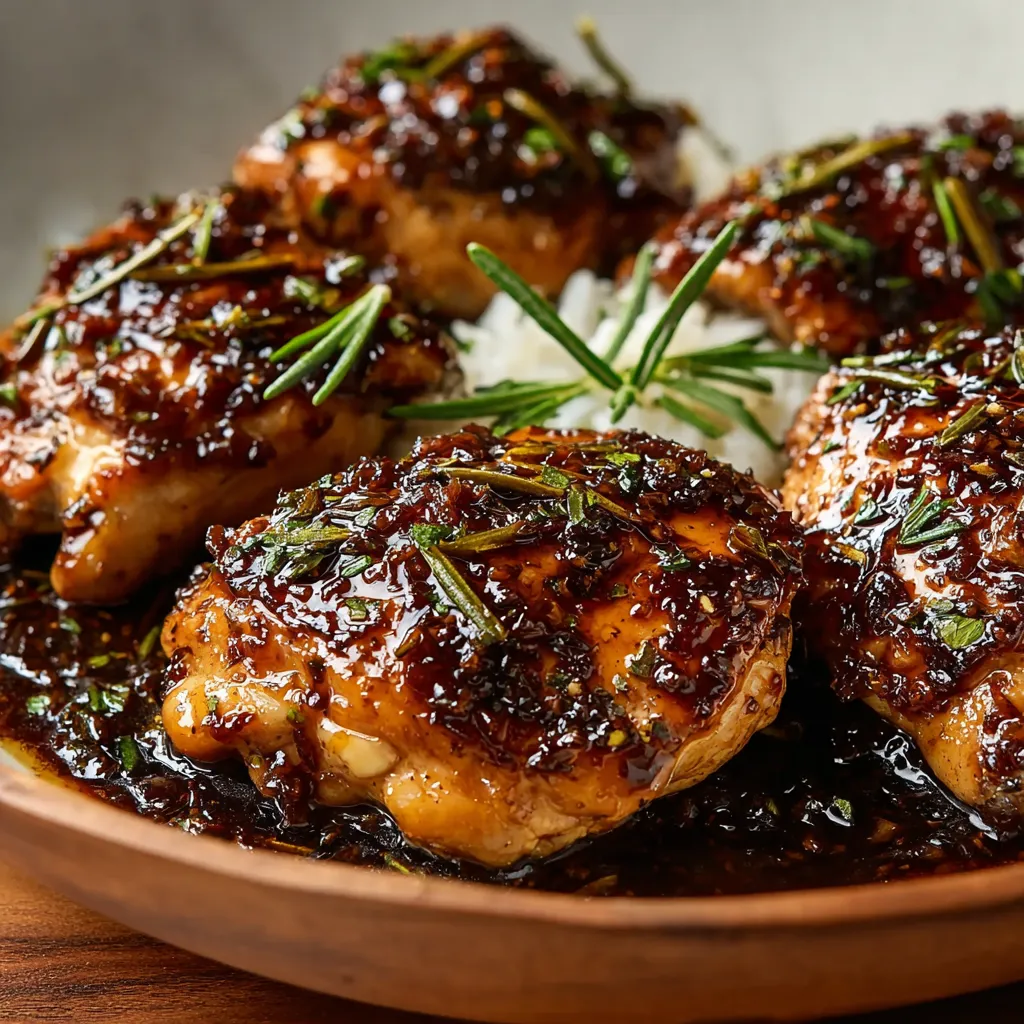 Here’s the recipe that emerged victorious from my kitchen trials.
Ingredients:
- 6 boneless, skinless chicken thighs (about 1.5 pounds)
- 1 tablespoon olive oil
- 1/2 teaspoon salt
- 1/4 teaspoon black pepper
- 1/2 cup balsamic vinegar
- 1/4 cup fig jam (or 6 dried figs, chopped)
- 2 cloves garlic, minced
- 1 tablespoon Dijon mustard
- 1 teaspoon dried thyme
- 1/4 cup chicken broth
- 1 tablespoon butter (optional, for extra richness)
- Fresh parsley, chopped (for garnish)
Instructions:
- Pat the chicken thighs dry with paper towels. Season with salt and pepper.
- Heat the olive oil in a large skillet over medium-high heat.
- Sear the chicken thighs for 4-5 minutes per side, until golden brown. Remove the chicken from the skillet and set aside.
- Reduce the heat to medium. Add the balsamic vinegar, fig jam (or chopped dried figs), minced garlic, Dijon mustard, and dried thyme to the skillet.
- Bring the mixture to a simmer, scraping up any browned bits from the bottom of the pan.
- Add the chicken broth to the skillet.
- Return the chicken thighs to the skillet. Spoon the balsamic fig glaze over the chicken.
- Reduce the heat to low, cover the skillet, and simmer for 15-20 minutes, or until the chicken is cooked through and reaches an internal temperature of 165°F (74°C).
- Remove the chicken from the skillet. If desired, add the butter to the skillet and simmer the glaze for a few minutes to thicken it further.
- Spoon the balsamic fig glaze over the chicken thighs. Garnish with fresh parsley.
- Serve immediately with your favorite sides.
My Kitchen Odyssey: The Balsamic Fig Chronicles
My journey to perfecting balsamic fig glazed chicken thighs was not without its stumbles. Like many of you, I initially thought it would be a simple matter of throwing ingredients together and hoping for the best.The Balsamic Blunder
My first few attempts were a disaster. The glaze was either too acidic, too sweet, or simply lacked depth. I realized that the quality of the balsamic vinegar was paramount. Using a cheap, watery balsamic resulted in a thin, vinegary sauce that overpowered the other flavors. I upgraded to a higher-quality balsamic vinegar, one with a syrupy consistency and a rich, complex flavor profile, and instantly noticed a difference. This also made me think of how similar the flavor profile could be when compared to Honey Garlic Chicken.Figuring Out the Figs
Then, I had an “Aha!” moment regarding the figs. Fresh figs are ideal when in season, but out of season, dried figs proved to be a surprisingly effective substitute. Chopping them finely and allowing them to simmer in the balsamic vinegar helped them break down and release their natural sugars, creating a lusciously thick and flavorful glaze. Fig jam also works well, providing a concentrated burst of fig flavor. I found a local jam that had a touch of orange zest, and the citrus notes really elevated the dish. It was a nice change of pace from my usual Honey Garlic Chicken recipe.The Chicken Conundrum
I also experimented with different cuts of chicken. While chicken breasts can work, I found that boneless, skinless chicken thighs were the superior choice. Their higher fat content kept them moist and juicy, even when cooked at higher temperatures. And speaking of chicken thighs, if you are ever in a pinch for time, I suggest trying Air Fryer Boneless Chicken Thighs. The marinade is easy and the cook time is even easier.The Umami Upgrade
Finally, I discovered the importance of adding a touch of Dijon mustard and dried thyme to the glaze. The Dijon mustard provided a subtle tang and emulsifying power, while the thyme added an earthy, herbaceous note that balanced the sweetness of the figs and balsamic vinegar. Adding chicken broth helped to deglaze the pan and create a more substantial sauce. A little butter at the end gave the glaze a velvety texture. And if I’m feeling adventurous, I sometimes think about how I could incorporate the flavors of Honey Garlic Butter Chicken into this dish.The Foolproof Method: Mastering the Glaze
Through trial and error, I’ve distilled the process down to a few key steps:- Choose High-Quality Balsamic Vinegar: Don’t skimp on the balsamic. A good quality balsamic will make all the difference.
- Embrace the Fig: Use fresh figs when in season, or opt for high-quality fig jam or finely chopped dried figs.
- Pat the Chicken Dry: Ensuring the chicken is dry before searing promotes browning and prevents it from steaming.
- Sear for Success: Sear the chicken thighs in a hot skillet to develop a flavorful crust.
- Simmer and Reduce: Allow the glaze to simmer and reduce, intensifying the flavors and creating a thick, syrupy consistency.
- Don’t Overcook: Cook the chicken until it reaches an internal temperature of 165°F (74°C) to ensure it’s cooked through but still juicy. Overcooking will lead to dry, tough chicken. You can also try other easy recipes such as Skillet Chicken Thighs or even Keto One-skillet Chicken Thighs.
Why are chicken thighs recommended over chicken breasts for this recipe?
Boneless, skinless chicken thighs are preferred because their higher fat content keeps them moist and juicy, even when cooked at higher temperatures.
What makes a good quality balsamic vinegar important for this dish?
A high-quality balsamic vinegar has a complex sweetness from concentrated grape sugars and a characteristic tanginess from acetic acid. Cheaper imitations often result in a one-dimensional taste, making the glaze too acidic or lacking depth.
Can dried figs be used instead of fresh figs, and if so, how should they be prepared?
Yes, dried figs can be used as an effective substitute for fresh figs. Chop them finely and allow them to simmer in the balsamic vinegar to help them break down and release their natural sugars, creating a lusciously thick and flavorful glaze.
What is the recommended internal temperature for the chicken to ensure it’s cooked properly?
The chicken should be cooked until it reaches an internal temperature of 165°F (74°C) to ensure it’s cooked through but still juicy. Overcooking will lead to dry, tough chicken.
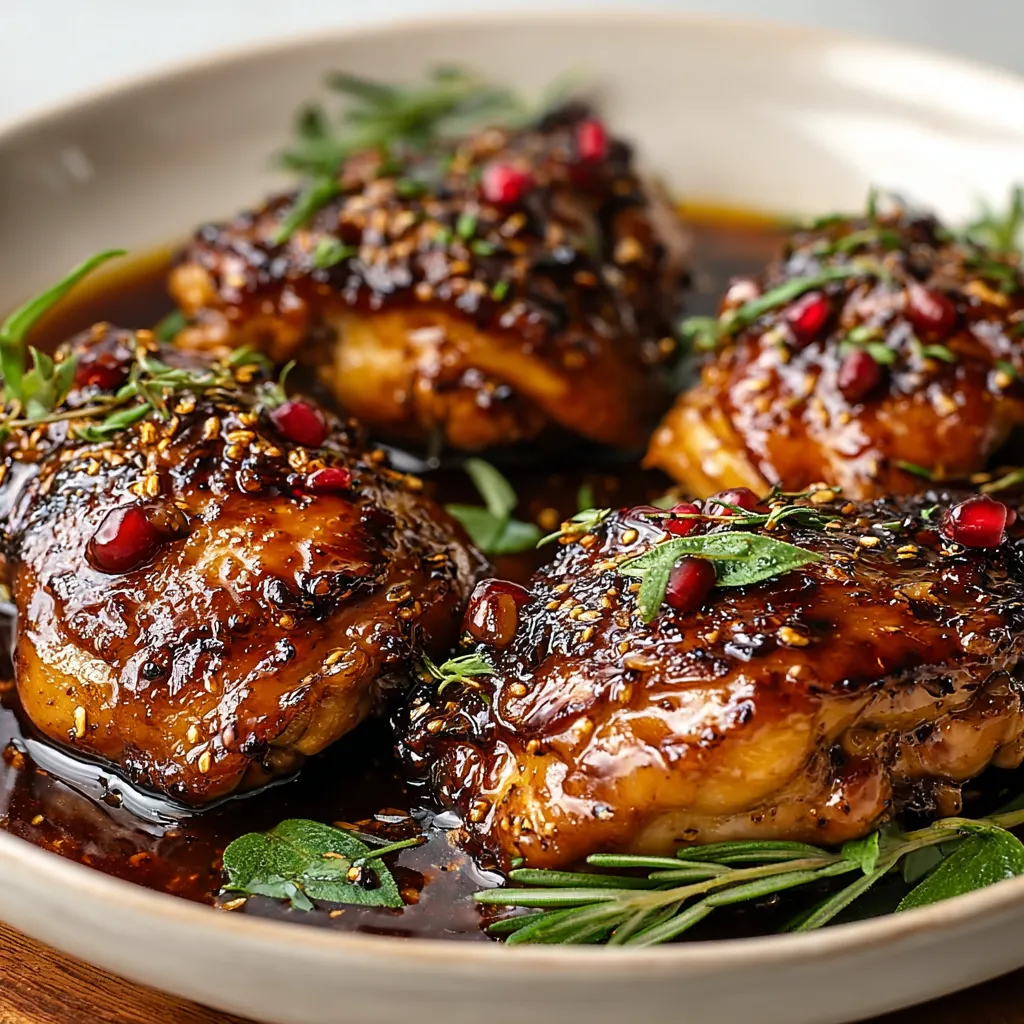
Best Balsamic Fig Glazed Chicken Thighs
Ingredients
Equipment
Method
- Pat the chicken thighs dry with paper towels. Season with salt and pepper.
- Heat the olive oil in a large skillet over medium-high heat.
- Sear the chicken thighs for 4-5 minutes per side, until golden brown. Remove the chicken from the skillet and set aside.
- Reduce the heat to medium. Add the balsamic vinegar, fig jam (or chopped dried figs), minced garlic, Dijon mustard, and dried thyme to the skillet.
- Bring the mixture to a simmer, scraping up any browned bits from the bottom of the pan.
- Add the chicken broth to the skillet.
- Return the chicken thighs to the skillet. Spoon the balsamic fig glaze over the chicken.
- Reduce the heat to low, cover the skillet, and simmer for 15-20 minutes, or until the chicken is cooked through and reaches an internal temperature of 165°F (74°C).
- Remove the chicken from the skillet. If desired, add the butter to the skillet and simmer the glaze for a few minutes to thicken it further.
- Spoon the balsamic fig glaze over the chicken thighs. Garnish with fresh parsley.
- Serve immediately with your favorite sides.