
Unlocking the Velvet Curtain: The Science of Butter Chicken
At its heart, Butter Chicken (or *Murgh Makhani* as it’s traditionally known) is a study in textures and flavors. It’s a dance between the tangy acidity of tomatoes, the rich unctuousness of butter and cream, the warmth of aromatic spices, and the tender succulence of chicken. The key to achieving the perfect balance lies in understanding the Maillard reaction, emulsion science, and the art of tempering spices. The Maillard reaction, that browning process that occurs when amino acids and reducing sugars are heated, is crucial for developing depth of flavor in the chicken. High heat searing, or even better, grilling, the marinated chicken before adding it to the sauce creates those coveted browned bits that contribute layers of complexity. Next, the sauce itself relies on a stable emulsion. This means keeping the fats (butter and cream) from separating from the water-based tomato puree. A slow and gentle simmer, along with the natural emulsifying properties of tomato paste, helps to maintain that velvety smooth texture. Finally, tempering the spices – gently frying them in hot oil or butter – is essential to unlock their full potential. This process releases volatile oils and allows the spices to bloom, infusing the entire dish with their fragrance and flavor. Skipping this step is like listening to a symphony with earplugs in.The Quintessential Butter Chicken Recipe
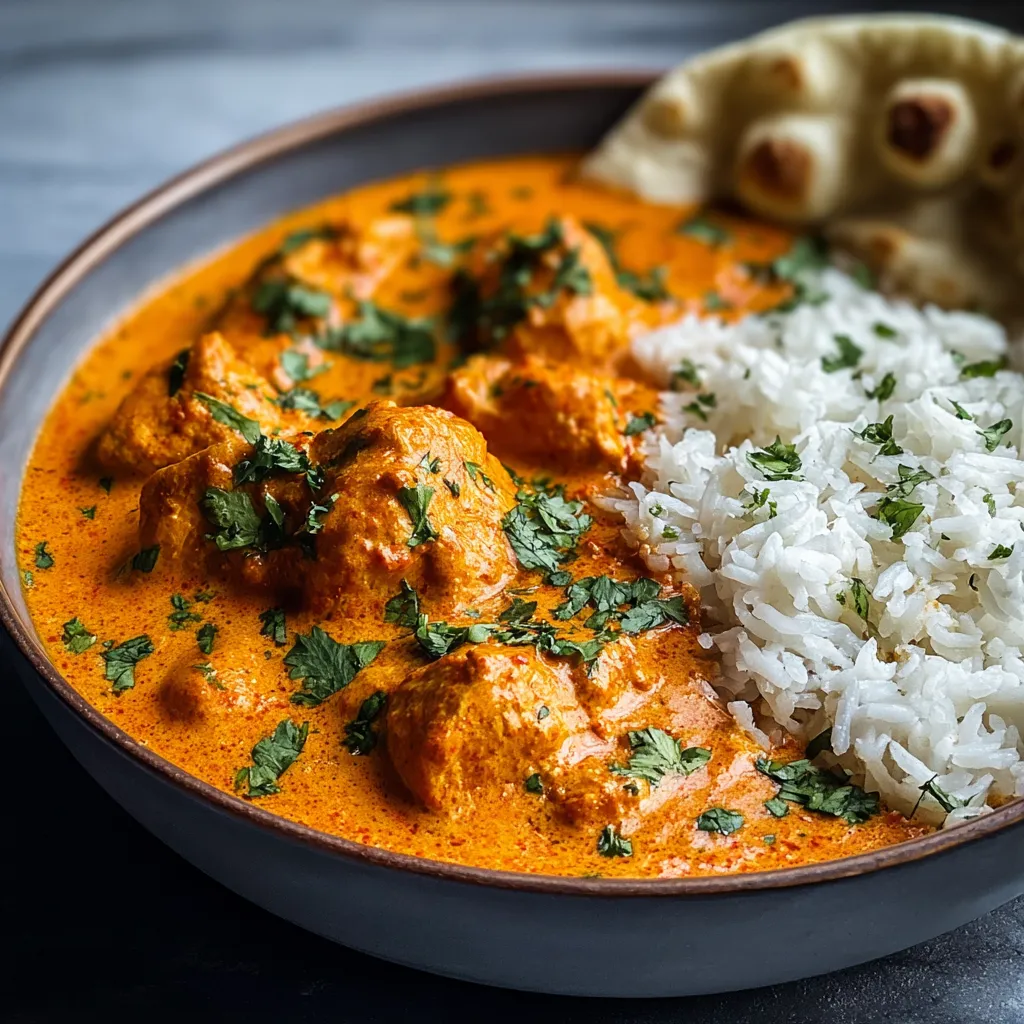 Here’s a recipe that incorporates the scientific principles we’ve discussed, honed through countless iterations to achieve, in my humble opinion, Butter Chicken perfection.
Ingredients:
- For the Chicken Marinade:
- 1.5 lbs boneless, skinless chicken thighs, cut into 1-inch pieces
- 1 cup plain yogurt (full-fat)
- 1 tablespoon ginger-garlic paste
- 1 teaspoon garam masala
- 1 teaspoon turmeric powder
- 1 teaspoon red chili powder (adjust to taste)
- 1 teaspoon lemon juice
- Salt to taste
- For the Sauce:
- 2 tablespoons butter
- 1 tablespoon vegetable oil
- 1 medium onion, finely chopped
- 1 tablespoon ginger-garlic paste
- 1 teaspoon garam masala
- 1 teaspoon cumin powder
- 1/2 teaspoon turmeric powder
- 1/2 teaspoon red chili powder (adjust to taste)
- 1 (28 ounce) can crushed tomatoes
- 1/2 cup tomato paste
- 1 cup heavy cream
- 1 tablespoon dried fenugreek leaves (kasuri methi), crushed
- 1 teaspoon sugar (optional, to balance acidity)
- Salt to taste
- Fresh cilantro leaves, for garnish
Instructions:
- Marinate the Chicken: In a large bowl, combine all the marinade ingredients. Mix well, ensuring the chicken is evenly coated. Cover and refrigerate for at least 2 hours, or preferably overnight.
- Cook the Chicken: Preheat your oven’s broiler. Spread the marinated chicken in a single layer on a baking sheet lined with foil. Broil for 8-10 minutes, or until the chicken is cooked through and lightly charred. Alternatively, you can grill the chicken for a similar effect.
- Prepare the Sauce: In a large pot or Dutch oven, melt the butter and oil over medium heat. Add the chopped onion and cook until softened and lightly golden, about 5-7 minutes.
- Bloom the Spices: Add the ginger-garlic paste, garam masala, cumin powder, turmeric powder, and red chili powder to the pot. Cook for 1-2 minutes, stirring constantly, until fragrant. This step is crucial for tempering the spices.
- Add Tomatoes and Simmer: Stir in the crushed tomatoes and tomato paste. Bring to a simmer, then reduce heat to low, cover, and cook for at least 30 minutes, or up to an hour, stirring occasionally. This allows the flavors to meld and the sauce to thicken.
- Blend the Sauce (Optional): For an ultra-smooth sauce, use an immersion blender to blend the sauce directly in the pot. Alternatively, you can carefully transfer the sauce to a regular blender and blend until smooth (be cautious when blending hot liquids!).
- Finish the Sauce: Stir in the heavy cream, crushed fenugreek leaves, and sugar (if using). Season with salt to taste. Return the cooked chicken to the pot and stir to coat in the sauce.
- Simmer and Serve: Simmer for another 5-10 minutes to allow the chicken to absorb the sauce’s flavors. Garnish with fresh cilantro leaves and serve hot with naan bread, basmati rice, or both.
My Butter Chicken Odyssey: A Culinary Investigation
My pursuit of the perfect Butter Chicken was not a straight line. My first few attempts were a disaster, resulting in sauces that were either too thin, too acidic, or just plain bland. Like many of you, I initially thought it was just a matter of throwing some ingredients together and hoping for the best. I was wrong. So very wrong.The Yogurt Debacle: Learning the Marinade’s Secrets
Initially, I skimped on the marinating time, thinking a quick 30-minute soak would suffice. The result? Dry, flavorless chicken that stubbornly resisted absorbing the sauce. Then, I had an “Aha!” moment when I realized the yogurt in the marinade wasn’t just for flavor; it was tenderizing the chicken. Yogurt contains lactic acid, which breaks down proteins, resulting in incredibly tender meat. Overnight marinating became non-negotiable.The Tomato Tango: Balancing Acidity and Sweetness
The next hurdle was the sauce. My early versions were overwhelmingly acidic, bordering on unpleasant. I tried adding more cream, but that only masked the problem, creating a heavy, cloying dish. The solution came in two parts: using high-quality crushed tomatoes and adding a touch of sugar to balance the acidity. The sugar, just a teaspoon, made all the difference, rounding out the flavors and creating a harmonious balance. And I learned that the Butter Chicken and Butter Chicken variations I had tried before, also suffered from the same acidity problem.The Spice Whisperer: Unlocking Aromatic Potential
Finally, I tackled the spices. I used to just toss them into the sauce willy-nilly, without much thought. But after reading about the importance of tempering spices, I decided to experiment. The difference was astounding. Blooming the spices in hot butter and oil released their aromas and flavors, creating a much more complex and nuanced sauce. I also discovered the magic of kasuri methi (dried fenugreek leaves). Crushing them and adding them at the end added a unique, slightly bitter note that elevated the entire dish. Adding honey and garlic would yield something closer to Honey Garlic Butter Chicken, which while delicious, is a very different beast.The Butter Chicken Blueprint: A Foolproof Method
After countless trials and tribulations, I’ve distilled the art of making perfect Butter Chicken into a simple, foolproof method.- Marinate the Chicken Overnight: Don’t skimp on the marinating time. Overnight is best for maximum tenderness and flavor absorption.
- Broil or Grill the Chicken: High heat is essential for developing those delicious browned bits.
- Temper the Spices: Bloom the spices in hot butter and oil to unlock their full aromatic potential.
- Simmer the Sauce Low and Slow: Give the sauce time to develop its flavors. At least 30 minutes of simmering is ideal.
- Balance the Acidity: Add a touch of sugar to balance the acidity of the tomatoes.
- Finish with Cream and Kasuri Methi: Heavy cream adds richness, while kasuri methi adds a unique, slightly bitter note.
Why is marinating the chicken overnight important?
The yogurt in the marinade contains lactic acid, which breaks down the chicken proteins, resulting in incredibly tender meat. Overnight marinating is non-negotiable for maximum tenderness and flavor absorption.
What is the purpose of tempering the spices in butter chicken?
Tempering the spices, which involves gently frying them in hot butter and oil, releases their aromas and flavors, creating a much more complex and nuanced sauce. This process unlocks their full aromatic potential.
Why is sugar added to the butter chicken sauce, and how much should I add?
A touch of sugar, about a teaspoon, is added to balance the acidity of the tomatoes in the sauce. It rounds out the flavors and creates a harmonious balance, preventing the dish from being overwhelmingly acidic.
What does the recipe say about achieving a smooth sauce texture?
For an ultra-smooth sauce, the recipe suggests using an immersion blender to blend the sauce directly in the pot. Alternatively, you can carefully transfer the sauce to a regular blender and blend until smooth, exercising caution when blending hot liquids.
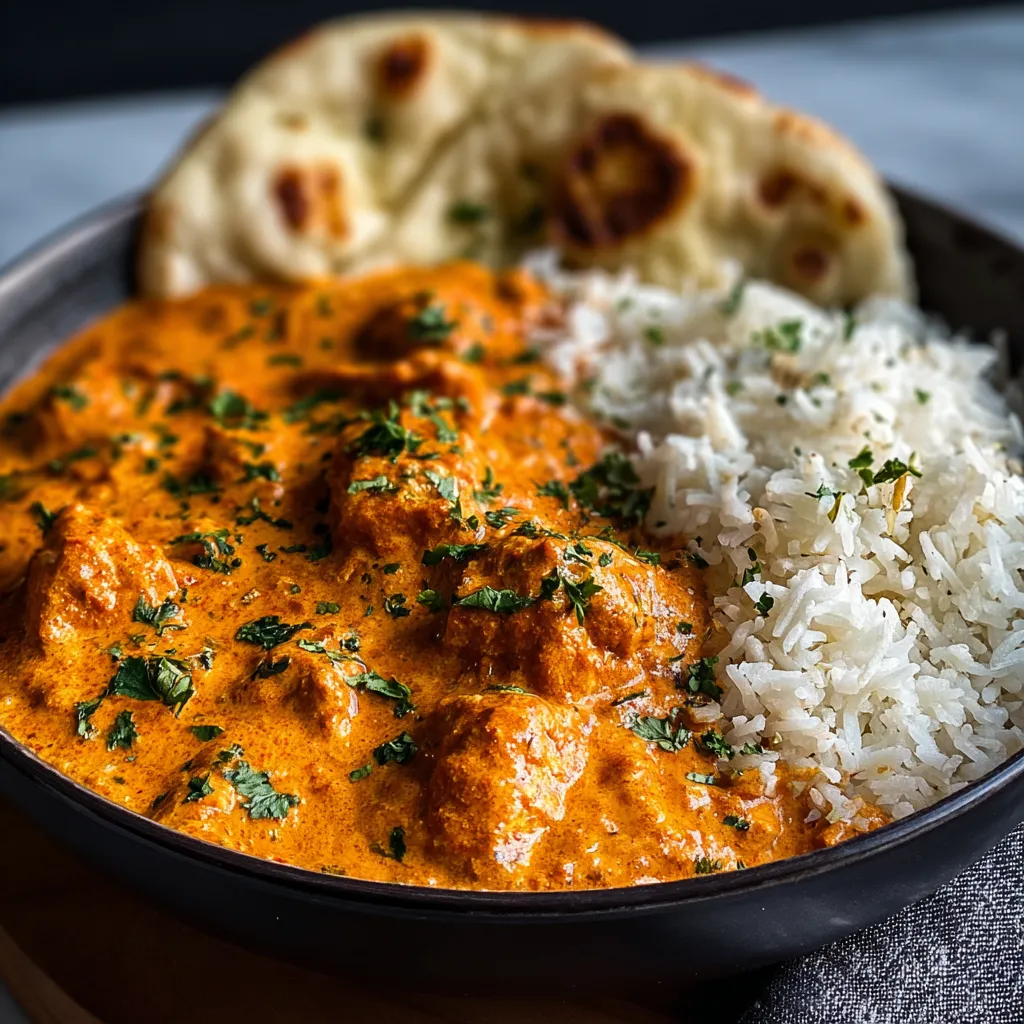
Best Butter Chicken Ever
Ingredients
Equipment
Method
- Marinate the Chicken: In a large bowl, combine all the marinade ingredients. Mix well, ensuring the chicken is evenly coated. Cover and refrigerate for at least 2 hours, or preferably overnight.
- Cook the Chicken: Preheat your oven’s broiler. Spread the marinated chicken in a single layer on a baking sheet lined with foil. Broil for 8-10 minutes, or until the chicken is cooked through and lightly charred. Alternatively, you can grill the chicken for a similar effect.
- Prepare the Sauce: In a large pot or Dutch oven, melt the butter and oil over medium heat. Add the chopped onion and cook until softened and lightly golden, about 5-7 minutes.
- Bloom the Spices: Add the ginger-garlic paste, garam masala, cumin powder, turmeric powder, and red chili powder to the pot. Cook for 1-2 minutes, stirring constantly, until fragrant. This step is crucial for tempering the spices.
- Add Tomatoes and Simmer: Stir in the crushed tomatoes and tomato paste. Bring to a simmer, then reduce heat to low, cover, and cook for at least 30 minutes, or up to an hour, stirring occasionally. This allows the flavors to meld and the sauce to thicken.
- Blend the Sauce (Optional): For an ultra-smooth sauce, use an immersion blender to blend the sauce directly in the pot. Alternatively, you can carefully transfer the sauce to a regular blender and blend until smooth (be cautious when blending hot liquids!).
- Finish the Sauce: Stir in the heavy cream, crushed fenugreek leaves, and sugar (if using). Season with salt to taste. Return the cooked chicken to the pot and stir to coat in the sauce.
- Simmer and Serve: Simmer for another 5-10 minutes to allow the chicken to absorb the sauce’s flavors. Garnish with fresh cilantro leaves and serve hot with naan bread, basmati rice, or both.