
Unveiling the Creamy Core: The Science Behind the Sauce
The secret to a truly remarkable Chicken Pot Pie Pasta lies in understanding the science of the sauce. We’re aiming for a béchamel-adjacent base, but with a few key tweaks to maximize flavor and mimic the comforting texture of pot pie filling. Classic béchamel relies on a roux (butter and flour) to thicken milk. However, for this pasta, we’ll be blooming our flour directly in the rendered chicken fat (more on that later!) for an enhanced savory depth. Additionally, the addition of starchy pasta water at the end is crucial. That pasta water contains just enough starch to act as a natural emulsifier and adds that extra layer of silkiness you might find in a Chicken Soup. Furthermore, controlled simmering prevents scorching and ensures the sauce thickens evenly, avoiding a gritty texture. Finally, using heavy cream sparingly at the end adds richness without making the dish overly heavy.The Grand Recipe: Chicken Pot Pie Pasta Perfection
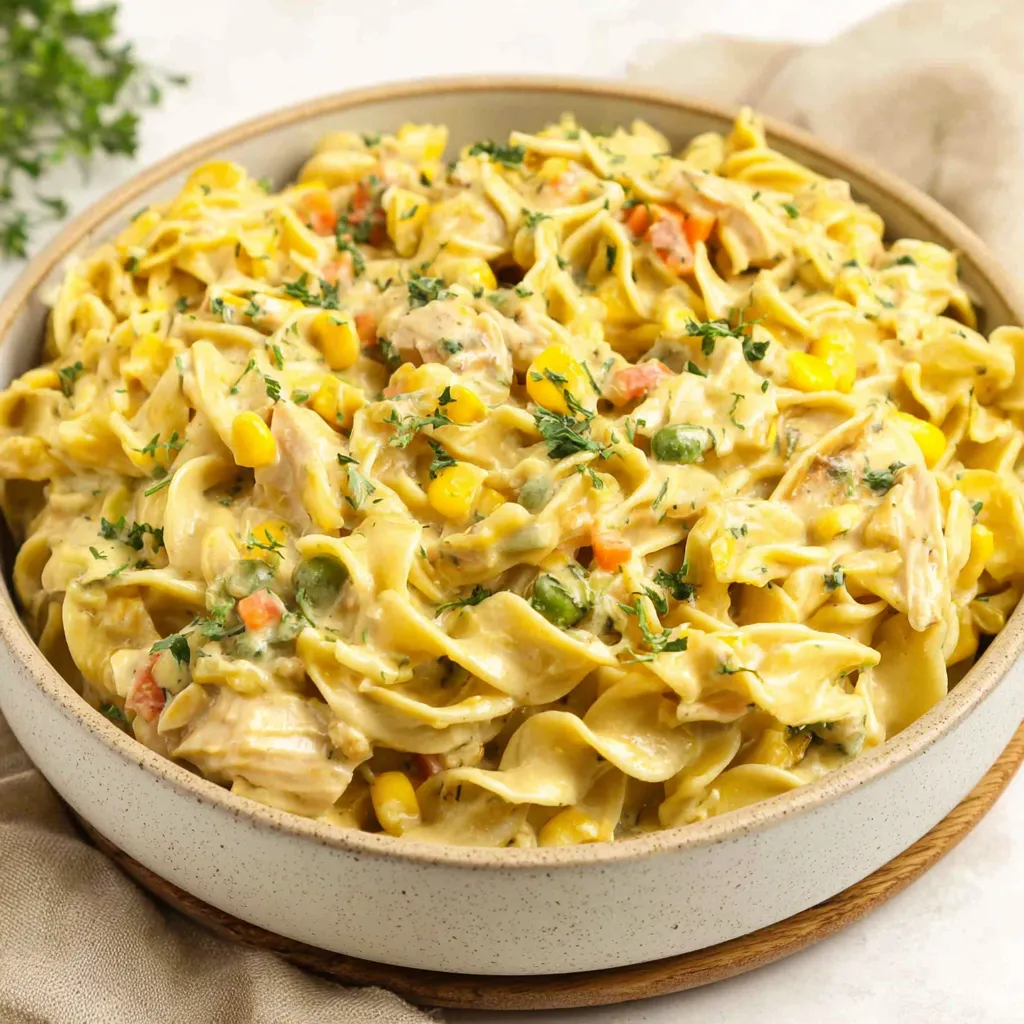 Here’s the recipe that will transform your weeknight dinners forever. Get ready for a symphony of flavors and textures that will transport you straight to comfort food heaven.
Ingredients:
- 1 pound pasta (rotini, penne, or farfalle work best)
- 2 tablespoons olive oil
- 1.5 pounds boneless, skinless chicken thighs, cut into 1-inch pieces
- 1 teaspoon salt
- 1/2 teaspoon black pepper
- 1 medium yellow onion, chopped
- 2 carrots, peeled and chopped
- 2 celery stalks, chopped
- 4 cloves garlic, minced
- 1/4 cup all-purpose flour
- 4 cups chicken broth
- 1 cup frozen peas
- 1 cup frozen corn
- 1/2 cup heavy cream
- 1/4 cup chopped fresh parsley
- 1 teaspoon dried thyme
- 1/2 teaspoon dried rosemary
- Optional: Pie crust for topping (see notes)
Instructions:
1. Cook the Pasta: Cook the pasta according to package directions until al dente. Reserve 1 cup of pasta water before draining. 2. Sear the Chicken: Heat olive oil in a large skillet or Dutch oven over medium-high heat. Season chicken with salt and pepper. Add chicken to the skillet and cook until browned on all sides and cooked through. Remove chicken from the skillet and set aside. If you are feeling like a Million Dollar Chicken Casserole you can add some mushrooms to your chicken while cooking for an extra boost of flavor. 3. Sauté the Vegetables: Add onion, carrots, and celery to the skillet and cook until softened, about 5-7 minutes. Add garlic and cook for 1 minute more, until fragrant. 4. Make the Sauce: Sprinkle flour over the vegetables and cook for 1 minute, stirring constantly, until lightly browned. Gradually whisk in chicken broth until smooth. Bring to a simmer, stirring occasionally. 5. Combine: Stir in peas, corn, thyme, and rosemary. Return chicken to the skillet. Reduce heat to low and simmer for 5-10 minutes, or until the sauce has thickened slightly and the vegetables are tender. 6. Finish: Stir in heavy cream and parsley. Add the cooked pasta to the skillet and toss to coat. Add reserved pasta water, a little at a time, until the sauce reaches your desired consistency. Season with additional salt and pepper to taste. 7. Optional Pie Crust Topping: For a truly authentic Chicken Pot Pie experience, cut a sheet of prepared pie crust into strips. Arrange the strips over the pasta in a lattice pattern. Bake in a preheated oven at 375°F (190°C) for 15-20 minutes, or until the crust is golden brown.Notes:
- Vegetables: Feel free to add other vegetables, such as potatoes, mushrooms, or green beans.
- Chicken: Leftover rotisserie chicken works great in this recipe. Just add it in step 5.
- Herbs: Use fresh herbs for the best flavor. If using dried herbs, reduce the amount by half.
- Cheese: For a cheesy twist, stir in 1/2 cup of shredded cheddar cheese or Gruyere cheese at the end. This would really take the recipe from Chicken Pasta to new heights.
My Culinary Quest: From Disaster to Deliciousness
My first few attempts were a disaster. I treated it like a typical cream sauce pasta and ended up with a gloppy, bland mess. Then, I had an “Aha!” moment. I realized I needed to approach this recipe with the mindset of building a pot pie filling, not just a cream sauce.The Early Fails: Lessons Learned the Hard Way
Like many of you, I initially thought throwing everything into a pot with some cream would magically transform into Chicken Pot Pie Pasta. Wrong! My first attempt used too much cream, resulting in a soupy, unbalanced flavor profile. The vegetables were mushy, and the chicken was dry. Another attempt involved pre-cooked chicken, which, while convenient, lacked the crucial rendered fat needed to build a flavorful base. I also skimped on the herbs, thinking it wouldn’t make a huge difference. Big mistake! The dish tasted flat and lifeless.The “Aha!” Moment: Mimicking Pot Pie Magic
The breakthrough came when I started thinking about the *process* of making a traditional chicken pot pie. The browned chicken bits clinging to the pan, the aromatic vegetables sautéed in chicken fat, the careful layering of herbs and spices – these were the keys! I started searing the chicken thighs in batches to develop a rich fond in the pan. Then, I sautéed the vegetables in that same pan, scraping up all those flavorful browned bits. I also increased the amount of herbs and spices, using a combination of dried and fresh for a more complex flavor.The Pasta Predicament: Finding the Perfect Shape
Another challenge was finding the right pasta shape. Long, thin strands like spaghetti or fettuccine didn’t hold the sauce and vegetables well. Rotini and penne proved to be the ideal choices, with their ridges and tubes perfectly capturing all the creamy goodness. Farfalle (bow tie pasta) also works well, adding a touch of elegance to the dish. I would avoid using something like Chicken Noodle Soup noodles, as they might be too thin.The Foolproof Finale: The Ultimate Technique
After numerous experiments and taste tests, I’ve distilled the perfect Chicken Pot Pie Pasta technique into a simple, foolproof method. Follow these steps, and you’ll be enjoying a comforting and delicious meal in no time.- Brown the Chicken for Flavor: Searing the chicken in batches creates a flavorful fond in the pan, which is crucial for building the sauce’s depth. Don’t overcrowd the pan!
- Sauté Vegetables in Chicken Fat: Cooking the vegetables in the rendered chicken fat infuses them with savory goodness. Scrape up any browned bits from the bottom of the pan for added flavor.
- Bloom the Flour for Richness: Cooking the flour with the vegetables for a minute or two before adding the broth helps to prevent a pasty taste and adds a subtle nutty flavor.
- Simmer for Flavor Development: Allow the sauce to simmer gently for at least 10 minutes to allow the flavors to meld and the sauce to thicken.
- Use Pasta Water for Creaminess: Adding reserved pasta water to the sauce at the end helps to emulsify the sauce and create a silky smooth texture. Add it gradually until you reach your desired consistency. If you were to add rice instead of pasta, you could try creating a dish similar to White Chicken Rice Soup.
- Don’t Skimp on the Herbs: A generous amount of herbs is essential for that classic pot pie flavor. Use a combination of dried and fresh for the best results.
- Finish with Heavy Cream (Sparingly): A touch of heavy cream adds richness and indulgence without making the dish overly heavy. Use it sparingly to avoid masking the other flavors.
What makes this Chicken Pot Pie Pasta different from just a regular cream sauce pasta?
This recipe focuses on building a pot pie filling flavor profile, not just a cream sauce. It involves browning the chicken for a flavorful fond, sautéing vegetables in the rendered chicken fat, and using a generous amount of herbs to mimic the classic pot pie taste.
Why is pasta water added to the sauce at the end?
The reserved pasta water contains starch, which acts as a natural emulsifier. Adding it to the sauce helps to create a silky smooth texture and bind everything together.
What are the best pasta shapes to use for this recipe?
Rotini, penne, and farfalle work best. Their ridges and tubes are ideal for capturing the creamy sauce and vegetables.
Can I add other vegetables to the Chicken Pot Pie Pasta?
Yes, you can. The recipe suggests adding potatoes, mushrooms, or green beans. Feel free to customize it with your favorite vegetables.
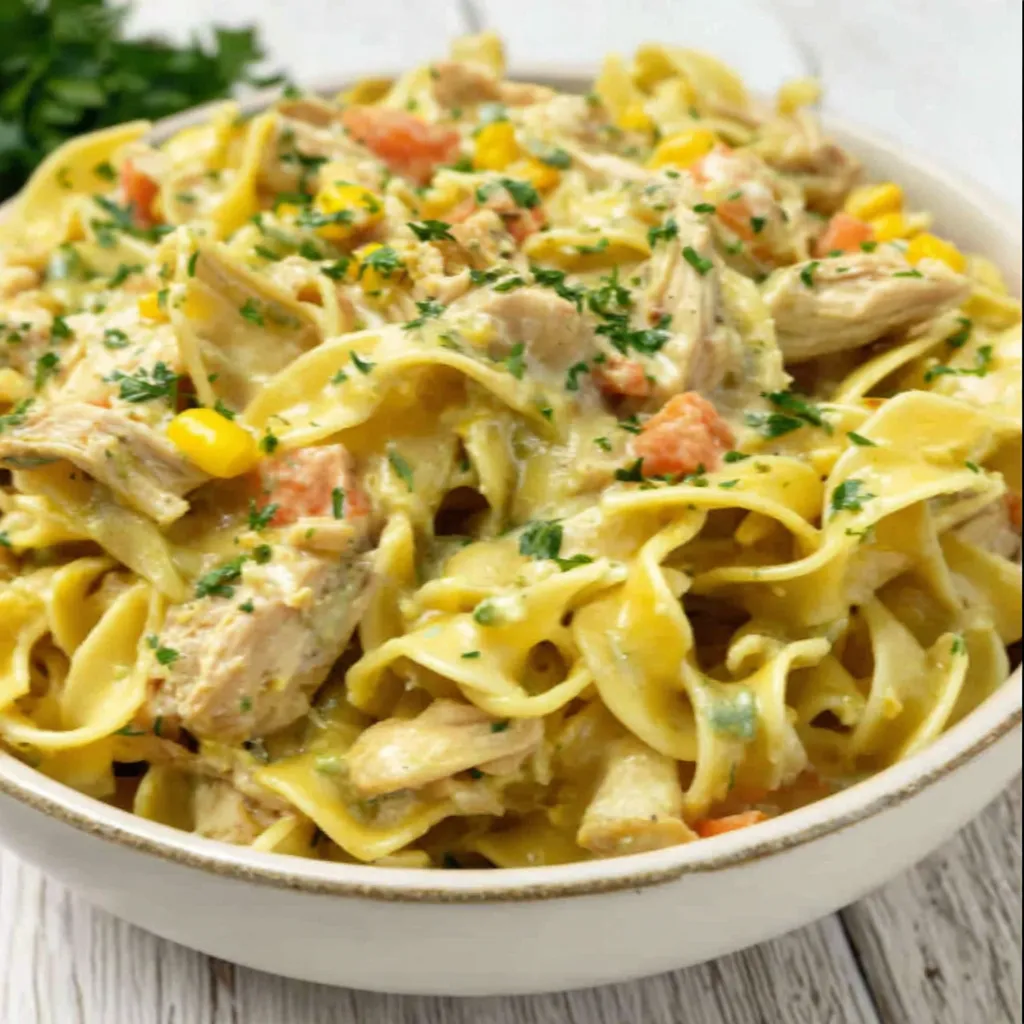
Best Chicken Pot Pie Pasta
This recipe transforms the classic comfort of chicken pot pie into a quick and easy pasta dish. It features a creamy, flavorful sauce made with chicken, vegetables, and herbs, all tossed with your favorite pasta shape for a comforting weeknight meal.
Ingredients
Equipment
Method
- Cook the pasta according to package directions until al dente. Reserve 1 cup of pasta water before draining.
- Heat olive oil in a large skillet or Dutch oven over medium-high heat. Season chicken with salt and pepper. Add chicken to the skillet and cook until browned on all sides and cooked through. Remove chicken from the skillet and set aside.
- Add onion, carrots, and celery to the skillet and cook until softened, about 5-7 minutes. Add garlic and cook for 1 minute more, until fragrant.
- Sprinkle flour over the vegetables and cook for 1 minute, stirring constantly, until lightly browned. Gradually whisk in chicken broth until smooth. Bring to a simmer, stirring occasionally.
- Stir in peas, corn, thyme, and rosemary. Return chicken to the skillet. Reduce heat to low and simmer for 5-10 minutes, or until the sauce has thickened slightly and the vegetables are tender.
- Stir in heavy cream and parsley. Add the cooked pasta to the skillet and toss to coat. Add reserved pasta water, a little at a time, until the sauce reaches your desired consistency. Season with additional salt and pepper to taste.
- Optional Pie Crust Topping: For a truly authentic Chicken Pot Pie experience, cut a sheet of prepared pie crust into strips. Arrange the strips over the pasta in a lattice pattern. Bake in a preheated oven at 375°F (190°C) for 15-20 minutes, or until the crust is golden brown.
Notes
Feel free to add other vegetables, such as potatoes, mushrooms, or green beans. Leftover rotisserie chicken works great in this recipe; add it in step 5. Use fresh herbs for the best flavor; if using dried herbs, reduce the amount by half. For a cheesy twist, stir in 1/2 cup of shredded cheddar cheese or Gruyere cheese at the end.