
Decoding the Broth: The Science of Flavor Extraction
The key to incredible chicken soup lies in understanding the science behind broth-making. It’s not just about simmering chicken in water; it’s about *extracting* flavor. This extraction process involves:- Collagen Breakdown: Chicken bones, especially those with cartilage (like necks and backs), are rich in collagen. When simmered, collagen breaks down into gelatin, giving the broth a rich, silky texture and mouthfeel. A good stock is all about the collagen.
- Amino Acid Release: The long, slow simmer breaks down proteins into their component amino acids. Glutamates, in particular, are responsible for that savory “umami” flavor we crave.
- Maillard Reaction Enhancement: While the Maillard reaction (browning) is less prominent in broth than in, say, a seared steak, a little pre-roasting of the chicken bones and vegetables can contribute to deeper, more complex flavors. This is the secret weapon.
- Solvent Properties of Water: Water is the unsung hero, acting as the solvent that carries all these flavors from the chicken and vegetables into the broth. Using filtered water is best.
The Ultimate Chicken Soup Recipe
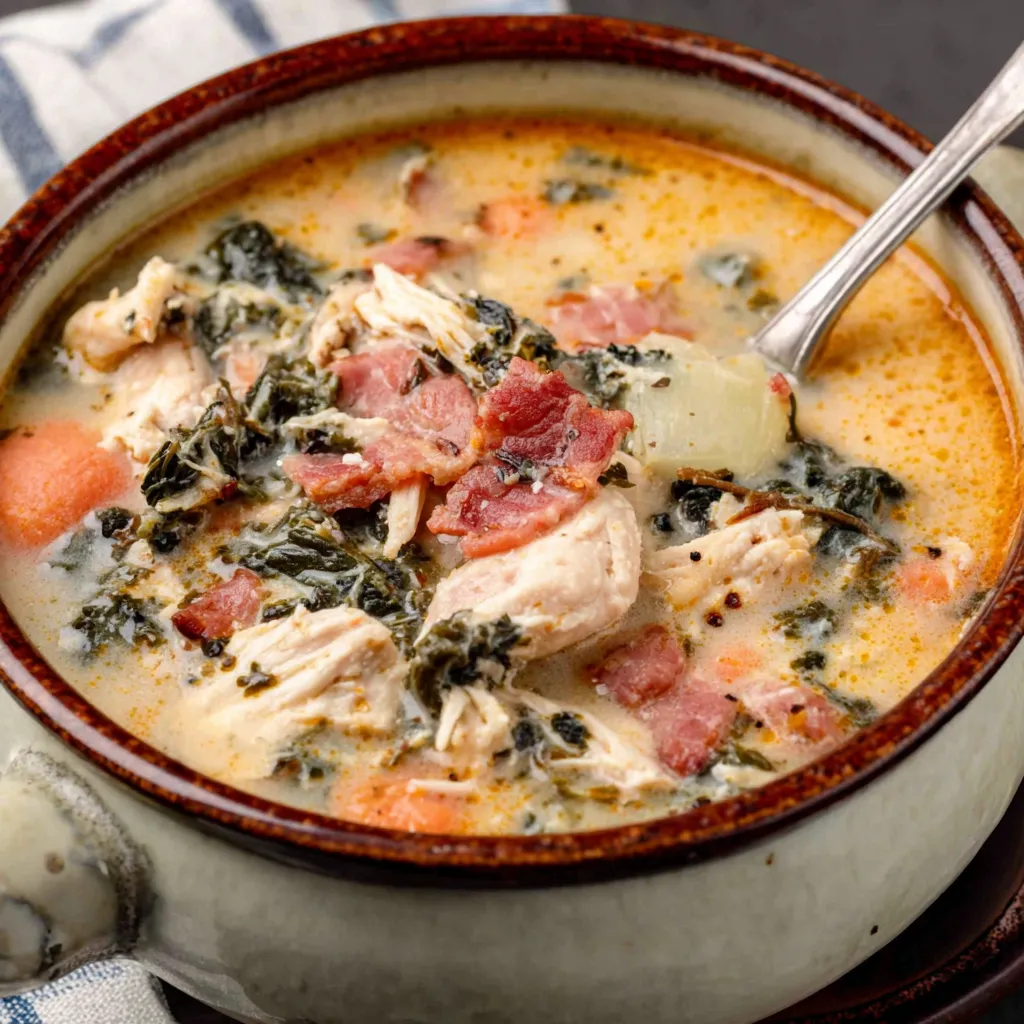 This recipe is the culmination of my research and experimentation. It’s not the quickest, but it’s guaranteed to produce the most flavorful and comforting chicken soup you’ve ever tasted.
Ingredients:
- For the Broth:
- 3 lbs Chicken Carcasses and Bones (backs, necks, wings)
- 1 large Yellow Onion, quartered, unpeeled
- 2 Carrots, roughly chopped
- 2 Celery Stalks, roughly chopped
- 4 cloves Garlic, smashed
- 1 tsp Black Peppercorns
- 1 Bay Leaf
- 1 bunch Fresh Parsley Stems
- 12 cups Filtered Water
- For the Soup:
- 1 lb Boneless, Skinless Chicken Breasts or Thighs, cut into bite-sized pieces
- 1 tbsp Olive Oil
- 1 medium Yellow Onion, diced
- 2 Carrots, peeled and sliced
- 2 Celery Stalks, sliced
- 8 oz Egg Noodles, or other pasta of choice
- 2 tbsp Fresh Parsley, chopped
- Salt and freshly ground Black Pepper, to taste
Instructions:
- Roast the Bones: Preheat oven to 400°F (200°C). Toss chicken bones, onion, carrots, and celery with 1 tablespoon of olive oil. Spread in a single layer on a baking sheet and roast for 30-40 minutes, or until vegetables are slightly browned and chicken bones are starting to brown.
- Simmer the Broth: Transfer roasted bones and vegetables to a large stockpot. Add garlic, peppercorns, bay leaf, parsley stems, and filtered water. Bring to a boil, then reduce heat to a gentle simmer. Skim off any foam that rises to the surface. Simmer for at least 4 hours, or up to 8 hours, skimming occasionally. The longer it simmers, the richer the flavor will be.
- Strain the Broth: Remove from heat and let cool slightly. Strain the broth through a fine-mesh sieve lined with cheesecloth. Discard the solids.
- Prepare the Soup: In a large pot or Dutch oven, heat olive oil over medium heat. Add diced onion, carrots, and celery and cook until softened, about 5-7 minutes.
- Cook the Chicken: Add the chicken pieces to the pot and cook until browned on all sides.
- Add Broth and Noodles: Pour the strained chicken broth into the pot. Bring to a boil, then add egg noodles (or your preferred pasta). Cook according to package directions, or until noodles are tender.
- Season and Serve: Stir in fresh parsley. Season with salt and pepper to taste. Serve hot.
My Culinary Journey: From Broth Blunders to Soup Success
My quest for the perfect chicken soup was paved with failures – thankfully, delicious failures.The Watery Grave: My First Attempts
My first few attempts were a disaster. Like many of you, I initially thought chicken soup was just about throwing chicken, vegetables, and water into a pot and boiling it. The result? A bland, watery liquid with overcooked chicken that tasted vaguely of sadness. The broth was thin, the flavor nonexistent, and the chicken was dry and stringy. Clearly, I was missing something fundamental.The Bone Revelation: Unlocking Flavor
Then, I had an “Aha!” moment. I realized the importance of the bones. I started using chicken carcasses and backs, things I had previously discarded. Suddenly, the broth had depth and richness it never had before. I also started experimenting with roasting the bones and vegetables before simmering. This added a layer of caramelization and complexity that was truly transformative. The difference was incredible!The Vegetable Vendetta: Finding the Right Balance
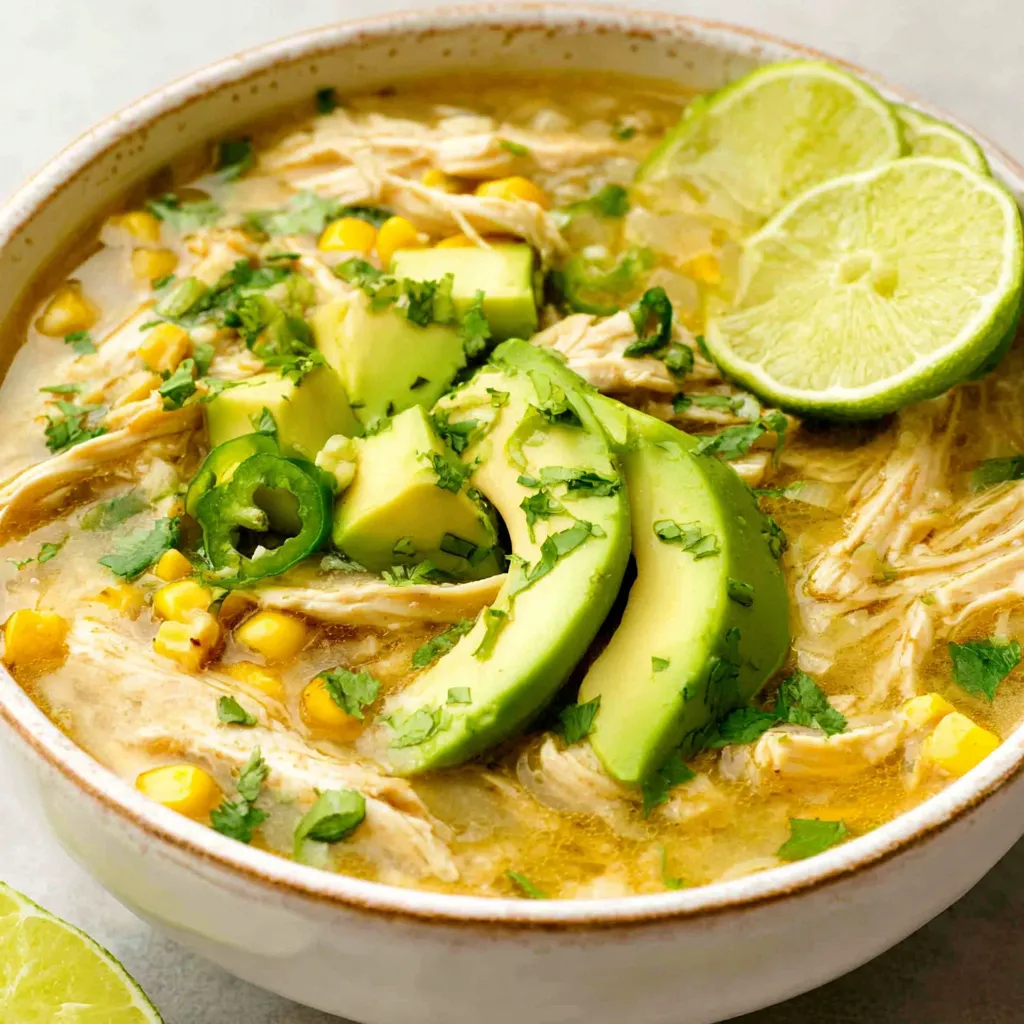
Next, I tackled the vegetables. Initially, I was using too many root vegetables, which made the broth overly sweet. I experimented with different ratios, eventually settling on a balance of onion, carrots, and celery that provided the perfect savory-sweet backdrop for the chicken. I found that using the parsley *stems* in the broth, and saving the fresh leaves for garnish, really elevated the final dish. Also, the White Chicken Rice Soup is another great example of vegetable balance.The Chicken Conundrum: Achieving Tenderness
Finally, I focused on the chicken itself. I discovered that adding the chicken to the soup too early resulted in dry, overcooked pieces. I started adding it later, just before the noodles, to ensure it stayed tender and juicy. I also experimented with different cuts of chicken, finding that a combination of breasts and thighs provided the best flavor and texture. I also thought about making a Rotisserie Chicken Mushroom Soup, but I wanted the chicken flavor to be cleaner.The Foolproof Technique: A Step-by-Step Guide to Soup Nirvana
Here’s a summary of the foolproof method I’ve developed for making the best chicken soup ever:- Roast for Richness: Roast chicken bones and vegetables before simmering to deepen the flavor.
- Bone Up: Use chicken carcasses, backs, and necks for maximum collagen and flavor extraction.
- Simmer Long and Slow: Simmer the broth for at least 4 hours, or up to 8, to develop a rich, complex flavor.
- Strain with Precision: Strain the broth through a fine-mesh sieve lined with cheesecloth for a clear, silky texture.
- Add Chicken Late: Add the chicken pieces just before the noodles to prevent overcooking.
- Season Generously: Don’t be afraid to season with salt and pepper to taste. It’s crucial for bringing out the flavors.
- Garnish with Freshness: Garnish with fresh parsley for a burst of brightness and flavor.
Why is roasting the chicken bones and vegetables important for making chicken soup?
Roasting the chicken bones and vegetables before simmering adds a layer of caramelization and complexity to the broth, resulting in a deeper, more complex flavor.
What part of the chicken is best to use for broth and why?
Chicken carcasses, backs, and necks are best to use for broth because they are rich in collagen. When simmered, collagen breaks down into gelatin, giving the broth a rich, silky texture and mouthfeel.
How long should I simmer the broth for the best flavor?
Simmer the broth for at least 4 hours, or up to 8 hours, skimming occasionally. The longer it simmers, the richer the flavor will be.
When should I add the chicken pieces to the soup?
Add the chicken pieces just before the noodles to prevent overcooking and ensure they stay tender and juicy.
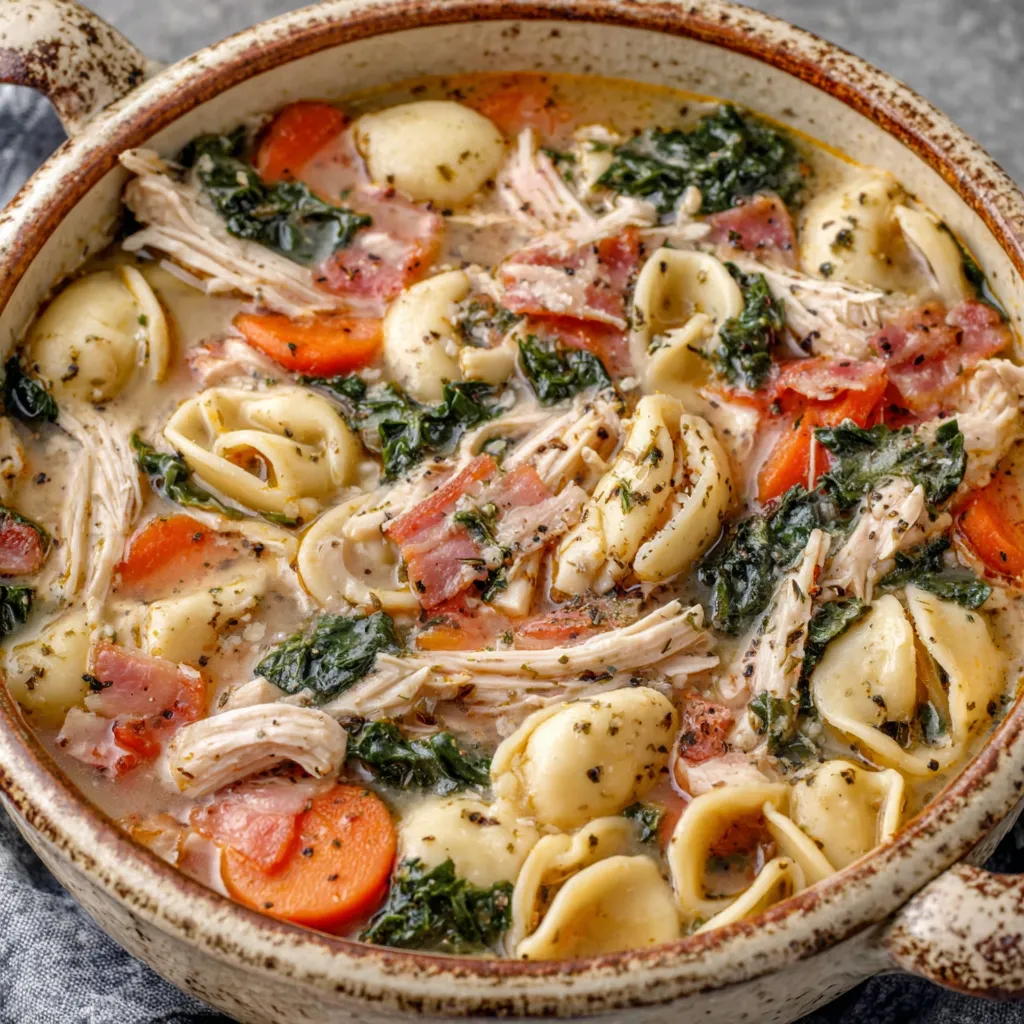
BEST CHICKEN SOUP EVER
This recipe delivers the most flavorful and comforting chicken soup you’ve ever tasted by focusing on extracting maximum flavor from the chicken bones and vegetables through roasting and a long, slow simmer. Roasting the bones and vegetables beforehand and simmering for hours are the keys to a rich and deeply satisfying broth.
Ingredients
Equipment
Method
- Preheat oven to 400°F (200°C).
- Toss chicken bones, onion, carrots, and celery with 1 tablespoon of olive oil.
- Spread in a single layer on a baking sheet and roast for 30-40 minutes, or until vegetables are slightly browned and chicken bones are starting to brown.
- Transfer roasted bones and vegetables to a large stockpot.
- Add garlic, peppercorns, bay leaf, parsley stems, and filtered water.
- Bring to a boil, then reduce heat to a gentle simmer.
- Skim off any foam that rises to the surface.
- Simmer for at least 4 hours, or up to 8 hours, skimming occasionally. The longer it simmers, the richer the flavor will be.
- Remove from heat and let cool slightly.
- Strain the broth through a fine-mesh sieve lined with cheesecloth. Discard the solids.
- In a large pot or Dutch oven, heat olive oil over medium heat.
- Add diced onion, carrots, and celery and cook until softened, about 5-7 minutes.
- Add the chicken pieces to the pot and cook until browned on all sides.
- Pour the strained chicken broth into the pot.
- Bring to a boil, then add egg noodles (or your preferred pasta).
- Cook according to package directions, or until noodles are tender.
- Stir in fresh parsley.
- Season with salt and pepper to taste.
- Serve hot.
Notes
For an even richer flavor, use chicken carcasses, backs, and necks. Simmering the broth for a longer period (up to 8 hours) will result in a more complex flavor. Add the chicken late in the cooking process to prevent it from becoming dry and overcooked. Leftover soup can be stored in an airtight container in the refrigerator for up to 3 days or frozen for longer storage. Consider using leftover rotisserie chicken for a smoky undertone.