
The Starch Science: Building a Better Nest
The key to a successful Stuffed Mashed Potato Nest boils down to understanding the science of starch. Potatoes, primarily composed of starch granules, undergo a transformation when cooked. As the potatoes heat up in boiling water (or steam), the starch granules absorb water and swell, a process called gelatinization. This swelling creates a viscous, sticky paste. The type of potato, the amount of starch, and the cooking method significantly impact the final texture. Russet potatoes, with their high starch content, are ideal for fluffy mashed potatoes, but require careful handling to avoid becoming gluey. Yukon Gold potatoes, on the other hand, have a lower starch content and a naturally buttery flavor, making them a bit more forgiving. The addition of fat, such as butter and cream, further inhibits starch retrogradation (the recrystallization of starch that can lead to a grainy texture), resulting in a smoother, more stable mash. To form a sturdy nest, we need a balance between starch gelatinization for structure and fat content for smoothness and stability. Finally, egg acts as a binding agent, providing crucial structural integrity when the nests are baked.The Ultimate Stuffed Mashed Potato Nest Recipe
 This recipe is meticulously crafted to ensure a perfect balance of flavor, texture, and structural integrity. Prepare to wow your guests!
Ingredients:
- For the Mashed Potato Nests:
- 2 lbs Russet potatoes, peeled and quartered
- 1 lb Yukon Gold potatoes, peeled and quartered
- 1/2 cup unsalted butter, softened
- 1/2 cup heavy cream, warmed
- 2 large eggs, lightly beaten
- 1/4 cup grated Parmesan cheese
- 2 tablespoons chopped fresh chives
- 1 teaspoon garlic powder
- Salt and freshly ground black pepper to taste
- For the Filling:
- 1 lb ground beef
- 1 medium onion, finely chopped
- 2 cloves garlic, minced
- 1 (14.5 oz) can diced tomatoes, drained
- 1 (8 oz) can tomato sauce
- 1 teaspoon dried oregano
- 1/2 teaspoon dried basil
- 1/4 teaspoon red pepper flakes (optional)
- Salt and freshly ground black pepper to taste
- 1 cup shredded cheddar cheese, divided
Equipment:
- Large pot
- Potato ricer or masher
- Large mixing bowl
- Baking sheet
- Piping bag (optional)
Instructions:
1. Prepare the Potatoes:- Place the potatoes in a large pot and cover with cold water. Bring to a boil and cook until fork-tender, about 15-20 minutes.
- Drain the potatoes well and return them to the pot. Let them steam dry for a few minutes to remove excess moisture.
- Using a potato ricer or masher, mash the potatoes until smooth. Avoid over-mashing, which can make them gluey.
- Add the softened butter and warmed heavy cream. Mix until well combined.
- Stir in the beaten eggs, Parmesan cheese, chives, and garlic powder. Season with salt and pepper to taste.
- While the potatoes are cooking, brown the ground beef in a large skillet over medium-high heat. Drain off any excess grease.
- Add the chopped onion and cook until softened, about 5 minutes.
- Add the minced garlic and cook for 1 minute more.
- Stir in the diced tomatoes, tomato sauce, oregano, basil, and red pepper flakes (if using). Season with salt and pepper to taste.
- Bring to a simmer and cook for 10-15 minutes, or until the sauce has thickened slightly.
- Preheat oven to 375°F (190°C).
- Line a baking sheet with parchment paper.
- Transfer the mashed potatoes to a piping bag fitted with a large star tip (or use a spoon).
- Pipe or spoon 12 mounds of mashed potatoes onto the prepared baking sheet.
- Using the back of a spoon, create a well in the center of each mound to form a nest.
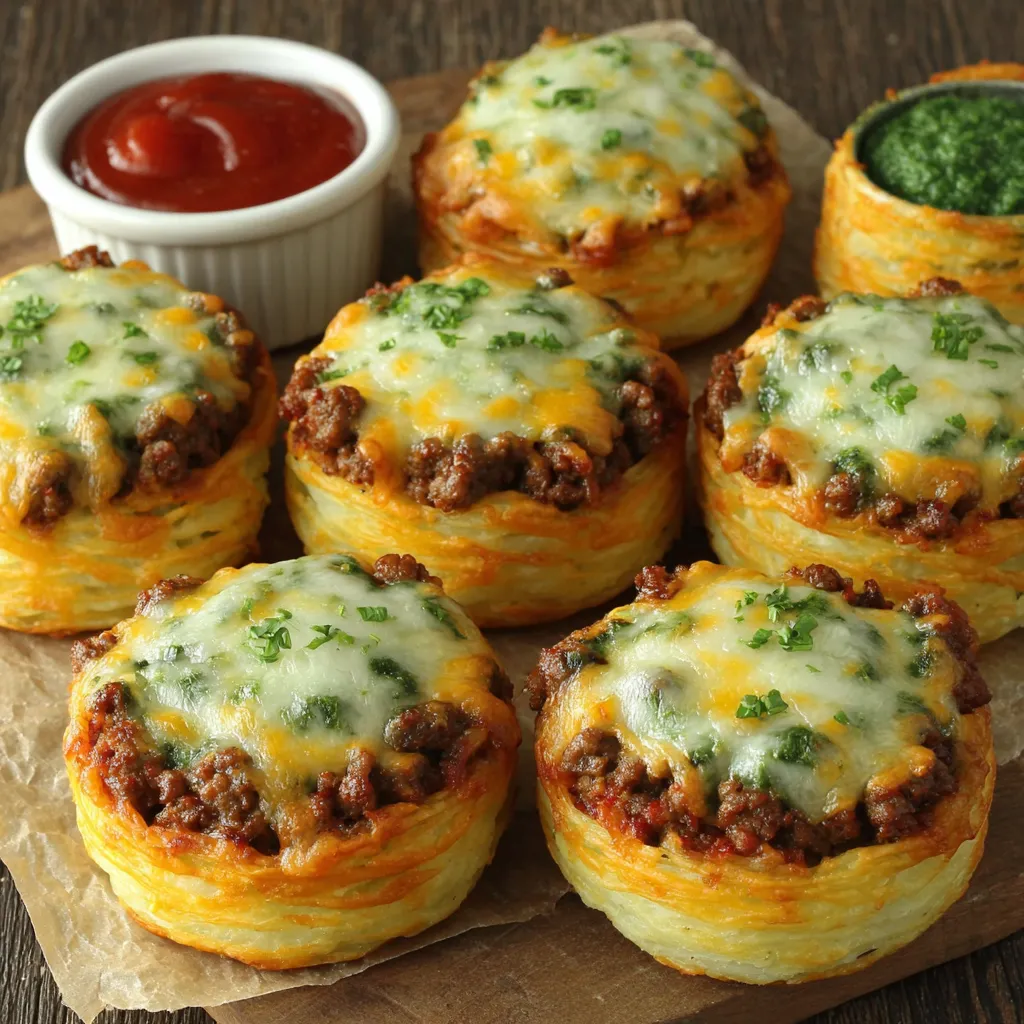
- Spoon the ground beef filling into the center of each mashed potato nest.
- Sprinkle the remaining cheddar cheese over the filling.
- Bake for 15-20 minutes, or until the cheese is melted and bubbly and the nests are lightly golden brown.
- Let the nests cool slightly before serving. Garnish with fresh chives or parsley, if desired.
My Quest for the Perfect Potato Nest: A Culinary Investigation
My journey to create the ultimate Stuffed Mashed Potato Nest was paved with both triumphs and tribulations. Like many of you, I initially thought it would be a straightforward process: mash some potatoes, shape them, fill them, and bake. Oh, how wrong I was!The Great Potato Collapse
My first few attempts were a disaster. The nests either spread out into sad, flat discs or collapsed under their own weight, leaving me with a pile of cheesy, meaty mashed potatoes (which, admittedly, still tasted good, but lacked the visual appeal I was aiming for). I tried using only Russet potatoes, thinking their high starch content would provide the necessary structure. However, the resulting mash was too dry and crumbly, leading to brittle nests that cracked easily.The Yukon Gold Revelation
Then, I had an “Aha!” moment. I realized that the key was balance. Russet potatoes provided the necessary starch for structure, but they needed the richness and moisture of Yukon Gold potatoes to prevent them from drying out. By combining the two, I achieved a much more pliable and stable mash.Egg-cellent Binding
Another critical factor was the addition of eggs. Initially, I hesitated to add eggs, fearing they would make the mashed potatoes taste too eggy. However, I discovered that a small amount of lightly beaten eggs acted as a binder, creating a stronger and more resilient nest without affecting the flavor significantly. I experimented with different amounts of egg, and found that two large eggs per two pounds of potatoes was the sweet spot.The Piping Predicament
Shaping the nests was also a challenge. My first attempts at spooning the mashed potatoes resulted in uneven and misshapen nests. Then, I tried using a piping bag with a large star tip. This technique allowed me to create consistently sized and shaped nests with a professional-looking finish. It also provided a bit more height, which helped prevent the filling from overflowing during baking.The Filling Factor
Finally, I experimented with different fillings. While ground beef is a classic choice, I also tried using shredded chicken, crumbled sausage, and even a vegetarian filling made with lentils and vegetables. Each variation was delicious in its own way, but I found that the ground beef filling, with its savory and slightly sweet tomato sauce, was the most crowd-pleasing. This reminded me of the savory satisfaction one gets from Garlic Parmesan Cheeseburger Bombs, only in a more elegant form. I also considered incorporating some elements from French Onion Funeral Potatoes, but ultimately decided to stick with a more traditional Italian-inspired filling.The Fail-Safe Method: Nest Nirvana Achieved
After numerous trials and errors, I’ve distilled the process down to a foolproof method. Follow these steps, and you’ll be well on your way to creating perfect Stuffed Mashed Potato Nests every time:- Choose the Right Potatoes: Use a combination of Russet and Yukon Gold potatoes for the best balance of starch and flavor.
- Don’t Overcook or Over-Mash: Cook the potatoes until fork-tender, but avoid overcooking. Use a ricer or masher to create smooth potatoes, but avoid over-mashing, which can make them gluey. Consider steaming the potatoes for a drier mash.
- Add Fat and Flavor: Incorporate softened butter and warmed heavy cream for richness and flavor. Season generously with salt, pepper, garlic powder, and fresh herbs. The richness helps prevent the mixture from becoming like Cheesy Potato Gratin Casserole, where the potatoes are meant to meld together.
- Bind with Egg: Add lightly beaten eggs to act as a binding agent and provide structural integrity.
- Pipe or Spoon Carefully: Use a piping bag with a large star tip (preferred) or a spoon to create even and consistently shaped nests.
- Create a Deep Well: Use the back of a spoon to create a deep well in the center of each nest to hold the filling.
- Don’t Overfill: Spoon the filling into the nests, being careful not to overfill.
- Bake to Perfection: Bake the nests until the cheese is melted and bubbly and the potatoes are lightly golden brown. Similar to how the top layer of Parmesan Scalloped Potatoes should be golden brown.
- Let Cool Slightly: Allow the nests to cool slightly before serving to prevent them from falling apart.
What types of potatoes are recommended for making stuffed mashed potato nests, and why?
The recipe recommends using a combination of Russet and Yukon Gold potatoes. Russet potatoes provide the necessary starch for structure, while Yukon Gold potatoes add richness and moisture, preventing the mash from becoming dry and crumbly.
Why is it important not to over-mash the potatoes when making the nests?
Over-mashing the potatoes can release too much starch, resulting in a gluey texture. The recipe advises using a potato ricer or masher and avoiding excessive mashing to achieve a smooth but not gluey consistency.
What is the purpose of adding eggs to the mashed potato mixture?
Lightly beaten eggs act as a binding agent, providing structural integrity to the mashed potato nests and helping them hold their shape during baking.
What are some tips for shaping the mashed potato nests effectively?
The article suggests using a piping bag with a large star tip for creating consistently sized and shaped nests with a professional look. Alternatively, a spoon can be used to create mounds of mashed potatoes, followed by using the back of the spoon to create a well in the center of each mound.
Best Stuffed Mashed Potato Nests
Ingredients
Equipment
Method
- Place the potatoes in a large pot and cover with cold water. Bring to a boil and cook until fork-tender, about 15-20 minutes.
- Drain the potatoes well and return them to the pot. Let them steam dry for a few minutes to remove excess moisture.
- Using a potato ricer or masher, mash the potatoes until smooth. Avoid over-mashing, which can make them gluey.
- Add the softened butter and warmed heavy cream. Mix until well combined.
- Stir in the beaten eggs, Parmesan cheese, chives, and garlic powder. Season with salt and pepper to taste.
- While the potatoes are cooking, brown the ground beef in a large skillet over medium-high heat. Drain off any excess grease.
- Add the chopped onion and cook until softened, about 5 minutes.
- Add the minced garlic and cook for 1 minute more.
- Stir in the diced tomatoes, tomato sauce, oregano, basil, and red pepper flakes (if using). Season with salt and pepper to taste.
- Bring to a simmer and cook for 10-15 minutes, or until the sauce has thickened slightly.
- Preheat oven to 375°F (190°C).
- Line a baking sheet with parchment paper.
- Transfer the mashed potatoes to a piping bag fitted with a large star tip (or use a spoon).
- Pipe or spoon 12 mounds of mashed potatoes onto the prepared baking sheet.
- Using the back of a spoon, create a well in the center of each mound to form a nest.
- Spoon the ground beef filling into the center of each mashed potato nest.
- Sprinkle the remaining cheddar cheese over the filling.
- Bake for 15-20 minutes, or until the cheese is melted and bubbly and the nests are lightly golden brown.
- Let the nests cool slightly before serving. Garnish with fresh chives or parsley, if desired.