
Is achieving restaurant-quality Teriyaki Chicken at home a culinary impossibility, or is it merely a matter of understanding the underlying principles and applying a bit of scientific rigor? The quest for the perfect Teriyaki Chicken, a dish that walks the line between sweet and savory, tender and caramelized, has been a long and winding road, filled with sticky disappointments and ultimately, a triumphant breakthrough.
Teriyaki Deconstructed: The Science of Sweet and Savory
At its core, Teriyaki is a marriage of simple components, but the magic lies in their interaction. The sauce itself is a delicate balance of soy sauce (umami and salt), mirin or sake (sweetness and depth), sugar (caramelization and sweetness), and ginger/garlic (aromatics). Let’s break down the critical scientific principles that make it work:
- Maillard Reaction: This is the browning reaction that occurs when amino acids and reducing sugars are heated. It’s what gives Teriyaki its characteristic color and complex flavor. High heat and the presence of sugars are essential for this reaction.
- Caramelization: The process of heating sugar to create a nutty, complex flavor and golden-brown color. It complements the Maillard reaction and adds another layer of sweetness.
- Reduction: Simmering the sauce concentrates its flavors and thickens it to a glossy glaze. The ratio of surface area to volume is crucial here; a wider pan will lead to faster reduction.
- Protein Denaturation: The heat causes the chicken proteins to unfold, resulting in a tender texture. Overcooking leads to protein coagulation, making the chicken dry and rubbery.
Understanding these principles is key to unlocking the secrets of perfect Teriyaki. It’s not just about following a recipe; it’s about understanding why the recipe works.
The Ultimate Teriyaki Chicken Recipe
Ingredients:
- 1.5 lbs boneless, skinless chicken thighs, cut into 1-inch pieces
- 1 tablespoon olive oil
For the Teriyaki Sauce:
- 1/2 cup soy sauce (low sodium preferred)
- 1/4 cup mirin (or dry sherry + 1 teaspoon sugar)
- 1/4 cup sake (or dry white wine)
- 2 tablespoons brown sugar, packed
- 1 tablespoon honey
- 1 tablespoon grated fresh ginger
- 2 cloves garlic, minced
- 1 teaspoon sesame oil
- 1 tablespoon cornstarch mixed with 2 tablespoons cold water (slurry)
Instructions:
- Prepare the Chicken: Cut the chicken thighs into bite-sized pieces. This ensures even cooking and faster caramelization.
- Sear the Chicken: Heat the olive oil in a large skillet or wok over medium-high heat. Add the chicken and cook, stirring occasionally, until browned on all sides. Don’t overcrowd the pan; cook in batches if necessary. This step is crucial for developing flavor through the Maillard reaction.
- Combine the Sauce Ingredients: In a medium bowl, whisk together the soy sauce, mirin, sake, brown sugar, honey, ginger, garlic, and sesame oil.
- Simmer the Sauce: Pour the sauce over the chicken in the skillet. Bring to a simmer and cook for about 5-7 minutes, or until the chicken is cooked through and the sauce has slightly reduced.
- Thicken the Sauce: Stir the cornstarch slurry and slowly pour it into the simmering sauce, stirring constantly. Cook for another 1-2 minutes, or until the sauce has thickened to your desired consistency. The cornstarch acts as a thickening agent, creating that glossy Teriyaki glaze.
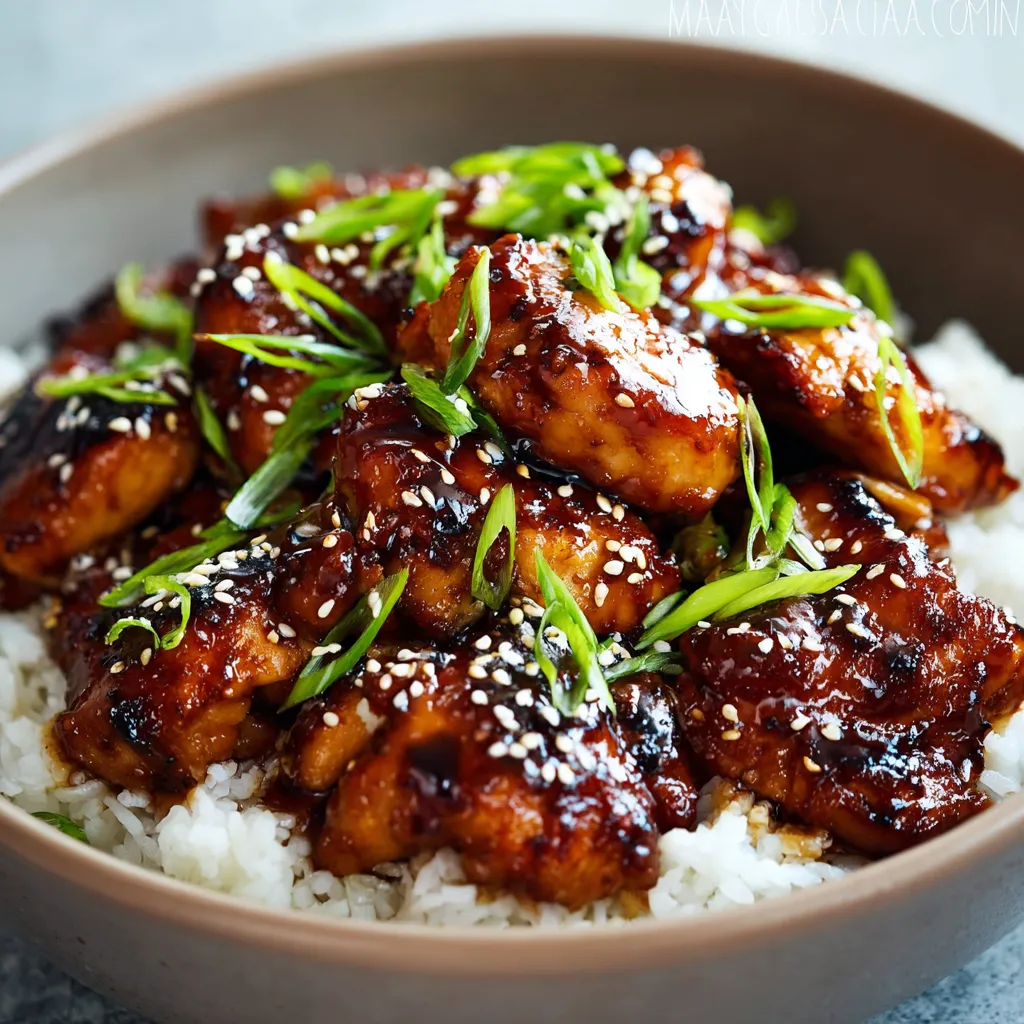
- Serve: Serve immediately over rice, garnished with sesame seeds and chopped green onions. Steamed broccoli is the perfect side for a complete and healthy meal.
Enjoy this Easy Teriyaki Chicken Recipe: Delicious 30-minute dinner! Tender chicken in homemade teriyaki sauce, perfect for weeknights. Skip takeout & enjoy this sweet and savory meal with rice & broccoli.
My Teriyaki Chicken Journey: A Culinary Investigation
The Initial Disaster Zone
My first few attempts were a disaster. I’m not exaggerating. The chicken was either dry and overcooked or swimming in a watery, bland sauce. Like many of you, I initially thought Teriyaki was just about throwing some ingredients together and hoping for the best. I used pre-made sauces, adjusted ratios haphazardly, and paid little attention to the cooking process. The result? A sad imitation of the Teriyaki I craved.
The “Aha!” Moment: Understanding the Science
Then, I had an “Aha!” moment. I realized I needed to understand the science behind the sauce. I started researching the Maillard reaction, caramelization, and the role of each ingredient. I learned that the ratio of sugar to soy sauce was critical, and that the type of sugar (brown vs. white) could significantly impact the flavor. I also discovered the importance of reducing the sauce to concentrate the flavors and create a glossy glaze.
Experimenting with Variables: A Controlled Study
I began experimenting with different variables. I tested different ratios of soy sauce to sugar, different types of sugar (brown sugar, white sugar, honey), and different thickening agents (cornstarch, arrowroot). I meticulously measured each ingredient and recorded the results of each experiment. One experiment involved comparing the use of mirin versus dry sherry with a touch of sugar. Interestingly, while mirin provided a more authentic flavor, the sherry substitute was a surprisingly good stand-in.
I also played around with the cooking time and temperature. I found that searing the chicken over high heat before adding the sauce was crucial for developing flavor. I also learned that simmering the sauce over medium heat, rather than boiling it, resulted in a richer, more complex flavor.
The Breakthrough: The Perfect Balance
Finally, after numerous iterations, I achieved the breakthrough I was looking for. I discovered the perfect balance of sweet, savory, and umami. The chicken was tender, juicy, and coated in a luscious, glossy glaze. The sauce was rich, complex, and perfectly balanced. It was, in my humble opinion, the perfect Teriyaki Chicken. This recipe is truly an Easy Teriyaki Chicken Recipe: Delicious 30-minute dinner! Tender chicken in homemade teriyaki sauce, perfect for weeknights. Skip takeout & enjoy this sweet and savory meal with rice & broccoli.
During my experimentation, I also tried a Honey Garlic Shrimp recipe, applying some of the same sauce principles for a different protein, and was pleasantly surprised by how well the techniques translated.
I also considered creating a Honey Garlic Chicken variation of this recipe using similar techniques, but ultimately decided that the classic Teriyaki flavor profile was distinct enough to warrant its own dedicated recipe.
My journey taught me the importance of understanding the science behind cooking. It’s not enough to just follow a recipe; you need to understand why the recipe works. Only then can you truly master a dish and create something truly special.
The Foolproof Technique: A Step-by-Step Guide to Teriyaki Perfection
After countless trials and tribulations, I’ve distilled the process down to a foolproof method. Follow these steps, and you’ll be on your way to Teriyaki Chicken perfection:
- Choose the Right Chicken: Boneless, skinless chicken thighs are ideal. They are more flavorful and less prone to drying out than chicken breasts.
- Cut the Chicken into Uniform Pieces: This ensures even cooking and faster caramelization. Aim for 1-inch pieces.
- Sear the Chicken: Sear the chicken in a hot skillet before adding the sauce. This develops flavor and creates a beautiful crust.
- Use High-Quality Ingredients: The quality of your soy sauce, mirin, and sake will significantly impact the flavor of your sauce.
- Balance the Sweetness and Savory: Adjust the amount of sugar and soy sauce to your liking. Taste and adjust as you go.
- Simmer, Don’t Boil: Simmer the sauce over medium heat to concentrate the flavors and create a rich, complex glaze.
- Thicken with Cornstarch Slurry: Slowly add the cornstarch slurry while stirring constantly to avoid lumps.
- Serve Immediately: Teriyaki Chicken is best served hot, right after cooking.
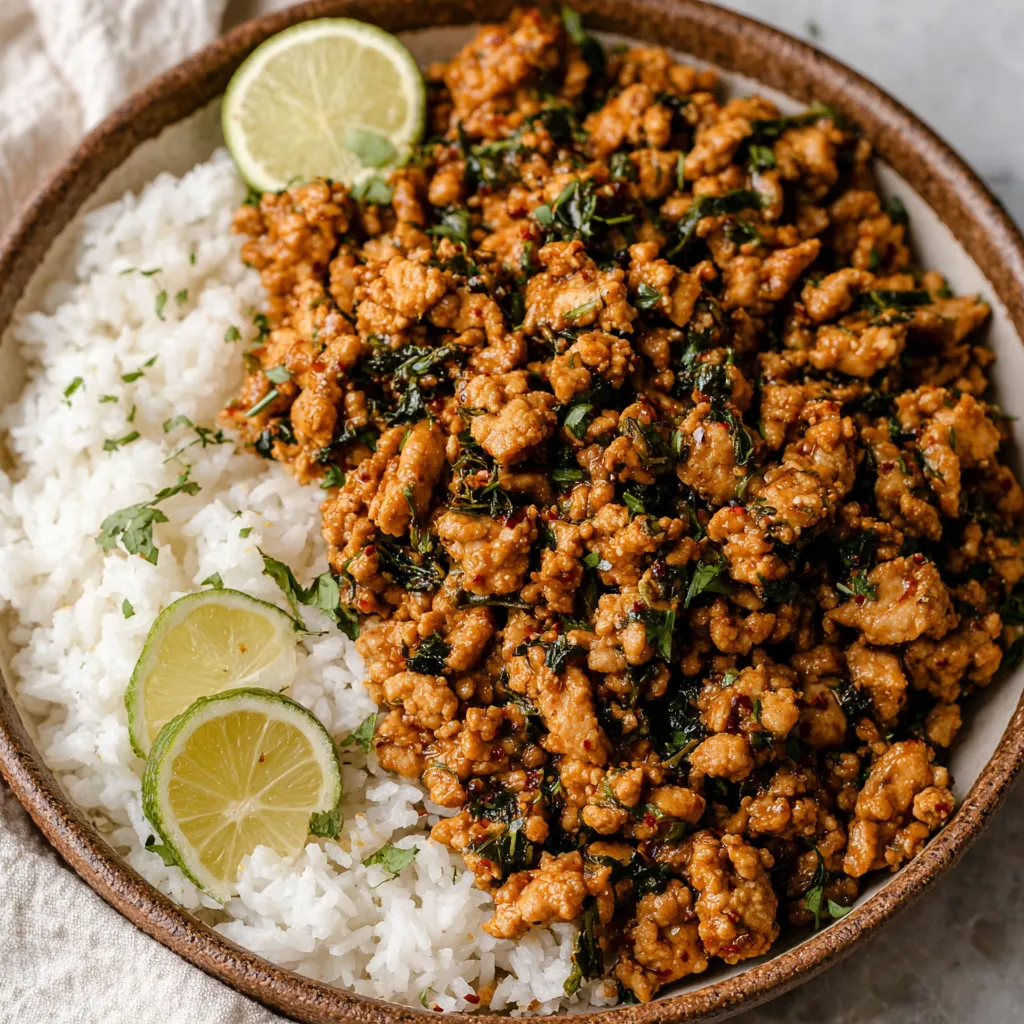
For a fun twist, you could adapt the sauce for Pineapple Teriyaki Chicken Wings, adding a tropical touch. Or, for a quicker meal, consider Teriyaki Ground Chicken Bowls, which are ready in minutes.
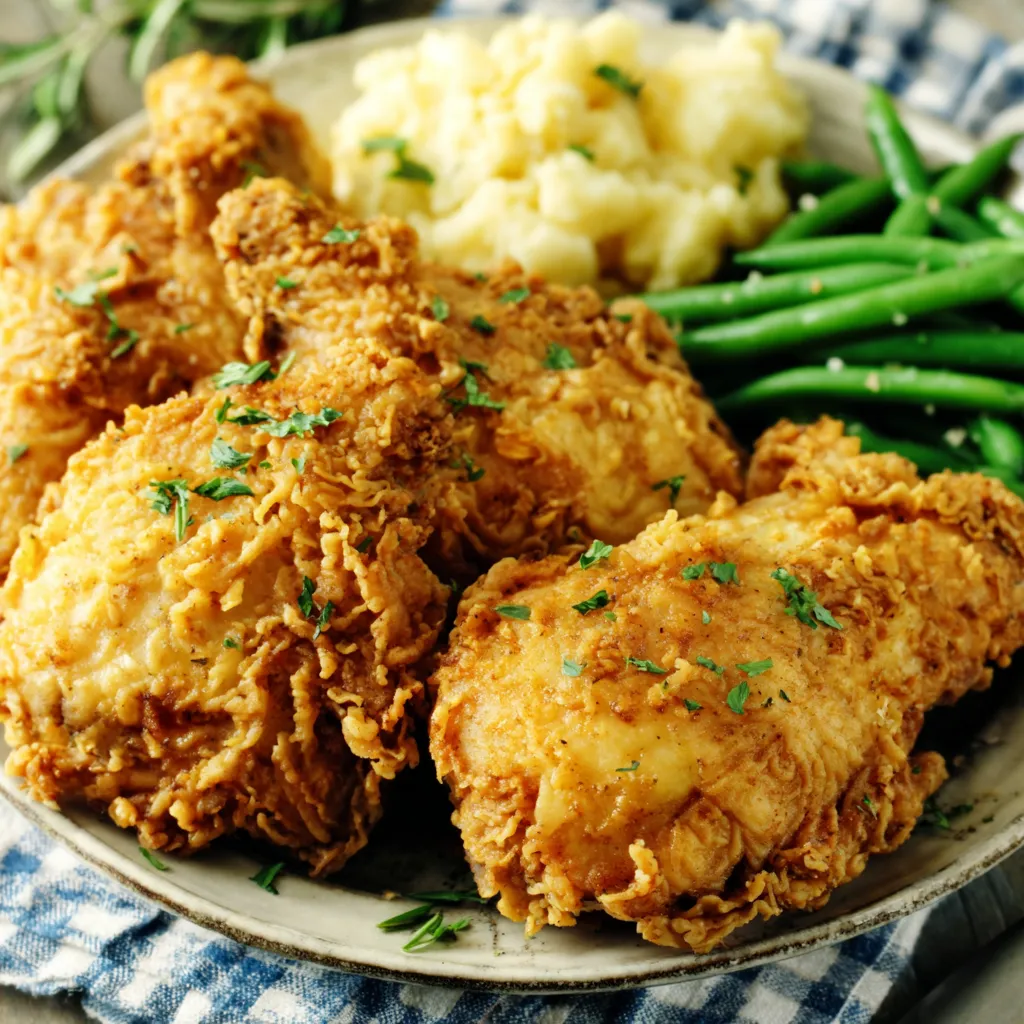
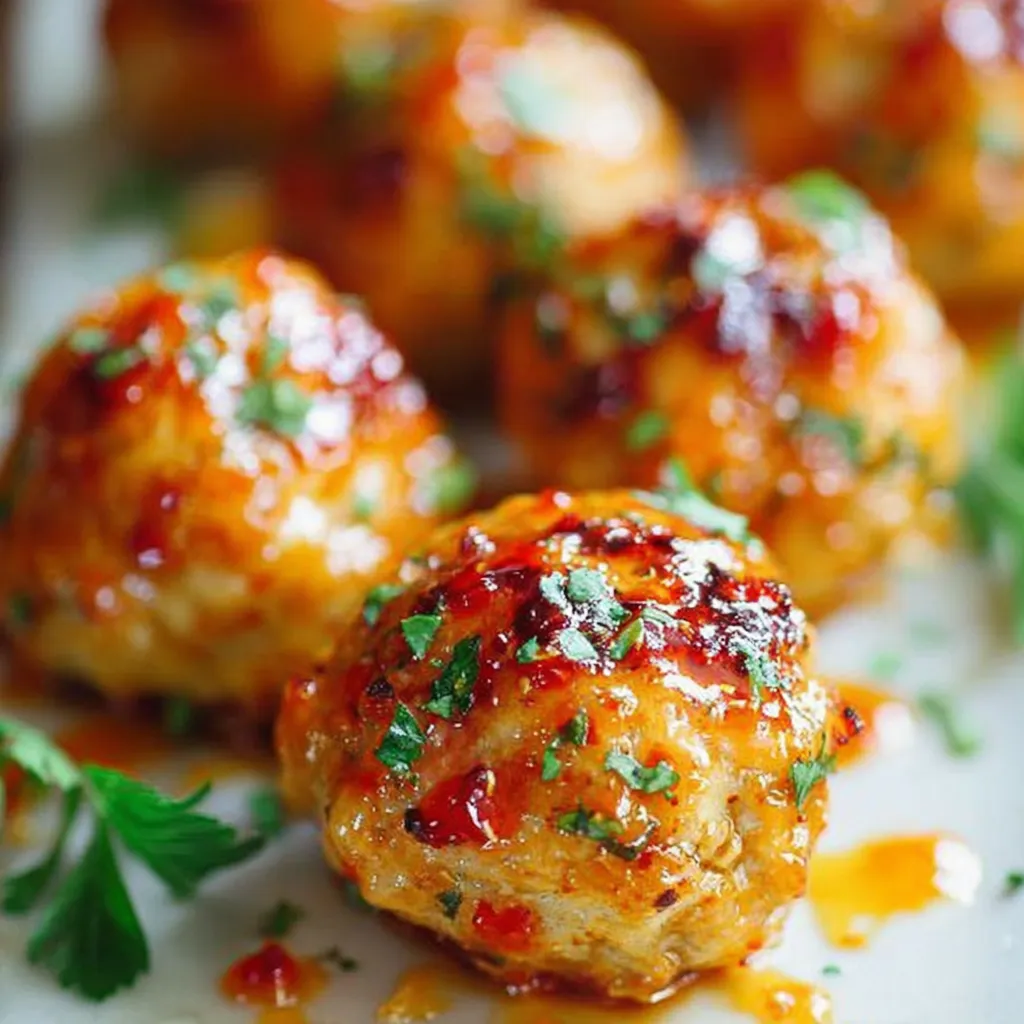
You might also enjoy Honey Garlic Chicken if you like these flavors! And if you like chicken and pineapple together, you might also like Brown Sugar Pineapple Chicken.
This Easy Teriyaki Chicken Recipe: Delicious 30-minute dinner! Tender chicken in homemade teriyaki sauce, perfect for weeknights. Skip takeout & enjoy this sweet and savory meal with rice & broccoli.
What are the key components of a good teriyaki sauce, and what role does each play?
A good teriyaki sauce balances soy sauce (umami and salt), mirin or sake (sweetness and depth), sugar (caramelization and sweetness), and ginger/garlic (aromatics). Each ingredient contributes to the overall flavor profile and texture of the sauce.
Why does the recipe recommend using boneless, skinless chicken thighs instead of chicken breasts?
Boneless, skinless chicken thighs are recommended because they are more flavorful and less prone to drying out than chicken breasts.
What is the Maillard reaction, and why is it important for making teriyaki chicken?
The Maillard reaction is the browning reaction that occurs when amino acids and reducing sugars are heated. It’s important for teriyaki chicken because it gives the dish its characteristic color and complex flavor. High heat and the presence of sugars are essential for this reaction.
How does using a cornstarch slurry help with the teriyaki chicken?
The cornstarch slurry acts as a thickening agent when added to the simmering teriyaki sauce, creating the desired glossy glaze.
Best Teriyaki Chicken Recipe
Ingredients
Equipment
Method
- Cut the chicken thighs into bite-sized pieces.
- Heat the olive oil in a large skillet or wok over medium-high heat.
- Add the chicken and cook, stirring occasionally, until browned on all sides. Cook in batches if necessary.
- In a medium bowl, whisk together the soy sauce, mirin, sake, brown sugar, honey, ginger, garlic, and sesame oil.
- Pour the sauce over the chicken in the skillet.
- Bring to a simmer and cook for about 5-7 minutes, or until the chicken is cooked through and the sauce has slightly reduced.
- Stir the cornstarch slurry and slowly pour it into the simmering sauce, stirring constantly.
- Cook for another 1-2 minutes, or until the sauce has thickened to your desired consistency.
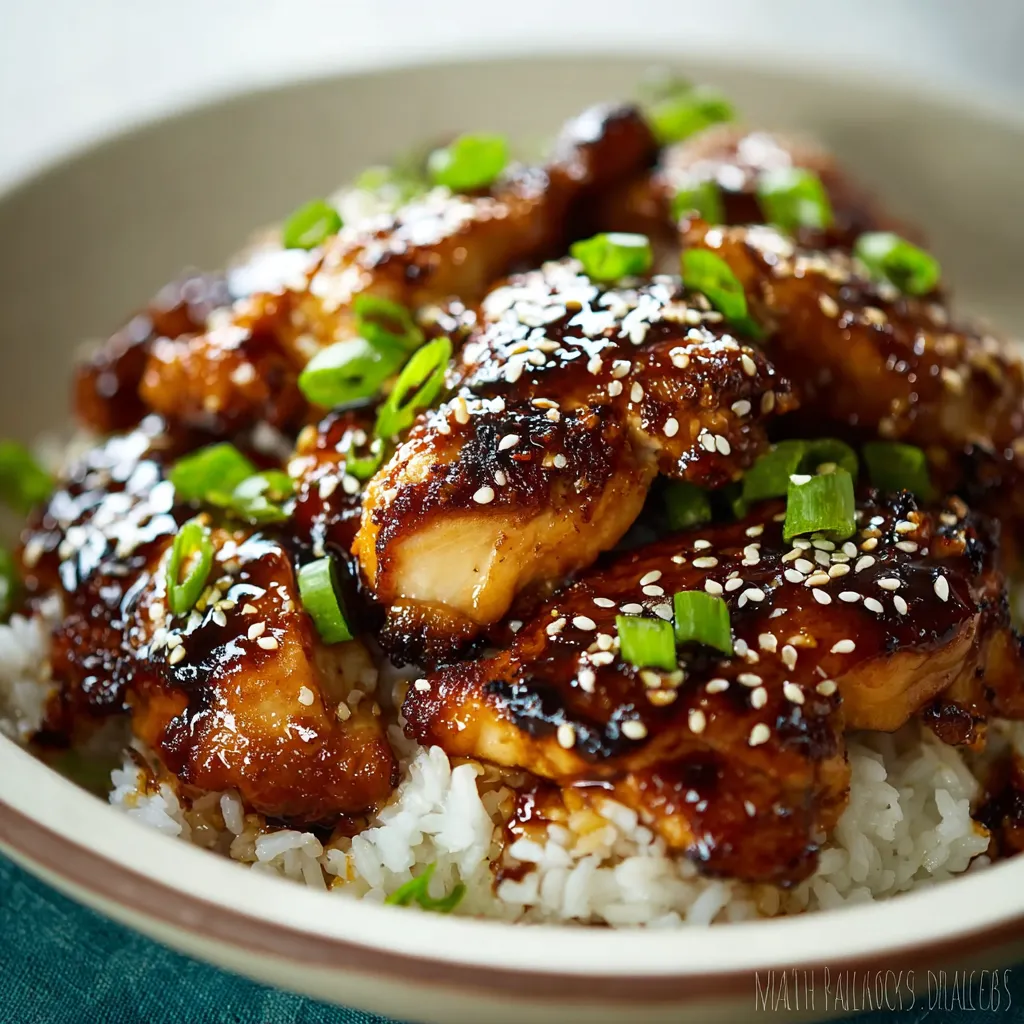
- Serve immediately over rice, garnished with sesame seeds and chopped green onions. Serve with steamed broccoli.