
The Tangible Truth About Tomatoes
The secret to truly spectacular tomato soup lies in understanding the delicate dance between acidity, sweetness, and richness. Tomatoes, inherently acidic, need to be balanced by something sweet, whether it’s naturally occurring sugars enhanced through roasting or added sugar. But simply dumping in sugar isn’t the answer. The magic also happens with *umami*, that savory depth that elevates the soup from bland to brilliant. Roasting brings out the best in tomatoes by concentrating their flavors and converting starches to sugars. The Maillard reaction, that browning magic, is also key, creating complex and nutty notes. Finally, fat is your friend. It mellows the acidity, carries the flavors, and provides a luxurious mouthfeel. Think of it like the richness you might find in Rotisserie Chicken Mushroom Soup, that velvety texture isn’t just luck, it is purposeful.My Ode to the Red Orb: A Recipe for Tomato Soup Perfection
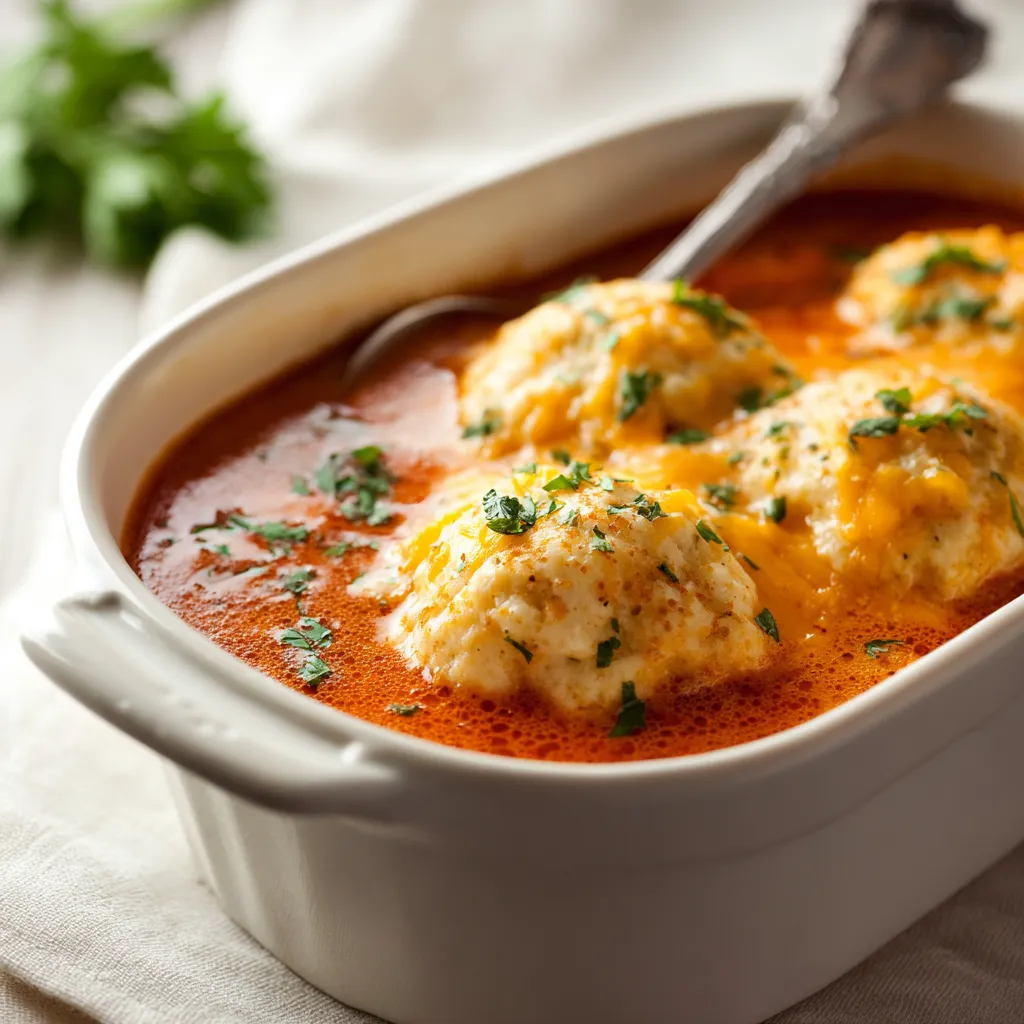 Here’s a recipe that incorporates all the principles we just discussed, honed from years of trial and error:
Ingredients:
- Tomatoes: 2.5 lbs ripe tomatoes (Roma, San Marzano, or a mix), cored and halved
- Aromatic Vegetables: 1 large onion, chopped; 2 carrots, chopped; 2 celery stalks, chopped; 4 cloves garlic, minced
- Olive Oil: 4 tablespoons, divided
- Chicken Broth: 4 cups (low sodium preferred)
- Heavy Cream: 1/2 cup (optional, but highly recommended)
- Tomato Paste: 2 tablespoons
- Dried Herbs: 1 teaspoon dried oregano, 1/2 teaspoon dried basil
- Sugar: 1 teaspoon (or to taste)
- Balsamic Vinegar: 1 teaspoon
- Salt & Pepper: To taste
- Optional Garnishes: Fresh basil, croutons, a swirl of cream
Instructions:
1. Roast the Vegetables: Preheat oven to 400°F (200°C). Toss the tomatoes, onion, carrots, and celery with 2 tablespoons of olive oil, salt, and pepper. Spread in a single layer on a baking sheet. Roast for 45-50 minutes, or until the tomatoes are softened and slightly caramelized. 2. Sauté the Garlic & Tomato Paste: While the vegetables are roasting, heat the remaining 2 tablespoons of olive oil in a large pot or Dutch oven over medium heat. Add the minced garlic and tomato paste and cook for 1-2 minutes, stirring constantly, until fragrant and the tomato paste darkens slightly. This step intensifies the tomato flavor. 3. Simmer: Add the roasted vegetables to the pot. Pour in the chicken broth, oregano, and basil. Bring to a simmer, then reduce heat and cook for 15-20 minutes to allow the flavors to meld. 4. Blend: Carefully transfer the soup to a blender (or use an immersion blender) and blend until smooth. Be cautious when blending hot liquids. If using a regular blender, work in batches and vent the lid. 5. Finish: Return the soup to the pot. Stir in the heavy cream (if using), sugar, and balsamic vinegar. Season with salt and pepper to taste. Heat through gently, but do not boil. 6. Serve: Ladle the soup into bowls and garnish with fresh basil, croutons, and a swirl of cream (if desired).The Tomato Trail: My Soup-Making Saga
My first few attempts were a disaster. I treated tomato soup like any other soup – just throw some stuff in a pot and hope for the best. The result was always…blah. Watery, acidic, and utterly forgettable. Then, I had an “Aha!” moment. It all started when I was researching French Onion soup and the importance of caramelization. I realized the same principle could apply to tomatoes.Phase 1: The Raw Tomato Reckoning
Like many of you, I initially thought canned tomatoes were the answer. Consistent flavor, readily available – what could go wrong? Turns out, a lot. The soup was always too acidic, even with copious amounts of sugar. I tried different brands, different cuts (diced, crushed, whole), but nothing worked. This stage almost made me give up. Then I started thinking about Pot Roast With Mashed Potatoes and how browning the meat created an intense savory flavor.Phase 2: The Roasting Revelation
Roasting the tomatoes was a game-changer. The concentrated sweetness, the slight char, the depth of flavor – it was a revelation. I started experimenting with different roasting times and temperatures, eventually settling on 400°F (200°C) for around 45-50 minutes. I also realized that roasting the aromatic vegetables alongside the tomatoes added another layer of complexity.Phase 3: The Umami Upgrade
Okay, the soup was good, but it was still missing something. That *je ne sais quoi*. That elusive umami. I started researching ways to boost savory flavors in vegetarian dishes. Tomato paste was an obvious choice, but I quickly learned that simply adding it wasn’t enough. It needed to be cooked – sautéed in oil until it darkened and became intensely fragrant. This released its glutamates and created a deeper, richer flavor base. This led me to think about other Buttermilk Biscuits With Sausage Gravy, how the sausage gravy contains umami and fat, which really makes it a great breakfast.Phase 4: The Acidity Antidote
Even with the roasting and the umami boost, the soup could still be a little too acidic. I experimented with different ways to counteract this: adding a pinch of baking soda (which worked, but sometimes left a slightly metallic taste), using sweeter varieties of tomatoes, and, finally, adding a touch of balsamic vinegar. The balsamic vinegar was the winner. Just a teaspoon added a subtle depth and complexity that balanced the acidity perfectly. A little sugar helps too, but remember, a light touch!Phase 5: The Final Flourish: Fat & Texture
The final piece of the puzzle was texture. I wanted a soup that was smooth, creamy, and luxurious. Using an immersion blender helped, but the real secret was the heavy cream. Just a little bit, stirred in at the end, transformed the soup from good to sublime. The fat in the cream mellowed the acidity even further and created a velvety mouthfeel.The Definitive Technique for Tomato Soup Triumph
Here’s a foolproof method for making the best tomato soup of your life: 1. Roast: Roast your tomatoes and aromatic vegetables at 400°F (200°C) for 45-50 minutes to concentrate their flavors. 2. Sauté: Sauté tomato paste and garlic in olive oil to create a rich, flavorful base. 3. Simmer: Simmer the roasted vegetables, tomato paste, and chicken broth together to meld the flavors. 4. Blend: Blend the soup until smooth using a blender or immersion blender. 5. Balance: Balance the acidity with a touch of sugar and balsamic vinegar. 6. Enrich: Enrich the soup with a swirl of heavy cream for a luxurious texture. 7. Season: Season to taste with salt and pepper. 8. Garnish: Garnish with fresh basil and croutons for the ultimate tomato soup experience. The quest for the perfect tomato soup is a journey worth taking. Armed with these principles and this recipe, you’re well on your way to creating a bowl of comfort that will rival any restaurant version. You can apply similar cooking techniques when preparing other Easy Casserole Recipes. Speaking of casseroles, there are many Chicken Recipes Casserole that follow similar paths to success, such as Chicken Cordon Bleu Casserole and Chicken Cordon Bleu, focusing on complementary flavors and layered textures. Don’t be afraid to experiment, adjust the seasonings to your liking, and, most importantly, enjoy the process!What is the key to making great tomato soup?
The secret to truly spectacular tomato soup lies in understanding the delicate dance between acidity, sweetness, and richness, as well as incorporating umami.
Why does the recipe call for roasting the tomatoes?
Roasting the tomatoes concentrates their sweetness, brings out their depth of flavor, and adds a slight char. Roasting also converts starches to sugars and creates complex, nutty notes.
Why is tomato paste sautéed before adding the other ingredients?
Sautéing the tomato paste in olive oil until it darkens and becomes fragrant releases its glutamates, creating a deeper, richer flavor base and boosting savory flavors.
What’s the purpose of adding balsamic vinegar to the tomato soup?
Balsamic vinegar is added to balance the acidity of the tomatoes. Just a teaspoon adds a subtle depth and complexity.
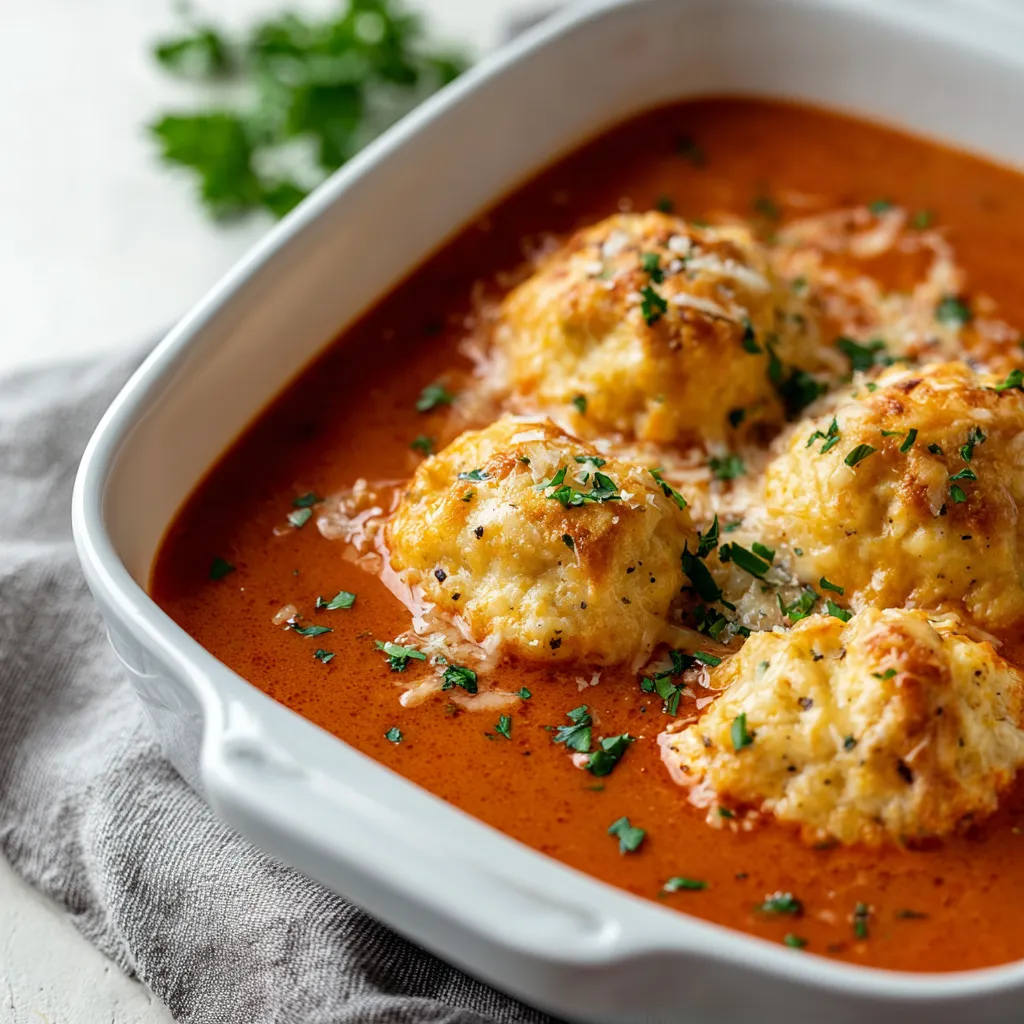
Best Tomato Soup Ever
This tomato soup recipe leverages roasted vegetables, sautéed tomato paste, and a touch of cream to deliver an incredibly flavorful and comforting experience. Roasting intensifies the sweetness of the tomatoes, while sautéing the tomato paste adds umami and depth. A final touch of heavy cream balances the acidity and provides a luxurious texture.
Ingredients
Equipment
Method
- Preheat oven to 400°F (200°C).
- Toss the tomatoes, onion, carrots, and celery with 2 tablespoons of olive oil, salt, and pepper.
- Spread in a single layer on a baking sheet and roast for 45-50 minutes, or until the tomatoes are softened and slightly caramelized.
- While the vegetables are roasting, heat the remaining 2 tablespoons of olive oil in a large pot or Dutch oven over medium heat.
- Add the minced garlic and tomato paste and cook for 1-2 minutes, stirring constantly, until fragrant and the tomato paste darkens slightly.
- Add the roasted vegetables to the pot.
- Pour in the chicken broth, oregano, and basil.
- Bring to a simmer, then reduce heat and cook for 15-20 minutes to allow the flavors to meld.
- Carefully transfer the soup to a blender (or use an immersion blender) and blend until smooth. Be cautious when blending hot liquids. If using a regular blender, work in batches and vent the lid.
- Return the soup to the pot.
- Stir in the heavy cream (if using), sugar, and balsamic vinegar.
- Season with salt and pepper to taste.
- Heat through gently, but do not boil.
- Ladle the soup into bowls and garnish with fresh basil, croutons, and a swirl of cream (if desired).
Notes
For a richer flavor, use roasted garlic. You can also add a pinch of red pepper flakes for a touch of heat. Store leftovers in an airtight container in the refrigerator for up to 3 days. This soup also freezes well for up to 2 months. For a vegan option, substitute vegetable broth for the chicken broth and omit the heavy cream or use a plant-based cream alternative.