
Is it possible to create a Chicken Garlic Parmesan Pasta dish so creamy, so flavorful, and so utterly irresistible that it becomes a weeknight staple?
Unlocking the Creamy Code: The Science of Deliciousness
The magic behind a truly exceptional Chicken Garlic Parmesan Pasta lies in understanding the science of emulsification, flavor layering, and protein manipulation. Let’s break it down:
- Emulsification: A creamy sauce isn’t just about adding cream. It’s about creating a stable emulsion, where fat (from butter and cream) is dispersed evenly throughout a water-based liquid (pasta water and chicken broth). This requires a binding agent, typically starch from the pasta water and sometimes a touch of flour or cornstarch. Proper emulsification prevents the sauce from separating and ensures a velvety texture.
- Flavor Layering: A complex and satisfying flavor profile requires building layers of taste. We start with aromatics like garlic and shallots, bloom them in butter to release their volatile compounds, and then build upon that foundation with savory chicken, salty Parmesan cheese, and bright herbs like parsley and basil. The order in which these ingredients are added is crucial.
- Protein Perfection: Chicken, when cooked improperly, can become dry and rubbery. The key is to cook it gently and to not overcook it. Searing the chicken first creates a Maillard reaction, which develops a deep, savory crust. Finishing the cooking process in the sauce ensures that the chicken remains moist and absorbs the flavors of the sauce.
The Irresistible Chicken Garlic Parmesan Pasta Recipe
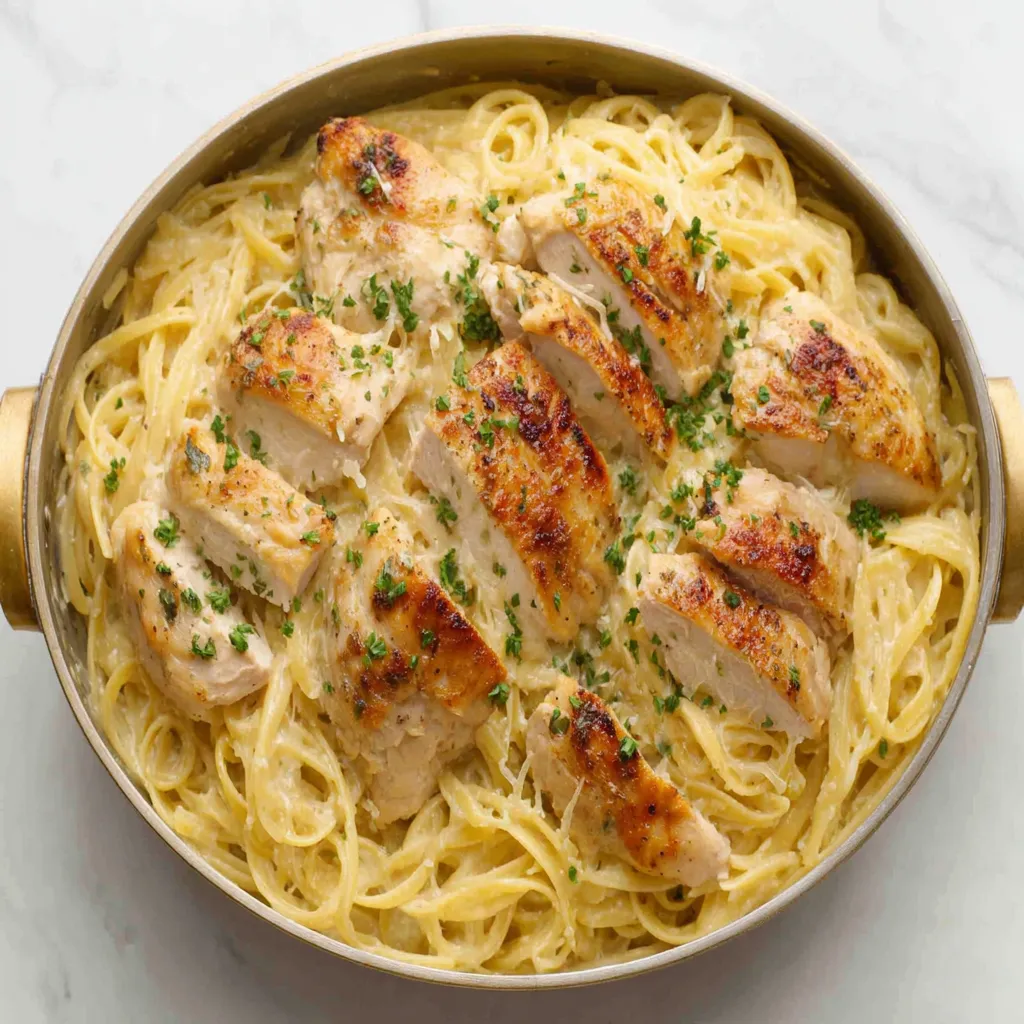
Ingredients:
- 1 pound boneless, skinless chicken breasts, cut into 1-inch cubes
- 1 pound pasta (fettuccine, linguine, or penne work well)
- 4 tablespoons butter
- 4 cloves garlic, minced
- 1 shallot, minced (optional, but highly recommended)
- 1/2 cup dry white wine (such as Sauvignon Blanc or Pinot Grigio)
- 1 cup chicken broth
- 1 cup heavy cream
- 1/2 cup grated Parmesan cheese, plus more for serving
- 1/4 cup chopped fresh parsley
- 2 tablespoons chopped fresh basil
- Salt and black pepper to taste
- 1 tablespoon olive oil
- Pinch of red pepper flakes (optional)
Instructions:
- Cook the Pasta: Bring a large pot of salted water to a boil. Add the pasta and cook according to package directions until al dente. Reserve about 1 cup of pasta water before draining.
- Prepare the Chicken: While the pasta is cooking, season the chicken cubes with salt and pepper. Heat olive oil in a large skillet over medium-high heat. Sear the chicken in batches until browned on all sides. Remove the chicken from the skillet and set aside.
- Sauté Aromatics: Reduce the heat to medium and add the butter to the skillet. Once melted, add the minced garlic and shallot (if using) and cook until fragrant, about 1 minute. Be careful not to burn the garlic.
- Deglaze the Pan: Pour in the white wine and scrape up any browned bits from the bottom of the skillet. Let the wine simmer for 2-3 minutes, allowing the alcohol to evaporate.
- Create the Sauce: Add the chicken broth and bring to a simmer. Stir in the heavy cream and Parmesan cheese. Season with salt, pepper, and red pepper flakes (if using).
- Combine and Finish: Return the chicken to the skillet and simmer in the sauce for 5-7 minutes, or until the chicken is cooked through and the sauce has thickened slightly. Add the cooked pasta to the skillet and toss to coat. Add pasta water, a little at a time, if needed to adjust the consistency of the sauce.
- Serve: Stir in the fresh parsley and basil. Serve immediately, garnished with extra Parmesan cheese.
My Culinary Odyssey: The Chicken Garlic Parmesan Pasta Investigation
The Soggy Sauce Saga: My Initial Struggles
My first few attempts at making Chicken Garlic Parmesan Pasta were a disaster. The sauce was either too thin and watery or so thick it resembled glue. I used pre-shredded Parmesan, which refused to melt properly and created a grainy texture. Like many of you, I initially thought that more cream equaled a better sauce. I couldn’t have been more wrong!
The Pasta Water Revelation: An “Aha!” Moment
Then, I had an “Aha!” moment while watching a cooking show. The chef mentioned the importance of pasta water. I started reserving a cup of the starchy water and adding it to the sauce, a little at a time. This completely transformed the texture, creating a luscious, emulsified sauce that clung beautifully to the pasta. It was a game changer!
Parmesan Precision: Freshly Grated is Key
Another key breakthrough was switching to freshly grated Parmesan cheese. The pre-shredded stuff contains cellulose, which prevents it from melting smoothly. Freshly grated Parmesan melts beautifully into the sauce, creating a silky, cheesy goodness. I also experimented with different types of Parmesan, finding that Parmigiano-Reggiano offers the most complex and nuanced flavor, making it perfect for dishes like Tuscan Chicken Pasta, which benefit from a robust cheese flavor. I often pair this with Garlic Parmesan Chicken Recipe to bring out the flavors.
Chicken Conundrums: Achieving Perfect Tenderness
The chicken was another area that needed improvement. It was often dry and overcooked. I learned that searing the chicken in small batches over high heat created a beautiful crust without overcooking the inside. Finishing the cooking process in the sauce ensured that the chicken remained moist and absorbed all those delicious flavors. I had a similar challenge when perfecting Chicken Broccoli Alfredo Bake, where the chicken needs to stay tender within the creamy sauce.
Beyond the Basics: Elevating the Flavor Profile
Finally, I started experimenting with different flavor combinations. Adding a minced shallot to the garlic and butter added a subtle sweetness and complexity. A splash of dry white wine deglazed the pan and added depth of flavor. A pinch of red pepper flakes provided a subtle kick. And fresh herbs, like parsley and basil, brightened the dish and added a vibrant freshness, like how spinach elevates Chicken Spinach Penne. I even explored variations using garlic butter, similar to Garlic Butter Chicken Bites In Creamy Pasta, but ultimately preferred the cleaner taste of the original.
The Foolproof Method: Your Path to Pasta Perfection
- Reserve the Pasta Water: This is liquid gold! Don’t forget to save about 1 cup of pasta water before draining.
- Freshly Grate Your Parmesan: Ditch the pre-shredded stuff. Freshly grated Parmesan melts beautifully and adds superior flavor.
- Sear the Chicken in Batches: Avoid overcrowding the pan, which lowers the temperature and steams the chicken instead of searing it.
- Don’t Burn the Garlic: Burnt garlic is bitter and ruins the flavor of the entire dish. Cook it over medium heat until fragrant, about 1 minute.
- Simmer, Don’t Boil, the Sauce: Boiling the sauce can cause it to separate. Simmer gently to allow the flavors to meld and the sauce to thicken.
- Adjust the Consistency with Pasta Water: Add pasta water, a little at a time, until the sauce reaches your desired consistency.
- Finish with Fresh Herbs: Fresh parsley and basil add a vibrant freshness that brightens the entire dish.
Why is it important to reserve pasta water when making Chicken Garlic Parmesan Pasta?
Pasta water contains starch which helps to emulsify the sauce, creating a luscious and creamy texture that clings beautifully to the pasta, preventing the sauce from being too thin or watery.
Why should I use freshly grated Parmesan cheese instead of pre-shredded?
Pre-shredded Parmesan cheese contains cellulose, which prevents it from melting smoothly. Freshly grated Parmesan melts beautifully into the sauce, creating a silky, cheesy goodness and a superior flavor.
How do I prevent the chicken from becoming dry and overcooked?
Sear the chicken in small batches over high heat to create a crust without overcooking the inside. Finishing the cooking process in the sauce ensures that the chicken remains moist and absorbs the flavors of the sauce.
What is ‘flavor layering’ and why is it important in this dish?
Flavor layering is building a complex taste profile by adding ingredients in a specific order to maximize their impact. For this dish, it involves starting with aromatics like garlic and shallots, then building upon that foundation with savory chicken, salty Parmesan cheese, and bright herbs, leading to a more satisfying flavor.
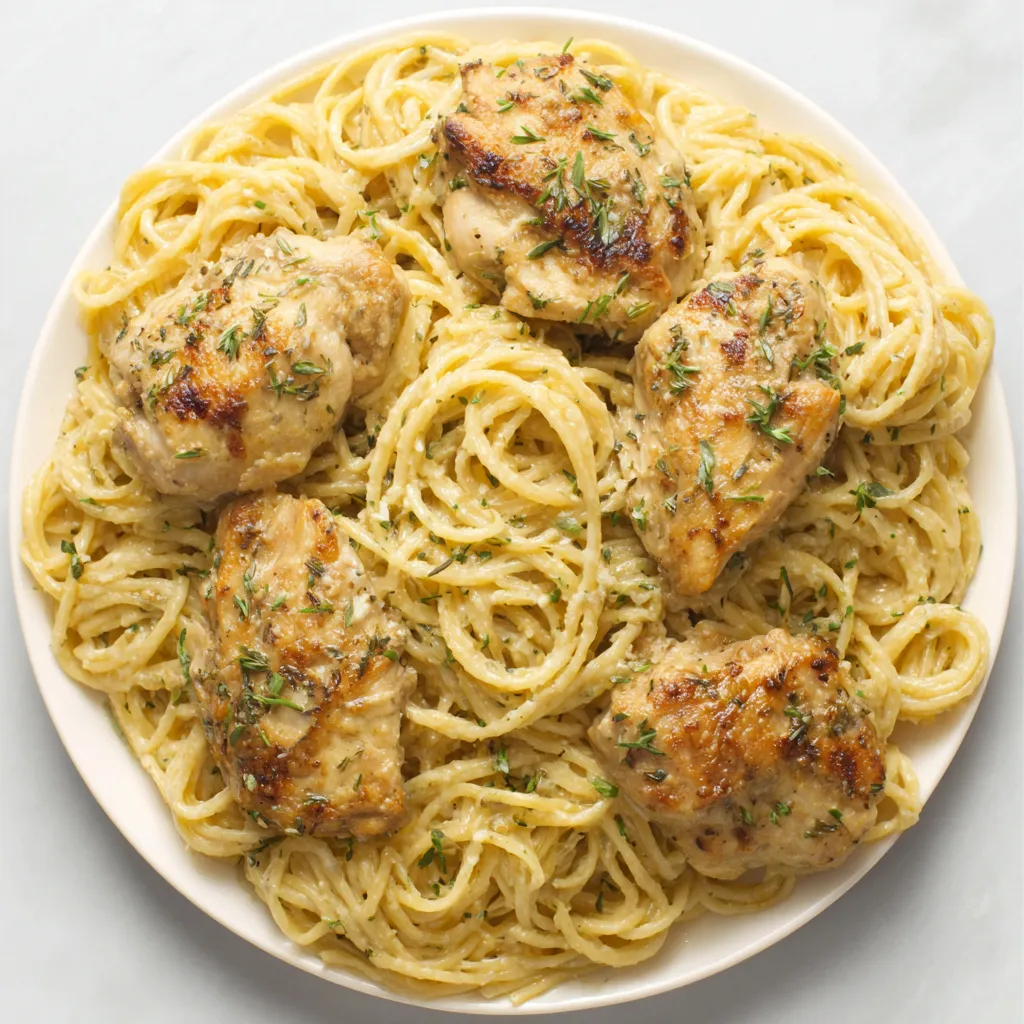
Chicken Garlic Parmesan Pasta Irresistible
Ingredients
Equipment
Method
- Cook the Pasta: Bring a large pot of salted water to a boil. Add the pasta and cook according to package directions until al dente. Reserve about 1 cup of pasta water before draining.
- Prepare the Chicken: While the pasta is cooking, season the chicken cubes with salt and pepper. Heat olive oil in a large skillet over medium-high heat. Sear the chicken in batches until browned on all sides. Remove the chicken from the skillet and set aside.
- Sauté Aromatics: Reduce the heat to medium and add the butter to the skillet. Once melted, add the minced garlic and shallot and cook until fragrant, about 1 minute. Be careful not to burn the garlic.
- Deglaze the Pan: Pour in the white wine and scrape up any browned bits from the bottom of the skillet. Let the wine simmer for 2-3 minutes, allowing the alcohol to evaporate.
- Create the Sauce: Add the chicken broth and bring to a simmer. Stir in the heavy cream and Parmesan cheese. Season with salt, pepper, and red pepper flakes (if using).
- Combine and Finish: Return the chicken to the skillet and simmer in the sauce for 5-7 minutes, or until the chicken is cooked through and the sauce has thickened slightly. Add the cooked pasta to the skillet and toss to coat. Add pasta water, a little at a time, if needed to adjust the consistency of the sauce.
- Serve: Stir in the fresh parsley and basil. Serve immediately, garnished with extra Parmesan cheese.