
Unlocking the Secret: The Science Behind Cranberry Roast Beef
The key to a successful Cranberry Roast Beef lies in understanding the science of flavor pairing and meat cookery. First, consider the Maillard reaction. This chemical reaction between amino acids and reducing sugars is what gives roasted meat its characteristic browned crust and complex flavor. A good sear is paramount. Cranberry sauce, rich in sugars and acids, contributes to this reaction, but it can also hinder it if not controlled. Too much sugar will burn before the meat is cooked through, while too much acid can toughen the meat. The goal is a controlled application that enhances browning without compromising texture. Next, think about flavor balance. Roast beef is inherently savory and rich. Cranberry sauce provides a counterpoint of sweetness and acidity that cuts through the richness and adds brightness. However, traditional cranberry sauce can be one-dimensional. To elevate the dish, we need to consider the other flavor components – aromatics, spices, and herbs – that complement both the beef and the cranberry. Think of it as composing a symphony of flavors, where each ingredient plays a vital role. Furthermore, the cut of beef matters significantly. A leaner cut benefits more from the moisture and flavor infusion of the cranberry sauce during roasting, while a fattier cut might require adjustments to prevent excessive greasiness. It’s a delicate balance!The Ultimate Cranberry Roast Beef Recipe
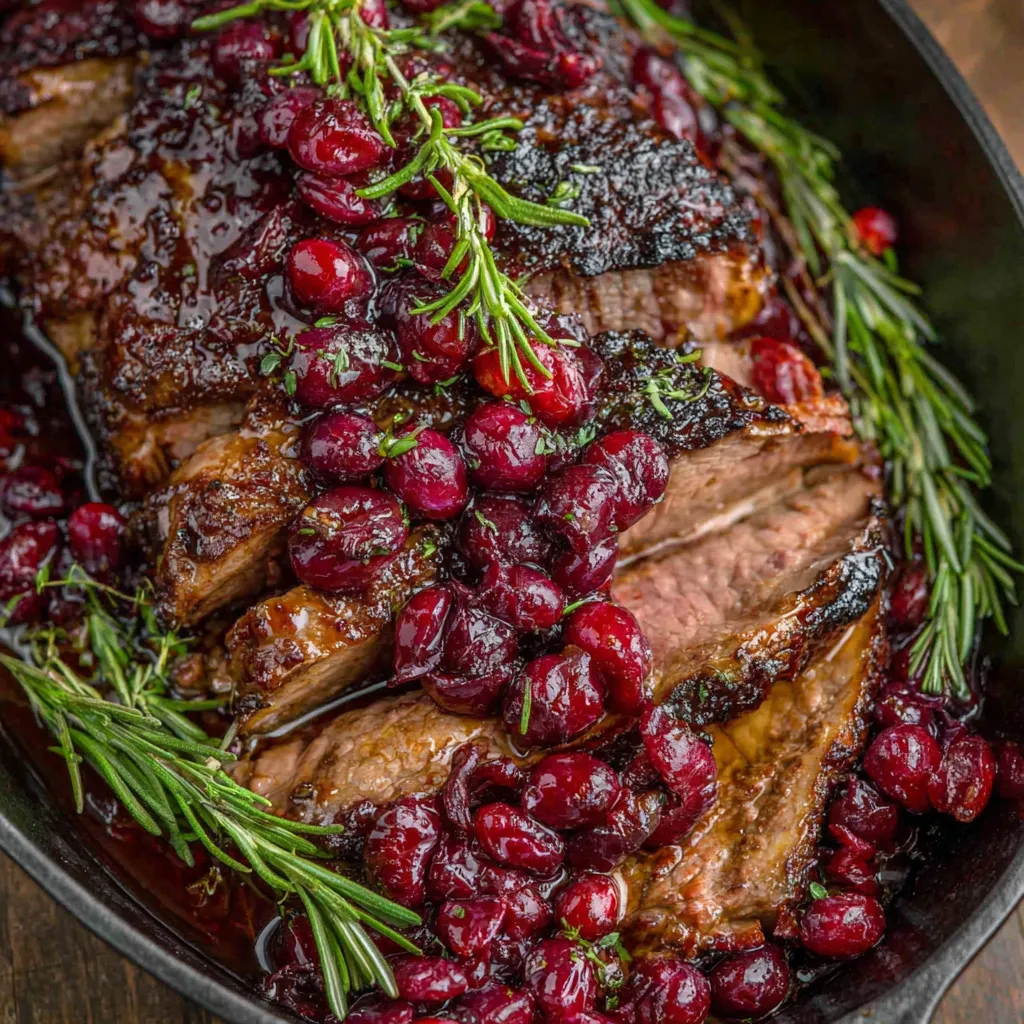
Ingredients:
- 3-4 lb. Beef Roast (Sirloin Tip, Round Roast, or Chuck Roast)
- 1 tbsp Olive Oil
- 1 tsp Salt
- 1/2 tsp Black Pepper
- 1 large Onion, chopped
- 2 cloves Garlic, minced
- 1 cup Dry Red Wine (such as Cabernet Sauvignon or Merlot)
- 1 (14 oz) can Whole Berry Cranberry Sauce
- 1/2 cup Chicken or Beef Broth
- 1/4 cup Balsamic Vinegar
- 2 tbsp Dijon Mustard
- 1 tbsp Worcestershire Sauce
- 1 tsp Dried Thyme
- 1/2 tsp Dried Rosemary
- 1/4 tsp Ground Cloves
- Optional: Fresh Rosemary sprigs for garnish
Instructions:
- Prepare the Beef: Pat the roast dry with paper towels. Season generously with salt and pepper.
- Sear the Roast: Heat olive oil in a large, oven-safe skillet or Dutch oven over medium-high heat. Sear the roast on all sides until deeply browned, about 3-4 minutes per side. This is crucial for developing flavor. Remove the roast from the skillet and set aside.
- Sauté Aromatics: Add the chopped onion to the skillet and cook until softened and translucent, about 5 minutes. Add the minced garlic and cook for another minute until fragrant.
- Deglaze the Pan: Pour in the red wine and scrape up any browned bits from the bottom of the skillet. This adds depth of flavor to the sauce. Let the wine simmer for a few minutes to reduce slightly.
- Combine Sauce Ingredients: In a bowl, whisk together the cranberry sauce, chicken or beef broth, balsamic vinegar, Dijon mustard, Worcestershire sauce, thyme, rosemary, and cloves.
- Return Roast to Skillet: Place the seared roast back into the skillet on top of the onion mixture. Pour the cranberry sauce mixture over the roast, ensuring it’s evenly coated.
- Roast in the Oven: Cover the skillet or Dutch oven with a lid or tightly with aluminum foil. Bake in a preheated oven at 325°F (160°C) for approximately 20-25 minutes per pound, or until the internal temperature reaches your desired level of doneness (130-135°F for medium-rare, 135-140°F for medium, 140-145°F for medium-well). Use a meat thermometer to ensure accuracy.
- Rest the Roast: Remove the roast from the oven and let it rest, covered, for at least 15-20 minutes before slicing. This allows the juices to redistribute, resulting in a more tender and flavorful roast.
- Slice and Serve: Slice the roast thinly against the grain and serve with the cranberry sauce from the skillet. Garnish with fresh rosemary sprigs, if desired. Excellent alongside Pot Roast With Mashed Potatoes Recipe.
The Investigation: My Cranberry Roast Beef Odyssey
Phase 1: The Initial Disasters
My first few attempts were a disaster. Like many of you, I initially thought simply spreading cranberry sauce on a roast would work. Wrong! The first time, I used a cheap cranberry *jelly* (mistake number one). The result was an overly sweet, gummy mess that barely tasted of cranberries. The beef was tough, and the sauce was burnt in spots. It was inedible. Then, I tried using fresh cranberries, thinking they’d be superior. While the flavor was better, the tartness was overwhelming. The beef tasted like it had been marinated in lemon juice for a week. I realized the canned cranberry sauce, with its added sugar and spices, played a crucial role in balancing the flavors. I also learned the hard way that searing is non-negotiable. Skipping that step resulted in a pale, flavorless roast.Phase 2: Taming the Tartness
I knew I needed to tame the tartness of the cranberries. My “Aha!” moment came when I started experimenting with balsamic vinegar. The subtle sweetness and acidity of the balsamic vinegar added a depth of flavor that complemented the cranberries perfectly. I also started incorporating Dijon mustard, which added a tangy kick and helped emulsify the sauce. Next, I experimented with different cuts of beef. I initially tried a leaner cut, a Sirloin Tip Roast, but found that it tended to dry out during the long roasting process. I then switched to a Chuck Roast, which is fattier and more flavorful. The Chuck Roast held up much better to the long cooking time and the assertive flavors of the cranberry sauce. This reminds me of the kind of satisfaction I get from a good Crockpot Beef Stew, where the long cooking unlocks deep flavors.Phase 3: The Aromatic Ascent
I began experimenting with aromatics. Onions and garlic were a given, but I wanted to add more complexity. I tried adding a splash of dry red wine to deglaze the pan after searing the beef. This proved to be a game-changer. The wine added a rich, savory note that tied all the flavors together. I also started incorporating dried herbs like thyme and rosemary, which added a subtle earthy aroma. A touch of ground cloves provided a warm, spicy note that balanced the sweetness of the cranberries. I also learned the importance of resting the roast after cooking. Cutting into the roast immediately after removing it from the oven resulted in a dry, less flavorful piece of meat. Allowing the roast to rest for at least 15-20 minutes allowed the juices to redistribute, resulting in a much more tender and flavorful final product. It’s just as important as letting Beef And Potato Soup sit for a bit to meld the flavors.Phase 4: The Final Flourish
In the final phase, I focused on perfecting the sauce. I realized that the cranberry sauce needed a little help to achieve the right consistency. Adding a small amount of chicken or beef broth helped to thin out the sauce and create a more luscious texture. A tablespoon of Worcestershire sauce added a subtle umami flavor that enhanced the savory notes of the beef. Finally, I experimented with different roasting times and temperatures. I found that roasting the beef at a lower temperature (325°F) for a longer period of time resulted in a more tender and evenly cooked roast. And, of course, a simple garnish of fresh rosemary sprigs adds visual appeal and a final aromatic touch.The Technique: A Foolproof Method for Cranberry Roast Beef Perfection
Follow this proven method for Cranberry Roast Beef success:- Sear the Beef Boldly: Don’t skimp on the searing. A deeply browned crust is essential for developing flavor.
- Deglaze with Wine: Use a dry red wine to deglaze the pan after searing the beef. This adds depth and complexity to the sauce.
- Balance the Flavors: Use a combination of sweet, tart, and savory ingredients to create a well-balanced sauce. Balsamic vinegar, Dijon mustard, and Worcestershire sauce are your allies.
- Embrace Aromatics: Onions, garlic, thyme, rosemary, and cloves are your friends. Don’t be afraid to experiment with other herbs and spices.
- Roast Low and Slow: Roast the beef at a low temperature (325°F) for a longer period of time to ensure even cooking and maximum tenderness. Like Slow Cooker Garlic Butter Beef Potatoes, patience is key.
- Rest the Roast Reliably: Let the roast rest for at least 15-20 minutes before slicing to allow the juices to redistribute.
Why does the article suggest searing the roast beef before putting it in the oven?
Searing the roast on all sides until deeply browned is crucial for developing flavor through the Maillard reaction.
What is the recommended oven temperature and cooking time for the Cranberry Roast Beef?
Bake in a preheated oven at 325°F (160°C) for approximately 20-25 minutes per pound, or until the internal temperature reaches your desired level of doneness.
Why is it important to let the roast beef rest after cooking?
Resting the roast for at least 15-20 minutes before slicing allows the juices to redistribute, resulting in a more tender and flavorful roast.
What are some ingredients that help balance the tartness of the cranberry sauce in this recipe?
Balsamic vinegar, Dijon mustard, and Worcestershire sauce are recommended to balance the sweetness and tartness of the cranberry sauce.
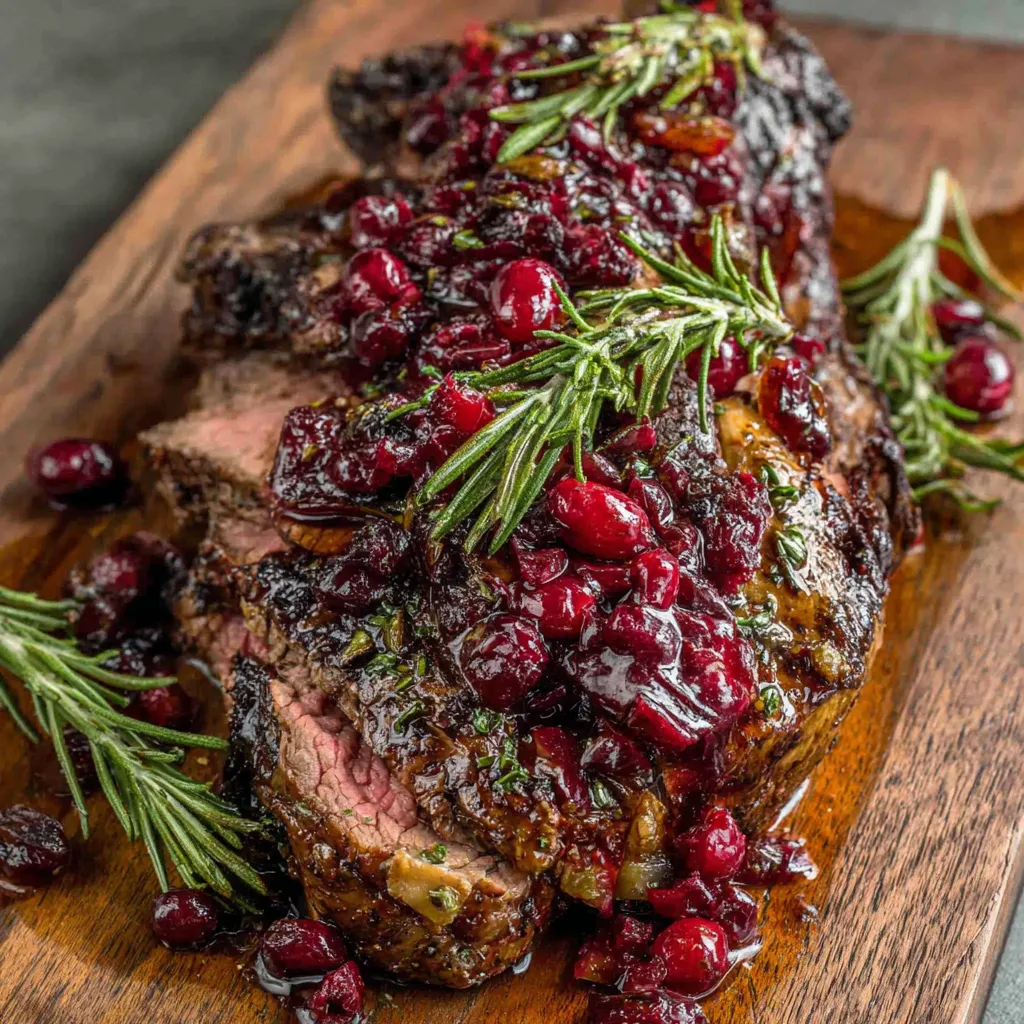
Cranberry Roast Beef
This Cranberry Roast Beef recipe elevates a simple roast with a delightful blend of sweet, tart, and savory flavors. The cranberry sauce, combined with aromatics and spices, creates a rich and flavorful glaze that enhances the beef’s natural taste and ensures a tender, juicy result.
Ingredients
Equipment
Method
- Prepare the Beef: Pat the roast dry with paper towels. Season generously with salt and pepper.
- Sear the Roast: Heat olive oil in a large, oven-safe skillet or Dutch oven over medium-high heat. Sear the roast on all sides until deeply browned, about 3-4 minutes per side. Remove the roast from the skillet and set aside.
- Sauté Aromatics: Add the chopped onion to the skillet and cook until softened and translucent, about 5 minutes. Add the minced garlic and cook for another minute until fragrant.
- Deglaze the Pan: Pour in the red wine and scrape up any browned bits from the bottom of the skillet. Let the wine simmer for a few minutes to reduce slightly.
- Combine Sauce Ingredients: In a bowl, whisk together the cranberry sauce, chicken or beef broth, balsamic vinegar, Dijon mustard, Worcestershire sauce, thyme, rosemary, and cloves.
- Return Roast to Skillet: Place the seared roast back into the skillet on top of the onion mixture. Pour the cranberry sauce mixture over the roast, ensuring it’s evenly coated.
- Roast in the Oven: Cover the skillet or Dutch oven with a lid or tightly with aluminum foil. Bake in a preheated oven at 325°F (160°C) for approximately 20-25 minutes per pound, or until the internal temperature reaches your desired level of doneness. Use a meat thermometer to ensure accuracy (130-135°F for medium-rare, 135-140°F for medium, 140-145°F for medium-well).
- Rest the Roast: Remove the roast from the oven and let it rest, covered, for at least 15-20 minutes before slicing.
- Slice and Serve: Slice the roast thinly against the grain and serve with the cranberry sauce from the skillet. Garnish with fresh rosemary sprigs, if desired.
Notes
For best results, use a chuck roast, as it holds up well to the long cooking time. Adjust roasting time based on the size of the roast and your desired level of doneness. Resting the roast is crucial for tenderness. Leftovers can be stored in the refrigerator for up to 3 days. The cranberry sauce can be adjusted to your preference by adding more or less balsamic vinegar or Dijon mustard.