
The Alchemy of Creamy Tomato Sauce
The secret to a truly exceptional creamy garlic tomato pasta lies not just in the ingredients, but in understanding their interaction. At its core, this dish hinges on an emulsion – the seemingly impossible marriage of water-based tomato sauce and fat-based cream. Like oil and vinegar in salad dressing, these two phases naturally repel each other. Introduce heat, and the problem intensifies. The high acidity of tomatoes can cause the cream to curdle, resulting in a grainy, unappetizing texture. The garlic, while crucial for flavor, can also contribute to bitterness if not handled correctly. But fear not! We can solve this culinary puzzle. The answer lies in controlling temperature, understanding the stabilizing power of starch, and strategic ingredient layering. Emulsifiers, naturally present in ingredients like cheese and butter, also play a vital role in keeping everything harmoniously combined. Finally, understanding the Maillard reaction (the browning of sugars and amino acids) is crucial for building depth of flavor in the garlic and tomato paste.The Definitive Creamy Garlic Tomato Pasta Recipe
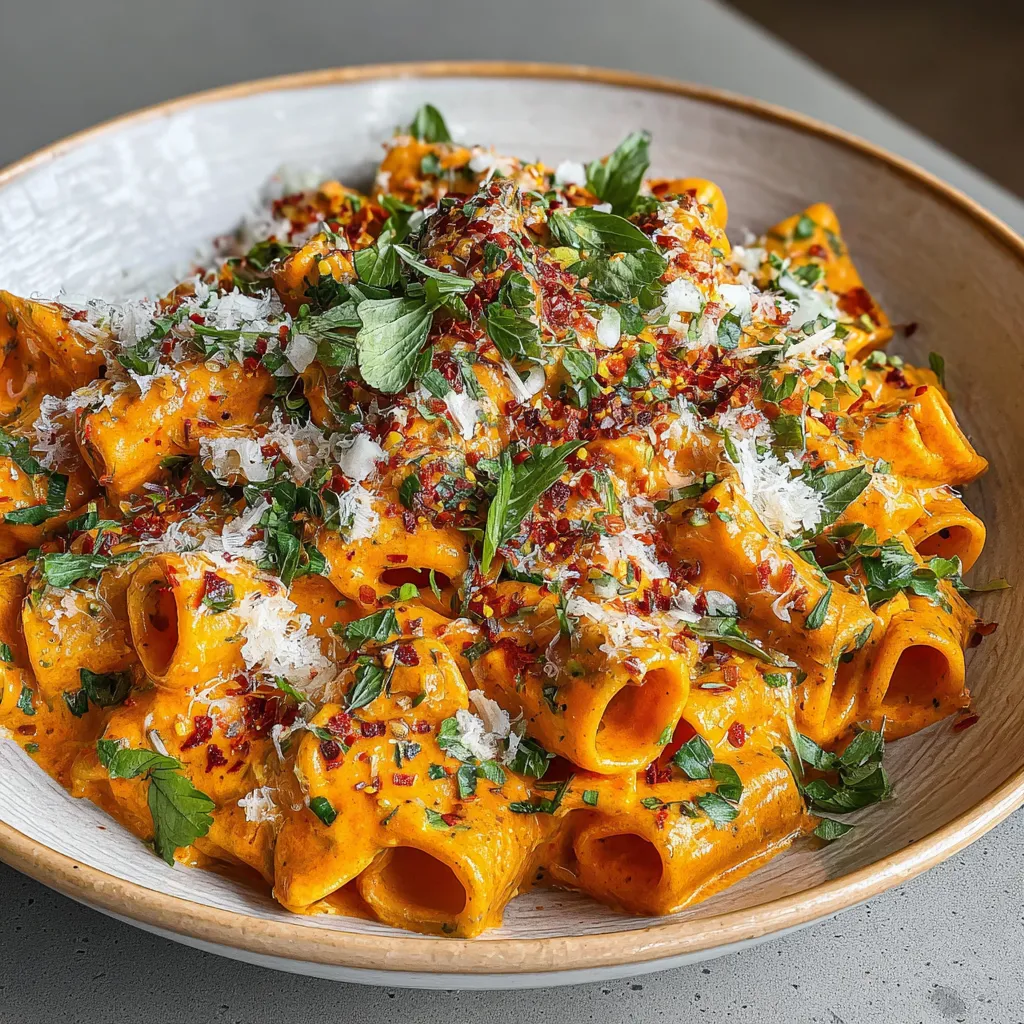 This recipe represents the culmination of countless experiments and tweaks. It’s designed to be approachable for the home cook while delivering restaurant-quality results.
Ingredients:
- 1 pound pasta (penne, rigatoni, or your favorite shape)
- 2 tablespoons olive oil
- 4 cloves garlic, minced
- 1 tablespoon tomato paste
- 1/2 teaspoon red pepper flakes (optional)
- 1 (28 ounce) can crushed tomatoes
- 1/2 cup heavy cream
- 1/4 cup grated Parmesan cheese, plus more for serving
- 1/4 cup chopped fresh basil, plus more for serving
- Salt and black pepper to taste
- 1 cup reserved pasta water
Instructions:
- Cook the Pasta: Bring a large pot of salted water to a boil. Add the pasta and cook according to package directions until al dente. Reserve 1 cup of pasta water before draining.
- Sauté the Aromatics: While the pasta is cooking, heat the olive oil in a large skillet over medium heat. Add the minced garlic and red pepper flakes (if using) and cook, stirring constantly, until fragrant and lightly golden, about 1-2 minutes. Be careful not to burn the garlic.
- Bloom the Tomato Paste: Add the tomato paste to the skillet and cook, stirring constantly, for about 1 minute. This helps to caramelize the tomato paste and deepen its flavor.
- Add the Tomatoes: Pour in the crushed tomatoes and bring to a simmer. Season with salt and pepper to taste. Reduce heat to low and simmer for 15-20 minutes, stirring occasionally, to allow the flavors to meld.
- Create the Creamy Sauce: Stir in the heavy cream and Parmesan cheese. Continue to simmer over low heat for another 5 minutes, or until the sauce has thickened slightly and the cheese is melted. If the sauce is too thick, add a little reserved pasta water until it reaches your desired consistency.
- Combine and Serve: Add the cooked pasta to the skillet with the sauce. Toss to coat, adding more reserved pasta water if needed to create a creamy, emulsified sauce. Stir in the chopped fresh basil. Serve immediately, garnished with extra Parmesan cheese and fresh basil.
My Creamy Tomato Quest: A Culinary Detective Story
My journey to perfecting creamy garlic tomato pasta was paved with good intentions, but also with plenty of curdled cream and bland sauces. Like many of you, I initially thought it was as simple as tossing everything together. Oh, how wrong I was!The Early Days: Creamy Catastrophes
My first few attempts were a disaster. I would add the cream directly to the tomato sauce, crank up the heat to speed things along, and end up with a grainy, separated mess. The flavor was okay, but the texture was completely off-putting. It reminded me of curdled milk, which is, essentially, what it was! I tried different types of cream, different ratios of cream to tomato, but nothing seemed to work consistently. I even considered giving up and sticking to Creamy Dreamy Mushroom Pasta, which had always been a reliable favorite.The “Aha!” Moment: Temperature Control and Starch Power
Then, I had an “Aha!” moment. I remembered reading about the importance of temperature control in emulsification. I realized that the high heat was exacerbating the curdling issue. I decided to try simmering the tomato sauce for longer at a lower temperature before adding the cream. I also recalled that starch can act as a natural emulsifier. This led me to experiment with reserving some of the pasta water and adding it to the sauce. The results were immediately better! The sauce was smoother, creamier, and far less prone to separation. This also reminded me of when I made Creamy Garlic Chicken Gnocchi and how the starch in the gnocchi helped the sauce come together.The Garlic Gambit: Taming the Bitterness
Another challenge I faced was the garlic. Sometimes, the garlic flavor would be overpowering and even bitter. I realized that I was overcooking the garlic, causing it to release undesirable compounds. I started experimenting with different methods of cooking the garlic. I found that gently sautéing the minced garlic in olive oil over medium heat until just fragrant was the key to unlocking its sweet, aromatic potential without any bitterness. Blooming the tomato paste, inspired by Indian cooking techniques, was another game-changer. Caramelizing the tomato paste before adding the tomatoes intensified its flavor and added a depth of richness to the sauce. This blooming technique is also key in recipes like Sticky Beef Noodles to deepen the umami flavors.The Cheese Factor: Parmesan’s Magic
Finally, I experimented with different types of cheese. While some recipes call for cream cheese (similar to in Cream Cheese Spaghetti Casserole), I found that grated Parmesan cheese added the perfect salty, umami kick and also acted as a natural emulsifier, helping to bind the sauce together. A little bit of cheese goes a long way!The Foolproof Creamy Garlic Tomato Pasta Method
Based on my investigations, here’s the ultimate technique for achieving perfect creamy garlic tomato pasta every time:- Cook Pasta Al Dente and Reserve Water: Properly cooked pasta, along with the starchy water, is key to a good sauce.
- Gently Sauté the Garlic: Low and slow prevents bitterness.
- Bloom the Tomato Paste: Caramelize for a richer flavor.
- Simmer the Tomatoes: Allow the flavors to meld before adding cream.
- Introduce Cream Gradually: Keep the heat low to prevent curdling.
- Emulsify with Pasta Water: The starch helps bind the sauce together.
- Parmesan Power: Adds flavor and emulsification.
- Fresh Basil Finish: Brightens the flavors and adds freshness.
What is the secret to preventing the cream from curdling when making creamy garlic tomato pasta?
The secret lies in controlling the temperature, understanding the stabilizing power of starch from pasta water, and strategic ingredient layering. Simmering the tomato sauce at a low temperature before adding the cream is key, and incorporating reserved pasta water helps emulsify the sauce.
Why is it important to reserve pasta water when making creamy garlic tomato pasta?
The pasta water contains starch, which acts as a natural emulsifier. This helps bind the tomato sauce and cream together, preventing the sauce from separating and creating a smoother, creamier texture.
How do you prevent the garlic from becoming bitter in creamy garlic tomato pasta?
Gently sauté the minced garlic in olive oil over medium heat until just fragrant, about 1-2 minutes. Avoid overcooking the garlic, as this causes it to release undesirable compounds that lead to bitterness.
What role does Parmesan cheese play in this creamy tomato pasta recipe?
Grated Parmesan cheese adds a salty, umami flavor and acts as a natural emulsifier, helping to bind the sauce together. It contributes to the overall richness and texture of the dish.
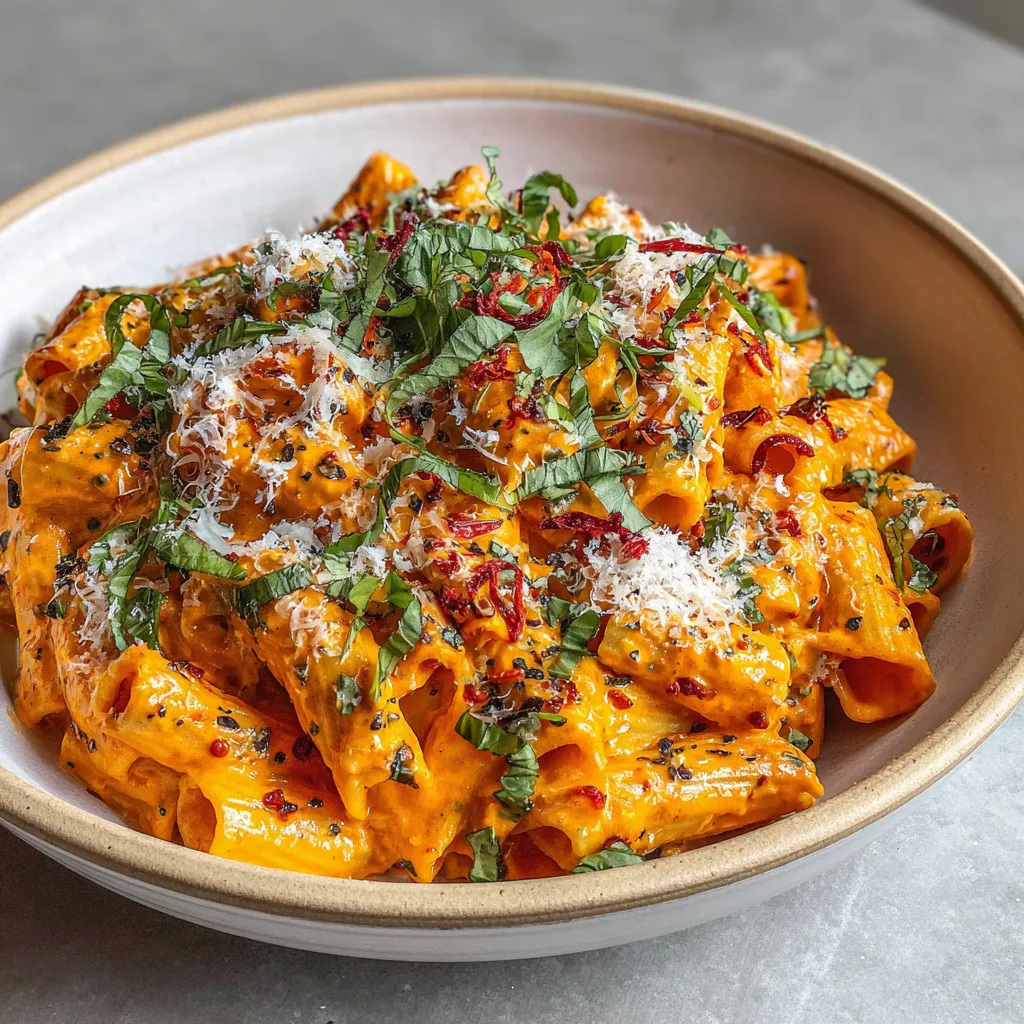
Creamy Garlic Tomato Pasta
Ingredients
Equipment
Method
- Bring a large pot of salted water to a boil. Add the pasta and cook according to package directions until al dente. Reserve 1 cup of pasta water before draining.
- While the pasta is cooking, heat the olive oil in a large skillet over medium heat. Add the minced garlic and red pepper flakes (if using) and cook, stirring constantly, until fragrant and lightly golden, about 1-2 minutes. Be careful not to burn the garlic.
- Add the tomato paste to the skillet and cook, stirring constantly, for about 1 minute. This helps to caramelize the tomato paste and deepen its flavor.
- Pour in the crushed tomatoes and bring to a simmer. Season with salt and pepper to taste. Reduce heat to low and simmer for 15-20 minutes, stirring occasionally, to allow the flavors to meld.
- Stir in the heavy cream and Parmesan cheese. Continue to simmer over low heat for another 5 minutes, or until the sauce has thickened slightly and the cheese is melted. If the sauce is too thick, add a little reserved pasta water until it reaches your desired consistency.
- Add the cooked pasta to the skillet with the sauce. Toss to coat, adding more reserved pasta water if needed to create a creamy, emulsified sauce. Stir in the chopped fresh basil.
- Serve immediately, garnished with extra Parmesan cheese and fresh basil.