
Unlocking Umami: The Science of Skillet Sizzle
The key to a truly great Asian beef noodle skillet, one that sings with flavor and satisfies on a deep level, boils down to a few fundamental principles: Maillard reaction, sauce emulsification, and noodle texture. The Maillard reaction, that beautiful browning process that occurs when amino acids and reducing sugars are heated, is what gives the beef its rich, savory crust. Achieving this requires high heat and relatively dry conditions. Overcrowding the pan, or using beef that’s too wet, will steam rather than sear the meat, resulting in a pale, flavorless result. Sauce emulsification, the process of binding oil and water-based ingredients together, is crucial for creating a sauce that clings to the noodles and doesn’t separate into an oily slick. This is where ingredients like cornstarch and honey play a vital role, acting as emulsifiers and thickening agents. Finally, noodle texture is paramount. Nobody wants mushy noodles! Achieving that perfect al dente bite requires careful attention to cooking time and preventing overcooking. We also have to consider what Ideas With Spaghetti Noodles are effective in Asian cuisine.The Ultimate Asian Beef Noodle Skillet Recipe
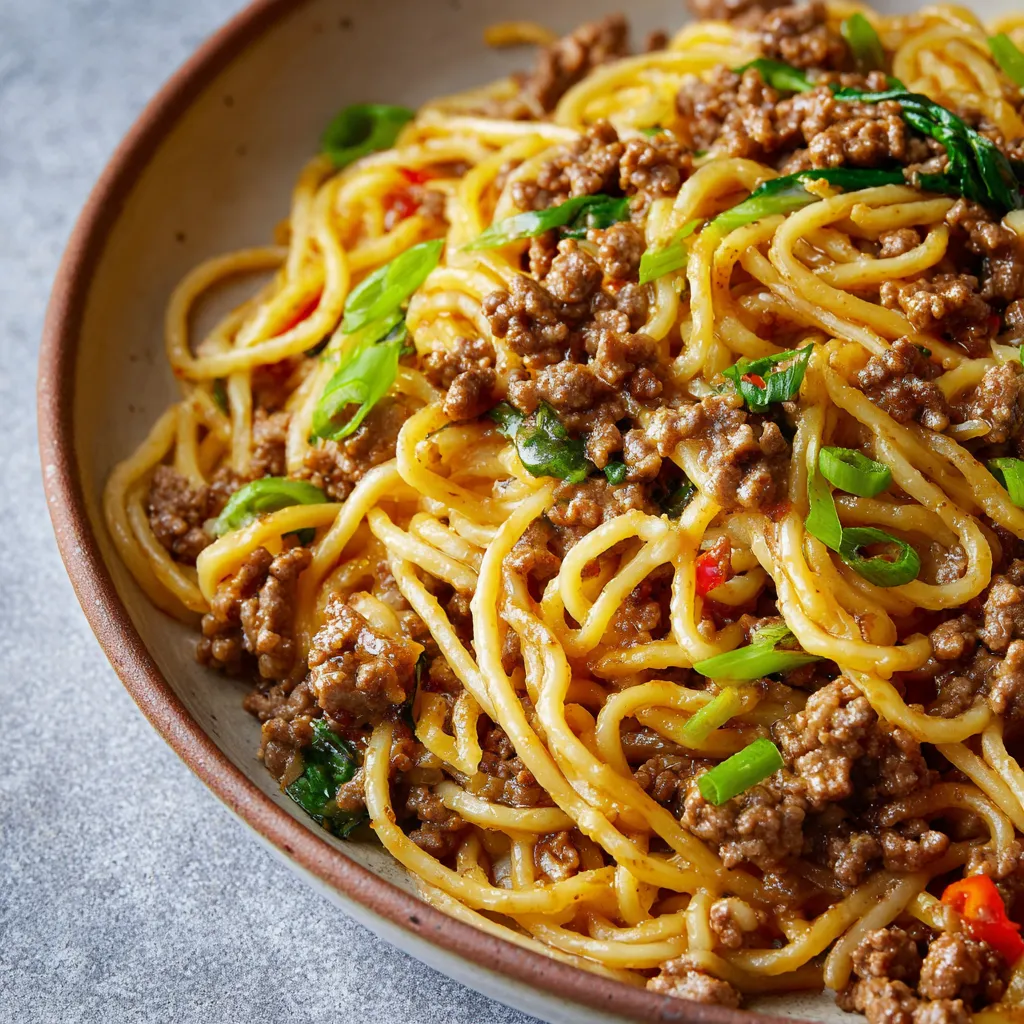 This recipe is the culmination of countless experiments and tweaks, designed to deliver consistently delicious results.
Ingredients:
- For the Beef:
- 1 pound sirloin steak, thinly sliced against the grain
- 1 tablespoon soy sauce
- 1 tablespoon cornstarch
- 1 teaspoon sesame oil
- 1/2 teaspoon ground ginger
- 1/4 teaspoon garlic powder
- For the Noodles:
- 8 ounces spaghetti noodles (or linguine)
- For the Vegetables:
- 1 bell pepper (any color), thinly sliced
- 1 onion, thinly sliced
- 2 cloves garlic, minced
- 1 cup broccoli florets
- Optional: 1/2 cup sliced mushrooms
- For the Sauce:
- 1/4 cup soy sauce
- 2 tablespoons brown sugar
- 2 tablespoons rice vinegar
- 1 tablespoon honey
- 1 tablespoon cornstarch
- 1 teaspoon sesame oil
- 1/2 teaspoon red pepper flakes (optional)
- 1/2 cup beef broth (or water)
- Garnish:
- Sesame seeds
- Chopped green onions
Instructions:
- Prepare the Beef: In a medium bowl, combine the sliced sirloin steak with soy sauce, cornstarch, sesame oil, ground ginger, and garlic powder. Mix well and set aside to marinate for at least 15 minutes. This tenderizes the beef and infuses it with flavor.
- Cook the Noodles: Cook the spaghetti noodles according to package directions until al dente. Drain and set aside. Rinse briefly with cold water to stop the cooking process and prevent sticking. Thinking about Chinese Spaghetti Noodles, spaghetti is a great choice here as it works well with the sauce, but egg noodles can be used too.
- Sear the Beef: Heat 1 tablespoon of vegetable oil in a large skillet or wok over high heat. Add the marinated beef in a single layer (work in batches if necessary to avoid overcrowding) and sear for 2-3 minutes per side, until browned and cooked through. Remove the beef from the skillet and set aside.
- Sauté the Vegetables: Add another tablespoon of vegetable oil to the skillet. Add the sliced bell pepper and onion and sauté for 3-4 minutes, until slightly softened. Add the minced garlic and broccoli florets (and mushrooms, if using) and sauté for another 2 minutes, until fragrant and slightly tender-crisp.
- Make the Sauce: In a small bowl, whisk together the soy sauce, brown sugar, rice vinegar, honey, cornstarch, sesame oil, red pepper flakes (if using), and beef broth.
- Combine and Simmer: Pour the sauce over the vegetables in the skillet. Bring to a simmer, stirring constantly, until the sauce thickens, about 1-2 minutes.
- Add Beef and Noodles: Return the seared beef to the skillet and add the cooked spaghetti noodles. Toss everything together until the beef and noodles are evenly coated with the sauce.
- Serve: Serve immediately, garnished with sesame seeds and chopped green onions.
Skillet Chronicles: My Quest for the Perfect Noodle
My journey to perfecting this Asian beef noodle skillet was far from smooth. My first few attempts were a disaster. The beef was tough, the noodles were mushy, and the sauce was either too watery or too thick. Like many of you, I initially thought it was just a matter of throwing ingredients together, but boy, was I wrong!The Great Beef Fiasco
The first hurdle was the beef. My initial approach was to use cheap cuts and simply stir-fry them until they were “done.” The result? Shoe leather! Then, I had an “Aha!” moment after watching a cooking show demonstrating the importance of slicing beef against the grain. This seemingly small detail made a world of difference. The beef became noticeably more tender. Marinating the beef in soy sauce and cornstarch also helped to tenderize it and lock in moisture, preventing it from drying out during the searing process. Also, using sirloin instead of cheaper cuts of beef dramatically improved the outcome.Noodle Nightmare and Sweet Chili Dreams
The noodles were another source of frustration. Initially, I consistently overcooked them, resulting in a gloppy mess. Then, I discovered the importance of cooking them al dente and rinsing them with cold water to stop the cooking process. This simple trick prevented the noodles from sticking together and maintained their firm, chewy texture. I also experimented with different types of noodles. While spaghetti works well, I found that thicker noodles, like udon or even linguine, hold up better to the sauce and provide a more satisfying bite. If you want to make Sweet Chili Spaghetti you can add a generous amount of sweet chili sauce.Sauce SOS
The sauce was perhaps the most challenging aspect to master. My early attempts were either too watery or too thick, lacking that perfect balance of sweet, savory, and tangy. The key, I realized, was the ratio of liquid to thickening agent. Too much liquid and the sauce would be thin and runny; too much cornstarch and the sauce would become gluey. Finding the right balance required careful experimentation and precise measurements. Adding honey not only enhanced the sweetness but also contributed to the sauce’s viscosity and helped it cling to the noodles.The Final Revelation
After countless iterations, I finally cracked the code. The perfect Asian beef noodle skillet requires a combination of high-quality ingredients, precise techniques, and a healthy dose of patience. It’s a dish that rewards attention to detail and celebrates the interplay of flavors and textures. Similar to my Beef Stir Fry recipe, the heat must be high to ensure the meat doesn’t simmer in its own juices. This also ensures the vegetables retain some of their natural crunch.The Foolproof Method: A Skillet Symphony in 5 Steps
Here’s a breakdown of the technique for achieving a consistently delicious Asian beef noodle skillet:- Marinate the Beef: Slicing the beef against the grain and marinating it in soy sauce and cornstarch tenderizes it and infuses it with flavor.
- Sear the Beef at High Heat: Searing the beef in a hot skillet creates a beautiful crust and locks in its juices. Avoid overcrowding the pan to ensure proper browning.
- Cook the Noodles Al Dente: Cooking the noodles al dente and rinsing them with cold water prevents them from overcooking and sticking together.
- Balance the Sauce: Achieving the perfect sauce consistency requires a precise ratio of liquid to thickening agent. Add honey for sweetness and viscosity.
- Toss and Serve Immediately: Toss the beef, noodles, and sauce together until evenly coated and serve immediately to prevent the noodles from becoming soggy.
What’s the key to preventing the beef from becoming tough and dry in this skillet recipe?
Slicing the beef thinly against the grain, marinating it in soy sauce and cornstarch, and searing it at high heat are crucial for tender and flavorful beef.
How do I keep the noodles from becoming mushy in the Asian beef noodle skillet?
Cook the noodles al dente according to package directions, then rinse them briefly with cold water to stop the cooking process and prevent sticking.
What is the secret to achieving the right sauce consistency so it’s not too watery or too thick?
The key is to balance the ratio of liquid to thickening agent (cornstarch). Also, adding honey enhances sweetness and contributes to the sauce’s viscosity.
Why is searing the beef at high heat so important?
Searing the beef at high heat creates a Maillard reaction, which gives the beef a rich, savory crust and locks in its juices. Avoiding overcrowding is important to ensure the beef sears instead of steams.
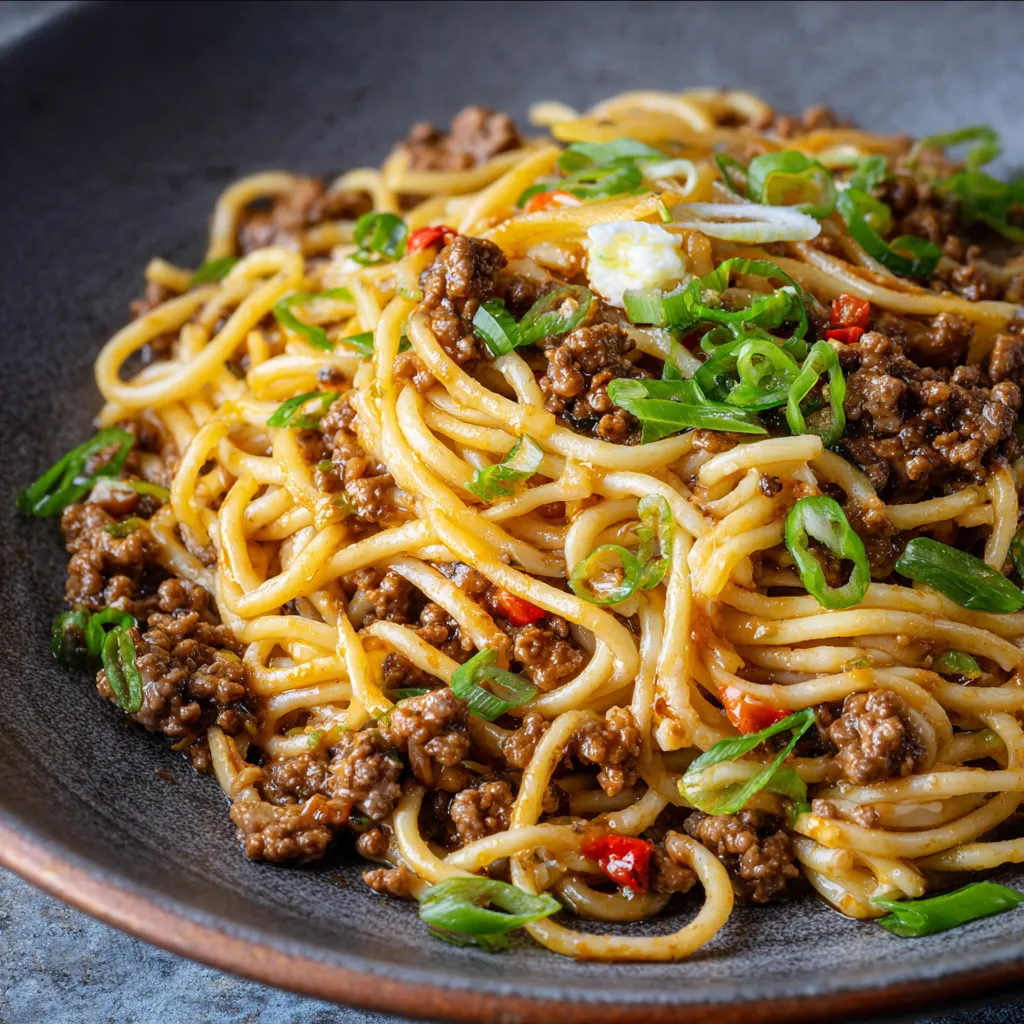
Easy Asian Beef Noodle Skillet
This Easy Asian Beef Noodle Skillet delivers a savory and satisfying meal with tender beef, perfectly cooked noodles, and a flavorful sauce. The key is searing the beef at high heat, cooking the noodles al dente, and balancing the sauce’s sweet, savory, and tangy notes for a restaurant-quality dish made at home.
Ingredients
Equipment
Method
- Prepare the Beef: In a medium bowl, combine the sliced sirloin steak with soy sauce, cornstarch, sesame oil, ground ginger, and garlic powder. Mix well and set aside to marinate for at least 15 minutes.
- Cook the Noodles: Cook the spaghetti noodles according to package directions until al dente. Drain and set aside. Rinse briefly with cold water to stop the cooking process and prevent sticking.
- Sear the Beef: Heat 1 tablespoon of vegetable oil in a large skillet or wok over high heat. Add the marinated beef in a single layer (work in batches if necessary to avoid overcrowding) and sear for 2-3 minutes per side, until browned and cooked through. Remove the beef from the skillet and set aside.
- Sauté the Vegetables: Add another tablespoon of vegetable oil to the skillet. Add the sliced bell pepper and onion and sauté for 3-4 minutes, until slightly softened. Add the minced garlic and broccoli florets (and mushrooms, if using) and sauté for another 2 minutes, until fragrant and slightly tender-crisp.
- Make the Sauce: In a small bowl, whisk together the soy sauce, brown sugar, rice vinegar, honey, cornstarch, sesame oil, red pepper flakes (if using), and beef broth.
- Combine and Simmer: Pour the sauce over the vegetables in the skillet. Bring to a simmer, stirring constantly, until the sauce thickens, about 1-2 minutes.
- Add Beef and Noodles: Return the seared beef to the skillet and add the cooked spaghetti noodles. Toss everything together until the beef and noodles are evenly coated with the sauce.
- Serve: Serve immediately, garnished with sesame seeds and chopped green onions.
Notes
For best results, slice the beef thinly against the grain. Marinating the beef is crucial for tenderness and flavor. Do not overcrowd the skillet when searing the beef to ensure proper browning. Cook the noodles al dente to prevent them from becoming mushy. Adjust the amount of red pepper flakes to your spice preference. Leftovers can be stored in the refrigerator for up to 3 days. Reheat gently in a skillet or microwave.