
The Beef & Noodle Symphony: Understanding the Science of Beef Pasta
The key to great beef pasta lies in the Maillard reaction, a chemical reaction between amino acids and reducing sugars that gives browned food its distinctive flavor. This browning process is crucial for developing the deep, savory notes that make beef pasta so satisfying. Achieving this requires high heat and relatively dry conditions when browning the beef. Excess moisture will steam the beef instead of browning it. The pasta itself plays a crucial role; its starchiness contributes to the sauce’s body and helps it cling to the beef. The type of pasta also matters. Tubular shapes like penne or rigatoni are excellent for capturing chunky sauces, while long strands like spaghetti or linguine pair well with smoother, creamier sauces. Finally, the sauce itself needs to be balanced in terms of acidity, richness, and sweetness. Too much acidity can overwhelm the dish, while not enough can make it taste bland. A touch of sweetness can help to round out the flavors and create a more harmonious dish.The Ultimate Beef Pasta Recipe: A Culinary Masterpiece
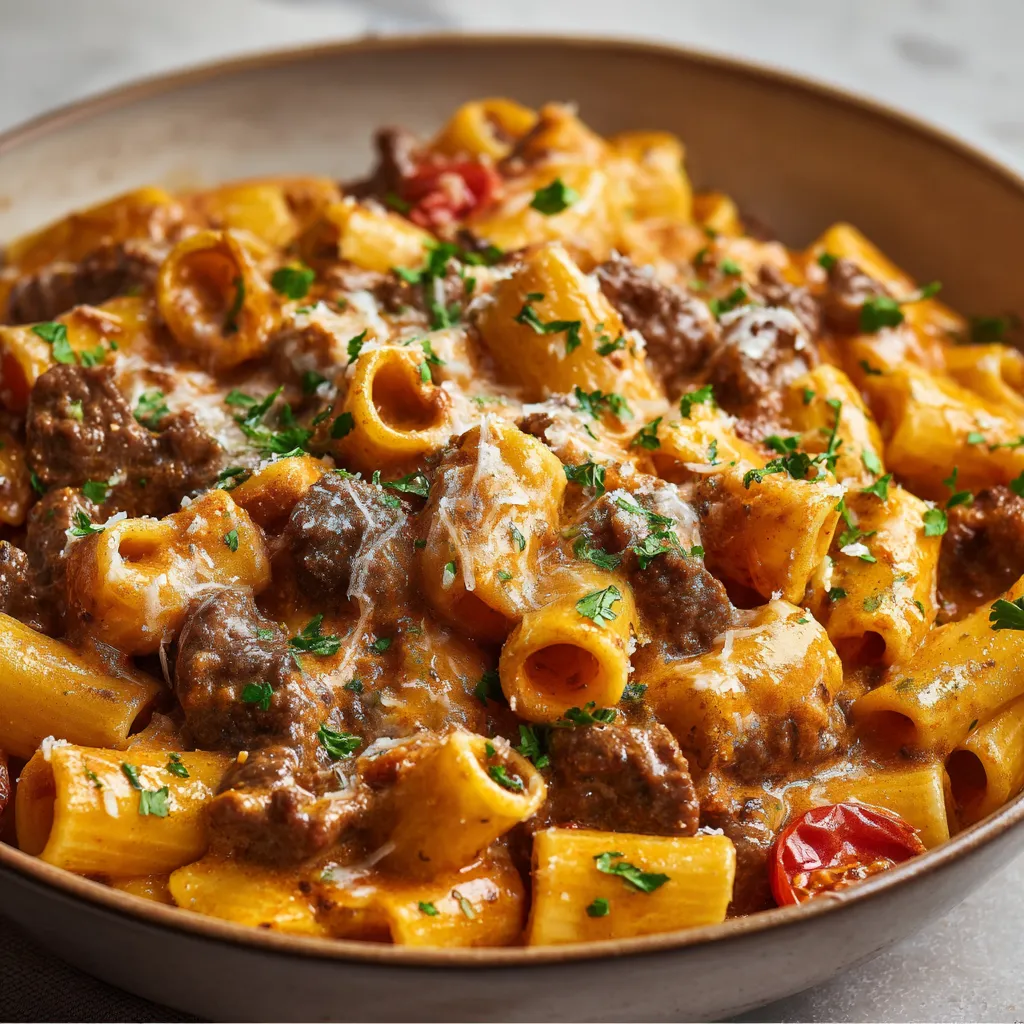 This recipe reflects the culmination of my experiments and discoveries. It’s designed to create a rich, flavorful, and satisfying beef pasta dish every time.
Ingredients:
- 1 pound ground beef (80/20 blend)
- 1 tablespoon olive oil
- 1 medium onion, chopped
- 2 cloves garlic, minced
- 1 (28 ounce) can crushed tomatoes
- 1 (15 ounce) can tomato sauce
- 1 teaspoon dried oregano
- 1/2 teaspoon dried basil
- 1/4 teaspoon red pepper flakes (optional)
- 1/2 cup beef broth
- 1/4 cup heavy cream (optional, for added richness)
- 1 pound pasta (penne, rigatoni, or spaghetti)
- Salt and pepper to taste
- Grated Parmesan cheese, for serving
- Fresh basil leaves, for garnish
Instructions:
- Brown the Beef: Heat the olive oil in a large skillet over medium-high heat. Add the ground beef and cook, breaking it up with a spoon, until browned. Drain off any excess grease.
- Sauté Aromatics: Add the chopped onion to the skillet and cook until softened, about 5 minutes. Add the minced garlic and cook for another minute until fragrant.
- Build the Sauce: Stir in the crushed tomatoes, tomato sauce, oregano, basil, red pepper flakes (if using), and beef broth. Bring to a simmer, then reduce heat and cook for at least 15 minutes, or up to an hour, to allow the flavors to meld. The longer it simmers, the richer the sauce will become.
- Cook the Pasta: While the sauce is simmering, cook the pasta according to package directions. Reserve about 1/2 cup of the pasta water before draining.
- Combine and Finish: Stir the cooked pasta into the sauce. Add a splash of the reserved pasta water if needed to adjust the consistency. If desired, stir in the heavy cream for added richness. Season with salt and pepper to taste.
- Serve: Serve immediately, topped with grated Parmesan cheese and fresh basil leaves.
My Beef Pasta Pilgrimage: A Culinary Investigation
Like many of you, I initially thought beef pasta was just about throwing ground beef and jarred sauce together with some noodles. My first few attempts were a disaster: bland, watery sauces, overcooked beef, and mushy pasta. It was clear I needed to approach it with a more scientific mindset.The Blandness Barrier: My First Setback
My initial attempts were plagued by a lack of flavor. I realized that simply browning the beef wasn’t enough. It needed a good sear to develop those deep, savory notes. I also wasn’t using enough aromatics like onion and garlic, which are essential for building a flavorful base.The Sauce Solution: My ‘Aha!’ Moment
The sauce was another major challenge. Jarred sauces were often too sweet or acidic, and lacked the depth of flavor I was looking for. Then, I had an ‘Aha!’ moment: using a combination of crushed tomatoes and tomato sauce, along with a long simmering time, made a huge difference. The addition of beef broth also helped to enrich the sauce and balance the acidity. A little bit of the pasta water also goes a long way to improve the texture of the sauce, helping it cling to the pasta. This also made me think of other dishes, such as Ground Beef Stroganoff, which relies on a rich, flavorful sauce.Noodle Nirvana: Perfecting the Pasta
The pasta itself was another area where I needed to improve. I was often overcooking it, resulting in a mushy texture. I learned the importance of cooking the pasta al dente – firm to the bite – and reserving some of the pasta water to help create a creamy sauce. Also, experimenting with different types of pasta shapes made me realize that some shapes, like penne or rigatoni, were better at capturing the sauce than others. This makes me think of other pasta dishes like Bowtie Pasta With Ground Beef, where the shape of the pasta is central to the dish’s appeal. I also considered the flavors and textural components of Loaded Cheeseburger Alfredo Pasta while refining my own recipe to better understand the overall appeal.The Richness Revelation: The Heavy Cream Debate
Finally, I experimented with adding a touch of heavy cream to the sauce at the end. While it’s not essential, it adds a wonderful richness and creaminess that takes the dish to the next level. However, it’s important to use it sparingly, as too much cream can make the sauce too heavy. Thinking about other creamy beef dishes like Ground Beef Stroganoff also gave me inspiration and helped me understand the role of dairy in balancing flavors. I even made a similar version of beef pasta when creating Creamy Beef Pasta.The Art of Beef Pasta: Your Foolproof Guide
After countless experiments and taste tests, I’ve distilled the process down to a few key steps that will guarantee a delicious beef pasta dish every time:- Brown the Beef Properly: Use high heat and don’t overcrowd the pan. Let the beef sear and develop a good crust for maximum flavor.
- Sauté Aromatics: Don’t skip the onion and garlic! They are essential for building a flavorful base. Cook them until softened and fragrant before adding the tomatoes.
- Simmer the Sauce: Give the sauce time to develop its flavors. A long simmer, at least 15 minutes, will make a big difference.
- Cook Pasta Al Dente: Cook the pasta until it’s firm to the bite. Overcooked pasta will become mushy and detract from the overall dish.
- Reserve Pasta Water: Don’t forget to save some of the pasta water before draining. It’s a valuable tool for adjusting the consistency of the sauce and helping it cling to the pasta.
- Taste and Adjust: Season with salt and pepper to taste. Don’t be afraid to add a little more of one ingredient or another to balance the flavors.
What is the key to elevating beef pasta from a simple meal to something truly memorable?
The secret lies in understanding the interplay of flavors and textures, and applying a bit of culinary science to the process, particularly the Maillard reaction when browning the beef.
Why is it important to brown the beef properly?
Browning the beef properly, using high heat and avoiding overcrowding the pan, allows the beef to sear and develop a good crust, which is crucial for maximizing flavor through the Maillard reaction.
Why should I reserve some of the pasta water?
Reserving pasta water is important because its starchiness helps adjust the sauce’s consistency and helps it cling better to the pasta.
What pasta shapes work best with beef pasta?
Tubular shapes like penne or rigatoni are excellent for capturing chunky sauces, while long strands like spaghetti or linguine pair well with smoother, creamier sauces.
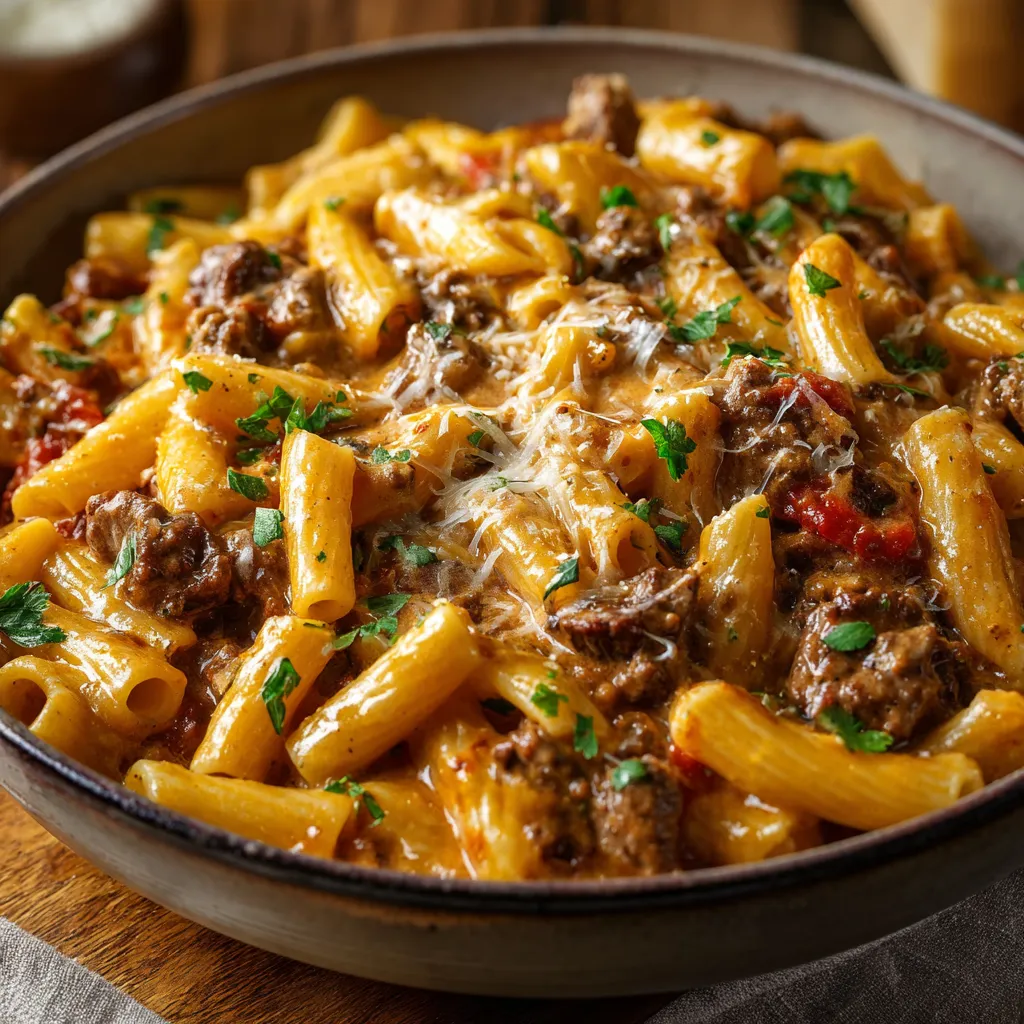
Easy Beef Pasta Dinner
This Easy Beef Pasta Dinner recipe transforms simple ingredients into a flavorful and satisfying meal. Ground beef is browned and simmered in a rich tomato sauce, then combined with perfectly cooked pasta for a quick and delicious weeknight dinner.
Ingredients
Equipment
Method
- Heat the olive oil in a large skillet over medium-high heat. Add the ground beef and cook, breaking it up with a spoon, until browned. Drain off any excess grease.
- Add the chopped onion to the skillet and cook until softened, about 5 minutes. Add the minced garlic and cook for another minute until fragrant.
- Stir in the crushed tomatoes, tomato sauce, oregano, basil, red pepper flakes (if using), and beef broth. Bring to a simmer, then reduce heat and cook for at least 15 minutes, or up to an hour, to allow the flavors to meld. The longer it simmers, the richer the sauce will become.
- While the sauce is simmering, cook the pasta according to package directions. Reserve about 1/2 cup of the pasta water before draining.
- Stir the cooked pasta into the sauce. Add a splash of the reserved pasta water if needed to adjust the consistency. If desired, stir in the heavy cream for added richness.
- Season with salt and pepper to taste.
- Serve immediately, topped with grated Parmesan cheese and fresh basil leaves.
Notes
For a richer flavor, simmer the sauce for a longer period. You can also add other vegetables like mushrooms, bell peppers, or carrots to the sauce. Store leftovers in an airtight container in the refrigerator for up to 3 days.