
The Alchemy of Chicken and Orzo
The key to great chicken orzo, beyond just flavor, is achieving the perfect texture. Orzo, being a pasta shaped like rice, is particularly prone to becoming sticky and overcooked if not handled correctly. Simultaneously, the chicken needs to be cooked through but remain juicy and tender. The marriage of these two elements requires an understanding of the following principles:- Starch Release: Orzo, like all pasta, releases starch as it cooks. This starch can lead to a gummy texture if not controlled. The cooking liquid, the ratio of liquid to orzo, and the cooking time all play crucial roles.
- Protein Denaturation: Chicken proteins denature (unfold) and coagulate when heated. Overcooking squeezes out moisture, resulting in dry, rubbery chicken. Maintaining the right temperature and cooking time is essential for juicy chicken.
- Flavor Infusion: The liquid used to cook the orzo is a crucial vehicle for flavor. Using broth instead of water, incorporating aromatics, and deglazing the pan are all ways to build a deeper, more complex flavor profile.
- Emulsification: Creating a creamy sauce without using excessive amounts of cream relies on emulsifying the cooking liquid with fats (like olive oil or butter) and starches released from the orzo. This creates a luscious texture without being overly heavy.
The Ultimate Chicken Orzo Recipe
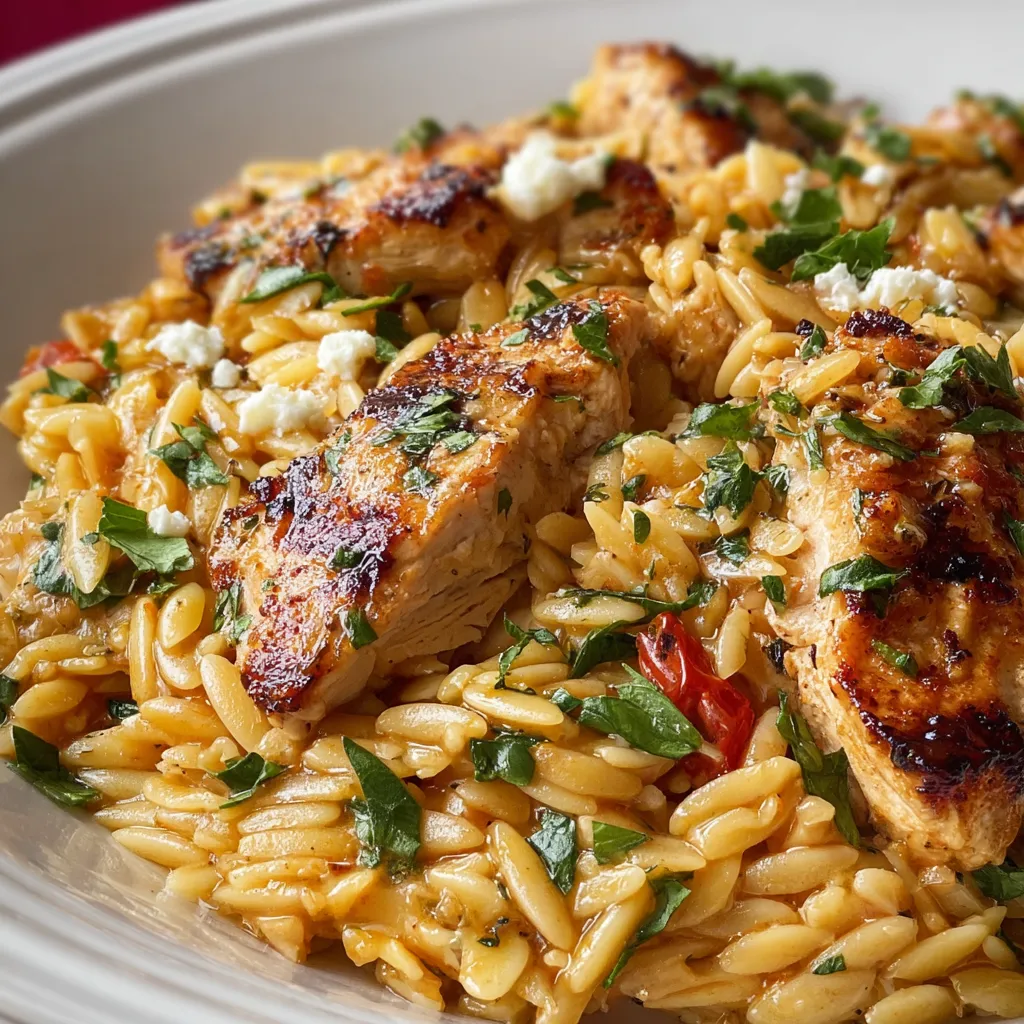 This recipe is the culmination of countless experiments, tweaks, and “Aha!” moments. It’s designed to deliver perfectly cooked orzo, tender, flavorful chicken, and a creamy, satisfying sauce.
Ingredients:
- 1.5 lbs boneless, skinless chicken breasts, cut into 1-inch cubes
- 1 tbsp olive oil
- 1 medium yellow onion, finely chopped
- 2 cloves garlic, minced
- 1 cup orzo pasta
- 4 cups chicken broth, low sodium
- 1/2 cup dry white wine (optional, but highly recommended)
- 1/2 cup grated Parmesan cheese, plus more for garnish
- 1/4 cup chopped fresh parsley, plus more for garnish
- 2 tbsp butter
- 1 lemon, juiced
- Salt and pepper to taste
- Optional: 1/2 cup sun-dried tomatoes, oil-packed, drained and chopped
Instructions:
- Prepare the Chicken: Season the chicken cubes generously with salt and pepper.
- Sear the Chicken: Heat the olive oil in a large, deep skillet or Dutch oven over medium-high heat. Add the chicken and sear on all sides until golden brown, about 5-7 minutes. Remove the chicken from the skillet and set aside.
- Sauté Aromatics: Add the onion to the skillet and cook until softened and translucent, about 5 minutes. Add the garlic and cook for another minute until fragrant.
- Deglaze the Pan: If using, pour in the white wine and scrape up any browned bits from the bottom of the skillet. Let the wine reduce slightly, about 2 minutes.
- Cook the Orzo: Add the orzo to the skillet and stir to coat it with the onion and garlic mixture. Pour in the chicken broth and bring to a simmer.
- Simmer and Thicken: Return the chicken to the skillet. Reduce the heat to low, cover, and simmer for 15-20 minutes, or until the orzo is cooked through and the liquid has been absorbed. Stir occasionally to prevent sticking.
- Finish the Dish: Remove the skillet from the heat. Stir in the Parmesan cheese, parsley, butter, and lemon juice. If using, stir in the sun-dried tomatoes. Season with salt and pepper to taste.
- Serve: Garnish with additional Parmesan cheese and parsley. Serve immediately.
My Chicken Orzo Odyssey
My journey to perfecting chicken orzo was far from smooth. Like many of you, I initially thought it was a simple one-pot meal – throw everything in, cook until done, and voila! My first few attempts were a disaster. The orzo was either mushy or undercooked, the chicken was dry, and the overall flavor was underwhelming. I knew I needed to understand what was going wrong.The Mushy Orzo Debacle
Initially, I used too much liquid and cooked the orzo for too long, resulting in a sticky, gummy mess. It was edible, but far from the creamy, al dente texture I was aiming for. I tried reducing the cooking time, but then the orzo was often undercooked in the center.The Dry Chicken Dilemma
My early attempts also suffered from dry, overcooked chicken. I was searing the chicken at too high of a heat and then simmering it for too long, essentially turning it into shoe leather. I experimented with different cooking methods, including poaching the chicken separately, but this added extra steps and didn’t quite achieve the desired flavor.The “Aha!” Moment: Mastering the Liquid Ratio
Then, I had an “Aha!” moment. I realized the key was controlling the liquid ratio and simmering the orzo and chicken together at a lower temperature. By using just enough broth to cook the orzo and keeping the heat low, I could ensure the orzo was perfectly cooked without becoming mushy, and the chicken remained tender and juicy. This also allowed the chicken to infuse the orzo with flavor as it cooked.The Wine Revelation
Adding white wine to deglaze the pan was another game-changer. The acidity of the wine not only helped to brighten the flavors but also added a depth of complexity that was missing in my earlier attempts. It created a richer, more nuanced sauce. Think of it as a simpler Marsala Chicken Orzo, but without the sweetness.Perfecting the Finish
Finally, I realized that the finishing touches were just as important as the cooking process. Stirring in Parmesan cheese, fresh parsley, butter, and lemon juice at the end added a burst of flavor and richness that elevated the dish to a whole new level. The lemon juice, in particular, provided a crucial element of brightness that balanced the richness of the cheese and butter. This made a huge difference compared to a dish like Chicken Garlic Parmesan Pasta, which relies heavily on the richness of the parmesan.The Foolproof Chicken Orzo Technique
After countless experiments, here’s the technique that guarantees perfect chicken orzo every time:- Sear the Chicken Properly: Sear the chicken cubes until golden brown on all sides, but don’t cook them all the way through. This adds flavor and texture.
- Sauté Aromatics: Sauté the onion and garlic until softened and fragrant. This is the foundation of your flavor base.
- Deglaze with Wine (Optional but Recommended): Use dry white wine to deglaze the pan and scrape up any browned bits. This adds depth and complexity to the sauce.
- Use the Right Liquid Ratio: Use approximately 4 cups of chicken broth for 1 cup of orzo. This ensures the orzo cooks through without becoming mushy.
- Simmer at Low Heat: Simmer the orzo and chicken together at low heat, covered, until the orzo is cooked through and the liquid has been absorbed. Stir occasionally to prevent sticking.
- Finish with Flavor: Stir in Parmesan cheese, fresh parsley, butter, and lemon juice at the end. This adds richness, brightness, and depth of flavor.
Why does orzo sometimes become mushy in chicken orzo dishes?
Orzo releases starch as it cooks, and if not controlled with the right liquid ratio and cooking time, it can become sticky and gummy. Using too much liquid or overcooking are common causes.
How can I prevent the chicken from becoming dry and rubbery in this recipe?
Sear the chicken properly without fully cooking it through initially, and then simmer it at low heat with the orzo. This ensures the chicken remains tender and juicy while infusing the orzo with flavor.
What role does white wine play in this chicken orzo recipe?
White wine is used to deglaze the pan, scraping up browned bits for added flavor. Its acidity also brightens the flavors of the dish and adds a depth of complexity to the sauce.
What are the key steps to achieving perfect chicken orzo according to the article?
The key steps are: properly searing the chicken, sautéing aromatics, deglazing with wine (optional), using the correct liquid ratio (4 cups broth per 1 cup orzo), simmering at low heat, and finishing with Parmesan cheese, fresh parsley, butter, and lemon juice.
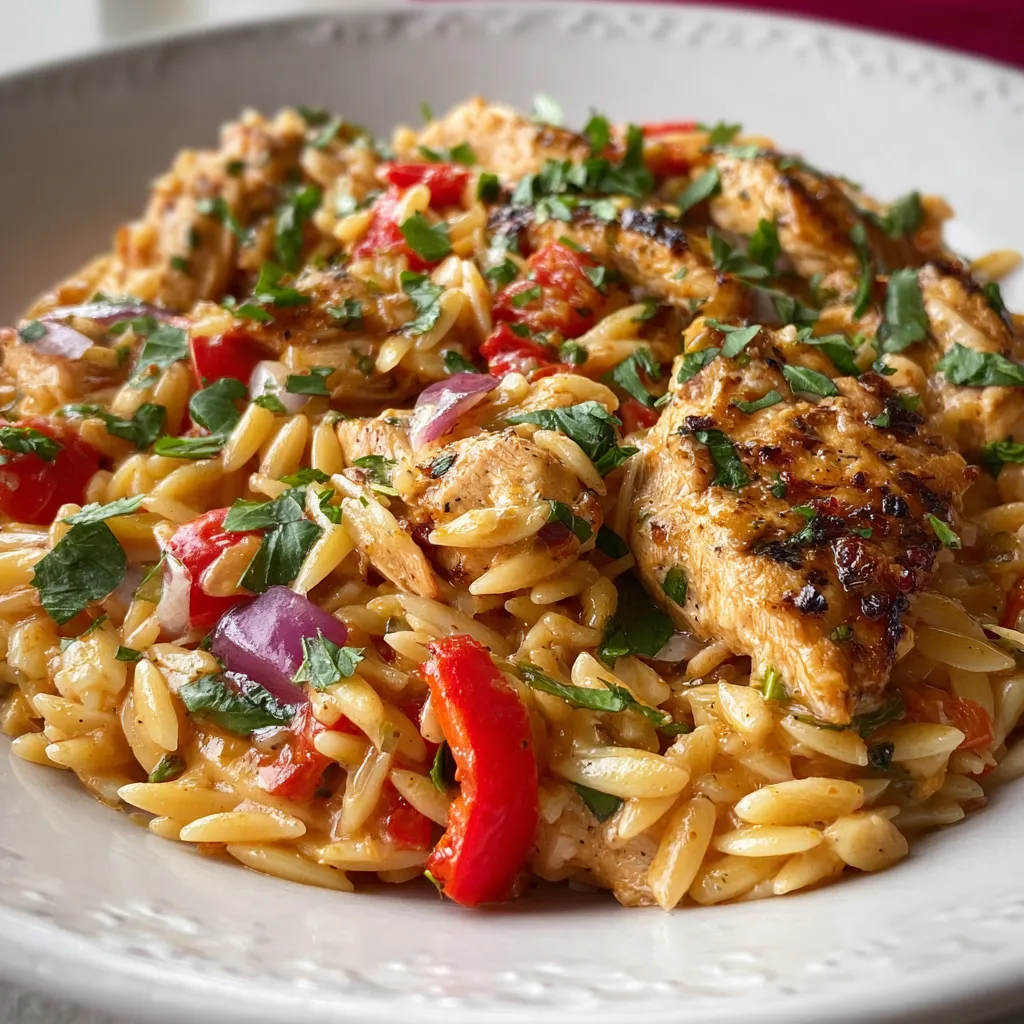
Easy Chicken Orzo
Ingredients
Equipment
Method
- Season the chicken cubes generously with salt and pepper.
- Heat the olive oil in a large, deep skillet or Dutch oven over medium-high heat. Add the chicken and sear on all sides until golden brown, about 5-7 minutes. Remove the chicken from the skillet and set aside.
- Add the onion to the skillet and cook until softened and translucent, about 5 minutes. Add the garlic and cook for another minute until fragrant.
- If using white wine, pour it into the skillet and scrape up any browned bits from the bottom of the skillet. Let the wine reduce slightly, about 2 minutes.
- Add the orzo to the skillet and stir to coat it with the onion and garlic mixture. Pour in the chicken broth and bring to a simmer.
- Return the chicken to the skillet. Reduce the heat to low, cover, and simmer for 15-20 minutes, or until the orzo is cooked through and the liquid has been absorbed. Stir occasionally to prevent sticking.
- Remove the skillet from the heat. Stir in the Parmesan cheese, parsley, butter, and lemon juice. If using, stir in the sun-dried tomatoes. Season with salt and pepper to taste.
- Garnish with additional Parmesan cheese and parsley. Serve immediately.