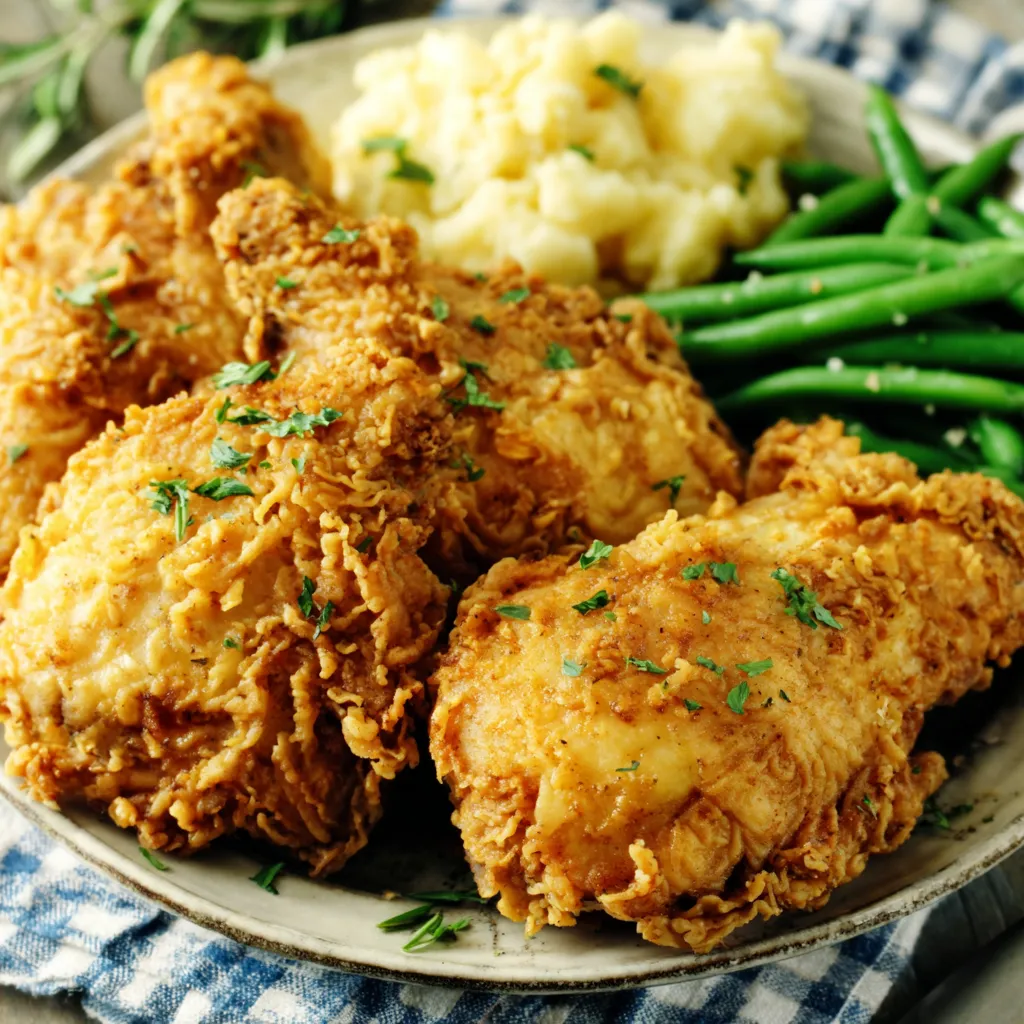

The Stroganoff Science: Creamy Tanginess Unveiled
At its heart, Chicken Stroganoff is a study in contrasts: rich creaminess balanced by bright acidity. The critical components are understanding the role of fat, acid, and starch in creating the desired flavor and texture.- Fat is Flavor (and Texture): The fat from butter and/or oil is crucial for building flavor through browning the chicken and mushrooms. It also provides richness and helps emulsify the sauce, preventing it from breaking. If you skimp on the fat, your stroganoff will likely taste flat and thin.
- Acid Cuts Through Richness: Sour cream (or Greek yogurt, in some variations) provides the signature tanginess. The acid balances the richness of the cream and fat, preventing the dish from becoming heavy. Adding a touch of Dijon mustard further enhances the acidity and adds a subtle savory note. It’s important to add the sour cream *off the heat* or at very low heat, otherwise it can curdle.
- Starch Thickens and Binds: Flour, either used to dredge the chicken or as a thickening agent in the sauce, helps to create a smooth, luscious consistency. Gluten-free alternatives like cornstarch or tapioca starch work equally well. The starch granules absorb liquid and swell, thickening the sauce and preventing it from separating.
- The Maillard Reaction: Browning the chicken and mushrooms is key. This process, known as the Maillard reaction, creates hundreds of flavor compounds that contribute to the overall depth and complexity of the dish. Don’t overcrowd the pan; brown in batches to ensure proper caramelization.
The Definitive Chicken Stroganoff Recipe
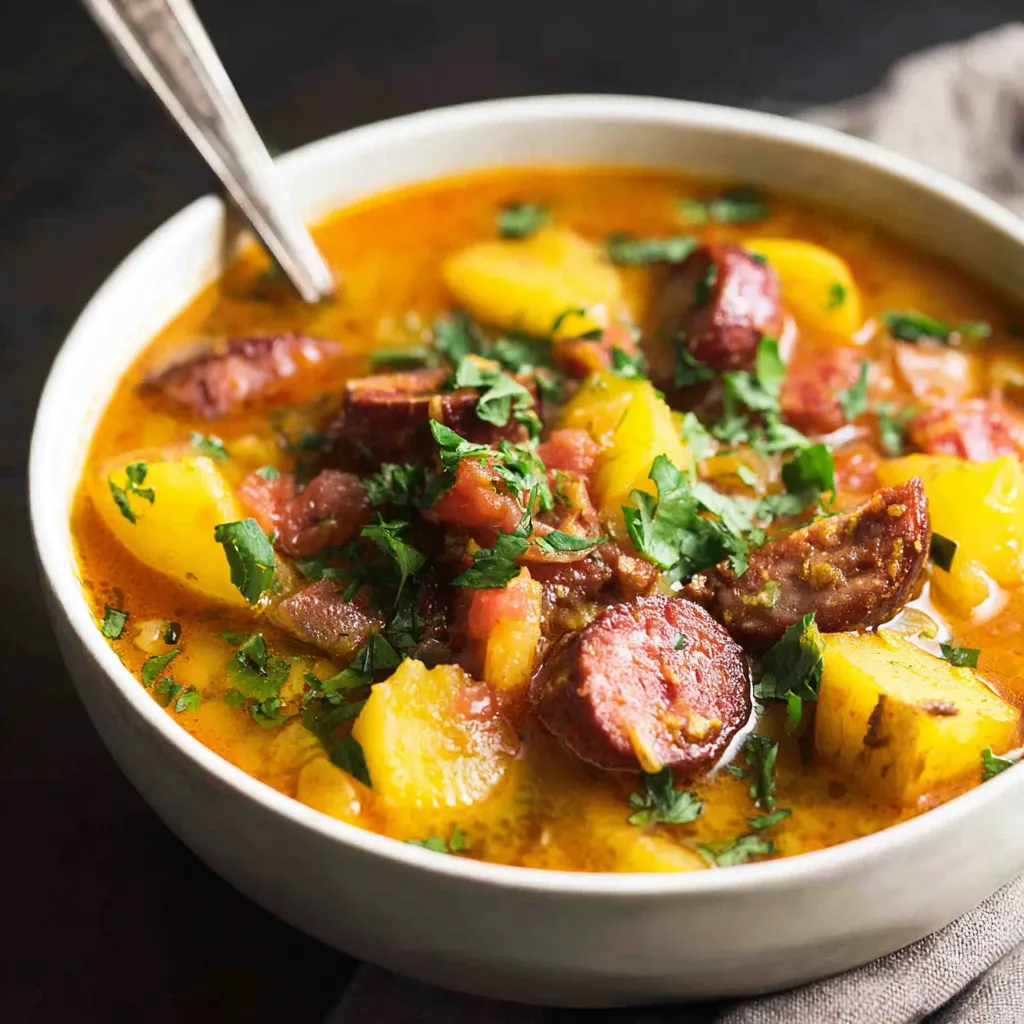 This recipe incorporates the scientific principles above, meticulously tested and refined to deliver the best possible Chicken Stroganoff.
Ingredients:
- 1.5 lbs boneless, skinless chicken breasts, cut into 1-inch pieces
- 1/2 cup all-purpose flour (or gluten-free blend)
- 1 teaspoon salt
- 1/2 teaspoon black pepper
- 4 tablespoons butter, divided
- 1 tablespoon olive oil
- 1 large onion, chopped
- 8 oz cremini mushrooms, sliced
- 2 cloves garlic, minced
- 1 cup chicken broth
- 1/2 cup dry white wine (optional, but recommended – use something you’d drink!)
- 1 tablespoon Dijon mustard
- 1 teaspoon Worcestershire sauce
- 1/2 cup sour cream (full-fat, for best results)
- 2 tablespoons chopped fresh parsley, for garnish
- Cooked egg noodles, for serving
Instructions:
1. Prepare the Chicken: In a large bowl, combine the flour, salt, and pepper. Dredge the chicken pieces in the flour mixture, shaking off any excess. 2. Brown the Chicken: Heat 2 tablespoons of butter and the olive oil in a large skillet over medium-high heat. Add the chicken in a single layer (work in batches to avoid overcrowding) and cook until browned on all sides, about 5-7 minutes. Remove the chicken from the skillet and set aside. 3. Sauté the Aromatics: Add the remaining 2 tablespoons of butter to the skillet. Add the onion and cook until softened and translucent, about 5 minutes. Add the mushrooms and cook until softened and browned, about 8-10 minutes. Add the garlic and cook for 1 minute more, until fragrant. 4. Deglaze the Pan: Pour in the chicken broth and white wine (if using), scraping up any browned bits from the bottom of the skillet. Bring to a simmer and cook for 5 minutes, allowing the sauce to reduce slightly. 5. Create the Sauce: Stir in the Dijon mustard and Worcestershire sauce. Reduce the heat to low and gently stir in the sour cream. Do not boil the sauce after adding the sour cream, or it may curdle. 6. Combine and Serve: Return the chicken to the skillet and simmer for 5 minutes, until heated through. Stir in the parsley. Serve immediately over cooked egg noodles.The Investigation: My Stroganoff Saga
My journey to perfecting Chicken Stroganoff wasn’t always smooth sailing. Like many of you, I initially thought it was just a matter of throwing ingredients together in a creamy sauce. My first few attempts were a disaster… bland, watery, and with a sour cream sauce that often curdled. I knew I needed to dig deeper and understand the *why* behind the ingredients and techniques.The Great Sour Cream Calamity
My initial struggles centered around the sour cream. The sauce consistently broke, leaving an unappetizing, grainy mess. I tried using different brands of sour cream, different temperatures, even different types of cream altogether. Then, I had an “Aha!” moment: heat control is paramount. Adding the sour cream at the very end, *off the heat*, proved to be the key. Gently warming it through with the rest of the ingredients was enough to create a smooth, stable sauce.The Blandness Battle
Another challenge was achieving a depth of flavor. Early versions tasted… flat. I realized I was skimping on the browning. I wasn’t giving the chicken or mushrooms enough time to develop that rich, caramelized flavor. Browning the chicken in batches, ensuring each piece had direct contact with the hot pan, made a huge difference. And sautéing the mushrooms until they were deeply golden brown unlocked a whole new level of umami.The Flour Fiasco
I also experimented with different thickening agents. I initially just dumped flour into the sauce. The result? Clumps and a pasty taste. I learned that dredging the chicken in flour *before* browning not only helped create a crispy exterior but also released starch into the pan, naturally thickening the sauce as it cooked. Using this method meant I needed less flour overall and resulted in a smoother, more flavorful sauce.The Foolproof Stroganoff Technique: A Summary
Here’s the distilled wisdom, the key steps to Chicken Stroganoff success:- Dredge the Chicken: Coat the chicken in seasoned flour for a crispy exterior and natural sauce thickening.
- Brown in Batches: Don’t overcrowd the pan! Brown the chicken and mushrooms in batches to develop maximum flavor.
- Deglaze the Pan: Use chicken broth (and white wine, if you have it) to scrape up those flavorful browned bits.
- Low and Slow with the Sour Cream: Add the sour cream *off the heat* or at very low heat to prevent curdling.
- Simmer, Don’t Boil: Gently simmer the sauce to allow the flavors to meld together.
Why is it important to add the sour cream off the heat when making Chicken Stroganoff?
Adding sour cream off the heat, or at very low heat, is crucial to prevent it from curdling and ruining the sauce’s texture.
Why is browning the chicken and mushrooms so important in this recipe?
Browning the chicken and mushrooms triggers the Maillard reaction, which creates hundreds of flavor compounds that significantly enhance the depth and complexity of the dish.
What role does flour play in Chicken Stroganoff, and what’s the best way to incorporate it?
Flour acts as a thickening agent, creating a smooth and luscious consistency. Dredging the chicken in flour before browning is the preferred method as it helps the chicken crisp and naturally thickens the sauce as it cooks.
Can I use a substitute for sour cream in the Chicken Stroganoff?
While sour cream is recommended for the signature tanginess, Greek yogurt can be used as a substitute in some variations. However, full-fat sour cream is suggested for the best results.
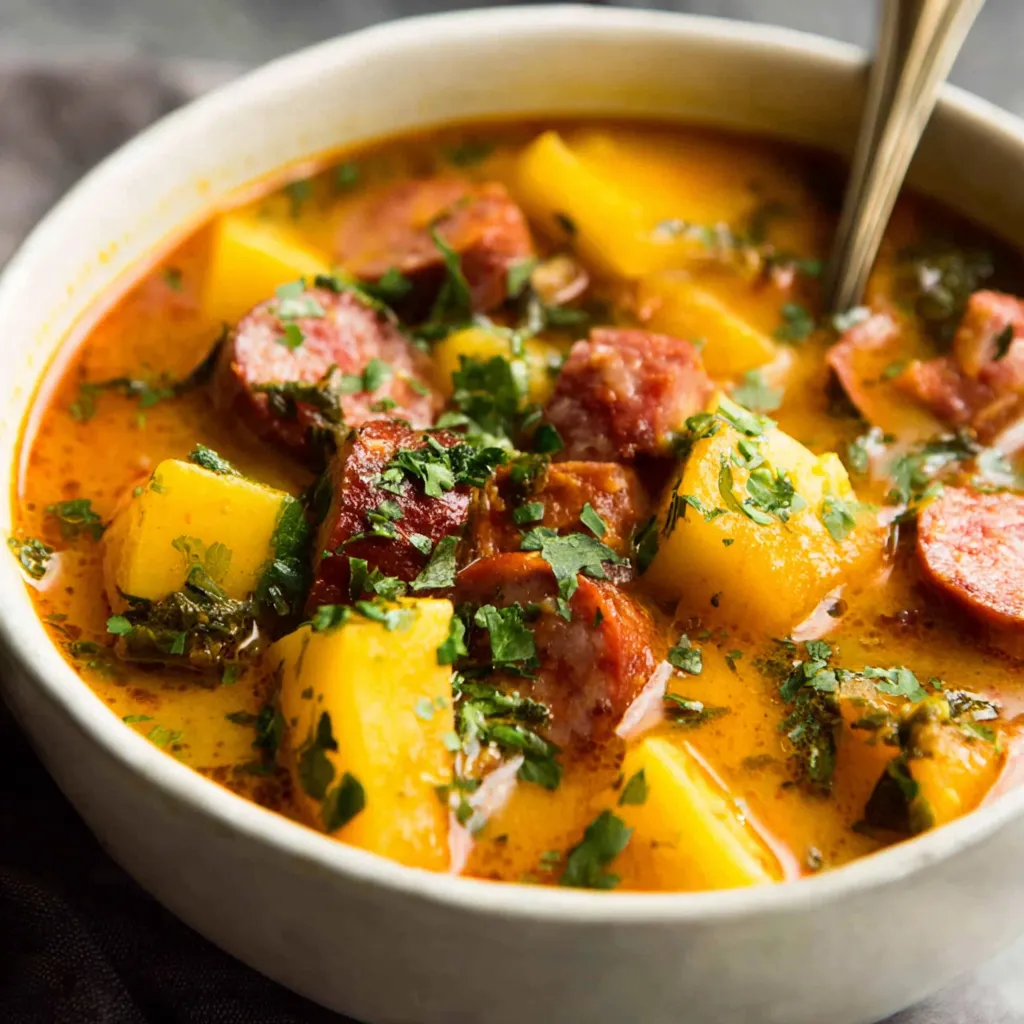
Easy Chicken Stroganoff
This Chicken Stroganoff recipe delivers a creamy and tangy flavor profile by combining chicken, mushrooms, and a rich sour cream sauce. Browning the chicken and mushrooms is crucial for depth, while the addition of Dijon mustard and white wine elevates the acidity to balance the richness. Serve over egg noodles for a comforting and satisfying meal.
Ingredients
Equipment
Method
- Prepare the Chicken: In a large bowl, combine the flour, salt, and pepper. Dredge the chicken pieces in the flour mixture, shaking off any excess.
- Brown the Chicken: Heat 2 tablespoons of butter and the olive oil in a large skillet over medium-high heat. Add the chicken in a single layer (work in batches to avoid overcrowding) and cook until browned on all sides, about 5-7 minutes. Remove the chicken from the skillet and set aside.
- Sauté the Aromatics: Add the remaining 2 tablespoons of butter to the skillet. Add the onion and cook until softened and translucent, about 5 minutes. Add the mushrooms and cook until softened and browned, about 8-10 minutes. Add the garlic and cook for 1 minute more, until fragrant.
- Deglaze the Pan: Pour in the chicken broth and white wine (if using), scraping up any browned bits from the bottom of the skillet. Bring to a simmer and cook for 5 minutes, allowing the sauce to reduce slightly.
- Create the Sauce: Stir in the Dijon mustard and Worcestershire sauce. Reduce the heat to low and gently stir in the sour cream. Do not boil the sauce after adding the sour cream, or it may curdle.
- Combine and Serve: Return the chicken to the skillet and simmer for 5 minutes, until heated through. Stir in the parsley. Serve immediately over cooked egg noodles.
Notes
For best results, use full-fat sour cream. Add sour cream off the heat to prevent curdling. Browning the chicken and mushrooms in batches is crucial for flavor development. Store leftovers in an airtight container in the refrigerator for up to 3 days. Reheat gently over low heat. You can substitute Greek yogurt for sour cream, but the flavor will be slightly different. Serve with rice or mashed potatoes if you don’t have egg noodles.