
Unlocking the Secrets: The Science Behind Tender Pepper Steak
The key to a truly exceptional Chinese Pepper Steak lies in understanding a few crucial scientific concepts: the Maillard reaction, protein denaturation, and starch gelatinization. Let’s break it down. First, the Maillard reaction, that beautiful browning that occurs when amino acids and reducing sugars are heated, is what gives our steak its rich, savory flavor. Achieving this requires high heat and relatively dry conditions. Next, protein denaturation – the unfolding of protein molecules due to heat – is what determines the texture of our steak. Overcooking leads to tough, chewy meat as the proteins tighten up and squeeze out moisture. Finally, starch gelatinization is the process by which starch granules absorb water and swell, thickening our sauce. Controlling this process is vital to prevent a gummy or gloopy texture. Like many of you, I initially thought just throwing everything in a pan would work. Wrong!The Ultimate Chinese Pepper Steak Recipe
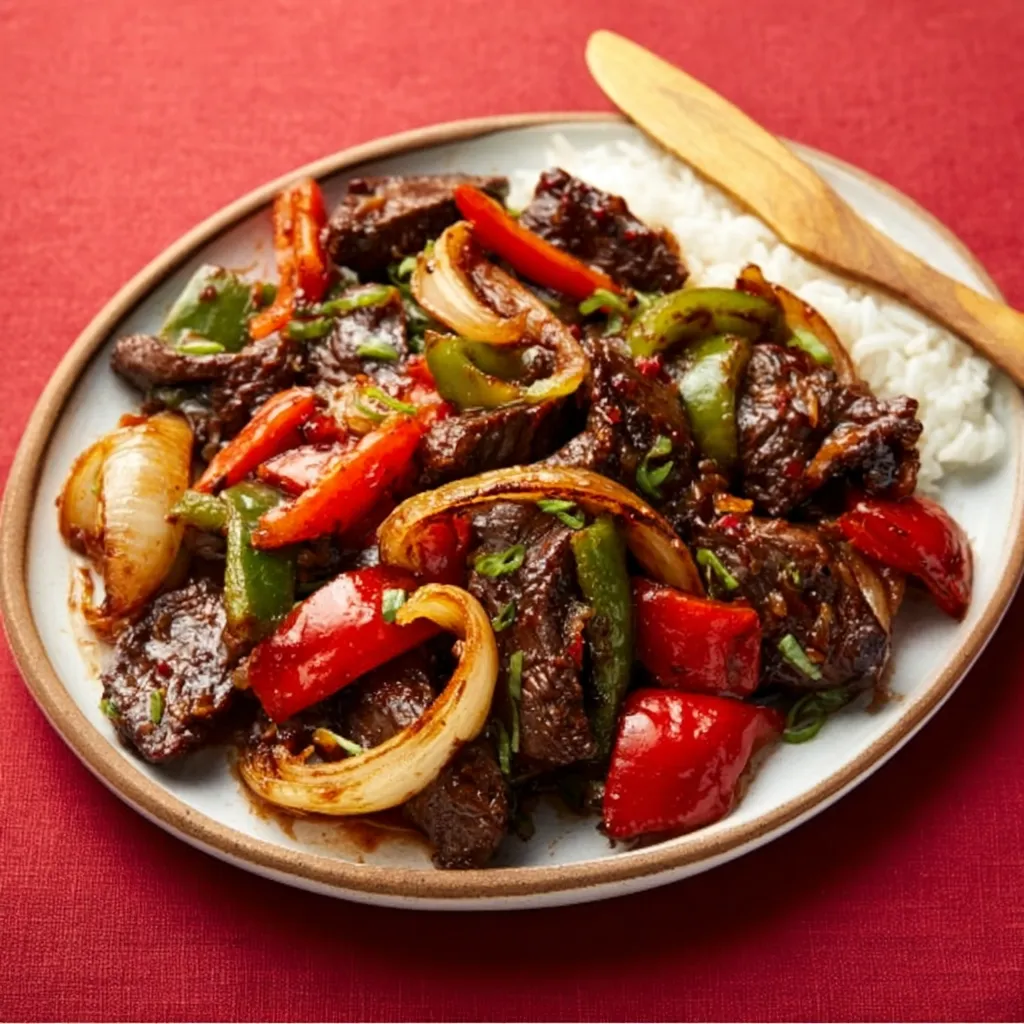 Here’s the recipe I’ve perfected after numerous trials and errors. This recipe produces tender steak, crisp peppers, and a perfectly balanced, flavorful sauce.
Ingredients
- For the Steak:
- 1 pound flank steak, thinly sliced against the grain
- 1 tablespoon soy sauce
- 1 tablespoon cornstarch
- 1 tablespoon rice wine (or dry sherry)
- 1 teaspoon sesame oil
- 1/2 teaspoon ground ginger
- 1/4 teaspoon black pepper
- For the Vegetables:
- 1 tablespoon vegetable oil
- 1 large bell pepper (any color), sliced
- 1 medium onion, sliced
- 2 cloves garlic, minced
- 1 teaspoon ginger, minced
- For the Sauce:
- 1/2 cup beef broth
- 2 tablespoons soy sauce
- 2 tablespoons oyster sauce
- 1 tablespoon brown sugar
- 1 teaspoon cornstarch
- 1/2 teaspoon sesame oil
- 1/4 teaspoon black pepper
Instructions
- Marinate the Steak: In a medium bowl, combine the sliced steak with soy sauce, cornstarch, rice wine, sesame oil, ginger, and pepper. Mix well and let marinate for at least 20 minutes (or up to 2 hours in the refrigerator).
- Prepare the Vegetables: While the steak is marinating, slice the bell pepper and onion. Mince the garlic and ginger.
- Cook the Vegetables: Heat vegetable oil in a large skillet or wok over high heat. Add the bell pepper and onion and stir-fry for 3-4 minutes, or until slightly softened but still crisp. Add the minced garlic and ginger and cook for another minute until fragrant. Remove the vegetables from the skillet and set aside.
- Sear the Steak: Increase the heat to high. Add the marinated steak to the skillet in a single layer (work in batches if necessary to avoid overcrowding). Sear for 1-2 minutes per side, or until browned and cooked through. Remove the steak from the skillet and set aside.
- Make the Sauce: In a small bowl, whisk together beef broth, soy sauce, oyster sauce, brown sugar, cornstarch, sesame oil, and pepper.
- Combine and Simmer: Pour the sauce into the skillet and bring to a simmer over medium heat. Cook for 1-2 minutes, or until the sauce has thickened slightly.
- Add Everything Back: Add the cooked steak and vegetables back to the skillet. Toss to coat everything in the sauce and heat through.
- Serve: Serve immediately over rice.
From Disaster to Delicious: My Culinary Investigation
My first few attempts were a disaster. The steak was tough, the sauce was either too thin or gluey, and the overall flavor was underwhelming. I knew I needed to approach this systematically.The Great Steak Mishap
The initial problem was the steak. I was using a thicker cut and simply throwing it in the pan with the vegetables. The result? A leathery, overcooked mess. The “Aha!” moment came when I realized the importance of thinly slicing the steak *against the grain*. This shortens the muscle fibers, making the steak significantly more tender. Also, using a proper marinade with cornstarch helped to further tenderize the meat and create a slight crust when searing. I remembered a similar principle used in Chinese Beef And Broccoli and adapted it for pepper steak.Sauce SOS
Next, the sauce. Sometimes it was watery and bland, other times it was a thick, gloopy mess that clung to everything like glue. The key here was understanding the role of cornstarch. Too much, and you’ve got wallpaper paste. Too little, and you’re left with flavored water. I found that a precise measurement of cornstarch, whisked thoroughly into the sauce before adding it to the pan, yielded the perfect consistency. Also, the addition of oyster sauce made a huge difference in the overall flavor profile, adding a depth of umami that was previously missing. I even considered adding some noodles like in Asian Beef Noodle Skillet, but I decided to stick to rice.Vegetable Victories
Finally, the vegetables. I wanted them to be tender-crisp, not soggy and lifeless. The solution was simple: high heat and a quick stir-fry. I also discovered that adding the garlic and ginger towards the end of the vegetable cooking process prevented them from burning and allowed their flavors to really shine. I also tried some variations with different vegetables, similar to those in Beef Stir Fry, but ultimately decided that bell peppers and onions were the classic combination for a reason.The Foolproof Formula: Mastering the Technique
After countless iterations, I’ve distilled the process down to a simple, foolproof technique.- Slice the steak thinly against the grain. This is the single most important step for achieving tender steak.
- Marinate the steak. A marinade not only adds flavor but also helps to tenderize the meat.
- Prepare all your ingredients before you start cooking. This is crucial for stir-frying, as the cooking process is very fast.
- Use high heat. This will help to sear the steak and vegetables quickly, preventing them from becoming soggy.
- Don’t overcrowd the pan. Cook the steak in batches if necessary to ensure proper browning.
- Whisk the cornstarch thoroughly into the sauce before adding it to the pan. This will prevent lumps and ensure a smooth, even consistency.
- Cook the sauce until it has thickened slightly. This will give it a nice glossy sheen and prevent it from being too watery.
- Add the cooked steak and vegetables back to the pan and toss to coat. This will ensure that everything is evenly coated in the sauce.
- Serve immediately over rice. Enjoy!
What is the key to making tender pepper steak according to the article?
The key to tender pepper steak is slicing the steak thinly against the grain, marinating it, and searing it quickly over high heat.
How do you prevent the sauce from becoming too thick or gummy?
Prevent a gummy sauce by using a precise measurement of cornstarch and whisking it thoroughly into the sauce before adding it to the pan. Also, cook the sauce until it has thickened slightly.
Why is it important to cook the vegetables at high heat?
Cooking the vegetables at high heat and stir-frying them quickly prevents them from becoming soggy and helps them remain tender-crisp.
What role does cornstarch play in the steak marinade?
Cornstarch in the marinade helps to tenderize the meat and create a slight crust when searing.
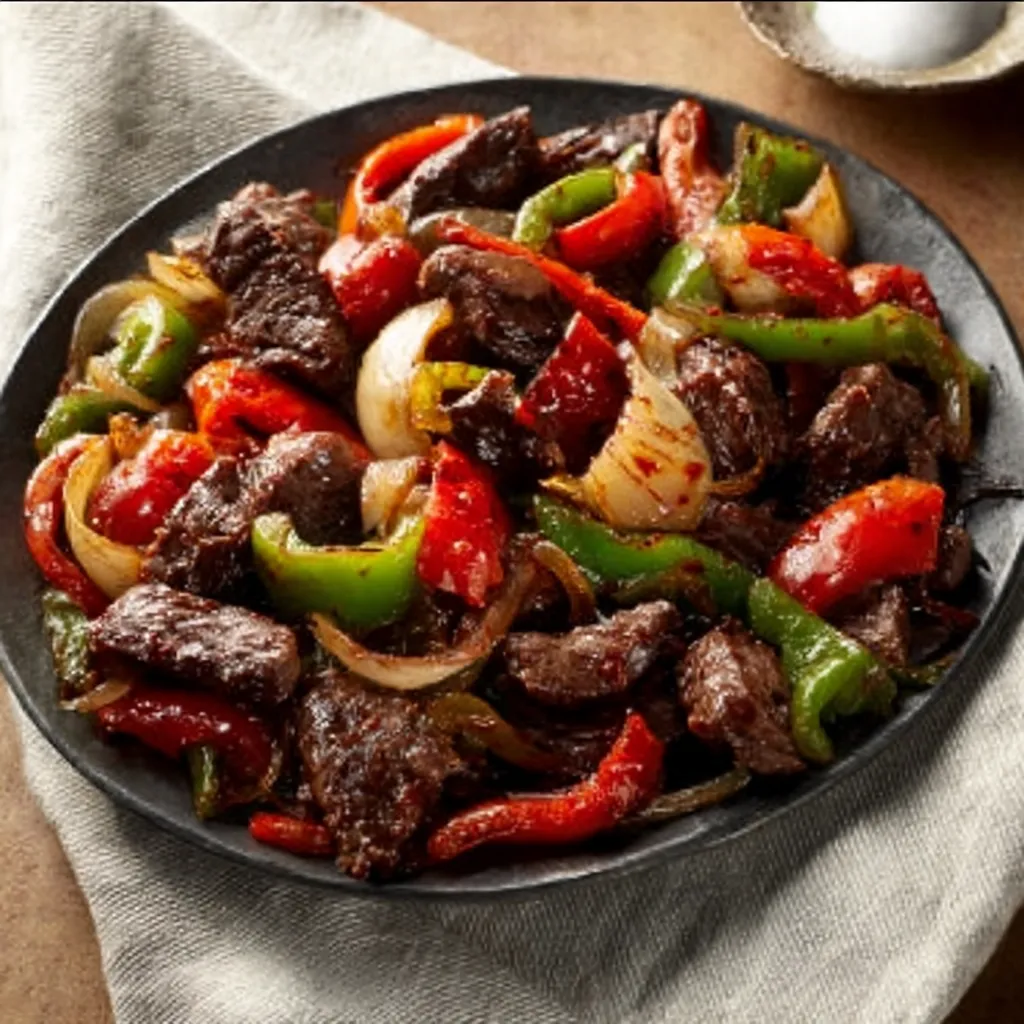
Easy Chinese Pepper Steak
This recipe delivers tender steak, crisp peppers, and a perfectly balanced, flavorful sauce. The key lies in thinly slicing the steak, using a proper marinade, and controlling the sauce’s consistency with cornstarch. Serve over rice for a complete and satisfying meal.
Ingredients
Equipment
Method
- Marinate the Steak: In a medium bowl, combine the sliced steak with soy sauce, cornstarch, rice wine, sesame oil, ginger, and pepper. Mix well and let marinate for at least 20 minutes (or up to 2 hours in the refrigerator).
- Prepare the Vegetables: While the steak is marinating, slice the bell pepper and onion. Mince the garlic and ginger.
- Cook the Vegetables: Heat vegetable oil in a large skillet or wok over high heat. Add the bell pepper and onion and stir-fry for 3-4 minutes, or until slightly softened but still crisp. Add the minced garlic and ginger and cook for another minute until fragrant. Remove the vegetables from the skillet and set aside.
- Sear the Steak: Increase the heat to high. Add the marinated steak to the skillet in a single layer (work in batches if necessary to avoid overcrowding). Sear for 1-2 minutes per side, or until browned and cooked through. Remove the steak from the skillet and set aside.
- Make the Sauce: In a small bowl, whisk together beef broth, soy sauce, oyster sauce, brown sugar, cornstarch, sesame oil, and pepper.
- Combine and Simmer: Pour the sauce into the skillet and bring to a simmer over medium heat. Cook for 1-2 minutes, or until the sauce has thickened slightly.
- Add Everything Back: Add the cooked steak and vegetables back to the skillet. Toss to coat everything in the sauce and heat through.
- Serve: Serve immediately over rice.
Notes
For best results, slice the steak thinly against the grain. Marinating the steak for at least 20 minutes helps to tenderize the meat and add flavor. Don’t overcrowd the pan when searing the steak to ensure proper browning. Whisk the cornstarch thoroughly into the sauce before adding it to the pan to prevent lumps. Store leftovers in an airtight container in the refrigerator for up to 3 days. Reheat gently in a skillet or microwave.