
Unlocking the Garlicky Goodness: The Science Behind the Sauce
The magic of garlic pasta hinges on how we treat the garlic. Raw garlic is pungent and assertive, almost aggressive. Cooked improperly, it can become bitter and acrid. The key is to coax out its sweetness and mellow its intensity through gentle cooking and proper emulsification. This is why the science revolves around controlling Maillard reaction and creating a stable emulsion. The Maillard reaction, a chemical reaction between amino acids and reducing sugars that gives browned food its distinctive flavor, plays a crucial role. We want a *controlled* Maillard reaction – enough to develop nutty, sweet notes, but not so much that the garlic burns and becomes bitter. This involves keeping the heat low and monitoring the garlic closely. Equally important is creating a stable emulsion of pasta water, fat (usually olive oil and butter), and starch. This emulsion is what gives the sauce its creamy texture, even without cream. Pasta water, rich in starch released from the pasta during cooking, acts as the emulsifier, binding the fat and water together. The starch molecules surround the fat droplets, preventing them from separating and creating a velvety smooth sauce. I often make Dreamy Mushroom Pasta, which relies on this principle for its creamy texture.The Holy Grail of Garlic Pasta: The Recipe
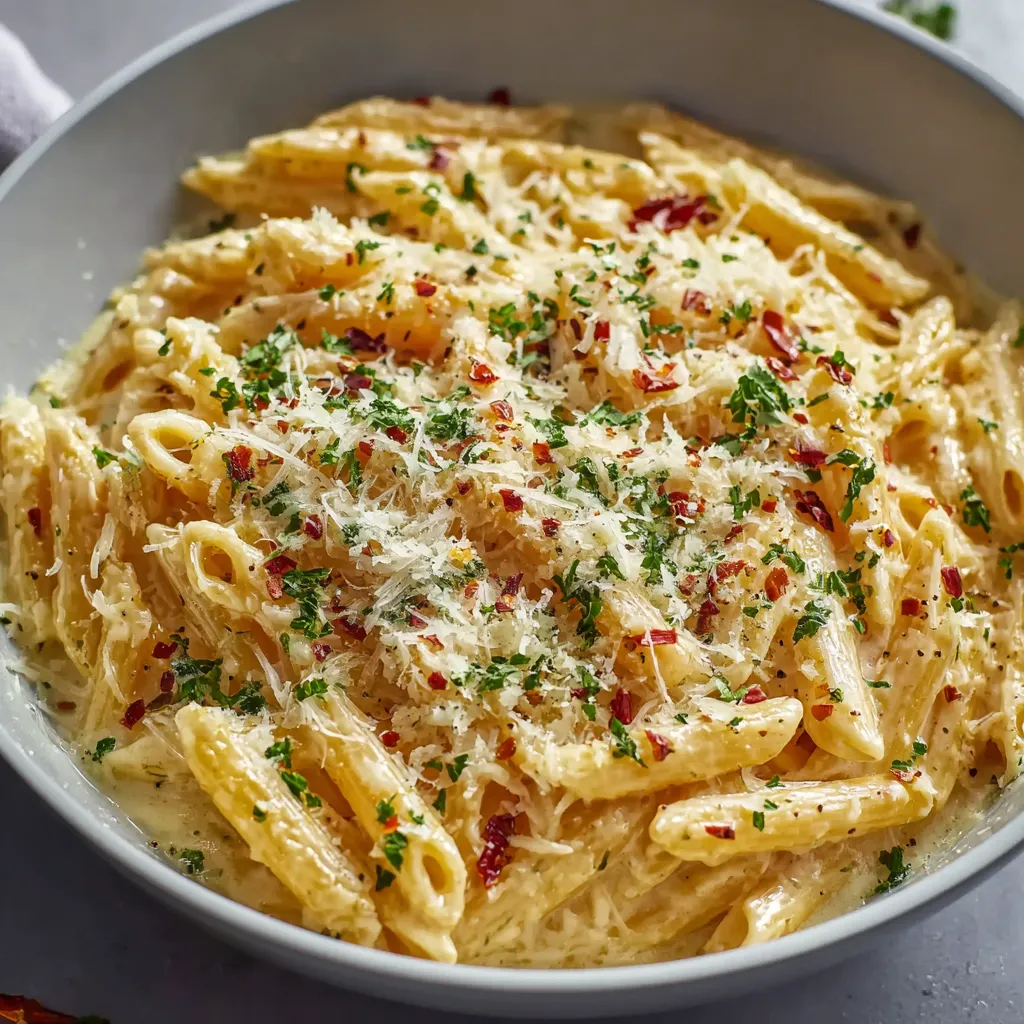
Ingredients:
- 1 pound pasta (spaghetti, linguine, or fettuccine work best)
- 1/2 cup extra virgin olive oil
- 8-10 cloves garlic, thinly sliced (adjust to your preference)
- 1/4 cup unsalted butter
- 1/2 teaspoon red pepper flakes (optional)
- 1 cup reserved pasta water
- 1/2 cup grated Parmesan cheese, plus more for serving
- Salt and freshly ground black pepper to taste
- Fresh parsley, chopped, for garnish
Instructions:
- Cook the Pasta: Bring a large pot of salted water to a rolling boil. Add the pasta and cook according to package directions until al dente. Reserve about 1 cup of pasta water before draining.
- Infuse the Oil: While the pasta is cooking, heat the olive oil and butter in a large skillet over medium-low heat. Add the sliced garlic and red pepper flakes (if using). Cook, stirring frequently, until the garlic is fragrant and lightly golden, about 3-5 minutes. Be careful not to burn the garlic.
- Create the Sauce: Remove the skillet from the heat and carefully add about 1/2 cup of the reserved pasta water to the skillet. The mixture will sizzle. Stir constantly to create an emulsion. Return the skillet to low heat and add the drained pasta. Toss to coat, adding more pasta water as needed to create a creamy sauce.
- Finish and Serve: Remove the skillet from the heat. Stir in the Parmesan cheese and season with salt and pepper to taste. Toss well to combine. Serve immediately, garnished with fresh parsley and extra Parmesan cheese.
A Culinary Detective’s Diary: My Garlic Pasta Investigation
The Bitter Truth: Early Failures
My first few attempts were a disaster. I’d throw the garlic into hot oil and almost immediately burn it, resulting in a bitter, unpleasant flavor. Like many of you, I initially thought more garlic was always better. I quickly learned that there’s a fine line between garlicky goodness and overpowering pungency. I even tried using garlic powder in desperation, which, while convenient, resulted in a flat, one-dimensional flavor that lacked the complexity I craved.The “Aha!” Moment: Low and Slow
Then, I had an “Aha!” moment. I realized that the key was to cook the garlic gently over low heat, allowing its flavors to infuse the oil slowly and evenly. This also allowed me to avoid burning the garlic and thus preserve its sweetness. I started slicing the garlic as thinly as possible, which helped it cook more evenly and release its flavor more effectively.The Starchy Savior: Mastering the Emulsion
Another breakthrough came when I started reserving pasta water. Before, my sauces were always oily and separated. The starchy pasta water acted as the glue, binding the oil and water together to create a luscious, creamy texture. It felt like I was performing culinary alchemy! I also noticed that adding the pasta water off the heat initially prevented the garlic from scorching when the liquid was added.The Cheese Factor: Finding the Right Balance
Finally, I experimented with different cheeses. While Parmesan is a classic choice, I found that a combination of Parmesan and Pecorino Romano adds a delightful sharpness and complexity. However, it’s important to use a light hand with the Pecorino Romano, as it can be quite salty. Also, I sometimes enjoy making Cheesy Garlic Chicken Wraps, when I want more than just pasta. I am always looking for Easy Healthy Kids Dinner Ideas, and garlic pasta is a great way to get my kids eating. It’s also quicker than making Sticky Beef Noodles.The Foolproof Formula: The Technique for Perfect Garlic Pasta
After countless iterations and experiments, I’ve distilled the process down to a few key steps:- Thinly Slice the Garlic: Uniformly thin slices ensure even cooking and maximum flavor release. A mandoline can be helpful for this.
- Infuse the Oil Gently: Cook the garlic in olive oil and butter over medium-low heat, stirring frequently, until fragrant and lightly golden. Watch it like a hawk!
- Reserve the Pasta Water: Don’t underestimate the power of this starchy liquid. It’s the secret to a creamy, emulsified sauce.
- Emulsify Off the Heat (Initially): Add a small amount of pasta water to the garlic and oil mixture *off the heat* to prevent splattering and potential garlic burning. Then, return to low heat.
- Toss and Add: Add the drained pasta to the skillet and toss to coat, adding more pasta water as needed to achieve the desired consistency.
- Cheese and Season: Remove from heat, stir in the Parmesan cheese (and Pecorino Romano, if using), and season with salt and pepper to taste.
- Serve Immediately: Garlic pasta is best enjoyed fresh, while the flavors are vibrant and the sauce is creamy.
Why is it important to reserve pasta water when making creamy garlic pasta?
The pasta water is rich in starch, which acts as an emulsifier, binding the fat (olive oil and butter) and water together to create a creamy sauce even without using cream. The starch prevents the oil and water from separating.
What’s the key to preventing the garlic from becoming bitter when making garlic pasta?
The key is to cook the garlic gently over medium-low heat, stirring frequently, until it is fragrant and lightly golden, being careful not to burn it. Thinly slicing the garlic also helps it cook more evenly.
What is the Maillard reaction, and why is it important in this recipe?
The Maillard reaction is a chemical reaction between amino acids and reducing sugars that gives browned food its distinctive flavor. A controlled Maillard reaction in this recipe develops nutty, sweet notes in the garlic without it burning and becoming bitter.
The recipe recommends adding pasta water off the heat initially. Why?
Adding the pasta water to the garlic and oil mixture off the heat initially prevents splattering and potential garlic burning when the liquid is added.
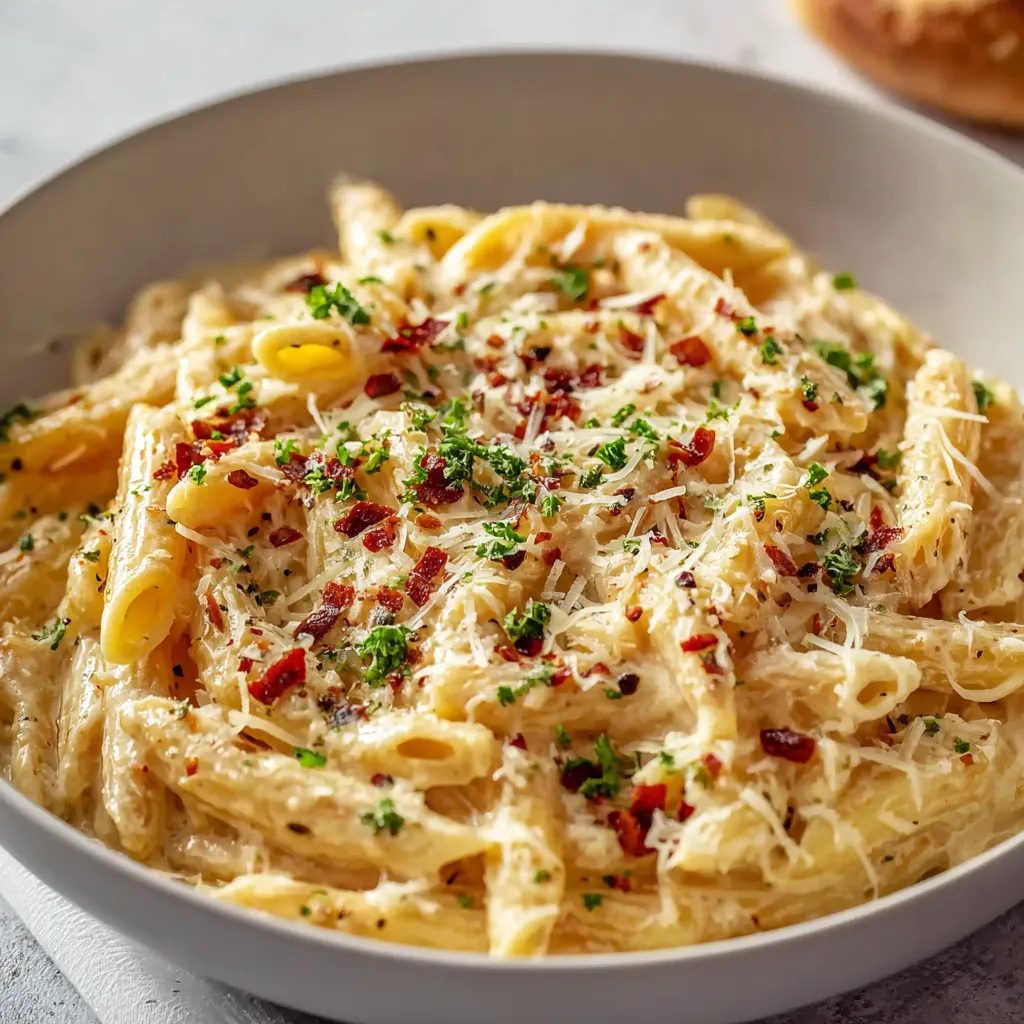
Easy Creamy Garlic Pasta
Ingredients
Equipment
Method
- Bring a large pot of salted water to a rolling boil.
- Add the pasta and cook according to package directions until al dente. Reserve about 1 cup of pasta water before draining.
- While the pasta is cooking, heat the olive oil and butter in a large skillet over medium-low heat.
- Add the sliced garlic and red pepper flakes (if using).
- Cook, stirring frequently, until the garlic is fragrant and lightly golden, about 3-5 minutes. Be careful not to burn the garlic.
- Remove the skillet from the heat and carefully add about 1/2 cup of the reserved pasta water to the skillet. The mixture will sizzle.
- Stir constantly to create an emulsion.
- Return the skillet to low heat and add the drained pasta.
- Toss to coat, adding more pasta water as needed to create a creamy sauce.
- Remove the skillet from the heat.
- Stir in the Parmesan cheese and season with salt and pepper to taste.
- Toss well to combine.
- Serve immediately, garnished with fresh parsley and extra Parmesan cheese.