
Unlocking Alfredo: The Science of Creaminess
The foundation of a good Alfredo sauce lies in understanding how its key ingredients interact. Traditionally, Alfredo relies heavily on heavy cream and butter to achieve its signature richness and velvety texture. The high fat content of these ingredients emulsifies beautifully with the pasta water (starch!) and parmesan cheese, creating a smooth, clinging sauce. However, it’s that very fat content that contributes significantly to the calorie count. To create a lighter version, we need to find ways to mimic this emulsification and creaminess without the excessive fat. This involves understanding the role of starch as a thickening agent, protein for structure, and strategic use of lower-fat dairy options.The “Better Than Olive Garden” Chicken Alfredo Recipe
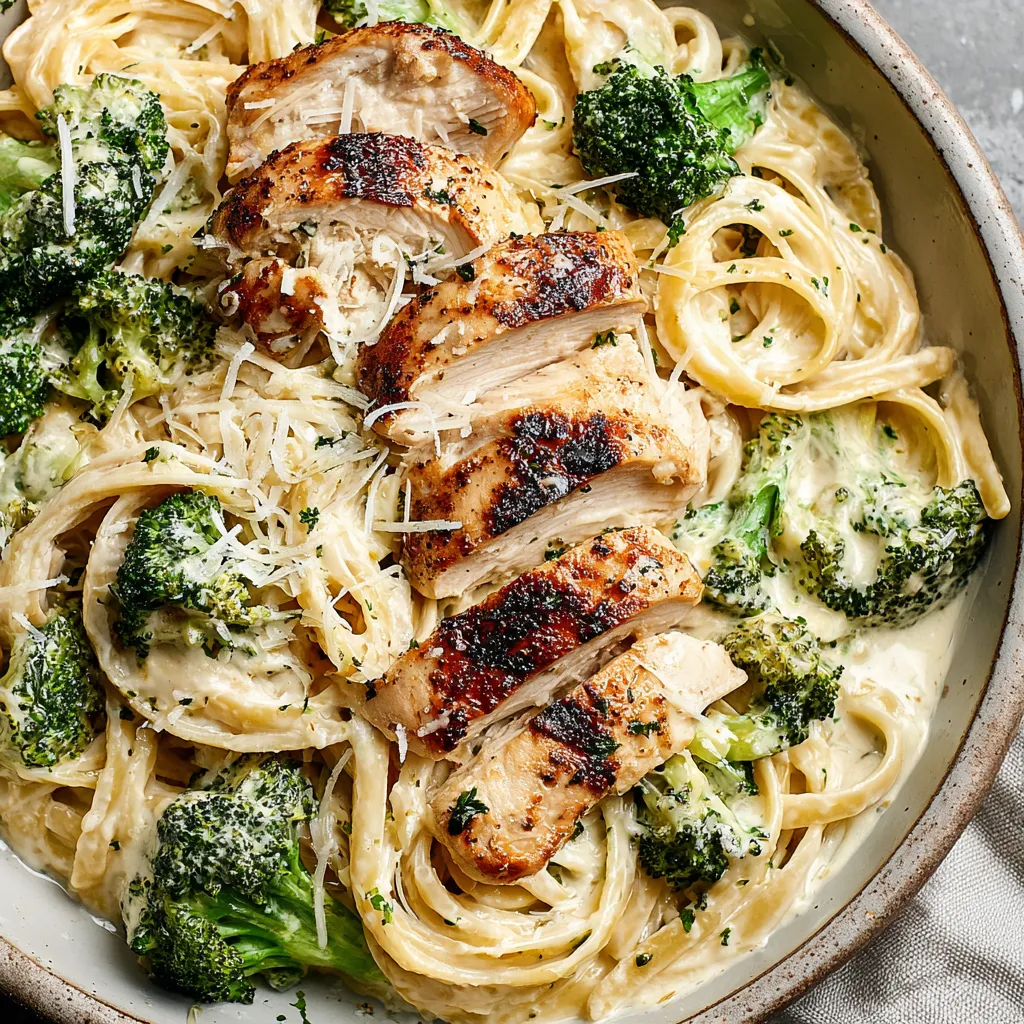 This recipe focuses on delivering the classic Alfredo flavor profile without sacrificing your waistline. It leverages smart ingredient swaps and techniques to achieve that desirable creamy texture.
Ingredients:
- Chicken: 1 lb boneless, skinless chicken breasts, cut into bite-sized pieces
- Pasta: 1 lb fettuccine pasta (whole wheat or regular)
- Garlic: 4 cloves, minced
- Butter: 2 tablespoons unsalted butter
- All-Purpose Flour: 2 tablespoons
- Milk: 1 cup 2% milk
- Chicken Broth: 1 cup reduced-sodium chicken broth
- Parmesan Cheese: 1 cup grated Parmesan cheese, plus more for serving
- Italian Seasoning: 1 teaspoon
- Salt and Black Pepper: To taste
- Optional: Fresh parsley, chopped, for garnish
Instructions:
- Cook the Pasta: Bring a large pot of salted water to a boil. Add the fettuccine and cook according to package directions until al dente. Reserve about 1 cup of pasta water before draining.
- Prepare the Chicken: Season the chicken pieces with salt, pepper, and Italian seasoning.
- Cook the Chicken: Heat 1 tablespoon of olive oil (or use a non-stick pan) in a large skillet over medium-high heat. Add the chicken and cook until golden brown and cooked through, about 5-7 minutes. Remove the chicken from the skillet and set aside.
- Make the Sauce: In the same skillet, melt the butter over medium heat. Add the minced garlic and cook for about 30 seconds, until fragrant.
- Thicken the Sauce: Whisk in the flour and cook for 1 minute, creating a roux.
- Add Liquids: Gradually whisk in the milk and chicken broth until smooth. Bring to a simmer, stirring constantly.
- Incorporate Cheese: Reduce heat to low and stir in the Parmesan cheese until melted and smooth.
- Adjust Consistency: If the sauce is too thick, add a little of the reserved pasta water until you reach the desired consistency.
- Combine and Serve: Add the cooked chicken and pasta to the sauce. Toss to coat evenly.
- Garnish: Serve immediately, garnished with fresh parsley and extra Parmesan cheese, if desired.
My Alfredo Odyssey: From Calorie Bomb to Kitchen Triumph
The Initial Disaster: Cream Overload
My first few attempts at creating a lighter Alfredo were, frankly, disastrous. Like many of you, I initially thought that simply using less cream would solve the problem. My first batch was essentially watery, vaguely cheesy pasta. The sauce didn’t cling to the noodles, and the flavor was severely lacking. I even tried adding cornstarch directly to the sauce to thicken it. Big mistake! It created a gummy texture that was far from appetizing. It tasted nothing like my favorite Chicken Garlic Parmesan Pasta dish.The “Aha!” Moment: Embracing the Roux
Then, I had an “Aha!” moment. I realized that the key to thickening the sauce and achieving that classic Alfredo cling was a roux – a cooked mixture of butter and flour. This is a technique often used in French cooking, and it provided the structure the sauce desperately needed. Using a roux allowed me to significantly reduce the amount of cream needed while still maintaining a creamy texture.The Dairy Dilemma: Milk vs. Cream
Next came the challenge of choosing the right dairy. I experimented with different types of milk, from skim to whole. Skim milk resulted in a thin, almost flavorless sauce, while whole milk was an improvement but still lacked the richness I was aiming for. I eventually landed on 2% milk as the perfect compromise – it provided enough richness without being overly heavy. The crucial element was to ensure I used good quality, reduced-sodium chicken broth to build a flavorful base. This prevented the sauce from tasting bland.The Cheese Factor: Quality Matters
The Parmesan cheese is non-negotiable. It’s the heart and soul of Alfredo. But not all Parmesan is created equal. I found that using freshly grated, high-quality Parmesan cheese made a world of difference. The pre-shredded stuff often contains cellulose and other additives that prevent it from melting smoothly, resulting in a grainy sauce. Splurge on the good stuff; you won’t regret it. It is a critical ingredient in my Creamy Chicken Pasta Soup recipe too.Pasta Perfection: Starchy Secret
Finally, I discovered the magic of pasta water. As the pasta cooks, it releases starch into the water. Adding a bit of this starchy water to the sauce helps to thicken it and create a beautiful emulsion. This is especially important when using less cream. It’s like liquid gold! You can also use the same kind of method to enhance recipes like the Creamy Chicken Pasta Soup.The Foolproof Alfredo Technique: A Step-by-Step Guide
Follow these steps to achieve Alfredo perfection every time:- Cook the Pasta Perfectly: Cook the fettuccine al dente and reserve about 1 cup of pasta water.
- Sauté the Garlic: Gently sauté minced garlic in butter until fragrant, but don’t let it brown.
- Build the Roux: Whisk in flour and cook for 1 minute to create a smooth roux.
- Whisk in the Liquids Gradually: Slowly whisk in milk and chicken broth until smooth, preventing lumps.
- Melt the Cheese Slowly: Reduce heat to low and stir in freshly grated Parmesan cheese until melted and smooth.
- Adjust Consistency with Pasta Water: Add pasta water to the sauce, a little at a time, until you reach the desired consistency.
- Toss and Serve Immediately: Toss the cooked pasta and chicken with the sauce and serve immediately.
What makes this Chicken Alfredo recipe lower in calories than traditional versions?
This recipe uses smart ingredient swaps and techniques to achieve the creamy texture and flavor of classic Alfredo without relying heavily on high-fat ingredients like heavy cream and butter. It utilizes a roux, 2% milk, reduced-sodium chicken broth, and pasta water to create a lighter sauce.
Why is reserving pasta water important in this recipe?
The pasta water contains starch, which helps to thicken the sauce and create a better emulsion, especially when using less cream. It contributes to the creamy texture of the Alfredo.
What kind of Parmesan cheese is recommended for the best results?
The recipe recommends using freshly grated, high-quality Parmesan cheese. Pre-shredded Parmesan often contains additives that prevent it from melting smoothly, resulting in a grainy sauce.
What is a roux, and why is it important in this lower-calorie Alfredo sauce?
A roux is a cooked mixture of butter and flour. It is used as a thickening agent for the sauce. By using a roux, you can reduce the amount of cream needed while still maintaining a creamy texture.

Easy Low Calorie Chicken Alfredo
Ingredients
Equipment
Method
- Bring a large pot of salted water to a boil. Add the fettuccine and cook according to package directions until al dente. Reserve about 1 cup of pasta water before draining.
- Season the chicken pieces with salt, pepper, and Italian seasoning.
- Heat olive oil in a large skillet over medium-high heat. Add the chicken and cook until golden brown and cooked through, about 5-7 minutes. Remove the chicken from the skillet and set aside.
- In the same skillet, melt the butter over medium heat. Add the minced garlic and cook for about 30 seconds, until fragrant.
- Whisk in the flour and cook for 1 minute, creating a roux.
- Gradually whisk in the milk and chicken broth until smooth. Bring to a simmer, stirring constantly.
- Reduce heat to low and stir in the Parmesan cheese until melted and smooth.
- If the sauce is too thick, add a little of the reserved pasta water until you reach the desired consistency.
- Add the cooked chicken and pasta to the sauce. Toss to coat evenly.
- Serve immediately, garnished with fresh parsley and extra Parmesan cheese, if desired.