
Unlocking Teriyaki: The Science of Sweet and Savory
The magic of Teriyaki lies in the Maillard reaction and caramelization. The Maillard reaction, a chemical reaction between amino acids and reducing sugars, is responsible for the browning and development of complex flavors when the chicken and sauce are heated. Caramelization, on the other hand, occurs when sugars are heated, leading to their breakdown and the creation of nutty, sweet notes. The balance between soy sauce (providing the amino acids and umami), sugar (for caramelization), and mirin or sake (adding sweetness and depth) is crucial. The higher the sugar concentration, the quicker the sauce will thicken and glaze, but it also increases the risk of burning if not carefully monitored. The proteins in the chicken also contribute to the sauce’s viscosity as they denature and interact with the sugars. It’s essentially a dance of molecules transforming under heat to create that signature Teriyaki flavor and texture.The Ultimate Teriyaki Chicken Recipe
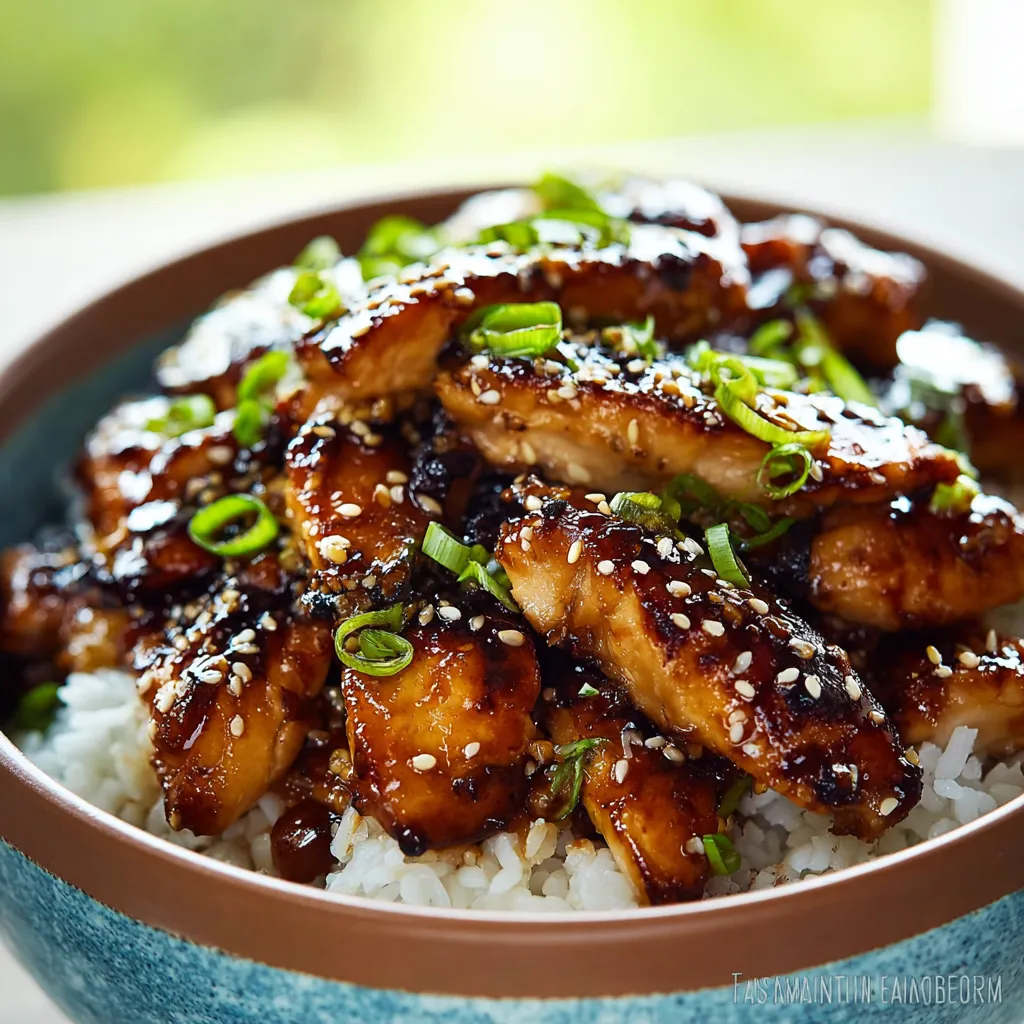 Here’s a recipe honed over years of experimentation, designed to deliver consistently perfect Teriyaki Chicken:
Ingredients:
- 1.5 lbs boneless, skinless chicken thighs, cut into 1-inch pieces
For the Marinade:
- 1/4 cup soy sauce (low sodium recommended)
- 2 tablespoons sake (or dry sherry)
- 2 tablespoons mirin (or rice wine vinegar with 1 teaspoon sugar)
- 1 tablespoon grated ginger
- 2 cloves garlic, minced
For the Teriyaki Sauce:
- 1/2 cup soy sauce (low sodium recommended)
- 1/4 cup sugar (brown sugar preferred for richer flavor)
- 1/4 cup sake (or dry sherry)
- 1/4 cup mirin (or rice wine vinegar with 2 teaspoons sugar)
- 1 tablespoon cornstarch, dissolved in 2 tablespoons cold water
- 1 teaspoon sesame oil
- Optional: 1/4 teaspoon red pepper flakes (for a touch of heat)
Instructions:
- Marinate the Chicken: In a bowl, combine the chicken pieces with the marinade ingredients. Toss well to coat. Cover and refrigerate for at least 30 minutes, or up to 4 hours. The longer it marinates, the more flavorful the chicken will be.
- Prepare the Sauce: In a saucepan, whisk together the soy sauce, sugar, sake, and mirin. Bring to a simmer over medium heat.
- Cook the Chicken: Heat a large skillet or wok over medium-high heat. Remove the chicken from the marinade (discard the marinade) and add it to the skillet in a single layer. If necessary, cook in batches to avoid overcrowding. Cook for about 5-7 minutes per side, or until the chicken is cooked through and lightly browned.
- Thicken the Sauce: Pour the teriyaki sauce into the skillet with the chicken. Bring to a simmer, then slowly drizzle in the cornstarch slurry (cornstarch mixed with water) while stirring constantly. Cook for 1-2 minutes, or until the sauce has thickened and is glossy. Stir in the sesame oil and red pepper flakes (if using).
- Serve: Garnish with sesame seeds and chopped green onions. Serve over rice or noodles.
My Teriyaki Chicken Trials: A Culinary Investigation
My journey to Teriyaki Chicken perfection was paved with sticky pans, overly sweet sauces, and chicken that was either dry or undercooked. My first few attempts were a disaster. I simply threw ingredients together, hoping for the best, but the result was always disappointing. Then, I had an “Aha!” moment when I started to understand the science behind the sauce and the importance of proper cooking techniques.The Great Marinade Mishap
Like many of you, I initially thought a longer marinade time was always better. I marinated chicken for 24 hours once, thinking it would be incredibly flavorful. Instead, the chicken became mushy due to the acidity of the soy sauce breaking down the proteins excessively. I learned that while marinating is crucial, it’s possible to overdo it. A sweet spot of 30 minutes to 4 hours yields the best results – enough time for the flavors to penetrate without compromising the chicken’s texture. I also experimented with different liquids. For example, the use of sake or even dry sherry, compared to a low-quality cooking wine, makes a massive difference. It adds a delicate fruity note that complements the soy sauce and sugar perfectly.The Sugar Struggle
Ah, the sugar! It was my nemesis for a while. I tried honey, maple syrup, and various types of sugar (granulated, brown, coconut). While honey and maple syrup added a unique flavor, they were sometimes too overpowering and masked the other components of the Teriyaki. Granulated sugar worked, but brown sugar provided a depth and warmth that I found irresistible. The molasses in brown sugar adds a subtle caramel note that elevates the entire dish. I even tried using too much sugar once which resulted in something close to Honey Garlic Chicken, and it was still delicious, just not teriyaki.The Thickening Conundrum
The sauce thickness was another challenge. Initially, I tried to thicken the sauce by simply reducing it over heat. However, this often resulted in a sauce that was either too thin or too thick and sticky. The cornstarch slurry was the answer. The key is to mix the cornstarch with cold water *before* adding it to the sauce. This prevents clumping and ensures a smooth, glossy finish. Adding it slowly while stirring constantly is also essential to avoid a gloppy mess. I also learned that quality ingredients matter. Using low-sodium soy sauce prevents the sauce from becoming overly salty, allowing the other flavors to shine through.The Chicken Cooking Crisis
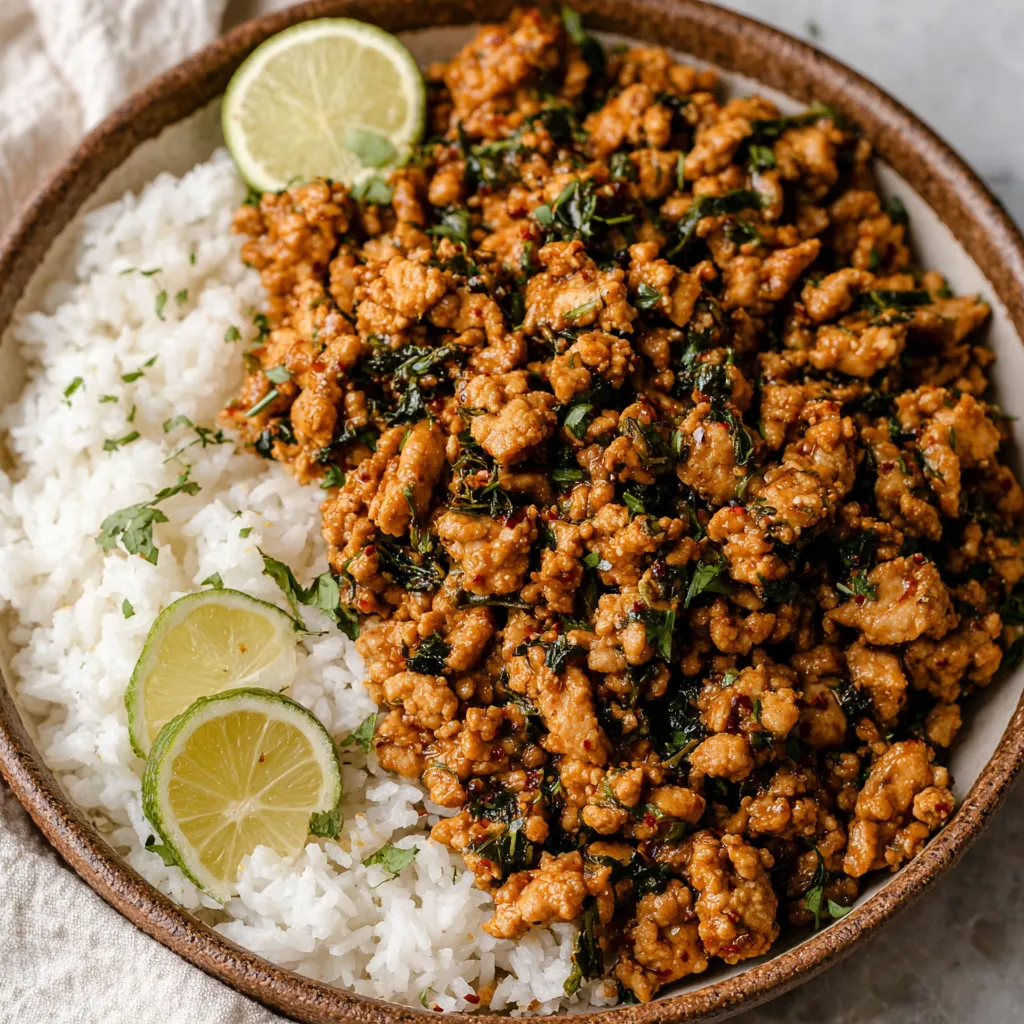
Cooking the chicken properly was the final hurdle. I started by baking, which resulted in dry, rubbery chicken. Then I tried stir-frying, which was better, but the chicken often lacked color. Finally, I discovered that searing the chicken in a hot skillet before adding the sauce was the key. This creates a beautiful Maillard reaction, browning the chicken and adding a layer of flavor that baking and stir-frying simply couldn’t achieve. Also, cutting the chicken into uniform pieces ensures it cooks evenly. I was inspired by a recipe that was similar to Teriyaki Ground Chicken Bowls but I didn’t want ground chicken. I wanted bite size pieces.The Foolproof Teriyaki Technique: A Step-by-Step Guide
After countless trials and errors, I’ve distilled the process into a simple, foolproof technique:- Marinate Wisely: Marinate the chicken for 30 minutes to 4 hours in a mixture of soy sauce, sake, mirin, ginger, and garlic.
- Prepare the Sauce: Whisk together soy sauce, sugar (brown sugar preferred), sake, and mirin in a saucepan.
- Sear the Chicken: Sear the chicken in a hot skillet until browned on all sides. Cook in batches to avoid overcrowding the pan.
- Thicken the Sauce Perfectly: Pour the sauce over the chicken, bring to a simmer, and thicken with a cornstarch slurry (cornstarch mixed with cold water).
- Garnish and Serve: Garnish with sesame seeds and chopped green onions. Serve over rice or noodles.
What is the ideal marinating time for the chicken, and why?
The ideal marinating time is between 30 minutes and 4 hours. Marinating for too long can make the chicken mushy due to the acidity of the soy sauce breaking down the proteins excessively. This sweet spot allows the flavors to penetrate without compromising the chicken’s texture.
Why is a cornstarch slurry used to thicken the Teriyaki sauce instead of just reducing it over heat?
Using a cornstarch slurry prevents the sauce from becoming either too thin or too thick and sticky, which can happen when simply reducing it over heat. The cornstarch slurry, when mixed with cold water beforehand, ensures a smooth, glossy finish without clumping.
What type of sugar is recommended for the Teriyaki sauce, and why?
Brown sugar is preferred for the Teriyaki sauce because the molasses in brown sugar adds a subtle caramel note that elevates the entire dish, providing a depth and warmth that granulated sugar lacks.
Why is it important to sear the chicken before adding the sauce?
Searing the chicken in a hot skillet before adding the sauce creates a beautiful Maillard reaction, browning the chicken and adding a layer of flavor that baking or stir-frying alone cannot achieve. This enhances the overall taste and texture of the dish.
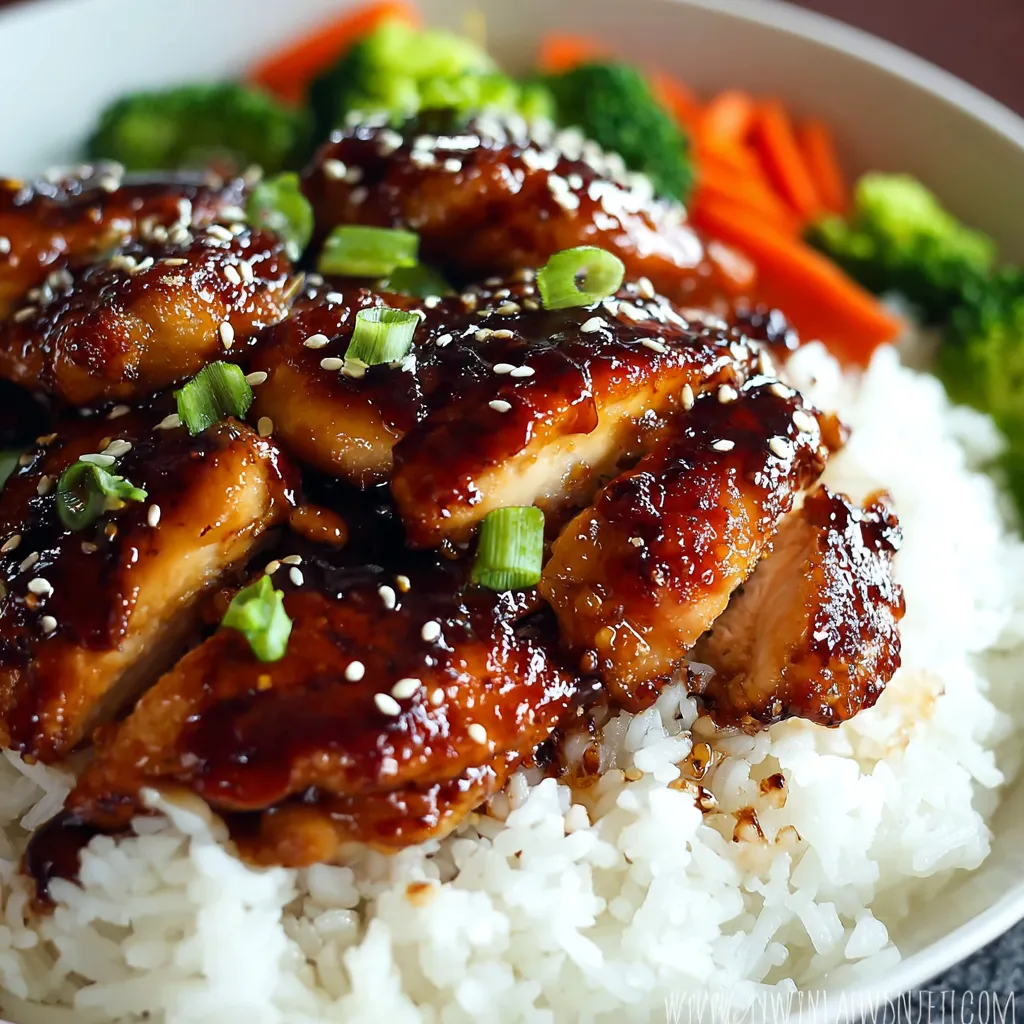
Easy Teriyaki Chicken
Ingredients
Equipment
Method
- Marinate the Chicken: In a bowl, combine the chicken pieces with the marinade ingredients. Toss well to coat. Cover and refrigerate for at least 30 minutes, or up to 4 hours.
- Prepare the Sauce: In a saucepan, whisk together the soy sauce, sugar, sake, and mirin. Bring to a simmer over medium heat.
- Cook the Chicken: Heat a large skillet or wok over medium-high heat. Remove the chicken from the marinade (discard the marinade) and add it to the skillet in a single layer. If necessary, cook in batches to avoid overcrowding. Cook for about 5-7 minutes per side, or until the chicken is cooked through and lightly browned.
- Thicken the Sauce: Pour the teriyaki sauce into the skillet with the chicken. Bring to a simmer, then slowly drizzle in the cornstarch slurry (cornstarch mixed with water) while stirring constantly. Cook for 1-2 minutes, or until the sauce has thickened and is glossy. Stir in the sesame oil and red pepper flakes (if using).
- Serve: Garnish with sesame seeds and chopped green onions. Serve over rice or noodles.