
Unlocking the Secrets: The Science of Southeast Asian Soup
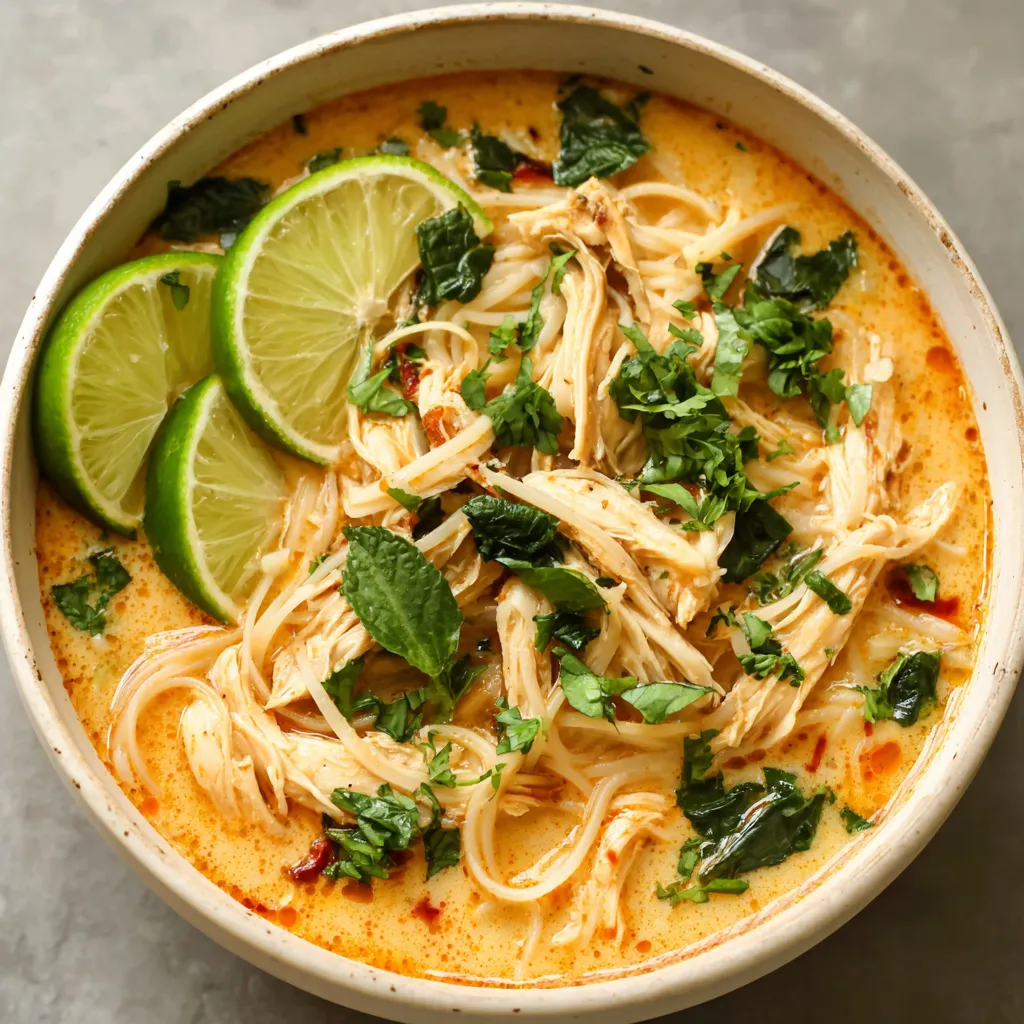 The magic of Thai Chicken Soup, often referred to as Tom Kha Gai, lies in the interplay of key ingredients that create a symphony of flavors. Unlike, say, a Rotisserie Chicken Mushroom Soup where earthiness is key, this soup leans heavily on aromatics and acidity.
- Galangal vs. Ginger: This is where many recipes go wrong. Galangal, a rhizome similar to ginger, has a citrusy, pine-like aroma distinct from ginger’s pungent heat. Substituting ginger will alter the soup’s flavor profile significantly. Galangal contains volatile compounds like galangol and cineole, which contribute to its unique fragrance. Ginger, on the other hand, has higher levels of gingerol, producing a spicier taste.
- Lemongrass: The lower, bulbous part of the lemongrass stalk is where the flavor is concentrated. Bruising the lemongrass releases its essential oils, enhancing its citrusy aroma. These oils contain citral, a compound responsible for the characteristic lemony scent.
- Kaffir Lime Leaves: These leaves impart a distinct citrusy aroma and a slightly bitter note. Tearing or bruising them releases the oils within the leaves, intensifying their flavor. The key aromatic compounds in kaffir lime leaves are citronellal and limonene.
- Coconut Milk: Full-fat coconut milk is crucial for richness and body. The fat content emulsifies with the broth, creating a creamy texture and carrying the flavors of the other ingredients. The type of fat present, primarily saturated fat, contributes to the overall mouthfeel.
- Fish Sauce: Don’t be afraid! Fish sauce provides umami, adding a savory depth that elevates the soup. It contains glutamates, naturally occurring amino acids that enhance the perception of savory flavors.
- Lime Juice: Fresh lime juice adds brightness and acidity, balancing the richness of the coconut milk and the savory notes of the fish sauce. The citric acid present in lime juice is responsible for its tartness.
- Chili Peppers: The heat level is adjustable, but chili peppers are essential for that characteristic Thai kick. Capsaicin, the compound responsible for the heat, stimulates pain receptors in the mouth, creating the sensation of spiciness.
The Ultimate Thai Chicken Soup Recipe
This recipe is the culmination of my experiments, designed for both flavor and ease.Ingredients:
- 1 tablespoon coconut oil
- 1 pound boneless, skinless chicken thighs, cut into bite-sized pieces
- 4 cups chicken broth
- 1 (13.5 ounce) can full-fat coconut milk
- 4 slices galangal
- 2 stalks lemongrass, bruised
- 4 kaffir lime leaves, torn
- 2-3 red Thai chili peppers, sliced (adjust to taste)
- 2 tablespoons fish sauce
- 1 tablespoon lime juice, plus more to taste
- 1 cup sliced mushrooms (shiitake or oyster mushrooms work well)
- 1/2 cup cherry tomatoes, halved
- 1/4 cup chopped cilantro, for garnish
Instructions:
- Heat coconut oil in a large pot or Dutch oven over medium heat. Add chicken and cook until browned on all sides.
- Add chicken broth, coconut milk, galangal, lemongrass, kaffir lime leaves, and chili peppers to the pot. Bring to a simmer.
- Reduce heat to low, cover, and simmer for 15 minutes, or until chicken is cooked through.
- Stir in fish sauce, lime juice, mushrooms, and cherry tomatoes. Simmer for another 5 minutes, or until mushrooms are tender.
- Remove galangal, lemongrass, and kaffir lime leaves before serving.
- Garnish with cilantro and serve hot. Add additional lime juice to taste.
The Investigation: My Quest for Soup Perfection
My journey to creating the perfect Thai Chicken Soup was far from smooth. My first few attempts were a disaster, resulting in bland, unbalanced soups that lacked the authentic Thai flavor I was craving. Like many of you, I initially thought that simply throwing ingredients together would suffice. I was wrong.Phase 1: The Ginger Debacle
My initial recipes substituted ginger for galangal. I thought, “They’re both rhizomes, right? How different could they be?” Very different, as it turned out. The soup tasted overwhelmingly of ginger, lacking that subtle citrusy-pine undertone that is characteristic of true Tom Kha Gai. It was more akin to a Slow Cooker Lemon Chicken broth, but with a spicy bite. This highlighted the fact that in Thai cuisine, the aromatic balance is incredibly important.Phase 2: The Fish Sauce Fear
I was hesitant to use fish sauce at first. The smell was… intense. I tried substituting soy sauce, but the result was flat and uninspired. Then, I had an “Aha!” moment when I finally succumbed and added fish sauce. It was like a missing puzzle piece snapped into place. The umami deepened the flavor profile, creating a complexity that was previously absent. It wasn’t overpowering, but it added a savory depth that transformed the soup.Phase 3: The Coconut Milk Conundrum
I experimented with different types of coconut milk: light, reduced-fat, and full-fat. The difference was astounding. Light coconut milk resulted in a thin, watery soup that lacked richness. Full-fat coconut milk, on the other hand, created a creamy, luxurious texture that perfectly complemented the other flavors. It’s a non-negotiable ingredient for achieving that authentic Tom Kha Gai experience. Trying to skimp on this component is like making Butter Chicken with skim milk, the final result will be seriously lacking.Phase 4: The Chili Calibration
Finding the right level of spiciness was tricky. I started with too many chilies, creating a soup that was almost inedible. Then, I went too mild, resulting in a soup that lacked that characteristic Thai kick. Eventually, I found that 2-3 red Thai chilies, thinly sliced, provided the perfect balance of heat. This is, of course, entirely adjustable to your preference. You could also add a drizzle of chili oil at the end for an extra layer of flavor and heat.The Foolproof Technique: Mastering Thai Chicken Soup
Here’s a simplified method to ensure perfect Thai Chicken Soup every time:- Prioritize Aromatics: Use galangal, lemongrass, and kaffir lime leaves. Don’t substitute.
- Bruise the Botanicals: Bruise the lemongrass and tear the kaffir lime leaves to release their essential oils.
- Don’t Fear the Fish Sauce: Start with a small amount and adjust to taste. It’s essential for umami.
- Embrace Full-Fat Coconut Milk: It’s the key to a creamy, luxurious texture.
- Adjust the Heat: Start with a small amount of chili peppers and add more to taste.
- Balance the Flavors: Taste and adjust the lime juice and fish sauce until you achieve that perfect sweet, sour, salty, and spicy balance.
Why is galangal preferred over ginger in Thai Chicken Soup (Tom Kha Gai)?
Galangal has a citrusy, pine-like aroma that is distinct from ginger’s pungent heat. Substituting ginger will significantly alter the soup’s flavor profile, making it taste more like a ginger soup than authentic Tom Kha Gai.
Why is full-fat coconut milk important for this soup recipe?
Full-fat coconut milk is crucial for richness and body. Its fat content emulsifies with the broth, creating a creamy texture and carrying the flavors of the other ingredients, resulting in a more luxurious and authentic soup.
How can I adjust the level of spiciness in the Thai Chicken Soup?
You can adjust the spiciness by controlling the amount of chili peppers you add. The recipe suggests 2-3 red Thai chili peppers, sliced, but you can add more or less depending on your preference. A drizzle of chili oil at the end can also add extra heat.
What is the purpose of bruising the lemongrass and tearing the kaffir lime leaves?
Bruising the lemongrass and tearing the kaffir lime leaves releases their essential oils, which intensifies their citrusy aroma and flavor in the soup.
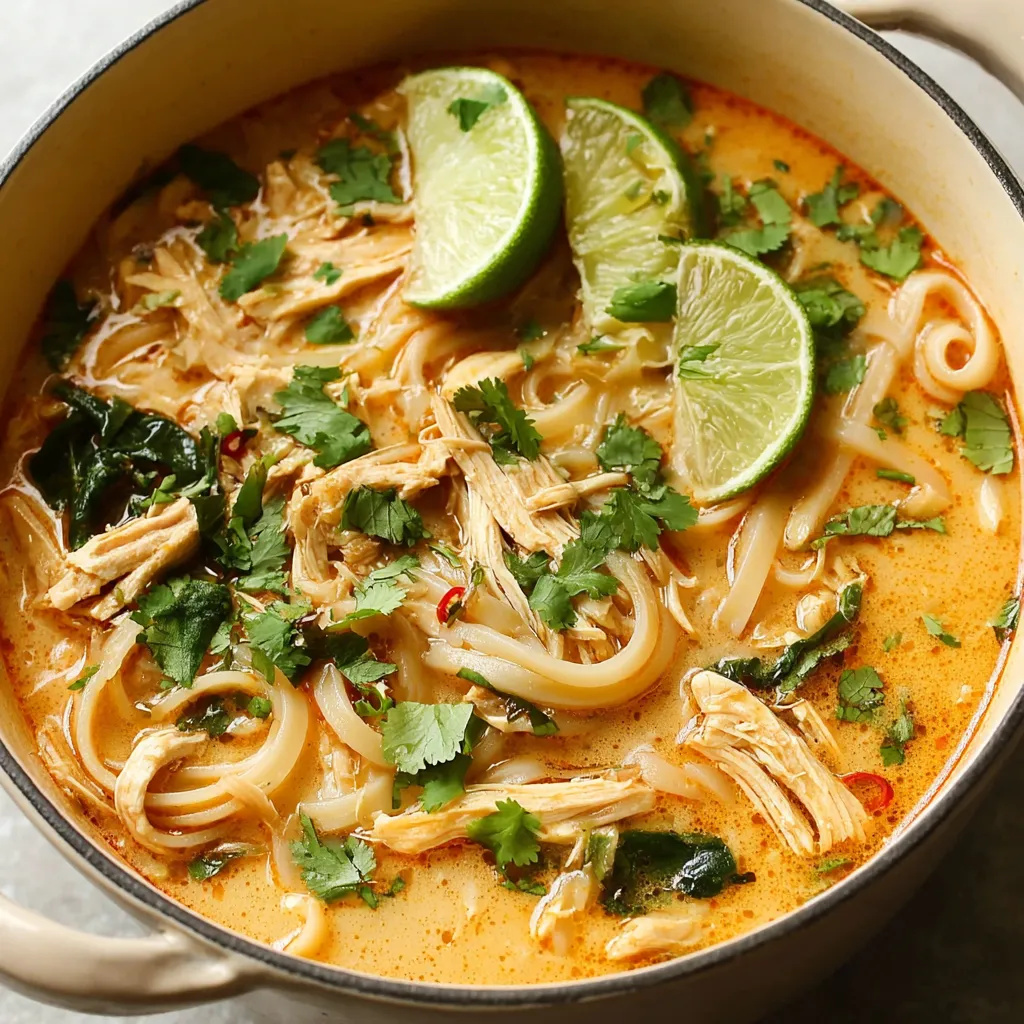
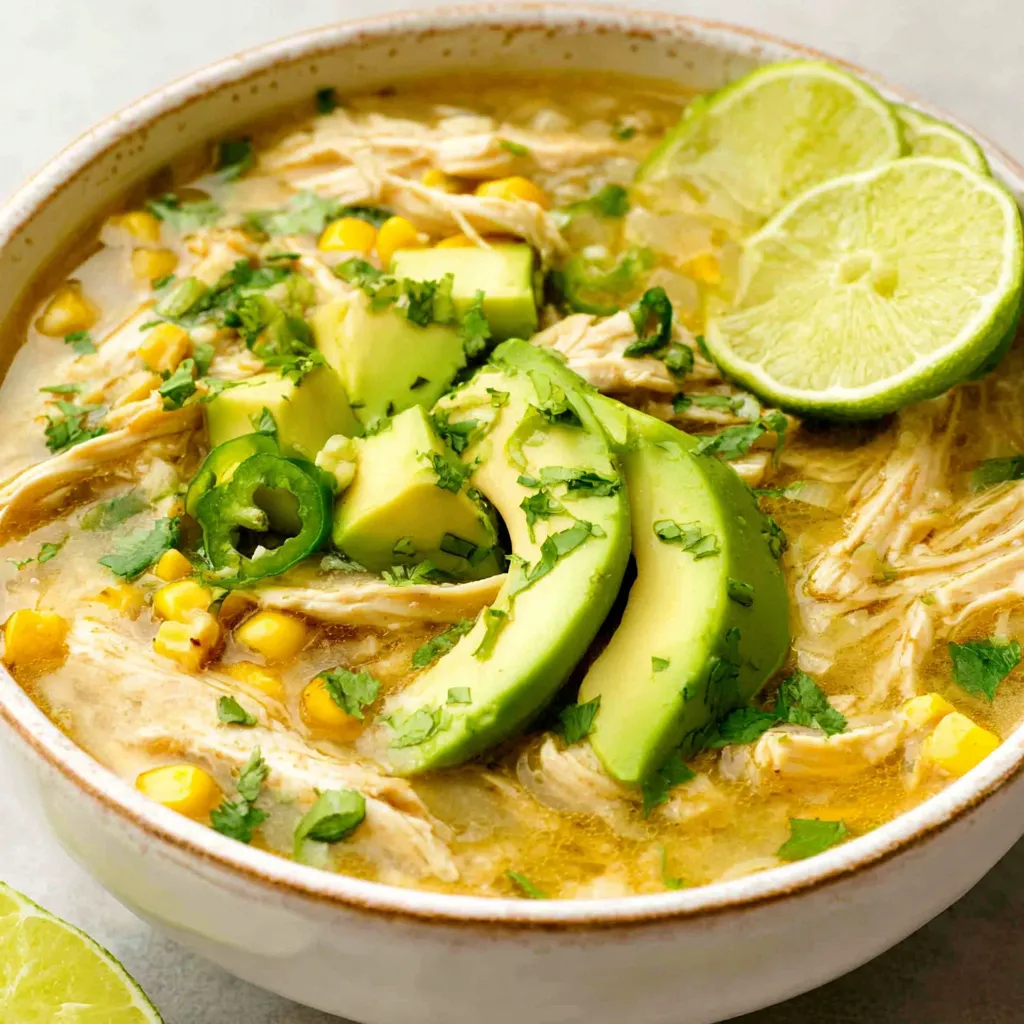
Easy Thai Chicken Soup (Tom Kha Gai)
Ingredients
Equipment
Method
- Heat coconut oil in a large pot or Dutch oven over medium heat. Add chicken and cook until browned on all sides.
- Add chicken broth, coconut milk, galangal, lemongrass, kaffir lime leaves, and chili peppers to the pot. Bring to a simmer.
- Reduce heat to low, cover, and simmer for 15 minutes, or until chicken is cooked through.
- Stir in fish sauce, lime juice, mushrooms, and cherry tomatoes. Simmer for another 5 minutes, or until mushrooms are tender.
- Remove galangal, lemongrass, and kaffir lime leaves before serving.
- Garnish with cilantro and serve hot. Add additional lime juice to taste.