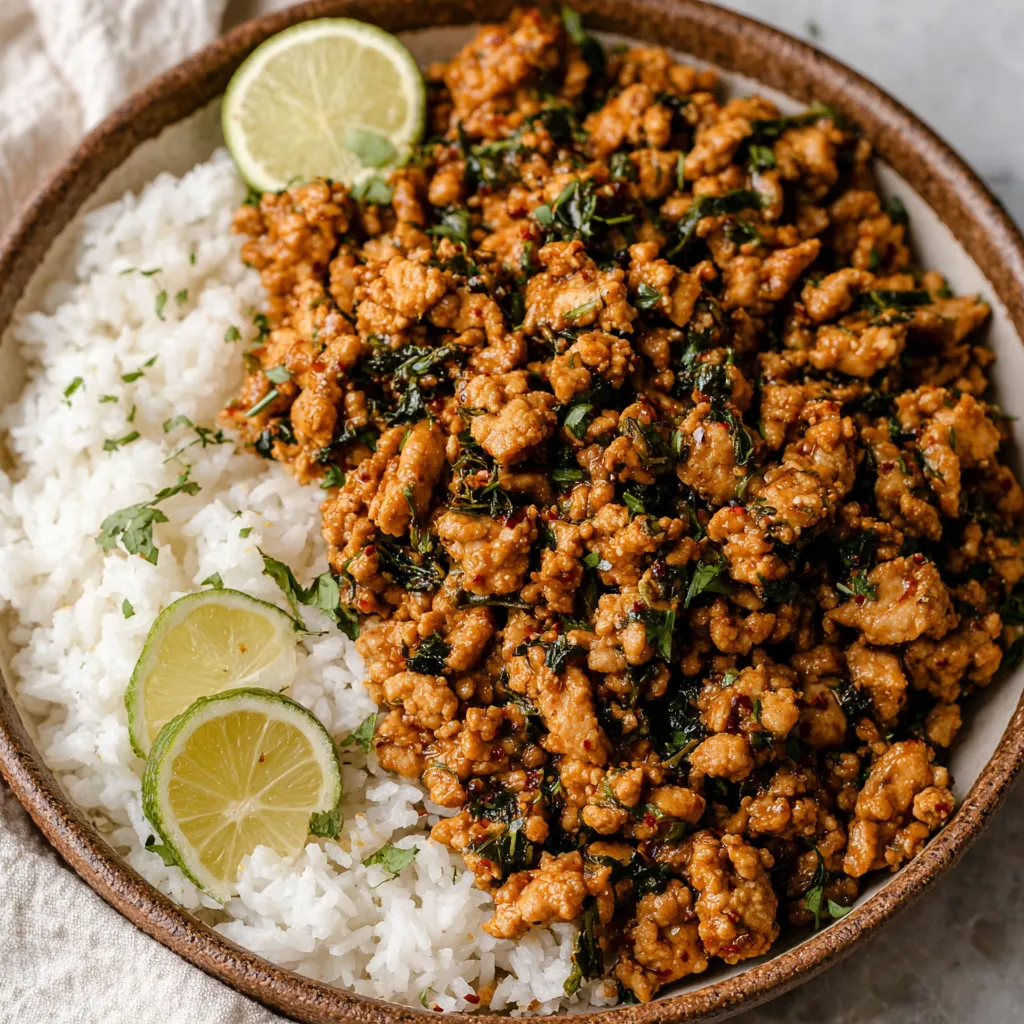

Unlocking the Secrets: The Science Behind Juicy Turkey
The key to understanding turkey breast lies in its composition. Turkey breast is predominantly lean muscle, which means it’s low in fat and high in protein. When heated, these proteins coagulate and expel moisture. The hotter the temperature and the longer the cooking time, the more moisture is lost, resulting in a dry, tough texture. Furthermore, the lack of fat means there’s little natural lubrication to keep the meat moist during cooking. To combat this, we need to focus on two primary strategies:- Minimizing Moisture Loss: This involves using techniques that create a barrier to prevent water evaporation and cooking the turkey to the correct internal temperature.
- Enhancing Moisture Content: This means introducing additional moisture into the meat before or during cooking through brining, injecting, or basting.
The Ultimate Turkey Breast with Cranberry Recipe
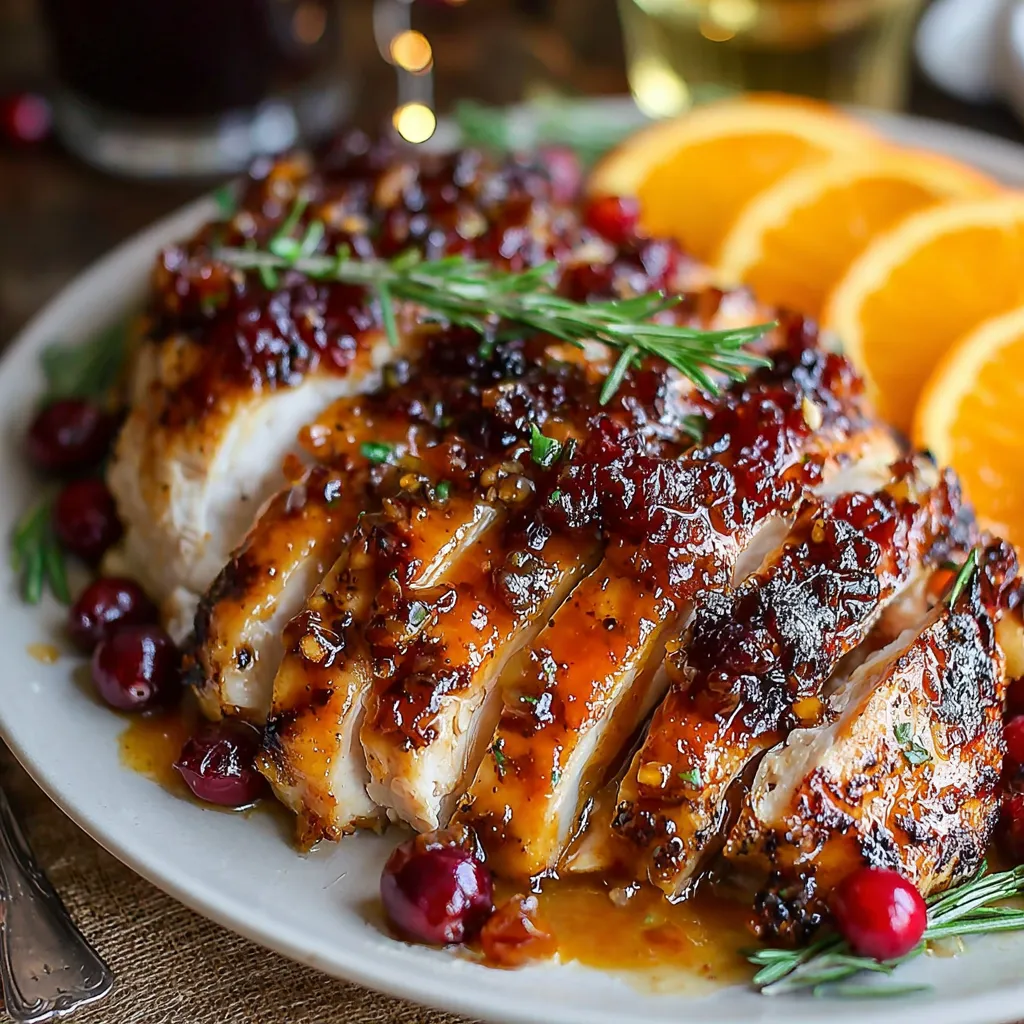
Ingredients:
- 1 (6-8 pound) boneless turkey breast roast
- 1 tablespoon olive oil
- 1 teaspoon salt
- 1/2 teaspoon black pepper
- 1/2 teaspoon garlic powder
- 1/4 teaspoon paprika
- 1/4 teaspoon dried thyme
Cranberry Sauce:
- 1 (12-ounce) package fresh or frozen cranberries
- 1 cup water
- 3/4 cup granulated sugar
- 1/4 cup orange juice
- 1 teaspoon orange zest
Instructions:
- Prepare the Turkey: Pat the turkey breast dry with paper towels. This is crucial for achieving a good sear.
- Season the Turkey: In a small bowl, combine olive oil, salt, pepper, garlic powder, paprika, and thyme. Rub the mixture evenly over the entire turkey breast.
- Sear the Turkey (Optional but Recommended): Heat a large oven-safe skillet over medium-high heat. Sear the turkey breast on all sides until golden brown, about 3-4 minutes per side. This step adds flavor and helps to seal in moisture.
- Roast the Turkey: Preheat the oven to 325°F (160°C). Place the seared turkey breast in the skillet (or a roasting pan). If you didn’t sear, simply place the seasoned turkey breast in a roasting pan.
- Cook Time: Roast for approximately 20-25 minutes per pound, or until the internal temperature reaches 165°F (74°C) in the thickest part of the breast. Use a meat thermometer to ensure accuracy.
- Prepare Cranberry Sauce (While Turkey Roasts): In a medium saucepan, combine cranberries, water, sugar, orange juice, and orange zest. Bring to a boil over medium heat, then reduce heat and simmer for 10-15 minutes, or until the cranberries have burst and the sauce has thickened to your desired consistency.
- Rest the Turkey: Once the turkey reaches 165°F (74°C), remove it from the oven and let it rest for at least 15-20 minutes before carving. This allows the juices to redistribute throughout the meat, resulting in a more tender and flavorful result. Tent loosely with foil to keep warm.
- Carve and Serve: Carve the turkey breast against the grain and serve with the cranberry sauce.
My Quest for the Perfect Turkey: A Culinary Investigation
The Initial Dry Spell: Early Failures
My first few attempts were a disaster. I followed recipes that called for high oven temperatures and long cooking times, resulting in turkey that was so dry it could have been used as kindling. Like many of you, I initially thought that the key was simply adding more butter. I slathered that bird in butter like there was no tomorrow! I even tried putting butter *under* the skin. The results were only marginally better. The outside was nicely browned, but the inside was still disappointingly dry.The Brining Breakthrough: A Salty Revelation
Then, I had an “Aha!” moment when I stumbled upon the concept of brining. The idea of soaking the turkey in a saltwater solution seemed counterintuitive – wouldn’t that just draw out more moisture? But I decided to give it a try. The difference was remarkable! The brined turkey was noticeably more moist and flavorful. I experimented with different brining solutions, adding herbs, spices, and even brown sugar to the mix. I also found that brining made the turkey more forgiving, allowing for a slightly wider margin of error in cooking time.The Sear Factor: Unlocking Flavor
While brining significantly improved the moisture content, the turkey still lacked a certain depth of flavor. That’s when I started experimenting with searing the turkey breast before roasting it. Searing creates a beautiful brown crust and adds a layer of caramelized flavor that elevates the entire dish. I found that searing the turkey in a hot skillet before transferring it to the oven made a huge difference in the overall taste and texture. The Spicy Ground Turkey And Peppers recipe taught me that a good sear makes a world of difference!Temperature Triumphs: Mastering the Meat Thermometer
Finally, I realized the importance of using a meat thermometer. Eye-balling the “doneness” of turkey is a recipe for disaster. A meat thermometer is the only way to ensure that the turkey is cooked to the perfect internal temperature of 165°F (74°C). Overcooking the turkey by even a few degrees can result in significant moisture loss. I use an instant-read thermometer and check the temperature in multiple spots to ensure consistent cooking. Just like in the Ground Turkey Potato Skillet recipe, temperature control is key! This is important for ground turkey too. You have to make sure it hits the right temp for safe consumption.The Foolproof Method: Your Turkey Breast Success Checklist
Here’s a summary of the technique that will help you achieve perfectly cooked, juicy turkey breast every time:- Brine the Turkey (Optional but Highly Recommended): Submerge the turkey breast in a brine solution for at least 4 hours, or preferably overnight.
- Pat the Turkey Dry: Remove the turkey from the brine and pat it thoroughly dry with paper towels.
- Season Generously: Rub the turkey breast with a mixture of olive oil, salt, pepper, and your favorite herbs and spices.
- Sear the Turkey (Optional but Recommended): Sear the turkey breast on all sides in a hot skillet until golden brown.
- Roast at Low Temperature: Preheat the oven to 325°F (160°C) and roast the turkey until the internal temperature reaches 165°F (74°C).
- Use a Meat Thermometer: Check the internal temperature frequently with a meat thermometer.
- Rest Before Carving: Let the turkey rest for at least 15-20 minutes before carving to allow the juices to redistribute.
Why does turkey breast often come out dry?
Turkey breast is very lean, being low in fat and high in protein. When heated, these proteins coagulate and expel moisture, leading to dryness, especially with high temperatures and long cooking times.
What is the ideal internal temperature for cooked turkey breast?
The ideal internal temperature for cooked turkey breast is 165°F (74°C). Use a meat thermometer to ensure accuracy and avoid overcooking.
Is searing the turkey breast really necessary?
Searing the turkey breast is optional, but highly recommended. It creates a beautiful brown crust and adds a layer of caramelized flavor that elevates the entire dish and helps to seal in moisture.
How long should I let the turkey breast rest after cooking?
Let the turkey breast rest for at least 15-20 minutes before carving. This allows the juices to redistribute throughout the meat, resulting in a more tender and flavorful result.
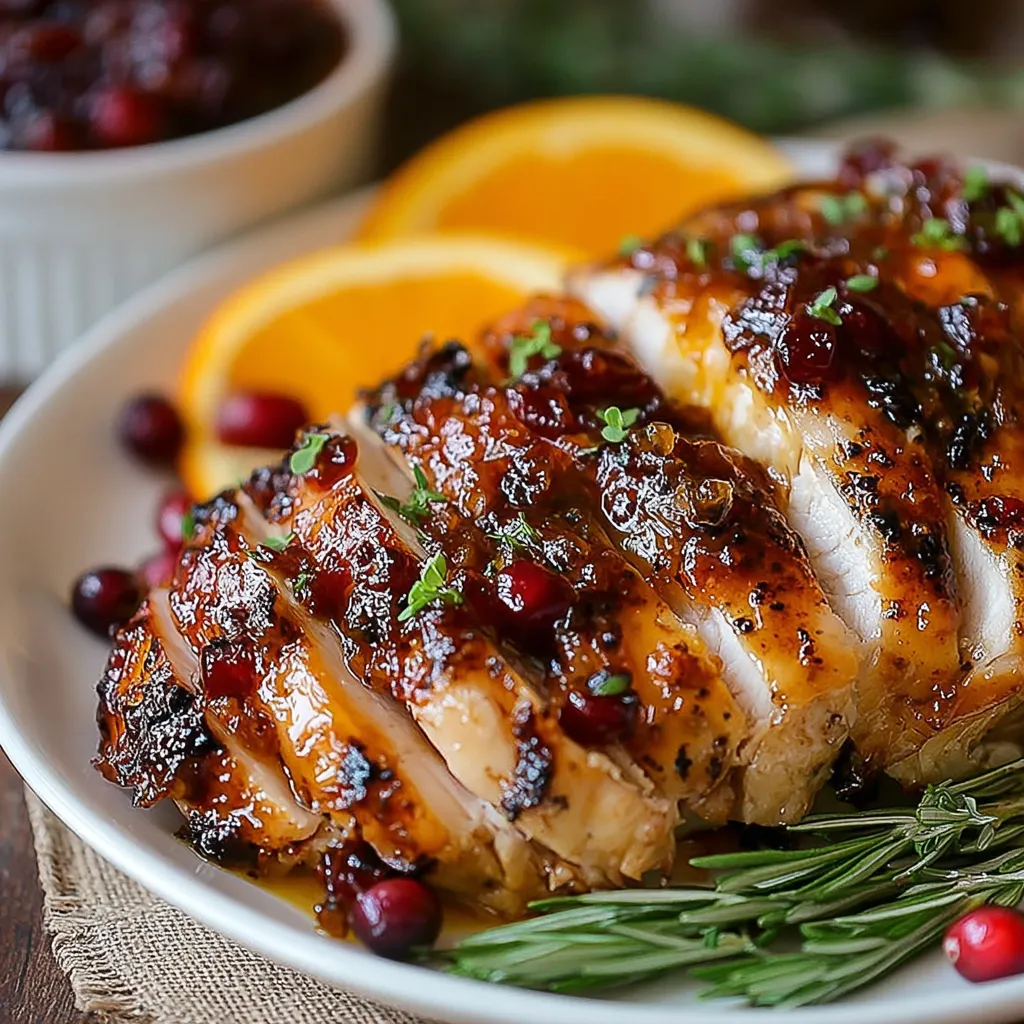
Easy Turkey Breast with Cranberry Sauce
This recipe delivers a juicy and flavorful turkey breast, perfect for a holiday meal or a simple weeknight dinner. The cranberry sauce adds a sweet and tangy complement to the savory turkey, creating a well-balanced and delicious dish.
Ingredients
Equipment
Method
- Prepare the Turkey: Pat the turkey breast dry with paper towels.
- Season the Turkey: In a small bowl, combine olive oil, salt, pepper, garlic powder, paprika, and thyme. Rub the mixture evenly over the entire turkey breast.
- Sear the Turkey (Optional but Recommended): Heat a large oven-safe skillet over medium-high heat. Sear the turkey breast on all sides until golden brown, about 3-4 minutes per side.
- Roast the Turkey: Preheat the oven to 325°F (160°C). Place the seared turkey breast in the skillet (or a roasting pan). If you didn’t sear, simply place the seasoned turkey breast in a roasting pan.
- Cook Time: Roast for approximately 20-25 minutes per pound, or until the internal temperature reaches 165°F (74°C) in the thickest part of the breast. Use a meat thermometer to ensure accuracy.
- Prepare Cranberry Sauce (While Turkey Roasts): In a medium saucepan, combine cranberries, water, sugar, orange juice, and orange zest. Bring to a boil over medium heat, then reduce heat and simmer for 10-15 minutes, or until the cranberries have burst and the sauce has thickened to your desired consistency.
- Rest the Turkey: Once the turkey reaches 165°F (74°C), remove it from the oven and let it rest for at least 15-20 minutes before carving. Tent loosely with foil to keep warm.
- Carve and Serve: Carve the turkey breast against the grain and serve with the cranberry sauce.
Notes
For extra juicy turkey, brine the turkey breast for at least 4 hours or overnight before cooking. Store leftover turkey and cranberry sauce in separate airtight containers in the refrigerator for up to 3 days. You can also add a bay leaf to the cranberry sauce for added depth of flavor.