
Unlocking the Alchemical Secrets: The Science Behind the Sauce
The magic of Garlic Parmesan Chicken Pasta hinges on the emulsification of fat and water, the Maillard reaction for flavor development, and the delicate balance of acidity. Let’s break it down. The creamy sauce we crave is an emulsion, a suspension of fat (butter, cream) in water (pasta water, chicken broth). Emulsions are inherently unstable; they want to separate. That’s why simply dumping cream into a pan with butter often results in a greasy, broken sauce. The key to stabilizing the emulsion is an emulsifier – in this case, the starch from the pasta water, the proteins in the parmesan cheese, and constant whisking. The Maillard reaction, that beautiful browning we see (and smell!) when cooking the chicken and garlic, is responsible for a vast array of complex flavors. It’s a chemical reaction between amino acids and reducing sugars, accelerated by heat. More browning equals more flavor, but burning results in bitterness. Finally, acidity is crucial for cutting through the richness of the cream and cheese. A squeeze of lemon juice or a splash of white wine vinegar brightens the dish and prevents it from becoming overly heavy. Without it, the pasta can feel overwhelmingly rich and one-dimensional.The Recipe: Garlic Parmesan Chicken Pasta Perfection
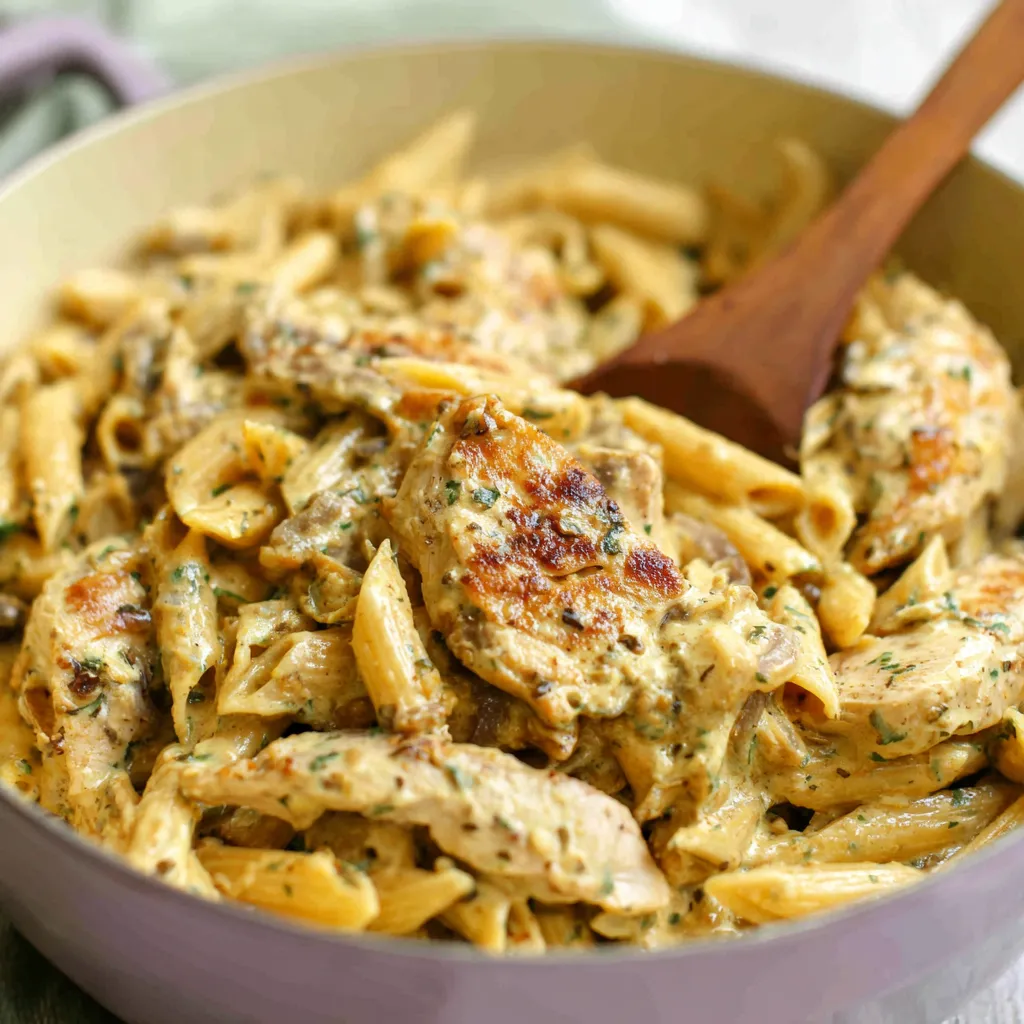
Ingredients:
- 1 pound boneless, skinless chicken breasts, cut into bite-sized pieces
- 1 pound pasta (fettuccine, linguine, or penne work well)
- 4 tablespoons butter, divided
- 4 cloves garlic, minced
- 1 cup heavy cream
- 1/2 cup grated Parmesan cheese, plus more for serving
- 1/4 cup reserved pasta water
- 2 tablespoons chopped fresh parsley
- 1 tablespoon olive oil
- 1/2 teaspoon salt, plus more to taste
- 1/4 teaspoon black pepper, plus more to taste
- Juice of 1/2 lemon
- Pinch of red pepper flakes (optional)
Instructions:
- Cook the pasta: Bring a large pot of salted water to a boil. Add the pasta and cook according to package directions until al dente. Reserve 1/2 cup of pasta water before draining.
- Prepare the chicken: While the pasta is cooking, heat the olive oil in a large skillet over medium-high heat. Season the chicken with salt and pepper. Add the chicken to the skillet and cook until browned and cooked through, about 5-7 minutes. Remove the chicken from the skillet and set aside.
- Make the sauce: Add 2 tablespoons of butter to the skillet and melt over medium heat. Add the minced garlic and cook until fragrant, about 1 minute, being careful not to burn it.
- Create the emulsion: Pour in the heavy cream and bring to a simmer. Reduce the heat to low and stir in the Parmesan cheese until melted and smooth.
- Combine and finish: Add the cooked pasta and chicken to the skillet with the sauce. Toss to coat. If the sauce is too thick, add a little of the reserved pasta water until it reaches your desired consistency. Stir in the remaining 2 tablespoons of butter, lemon juice, parsley, and red pepper flakes (if using). Season with salt and pepper to taste.
- Serve: Serve immediately, garnished with extra Parmesan cheese and fresh parsley.
The Investigation: My Quest for the Perfect Pasta
The Early Days: Pasta Disasters and Creamy Chaos
My first few attempts were a disaster. I treated it like any other pasta dish: boil pasta, cook chicken, dump cream, add cheese, and hope for the best. The result? A greasy, separated mess with bland chicken and gluey pasta. The sauce was either too thin and watery or thick and clumpy. It was a far cry from the creamy, dreamy pasta I envisioned. I knew there had to be a better way.The Pasta Water Revelation: Starch to the Rescue
Like many of you, I initially thought pasta water was just…water. Then, I stumbled upon a culinary article that emphasized its importance in creating creamy sauces. Eureka! The starch in the pasta water acts as a natural emulsifier, helping to bind the fat and water together. By adding a bit of this liquid gold to the sauce, I was able to create a much smoother and more stable emulsion. This was a game-changer.The Parmesan Predicament: Not All Cheese Is Created Equal
Next, I tackled the Parmesan cheese. I had been using pre-shredded Parmesan from the grocery store, but it wasn’t melting properly. It just formed little clumps in the sauce. I learned that pre-shredded cheese often contains cellulose, an anti-caking agent that prevents it from melting smoothly. Switching to freshly grated Parmesan cheese, straight from a block, made a world of difference. The cheese melted beautifully into the sauce, adding a nutty, savory flavor.The Browning Breakthrough: Unleashing the Maillard Magic
The chicken was another point of contention. It was always… just… there. Bland and boring. Then, I had an “Aha!” moment. I realized I wasn’t browning it properly. By searing the chicken in a hot pan with olive oil and letting it develop a golden-brown crust, I unlocked a whole new level of flavor through the Maillard reaction. Suddenly, the chicken was the star of the dish, not just an afterthought.The Acidity Adjustment: Zesty Zing
Finally, the sauce needed something… more. It was rich, yes, but it lacked brightness. A squeeze of lemon juice at the end transformed the dish. The acidity cut through the richness of the cream and cheese, adding a zesty zing that woke up the palate.The Technique: The Foolproof Path to Garlic Parmesan Chicken Pasta Nirvana
Here’s the definitive guide, born from trial and error:- Salt the Pasta Water Generously: This seasons the pasta from the inside out.
- Reserve Pasta Water: Before draining the pasta, save at least 1/2 cup of the starchy water.
- Sear the Chicken: Don’t overcrowd the pan! Sear the chicken in batches to ensure proper browning.
- Freshly Grate the Parmesan: Pre-shredded cheese contains cellulose, which hinders melting.
- Don’t Burn the Garlic: Burnt garlic is bitter garlic. Cook it gently until fragrant.
- Build the Emulsion Gradually: Add the Parmesan cheese slowly, whisking constantly to create a smooth and stable sauce.
- Adjust the Sauce Consistency: Use the reserved pasta water to thin the sauce if needed.
- Finish with Acidity: A squeeze of lemon juice or a splash of white wine vinegar brightens the dish and balances the richness.
- Taste and Season: Always taste and adjust the seasoning before serving.
- Serve Immediately: This dish is best enjoyed fresh.
Why is pasta water important for making the Garlic Parmesan Chicken Pasta?
The starch in the pasta water acts as a natural emulsifier, helping to bind the fat and water together, creating a smoother and more stable sauce.
Why does the recipe recommend freshly grated Parmesan cheese instead of pre-shredded?
Pre-shredded Parmesan cheese often contains cellulose, an anti-caking agent that prevents it from melting smoothly into the sauce. Freshly grated Parmesan melts better and adds a richer flavor.
What is the purpose of adding lemon juice to the Garlic Parmesan Chicken Pasta?
The lemon juice provides acidity, which cuts through the richness of the cream and cheese, brightening the dish and preventing it from being overwhelmingly heavy.
How can I prevent the garlic from burning when making the sauce?
Cook the minced garlic gently over medium heat until fragrant, about 1 minute, being careful not to overcook or burn it.
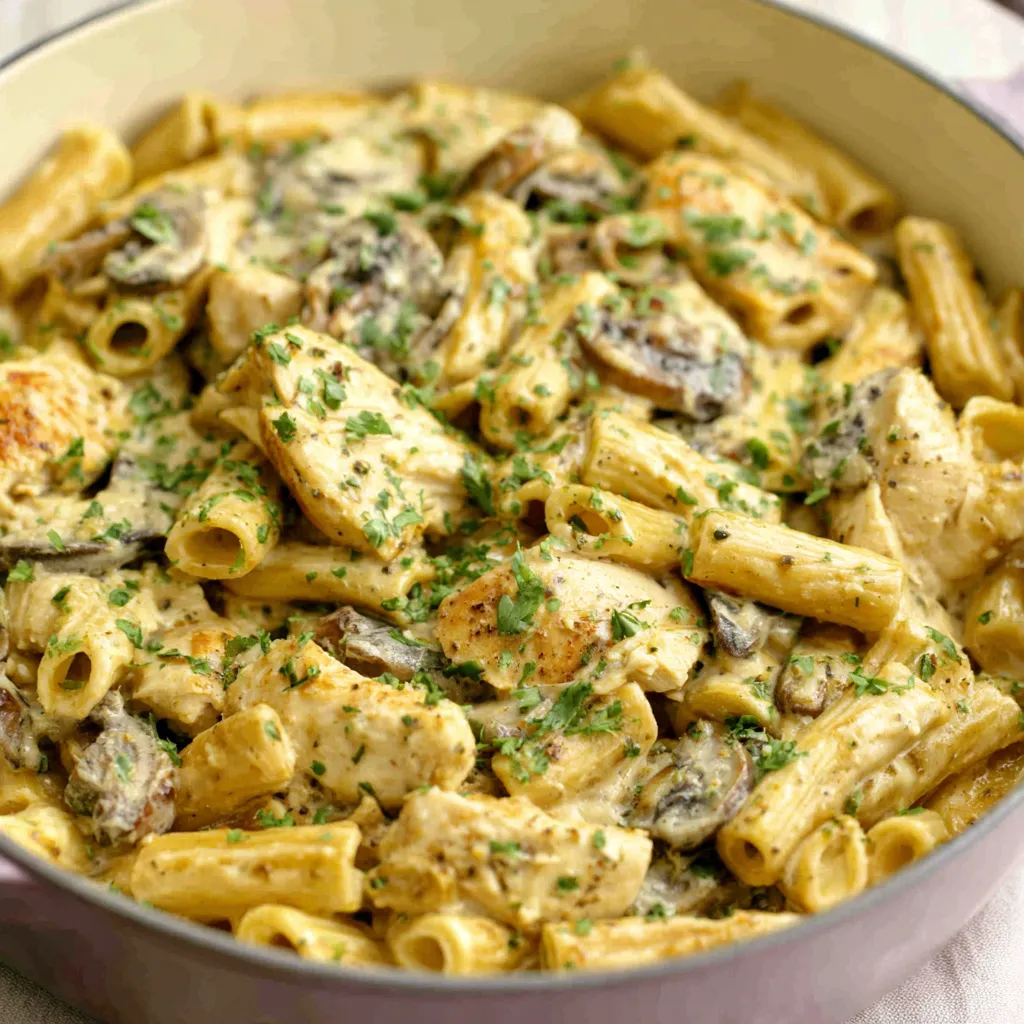
Garlic Parmesan Chicken Pasta
This creamy and flavorful Garlic Parmesan Chicken Pasta is an easy-to-make dish that’s perfect for a weeknight meal. The secret to its success lies in using reserved pasta water to create a smooth and emulsified sauce, and searing the chicken for maximum flavor.
Ingredients
Equipment
Method
- Cook the pasta: Bring a large pot of salted water to a boil. Add the pasta and cook according to package directions until al dente. Reserve 1/2 cup of pasta water before draining.
- Prepare the chicken: While the pasta is cooking, heat the olive oil in a large skillet over medium-high heat. Season the chicken with salt and pepper. Add the chicken to the skillet and cook until browned and cooked through, about 5-7 minutes. Remove the chicken from the skillet and set aside.
- Make the sauce: Add 2 tablespoons of butter to the skillet and melt over medium heat. Add the minced garlic and cook until fragrant, about 1 minute, being careful not to burn it.
- Create the emulsion: Pour in the heavy cream and bring to a simmer. Reduce the heat to low and stir in the Parmesan cheese until melted and smooth.
- Combine and finish: Add the cooked pasta and chicken to the skillet with the sauce. Toss to coat. If the sauce is too thick, add a little of the reserved pasta water until it reaches your desired consistency. Stir in the remaining 2 tablespoons of butter, lemon juice, parsley, and red pepper flakes (if using). Season with salt and pepper to taste.
- Serve: Serve immediately, garnished with extra Parmesan cheese and fresh parsley.
Notes
For a richer flavor, use freshly grated Parmesan cheese instead of pre-shredded. Don’t overcook the garlic, as it can become bitter. Adjust the amount of pasta water to achieve your desired sauce consistency. Leftovers can be stored in the refrigerator for up to 3 days. Reheat gently on the stovetop or in the microwave. For a vegetarian option, omit the chicken and add sautéed vegetables like mushrooms or spinach.