
Deciphering the Cajun Code: The Science Behind the Sizzle
At its heart, Cajun cuisine is a symphony of flavors built on the holy trinity of onion, bell pepper, and celery. This aromatic base, combined with a carefully selected blend of spices, is what gives Cajun food its signature kick. The key to a successful Cajun Chicken Pasta lies in understanding how these elements interact, and how heat affects their flavor profiles. For example, overcooking the vegetables leads to bitterness, while under-seasoning the chicken results in a bland, one-dimensional dish. The cream sauce also requires careful attention; too much heat can cause it to break, resulting in a grainy texture. Emulsification, the process of binding the fat and water components of the cream together, is crucial for achieving that velvety smooth consistency we all crave. Also important is the *Maillard reaction*. This chemical reaction occurs between amino acids and reducing sugars that gives browned food its distinctive flavor. It’s what makes searing the chicken so important.The Irresistible Cajun Chicken Pasta Recipe
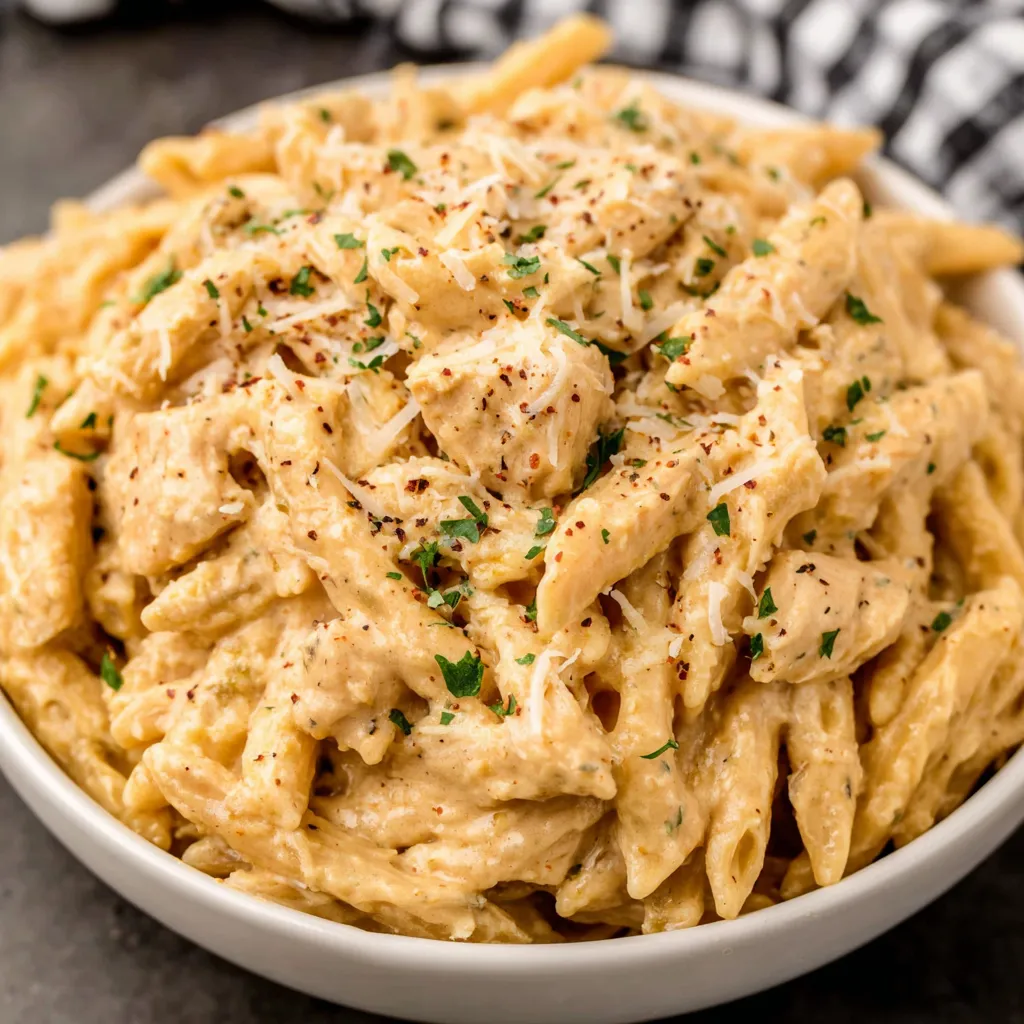 This recipe is the culmination of countless experiments, tweaks, and taste tests. It’s designed to be approachable for home cooks of all skill levels, while still delivering restaurant-quality results.
Ingredients:
- For the Chicken:
- 1.5 lbs boneless, skinless chicken breasts, cut into bite-sized pieces
- 2 tbsp Cajun seasoning (store-bought or homemade, recipe follows)
- 1 tbsp olive oil
- For the Cajun Seasoning (if making your own):
- 2 tbsp paprika
- 1 tbsp garlic powder
- 1 tbsp onion powder
- 1 tbsp dried oregano
- 1 tbsp dried thyme
- 1 tsp cayenne pepper (adjust to taste)
- 1 tsp black pepper
- 1 tsp salt
- For the Pasta:
- 1 lb pasta (penne, fettuccine, or your favorite shape)
- Salt for pasta water
- For the Sauce:
- 2 tbsp butter
- 1 onion, chopped
- 1 bell pepper (any color), chopped
- 2 cloves garlic, minced
- 1 cup chicken broth
- 1 cup heavy cream
- 1/2 cup grated Parmesan cheese
- 1/4 cup chopped fresh parsley
- Salt and pepper to taste
Instructions:
- Prepare the Chicken: In a bowl, toss the chicken pieces with the Cajun seasoning until evenly coated.
- Cook the Pasta: Bring a large pot of salted water to a boil. Add the pasta and cook according to package directions until al dente. Drain, reserving about 1/2 cup of pasta water.
- Sear the Chicken: Heat the olive oil in a large skillet over medium-high heat. Add the seasoned chicken and cook until browned and cooked through, about 5-7 minutes. Remove the chicken from the skillet and set aside.
- Sauté the Vegetables: Add the butter to the same skillet. Add the onion and bell pepper and cook until softened, about 5 minutes. Add the garlic and cook for another minute until fragrant.
- Make the Sauce: Pour in the chicken broth and bring to a simmer, scraping up any browned bits from the bottom of the skillet. Reduce the heat to low and stir in the heavy cream and Parmesan cheese. Season with salt and pepper to taste. Cook until the sauce has thickened slightly, about 3-5 minutes.
- Combine: Add the cooked pasta and chicken to the sauce. Toss to coat. If the sauce is too thick, add a little of the reserved pasta water until it reaches your desired consistency.
- Serve: Garnish with fresh parsley and serve immediately.
My Cajun Chicken Pasta Odyssey: A Culinary Investigation
My journey to perfecting Cajun Chicken Pasta was far from smooth. My first few attempts were a disaster, yielding a bland, watery mess that tasted nothing like the vibrant dish I envisioned. Then, I had an “Aha!” moment.The Great Spice Debacle
Like many of you, I initially thought that store-bought Cajun seasoning was the way to go. It was convenient, readily available, and promised authentic flavor. However, I quickly realized that not all Cajun seasonings are created equal. Some were overly salty, others lacked depth, and a few were just plain bland. The flavor was never quite right. The pre-packaged spice blends were often missing the punch I craved. So, I decided to take matters into my own hands and create my own blend. After experimenting with different ratios of paprika, garlic powder, onion powder, oregano, thyme, cayenne pepper, black pepper, and salt, I finally landed on a combination that delivered the perfect balance of heat and flavor. Now I occasionally enjoy Honey Pepper Chicken Pasta as a break from Cajun.The Cream Sauce Catastrophe
The sauce was another major hurdle. My initial attempts resulted in a thin, watery sauce that failed to cling to the pasta. The cream would often separate, leaving an unappetizing oily slick on top. I tried thickening it with flour, but that resulted in a pasty texture. Then, I learned about the importance of reducing the chicken broth before adding the cream. This concentrated the flavors and helped the sauce thicken naturally. I also discovered that using high-quality Parmesan cheese, freshly grated, made a world of difference. The pre-shredded stuff simply didn’t melt as smoothly and lacked the rich, nutty flavor I was looking for. I also found that by simmering the sauce very gently, the cream was less likely to separate. I also found that a hint of nutmeg elevates sauces like the sauce used in Creamy Garlic Chicken Gnocchi.The Chicken Conundrum
Even the chicken presented its own set of challenges. I initially tried using large chicken breasts, but they took too long to cook and often ended up dry and overcooked. Cutting the chicken into bite-sized pieces solved this problem. It allowed the chicken to cook quickly and evenly, while also ensuring that every bite was packed with flavor. Searing the chicken in a hot skillet before adding it to the sauce was another game-changer. This created a beautiful golden-brown crust that added depth and complexity to the dish. It is also important to not overcrowd the pan.The Pasta Predicament
Choosing the right pasta shape was also crucial. I experimented with various types, including penne, fettuccine, and rotini. Penne turned out to be the best choice, as its ridges and tubes captured the creamy sauce perfectly. But sometimes I also enjoy the sauce with Spicy Garlic Butter Chicken Tortellini Perfect. I learned that reserving some of the pasta water before draining was essential for adjusting the consistency of the sauce. The starchy water helped to bind the sauce to the pasta, creating a cohesive and flavorful dish. I’ve learned that the right pasta shape can truly make or break a dish, much like how the right bread enhances Shrimp Crabmeat And Okra Gumbo.The Foolproof Method: Mastering Cajun Chicken Pasta
After all my experiments, I’ve distilled the process down to a few key steps that guarantee success every time.- Craft Your Cajun Spice Symphony: Don’t settle for generic store-bought blends. Create your own Cajun seasoning to control the heat and flavor profile.
- Sauté the Holy Trinity: Sauté the onion, bell pepper, and celery until softened but not browned to create a flavorful base for the sauce.
- Sear, Don’t Steam: Sear the chicken in a hot skillet to develop a rich, golden-brown crust. Do this in batches to avoid overcrowding the pan.
- Reduce the Broth, Embrace the Cream: Reduce the chicken broth before adding the heavy cream to concentrate the flavors and help the sauce thicken. Use high-quality, freshly grated Parmesan cheese for a smooth, flavorful sauce.
- Pasta Water is Your Secret Weapon: Reserve some of the pasta water to adjust the consistency of the sauce and help it cling to the pasta.
Why is it important to make your own Cajun seasoning instead of using store-bought?
Store-bought Cajun seasonings can be overly salty, lack depth, or simply be bland. Creating your own blend allows you to control the heat and flavor profile to achieve the perfect balance.
What is the purpose of searing the chicken before adding it to the sauce?
Searing the chicken in a hot skillet creates a beautiful golden-brown crust that adds depth and complexity to the dish. It also helps to prevent the chicken from becoming dry and overcooked.
Why is reserving pasta water important when making Cajun Chicken Pasta?
Reserving some of the pasta water before draining is essential for adjusting the consistency of the sauce. The starchy water helps to bind the sauce to the pasta, creating a cohesive and flavorful dish.
What is the ‘holy trinity’ in Cajun cooking, and why is it important for this recipe?
The ‘holy trinity’ in Cajun cooking is onion, bell pepper, and celery. Sautéing these vegetables creates a flavorful base for the sauce and contributes to the signature kick of Cajun cuisine.
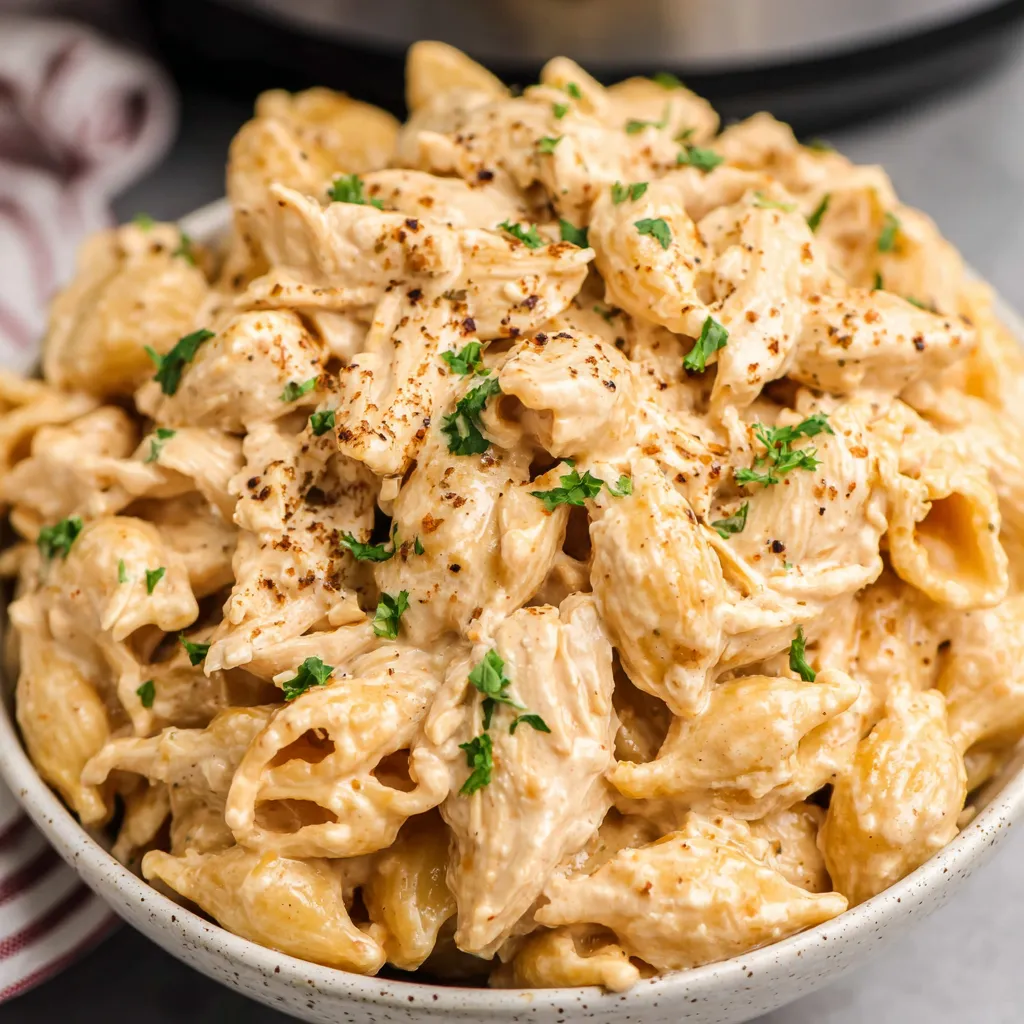
Irresistible Cajun Chicken Pasta
Ingredients
Equipment
Method
- In a bowl, toss the chicken pieces with the Cajun seasoning until evenly coated.
- Bring a large pot of salted water to a boil. Add the pasta and cook according to package directions until al dente. Drain, reserving about 1/2 cup of pasta water.
- Heat the olive oil in a large skillet over medium-high heat. Add the seasoned chicken and cook until browned and cooked through, about 5-7 minutes. Remove the chicken from the skillet and set aside.
- Add the butter to the same skillet. Add the onion and bell pepper and cook until softened, about 5 minutes. Add the garlic and cook for another minute until fragrant.
- Pour in the chicken broth and bring to a simmer, scraping up any browned bits from the bottom of the skillet. Reduce the heat to low and stir in the heavy cream and Parmesan cheese. Season with salt and pepper to taste. Cook until the sauce has thickened slightly, about 3-5 minutes.
- Add the cooked pasta and chicken to the sauce. Toss to coat. If the sauce is too thick, add a little of the reserved pasta water until it reaches your desired consistency.
- Garnish with fresh parsley and serve immediately.