
Unlocking the Flavor Matrix: The Science Behind the Magic
The magic of Honey Garlic Butter Chicken lies in a beautiful interplay of chemical reactions. Let’s break down the key players:- Maillard Reaction: This is where the golden-brown deliciousness comes from. It’s a chemical reaction between amino acids (from the chicken) and reducing sugars (from the honey) that occurs at high temperatures. This reaction is responsible for the complex flavors and aromas that develop when the chicken is seared. Controlling heat and moisture is crucial here. Too low heat, and you won’t get the browning; too high, and you’ll burn the honey, creating a bitter taste.
- Caramelization: Honey, being mostly sugar, caramelizes when heated, further enhancing the sweet notes and adding depth to the sauce. The ideal honey should be raw and unfiltered, providing additional enzymes and natural sugars for a richer, deeper flavour.
- Emulsification: The butter is the key to a rich and glossy sauce. We need to create an emulsion, where the fat (butter) and water-based components (honey, garlic, soy sauce) combine to form a stable sauce. Adding the butter gradually while stirring ensures a smooth and creamy texture, preventing it from separating.
- Flavor Infusion: Garlic is a potent flavor enhancer. Its pungent compounds, primarily allicin, need to be released through crushing or mincing. Sautéing the garlic in butter allows these flavors to infuse into the fat, distributing them evenly throughout the dish. The timing is critical; burnt garlic is bitter and unpleasant, undermining the entire flavour profile.
The Ultimate Honey Garlic Butter Chicken Recipe
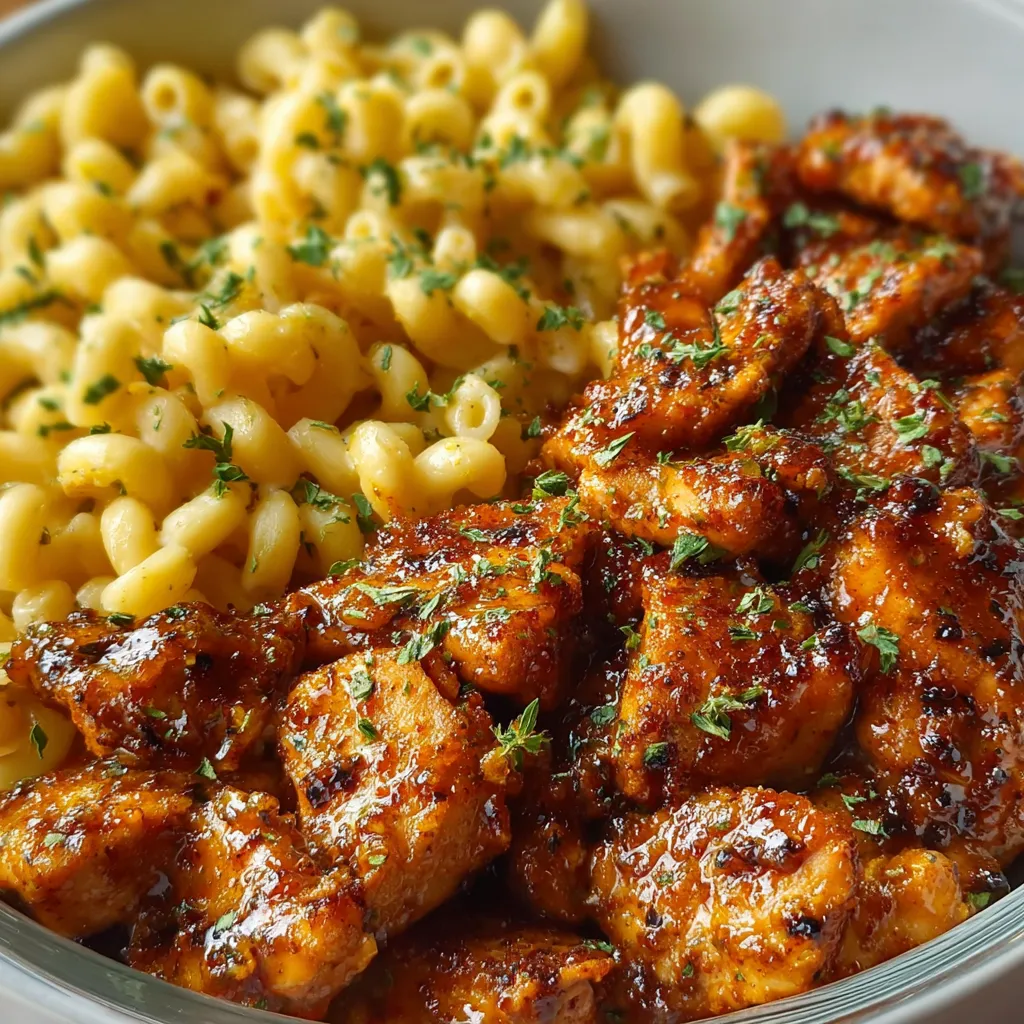 Here’s the recipe that brings together all the scientific principles we discussed:
Ingredients:
- 1.5 lbs boneless, skinless chicken thighs, cut into 1-inch pieces
- 2 tablespoons olive oil
- 4 tablespoons unsalted butter, divided
- 6 cloves garlic, minced
- 1/2 cup honey
- 1/4 cup soy sauce (low sodium)
- 2 tablespoons rice vinegar
- 1 tablespoon cornstarch
- 2 tablespoons water
- 1/4 teaspoon red pepper flakes (optional)
- Sesame seeds and chopped green onions, for garnish
Instructions:
- Prepare the Chicken: Pat the chicken pieces dry with paper towels. This helps them brown better.
- Sear the Chicken: Heat olive oil in a large skillet over medium-high heat. Add the chicken in a single layer (work in batches if necessary) and sear for 3-4 minutes per side, until golden brown. Remove the chicken from the skillet and set aside.
- Sauté the Garlic: Reduce heat to medium. Add 2 tablespoons of butter to the skillet. Once melted, add the minced garlic and sauté for about 30 seconds, until fragrant. Be careful not to burn the garlic.
- Make the Sauce: In a small bowl, whisk together honey, soy sauce, and rice vinegar. Pour the mixture into the skillet with the garlic. Bring to a simmer, stirring constantly.
- Thicken the Sauce: In another small bowl, whisk together cornstarch and water to create a slurry. Pour the slurry into the simmering sauce and stir until the sauce thickens, about 1-2 minutes.
- Finish the Dish: Add the remaining 2 tablespoons of butter to the sauce and stir until melted and the sauce is glossy. Return the chicken to the skillet and toss to coat with the sauce.
- Simmer: Reduce heat to low and simmer for 5-7 minutes, or until the chicken is cooked through and the sauce has thickened further.
- Garnish and Serve: Sprinkle with red pepper flakes (if using), sesame seeds, and chopped green onions. Serve immediately over rice or noodles.
Notes:
- For a spicier dish, add more red pepper flakes.
- You can use chicken breasts instead of thighs, but be careful not to overcook them.
- Serve with steamed broccoli or other vegetables for a complete meal.
The Chronicle of My Culinary Journey: Cracking the Code
My first few attempts were a disaster. The chicken was either dry, the sauce was too thin, or the garlic burned. Then, I had an “Aha!” moment: each ingredient needed to be treated with respect and a deep understanding of how it contributes to the final dish. Like many of you, I initially thought it was just throwing ingredients together; how wrong I was!The Great Chicken Dryness Debacle
Initially, I used chicken breasts exclusively, assuming they were healthier. The result? Shoe leather. No matter how much sauce I poured on, the chicken remained stubbornly dry. The solution came from switching to chicken thighs. Thighs have a higher fat content, which keeps them moist and tender even when subjected to the heat of the skillet. The Honey Garlic Chicken Breasts recipe is delicious, but requires meticulous attention to cooking time.The Sauce That Wouldn’t Thicken
My early sauces were watery and lacked the desired cling. I learned that cornstarch is the key thickening agent, but it needs to be properly dispersed in water *before* adding it to the hot liquid. This prevents clumping and ensures a smooth, velvety texture. I also experimented with different ratios of honey to soy sauce, eventually settling on a balance that wasn’t overly sweet or salty. The Honey Garlic Chicken recipe helped me to understand sauce consistency.Taming the Garlic Dragon
Burnt garlic can ruin an entire dish. I tried adding the garlic at different stages, but the breakthrough came when I realized the importance of *low and slow* sautéing. Instead of blasting the garlic with high heat, I reduced the heat to medium and sautéed it gently in butter until fragrant but not browned. This allows the garlic to release its flavour without becoming bitter. The Garlic Parmesan Chicken recipe reinforced the importance of gentle garlic cooking.The Butter Revelation
The final key to achieving the perfect Honey Garlic Butter Chicken was understanding the role of butter. Adding it at the end, after the sauce had thickened, created a beautiful glossy sheen and added a richness that was simply irresistible. It emulsified with the sauce, creating a harmonious blend of flavors and textures.The Foolproof Method: A Culinary Algorithm
After countless experiments and taste tests, I’ve distilled the process into a simple, repeatable method:- Prepare the Chicken Properly: Use chicken thighs for maximum moisture. Pat them dry before searing to promote browning.
- Master the Sear: Sear the chicken in a single layer over medium-high heat until golden brown on all sides. Don’t overcrowd the pan.
- Gentle Garlic Sauté: Sauté minced garlic in butter over medium heat until fragrant but not browned.
- Balanced Sauce Creation: Combine honey, soy sauce, and rice vinegar in the correct proportions for a sweet, savory, and tangy flavour.
- Cornstarch Slurry Precision: Mix cornstarch with cold water *before* adding it to the sauce to prevent clumping.
- Butter Emulsification: Add butter at the end of the cooking process to create a glossy, rich, and stable sauce.
- Simmer to Perfection: Simmer the chicken in the sauce until cooked through and the sauce has thickened to your liking.
Why does the recipe recommend using chicken thighs instead of chicken breasts?
Chicken thighs have a higher fat content than chicken breasts, which helps them stay moist and tender even when cooked at higher temperatures. Using chicken breasts can result in dry chicken if not cooked carefully.
How do I prevent the sauce from being watery and not thickening properly?
The key is to use cornstarch to thicken the sauce. Make sure to create a slurry by mixing the cornstarch with cold water *before* adding it to the hot liquid. This prevents clumping and ensures a smooth, velvety texture.
How can I prevent the garlic from burning and becoming bitter?
Sauté the minced garlic in butter over medium heat until fragrant but not browned. Avoid blasting the garlic with high heat, as this can cause it to burn and become bitter.
Why is butter added at the end of the cooking process?
Adding butter at the end, after the sauce has thickened, creates a beautiful glossy sheen and adds a richness to the sauce. It emulsifies with the sauce, creating a harmonious blend of flavors and textures.
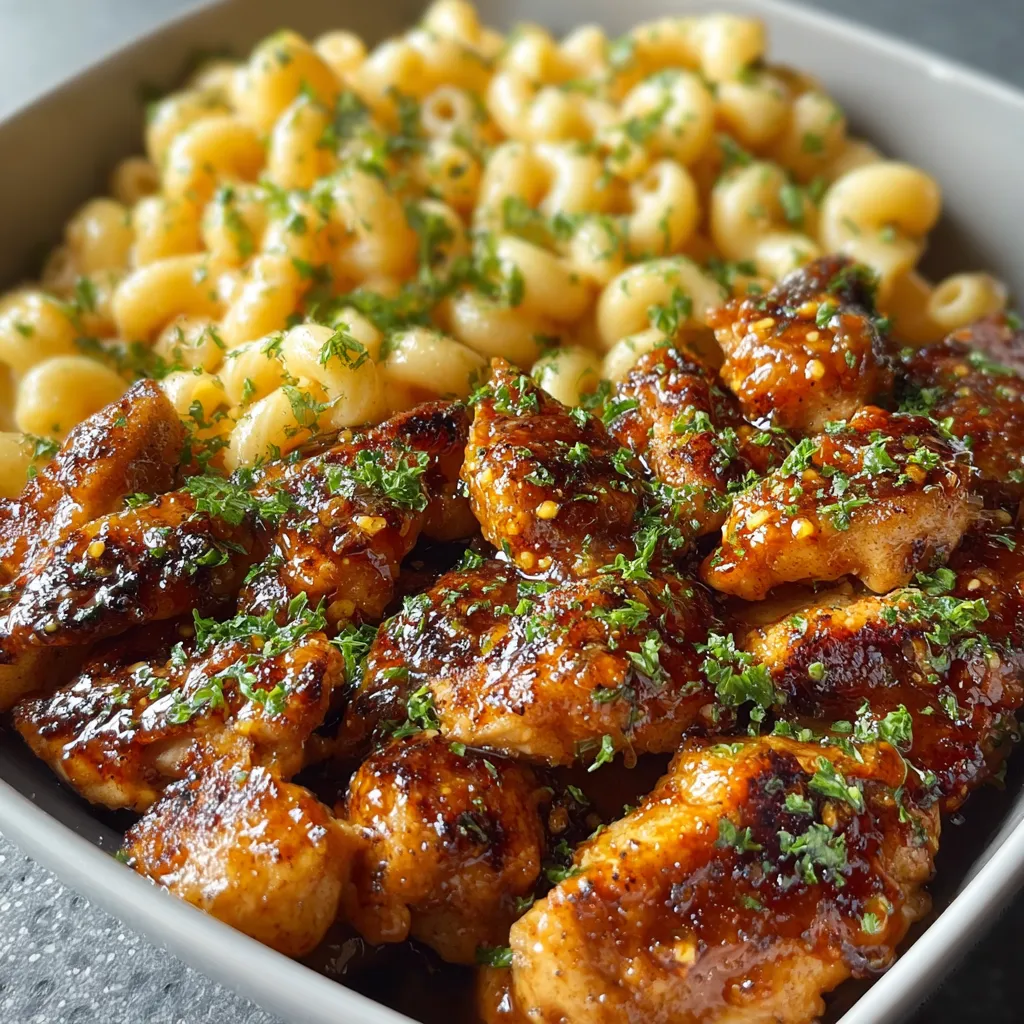
Irresistible Honey Garlic Butter Chicken
Ingredients
Equipment
Method
- Prepare the Chicken: Pat the chicken pieces dry with paper towels.
- Sear the Chicken: Heat olive oil in a large skillet over medium-high heat. Add the chicken in a single layer (work in batches if necessary) and sear for 3-4 minutes per side, until golden brown. Remove the chicken from the skillet and set aside.
- Sauté the Garlic: Reduce heat to medium. Add 2 tablespoons of butter to the skillet. Once melted, add the minced garlic and sauté for about 30 seconds, until fragrant. Be careful not to burn the garlic.
- Make the Sauce: In a small bowl, whisk together honey, soy sauce, and rice vinegar. Pour the mixture into the skillet with the garlic. Bring to a simmer, stirring constantly.
- Thicken the Sauce: In another small bowl, whisk together cornstarch and water to create a slurry. Pour the slurry into the simmering sauce and stir until the sauce thickens, about 1-2 minutes.
- Finish the Dish: Add the remaining 2 tablespoons of butter to the sauce and stir until melted and the sauce is glossy. Return the chicken to the skillet and toss to coat with the sauce.
- Simmer: Reduce heat to low and simmer for 5-7 minutes, or until the chicken is cooked through and the sauce has thickened further.
- Garnish and Serve: Sprinkle with red pepper flakes (if using), sesame seeds, and chopped green onions. Serve immediately over rice or noodles.