
The Alchemic Dance of Maillard, Moisture, and Mouthfeel
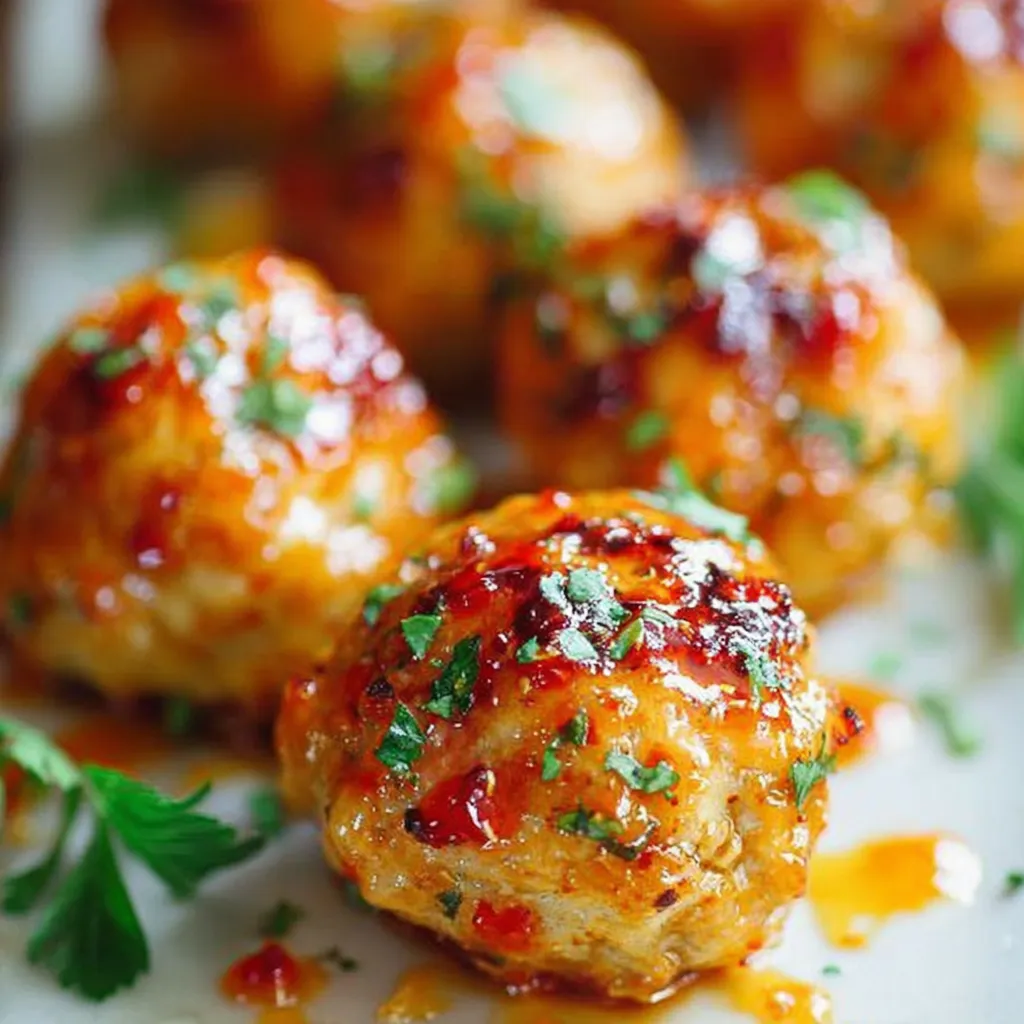
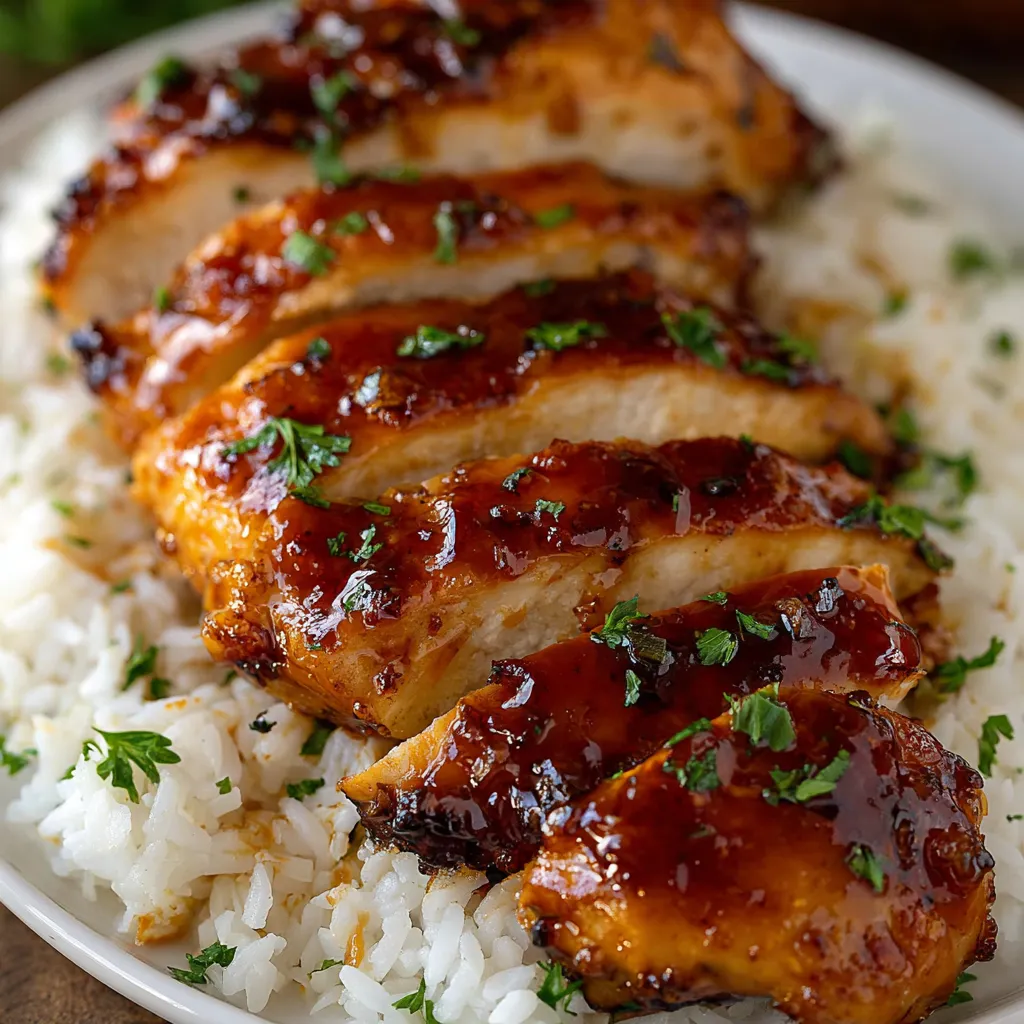 The magic of honey garlic chicken, at its core, is a delicate balancing act. The Maillard reaction, that browning process that gives cooked food its characteristic flavor, is crucial. It requires heat, amino acids (from the chicken), and reducing sugars (from the honey). However, too much heat, or not enough moisture, and you’ll end up with burnt garlic and dry chicken. The honey also plays a vital role in creating that signature glossy glaze. It’s hygroscopic, meaning it attracts and retains moisture, helping to keep the chicken juicy. However, overcooking can caramelize the honey to the point of bitterness. The garlic’s pungency needs to be tamed and mellowed through cooking, but not obliterated. Finally, the thickness of the sauce is vital for coating the chicken properly, delivering that irresistible flavor in every bite.
The Recipe: Honey Garlic Chicken Breast Perfection
Here’s my go-to recipe, refined through countless iterations, for consistently delicious honey garlic chicken breasts.Ingredients:
- 4 boneless, skinless chicken breasts (about 6 oz each)
- 1/4 cup soy sauce (low sodium preferred)
- 1/4 cup honey
- 2 tablespoons rice vinegar
- 2 tablespoons olive oil
- 4 cloves garlic, minced
- 1 teaspoon ginger, grated
- 1/2 teaspoon red pepper flakes (optional, for heat)
- 1 tablespoon cornstarch
- 2 tablespoons water
- Sesame seeds and chopped green onions, for garnish
Instructions:
- Prepare the Chicken: Pat the chicken breasts dry with paper towels. This is crucial for browning. Season lightly with salt and pepper.
- Make the Marinade/Sauce: In a medium bowl, whisk together the soy sauce, honey, rice vinegar, olive oil, minced garlic, grated ginger, and red pepper flakes (if using).
- Marinate (Optional, but Recommended): For deeper flavor, marinate the chicken in half of the honey garlic sauce for at least 30 minutes, or up to 4 hours in the refrigerator. Reserve the other half of the sauce for cooking.
- Sear the Chicken: Heat a large skillet (cast iron works great) over medium-high heat. Add the chicken breasts and sear for 3-4 minutes per side, until golden brown.
- Cook in Sauce: Pour the reserved honey garlic sauce over the chicken. Reduce the heat to medium-low, cover the skillet, and simmer for 8-10 minutes, or until the chicken is cooked through (internal temperature reaches 165°F/74°C). Use a meat thermometer to be sure.
- Thicken the Sauce: In a small bowl, whisk together the cornstarch and water to create a slurry. Pour the slurry into the skillet with the chicken and sauce. Stir gently until the sauce thickens, about 1-2 minutes.
- Garnish and Serve: Sprinkle with sesame seeds and chopped green onions. Serve immediately over rice, noodles, or your favorite sides. This would be great served alongside rice pilaf just like the Honey Garlic Chicken recipe.
My Honey Garlic Chicken Odyssey: A Tale of Trials and Triumphs
The Initial Sticky Situation
My first few attempts were a disaster. Like many of you, I initially thought, “Just throw everything in a pan and hope for the best!” The result? Burnt garlic, a sauce that tasted acrid, and chicken that was either raw in the middle or drier than the Sahara. The sauce was either too runny or quickly reduced to a hard, sticky candy coating. I knew there had to be a better way.The Marinade Revelation
Then, I had an “Aha!” moment. Marinades! I realized that marinating the chicken not only infused it with flavor but also helped to keep it moist during cooking. The acidity in the rice vinegar helps to tenderize the chicken, allowing it to absorb more of the honey garlic goodness. It’s a game changer.The Sear Factor: Unlocking Umami
Next, I focused on the searing. I had been skipping this step, thinking it was unnecessary. Big mistake! Searing the chicken before adding the sauce is crucial for developing that rich, umami flavor. It creates a beautiful crust that locks in the juices and adds a textural contrast that elevates the entire dish.The Temperature Tango: Finding the Sweet Spot
Controlling the temperature was another key learning. High heat is great for searing, but it’s a recipe for disaster when it comes to cooking the chicken in the honey garlic sauce. Reducing the heat to medium-low and covering the skillet allows the chicken to cook gently and evenly, without drying out or burning the sauce. This is also why using an accurate meat thermometer is so helpful.The Cornstarch Conundrum: Achieving Glaze Perfection
Finally, I tackled the sauce consistency. Initially, I tried to thicken it by simply reducing it, but this often resulted in an overly sweet, sticky mess. The cornstarch slurry was the answer. It thickens the sauce quickly and evenly, creating a beautiful, glossy glaze that coats the chicken perfectly. This technique is also used when creating the sauce for Honey Pepper Chicken Pasta.The Foolproof Honey Garlic Chicken Technique: A Step-by-Step Guide
Here’s a summary of the foolproof method, based on my culinary investigation:- Pat it Dry: Always pat your chicken breasts completely dry with paper towels before seasoning or searing. Excess moisture is the enemy of browning.
- Marinade Magic: Marinate the chicken in half of the honey garlic sauce for at least 30 minutes for maximum flavor and moisture.
- Sear to Impress: Sear the chicken in a hot skillet until golden brown on both sides. This step is non-negotiable for developing deep flavor.
- Temperature Control: Reduce the heat to medium-low when cooking the chicken in the sauce. Cover the skillet to trap moisture and ensure even cooking.
- The Thermometer’s Truth: Use a meat thermometer to ensure the chicken is cooked to an internal temperature of 165°F (74°C).
- Slurry Success: Use a cornstarch slurry to thicken the sauce quickly and evenly, creating a beautiful glaze. The same slurry trick can be used to make the sauce for Spicy Garlic Butter Chicken Tortellini.
- Garnish with Gusto: Don’t forget the sesame seeds and green onions! They add a touch of elegance and freshness to the dish.
Why is it important to pat the chicken breasts dry before searing?
Patting the chicken breasts dry with paper towels is crucial for browning. Excess moisture is the enemy of browning, preventing the Maillard reaction from occurring effectively.
Is marinating the chicken really necessary, and what are the benefits?
While optional, marinating is highly recommended. Marinating infuses the chicken with flavor and helps to keep it moist during cooking. The acidity in the rice vinegar also tenderizes the chicken.
How do I prevent the honey garlic sauce from becoming too sticky or burning?
Reduce the heat to medium-low when cooking the chicken in the sauce and cover the skillet to trap moisture and ensure even cooking. Also, use a cornstarch slurry to thicken the sauce quickly and evenly, rather than simply reducing it.
What is the ideal internal temperature for cooked chicken breasts?
The chicken should be cooked to an internal temperature of 165°F (74°C). Using a meat thermometer is highly recommended to ensure doneness.
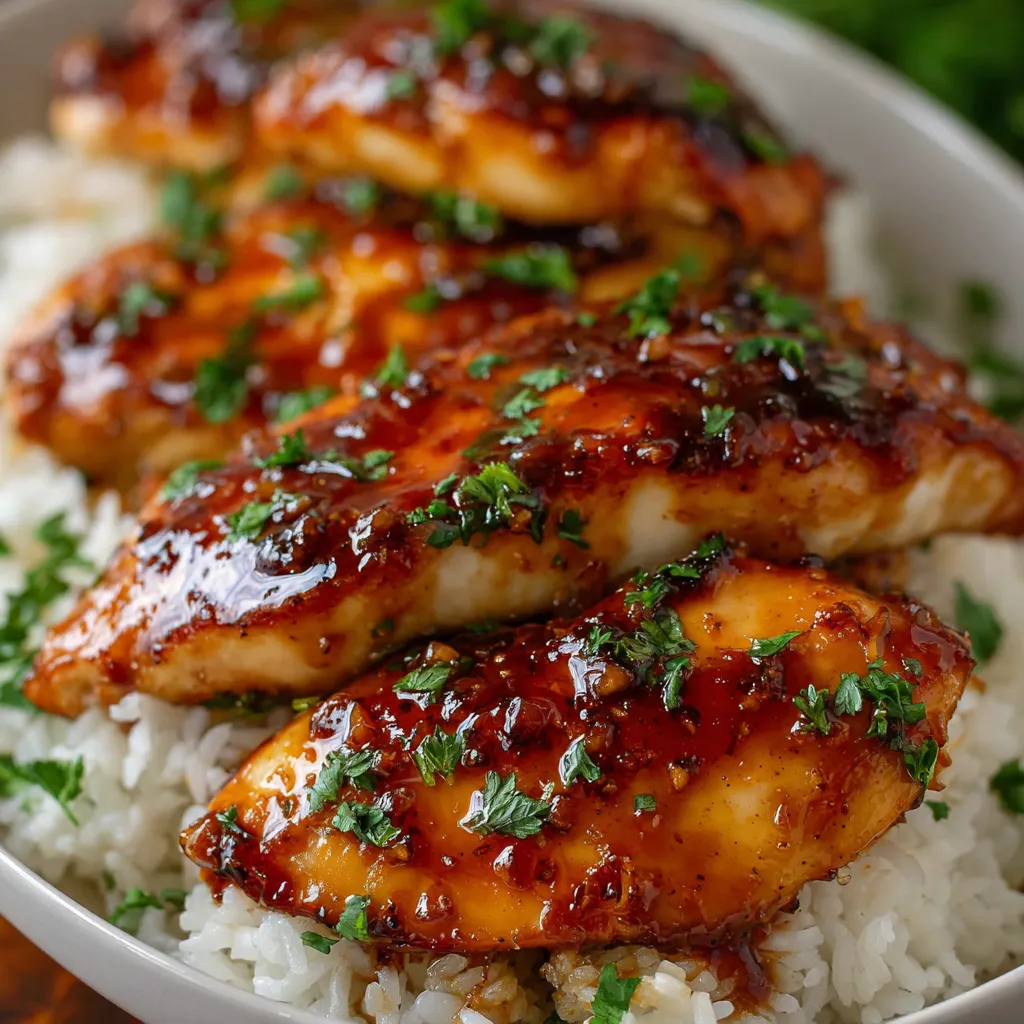
Irresistible Honey Garlic Chicken Breasts
This recipe delivers perfectly balanced sweet and savory honey garlic chicken breasts. The secret lies in searing the chicken, controlling the temperature while cooking in the sauce, and using a cornstarch slurry for a glossy glaze.
Ingredients
Equipment
Method
- Pat the chicken breasts dry with paper towels and season lightly with salt and pepper.
- In a medium bowl, whisk together the soy sauce, honey, rice vinegar, olive oil, minced garlic, grated ginger, and red pepper flakes (if using).
- Marinate the chicken in half of the honey garlic sauce for at least 30 minutes, or up to 4 hours in the refrigerator. Reserve the other half of the sauce for cooking.
- Heat a large skillet over medium-high heat. Add the chicken breasts and sear for 3-4 minutes per side, until golden brown.
- Pour the reserved honey garlic sauce over the chicken. Reduce the heat to medium-low, cover the skillet, and simmer for 8-10 minutes, or until the chicken is cooked through (internal temperature reaches 165°F/74°C).
- In a small bowl, whisk together the cornstarch and water to create a slurry. Pour the slurry into the skillet with the chicken and sauce.
- Stir gently until the sauce thickens, about 1-2 minutes.
- Sprinkle with sesame seeds and chopped green onions. Serve immediately.
Notes
Marinating the chicken is highly recommended for deeper flavor and moisture. Use a meat thermometer to ensure the chicken is cooked to a safe internal temperature. Serve over rice, noodles, or your favorite sides. For a spicier version, increase the amount of red pepper flakes.