
Unlocking the Secrets: The Science Behind the Sizzle
The magic of Lemon Chicken Piccata lies in a delicate balance of textures and flavors. At its heart, it’s about achieving perfectly cooked chicken – tender and juicy, not dry or tough – paired with a vibrant, tangy sauce that clings beautifully to every bite. Understanding the science behind each component is crucial. First, consider the chicken. Chicken breast, being lean, is prone to drying out quickly. Therefore, the cooking method and the internal temperature are paramount. Dredging the chicken in flour before pan-frying serves two purposes: it creates a barrier that helps retain moisture and provides a surface for browning, which contributes to flavor development through the Maillard reaction. Next, the sauce. The classic piccata sauce relies on a few key ingredients: butter, lemon juice, white wine (or chicken broth), capers, and parsley. The acidity of the lemon juice and wine helps to deglaze the pan, lifting up the flavorful browned bits (fond) left behind from cooking the chicken. The butter adds richness and emulsifies the sauce, creating a smooth and luscious texture. Capers provide a salty, briny counterpoint to the acidity, while parsley adds a touch of freshness. The key to a good sauce is balance: too much lemon juice and it will be sour; too little butter and it will be thin. Finally, the dreaded “gummy” sauce. This often stems from overcooking the flour in the pan after searing the chicken or adding too much flour to the chicken itself. The flour can clump together and become gelatinous if not handled properly. The solution is to use a light hand with the flour, ensure it’s evenly distributed, and whisk the sauce vigorously as it simmers to prevent lumps from forming. You also have to be careful with heat control. Too high, and the butter will brown before the sauce has a chance to emulsify. Too low, and the sauce will never reduce properly.The Recipe: Lemon Chicken Piccata Perfection
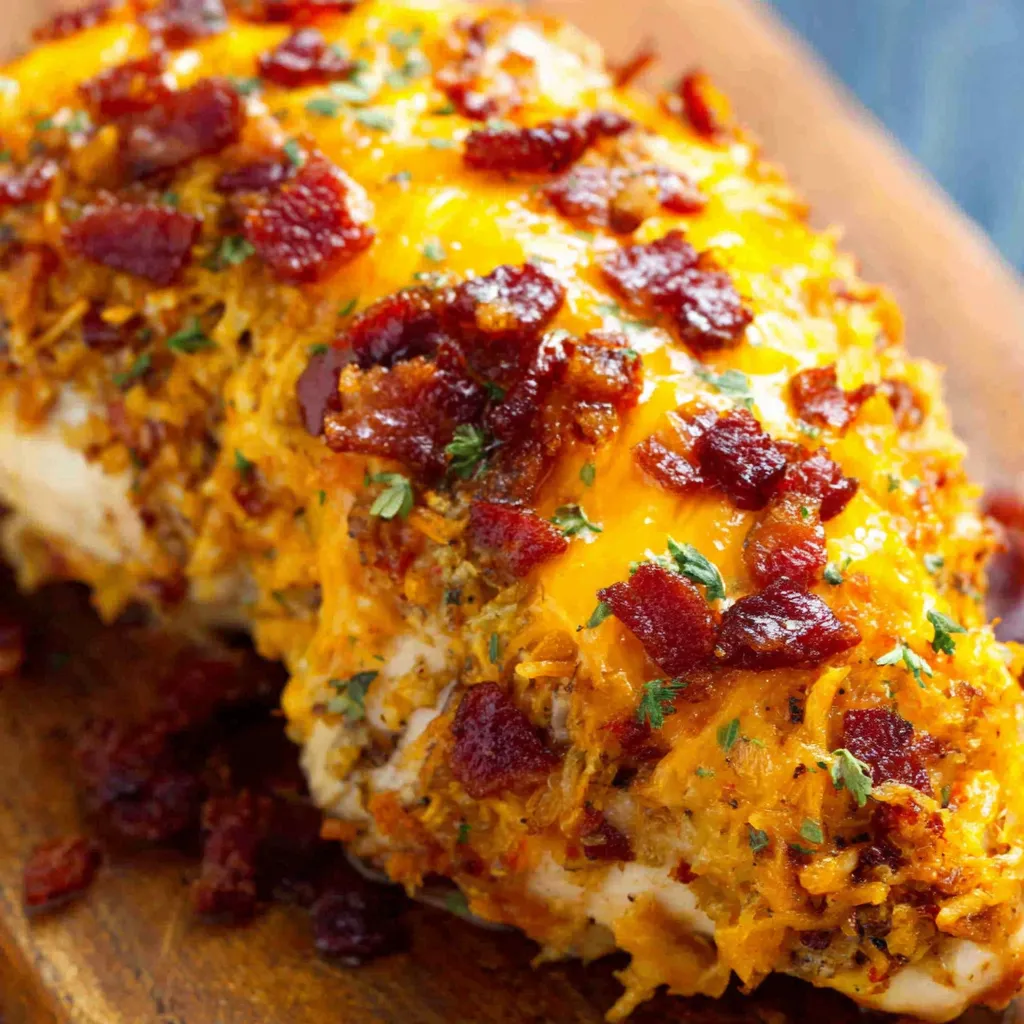 Here’s my ultimate recipe, honed after numerous trials and errors, designed to guide you towards Lemon Chicken Piccata perfection:
Ingredients:
- 1.5 lbs boneless, skinless chicken breasts
- 1/2 cup all-purpose flour
- 1/2 teaspoon salt
- 1/4 teaspoon black pepper
- 4 tablespoons olive oil, divided
- 4 tablespoons butter, divided
- 1/2 cup dry white wine (such as Pinot Grigio) or chicken broth
- 1/4 cup lemon juice, freshly squeezed
- 1/4 cup chicken broth
- 2 tablespoons capers, drained
- 1/4 cup fresh parsley, chopped
- Lemon wedges, for serving
Instructions:
- Prepare the Chicken: Place each chicken breast between two sheets of plastic wrap. Using a meat mallet or rolling pin, pound the chicken to 1/4-inch thickness. This ensures even cooking and tenderizes the meat.
- Dredge the Chicken: In a shallow dish, combine the flour, salt, and pepper. Dredge each chicken breast in the flour mixture, shaking off any excess.
- Sear the Chicken: Heat 2 tablespoons of olive oil and 2 tablespoons of butter in a large skillet over medium-high heat. Once the butter is melted and the pan is hot, add the chicken in a single layer (you may need to do this in batches to avoid overcrowding the pan). Cook for 3-4 minutes per side, or until golden brown and cooked through. An internal temperature of 165°F (74°C) is ideal. Remove the chicken from the skillet and set aside.
- Make the Sauce: Reduce the heat to medium. Add the remaining 2 tablespoons of olive oil and 2 tablespoons of butter to the skillet. Add the white wine (or chicken broth) and lemon juice to the skillet, scraping up any browned bits from the bottom of the pan. Bring to a simmer and cook for 2-3 minutes, or until the sauce has slightly reduced.
- Finish the Sauce: Stir in the capers and chicken broth. Cook for another minute. Taste and adjust seasoning as needed.
- Combine and Serve: Return the chicken to the skillet and coat with the sauce. Sprinkle with fresh parsley. Serve immediately with lemon wedges.
From Fiasco to Fantastic: My Lemon Chicken Piccata Investigation
My journey to Lemon Chicken Piccata mastery was far from straightforward. My first few attempts were a disaster, resulting in either shoe-leather chicken or a sauce resembling wallpaper paste. Here’s how I cracked the code:The Great Chicken Catastrophe
Initially, I was overcooking the chicken. Like many of you, I initially thought that pounding the chicken thin was just an unnecessary step. It’s not. Pounding the chicken thin allows it to cook quickly and evenly, preventing the exterior from burning before the interior is cooked through. Using a meat thermometer was also a game-changer. I was consistently aiming for 165°F (74°C), removing it from the heat right when it hit that temperature.The Sauce Saga
The sauce was another hurdle. I struggled with the texture. Sometimes it was too thin and watery, other times it was a gloppy mess. The problem, I realized, was the flour. I was using too much and not cooking it properly. Then, I had an “Aha!” moment: a light dredging is all that’s needed, and it’s crucial to shake off the excess flour before pan-frying. This prevents the flour from clumping together in the sauce. Also, using a whisk diligently while simmering the sauce made a world of difference. It ensured a smooth, emulsified texture.The Acidity Adjustment
Balancing the acidity was also key. The first few times, my sauce was overwhelmingly sour. I learned that the amount of lemon juice needs to be adjusted to your taste and the type of lemon you’re using. Some lemons are more acidic than others. Tasting the sauce throughout the process and adjusting the lemon juice accordingly is essential.The Briny Breakthrough
I also experimented with different types of capers. I found that salt-packed capers, rinsed thoroughly before use, offered a more nuanced flavor than those preserved in brine. The slight saltiness they imparted was a perfect complement to the lemon and butter. And don’t be shy with the parsley! It adds a vibrant freshness that cuts through the richness of the sauce.Beyond the Piccata: Exploring Flavors
This journey also led me to experiment with other chicken recipes. I’ve found that some of the lessons learned here are applicable to other dishes. For example, properly searing chicken is crucial in recipes like Tuscan Chicken Pasta and Honey Garlic Chicken. Also, mastering the art of making a flavorful sauce is essential in recipes like Garlic Parmesan Chicken and Creamy Garlic Chicken Gnocchi. You can even adapt this recipe and use the lemon sauce with other cooking methods like the Slow Cooker Lemon Herb Chicken or Slow Cooker Lemon Chicken.The Foolproof Method: A Piccata Protocol
To summarize, here’s the foolproof method for achieving Lemon Chicken Piccata perfection:- Pound the Chicken: Ensure even thickness for uniform cooking.
- Lightly Dredge: Use a light hand with the flour and shake off any excess.
- Sear, Don’t Burn: Maintain medium-high heat for a golden-brown crust without overcooking the chicken.
- Deglaze and Reduce: Use wine or broth to lift the flavorful fond from the pan and reduce the sauce to your desired consistency.
- Taste and Adjust: Season the sauce to your liking, adjusting the lemon juice, salt, and pepper as needed.
- Emulsify with Butter: Incorporate butter for a rich, smooth sauce.
- Add Capers and Parsley: For a briny, fresh finish.
- Serve Immediately: Enjoy the dish while the chicken is still tender and the sauce is at its peak.
Why is it important to pound the chicken breasts to 1/4-inch thickness?
Pounding the chicken to an even thickness ensures uniform cooking, preventing the exterior from burning before the interior is cooked through, and also tenderizes the meat.
What is the purpose of dredging the chicken in flour before pan-frying?
Dredging the chicken in flour creates a barrier that helps retain moisture and provides a surface for browning, contributing to flavor development through the Maillard reaction.
What can cause the Lemon Chicken Piccata sauce to become gummy, and how can I prevent it?
A gummy sauce often stems from overcooking the flour in the pan or using too much flour. To prevent it, use a light hand with the flour, shake off any excess, and whisk the sauce vigorously while simmering.
Why is it important to taste and adjust the seasoning of the sauce?
Tasting and adjusting the seasoning, especially the lemon juice, is essential because lemons vary in acidity. Adjusting allows you to achieve the perfect balance of flavors to your personal preference.
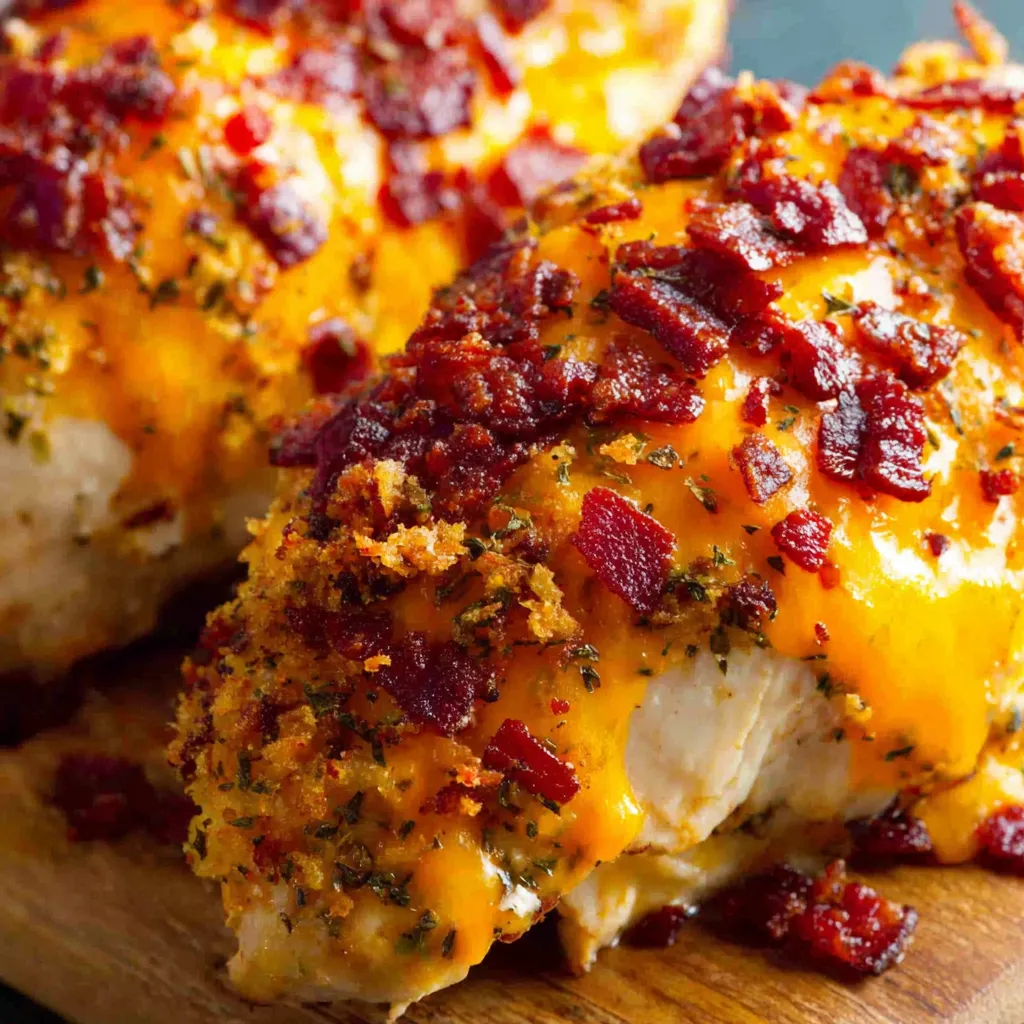
Lemon Chicken Piccata Ultimate Recipe
Ingredients
Equipment
Method
- Prepare the Chicken: Place each chicken breast between two sheets of plastic wrap. Using a meat mallet or rolling pin, pound the chicken to 1/4-inch thickness.
- Dredge the Chicken: In a shallow dish, combine the flour, salt, and pepper. Dredge each chicken breast in the flour mixture, shaking off any excess.
- Sear the Chicken: Heat 2 tablespoons of olive oil and 2 tablespoons of butter in a large skillet over medium-high heat. Once the butter is melted and the pan is hot, add the chicken in a single layer (you may need to do this in batches to avoid overcrowding the pan). Cook for 3-4 minutes per side, or until golden brown and cooked through. An internal temperature of 165°F (74°C) is ideal. Remove the chicken from the skillet and set aside.
- Make the Sauce: Reduce the heat to medium. Add the remaining 2 tablespoons of olive oil and 2 tablespoons of butter to the skillet. Add the white wine (or chicken broth) and lemon juice to the skillet, scraping up any browned bits from the bottom of the pan. Bring to a simmer and cook for 2-3 minutes, or until the sauce has slightly reduced.
- Finish the Sauce: Stir in the capers and chicken broth. Cook for another minute. Taste and adjust seasoning as needed.
- Combine and Serve: Return the chicken to the skillet and coat with the sauce. Sprinkle with fresh parsley. Serve immediately with lemon wedges.