
The Zest of the Matter: The Science Behind Cilantro Lime Chicken
The magic of Cilantro Lime Chicken hinges on a few key scientific principles. First, *acidic marinades tenderize protein*. The lime juice, being highly acidic, denatures the proteins in the chicken, causing them to unwind and relax. This results in a more tender and palatable final product. However, moderation is key. Too much acid, and you risk turning the chicken mushy. Second, *salt enhances flavor and promotes moisture retention*. Salt not only seasons the chicken, but it also draws moisture into the meat through osmosis. This increased moisture content helps the chicken stay juicy during cooking. Third, *fresh herbs release volatile aromatic compounds*. Cilantro’s unique flavor comes from volatile organic compounds that are released when the herb is chopped or crushed. These compounds infuse the chicken with their characteristic aroma and taste. However, these compounds are also delicate and can be easily destroyed by heat, which is why it’s best to add fresh cilantro at the end of the cooking process or use it generously in the marinade.The Holy Grail: The Perfect Cilantro Lime Chicken Recipe
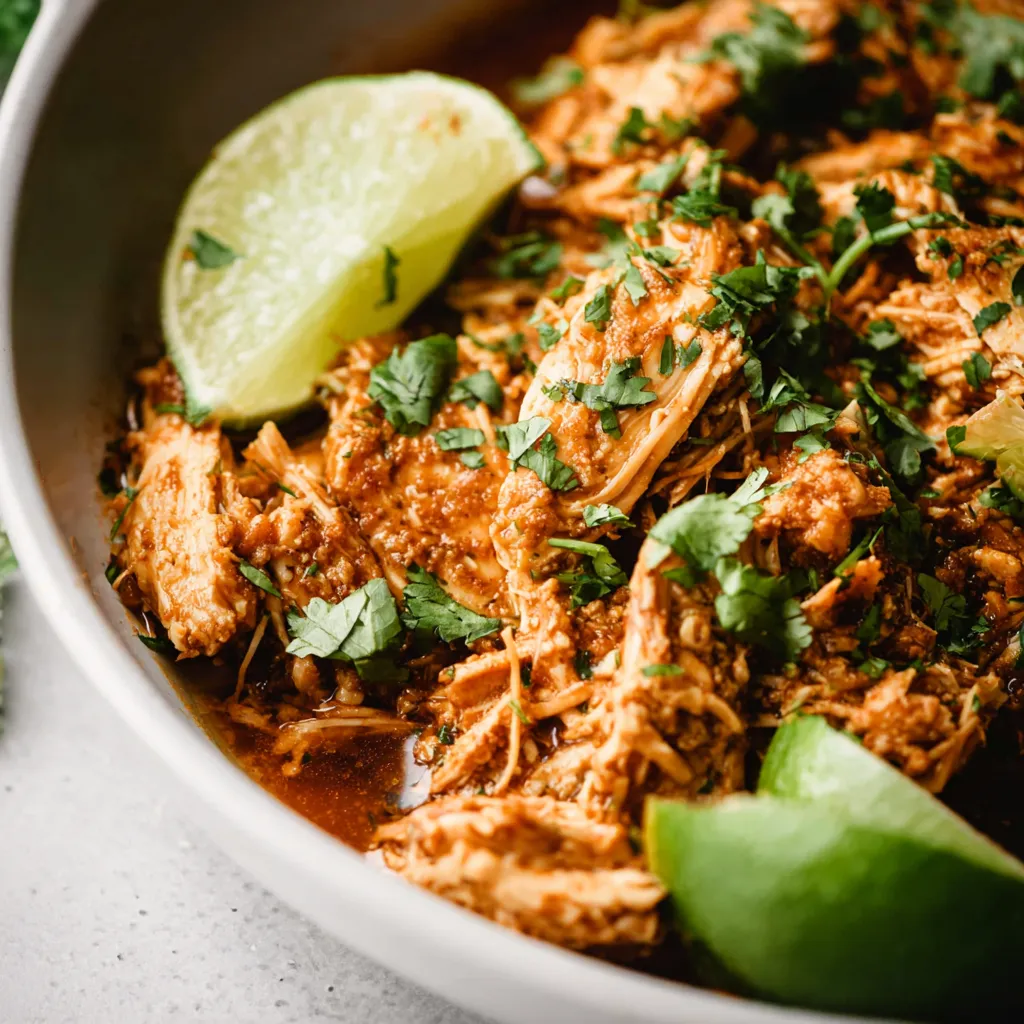 This recipe is the culmination of numerous experiments and adjustments. It’s designed to be simple, flavorful, and consistently produce perfectly cooked Cilantro Lime Chicken.
Ingredients:
- 1.5 lbs boneless, skinless chicken breasts
- 1/4 cup lime juice (freshly squeezed, about 2-3 limes)
- 2 tablespoons olive oil
- 1/4 cup chopped fresh cilantro
- 2 cloves garlic, minced
- 1 teaspoon chili powder
- 1/2 teaspoon cumin
- 1/4 teaspoon salt
- 1/4 teaspoon black pepper
- Lime wedges, for serving
Instructions:
- Prepare the Marinade: In a medium bowl, whisk together the lime juice, olive oil, cilantro, garlic, chili powder, cumin, salt, and pepper.
- Marinate the Chicken: Place the chicken breasts in a resealable plastic bag or a shallow dish. Pour the marinade over the chicken, ensuring that it is evenly coated. Seal the bag or cover the dish and refrigerate for at least 30 minutes, or up to 4 hours.
- Cook the Chicken: Preheat your grill or skillet to medium-high heat. Remove the chicken from the marinade and discard the marinade.
- Grill or Pan-Fry: Grill or pan-fry the chicken for 5-7 minutes per side, or until the internal temperature reaches 165°F (74°C). Use a meat thermometer to ensure accurate doneness.
- Rest and Serve: Remove the chicken from the grill or skillet and let it rest for 5 minutes before slicing. This allows the juices to redistribute, resulting in a more tender and flavorful chicken.
- Garnish and Serve: Slice the chicken and serve with lime wedges.
My Cilantro Lime Chicken Quest: The Investigation
My journey to perfecting Cilantro Lime Chicken was filled with more than a few bumps along the way. My first few attempts were a disaster – either the chicken was dry and flavorless, or it was rubbery and overly acidic. It was clear I needed to approach this with a more scientific mindset.The First Fiasco: Over-Marinating Mayhem
Like many of you, I initially thought that the longer the chicken marinated, the more flavorful and tender it would become. I once left the chicken marinating for 24 hours. Big mistake! The lime juice completely broke down the proteins, resulting in a mushy, unpleasant texture. I learned the hard way that moderation is key when it comes to acidic marinades.The Dry Spell: Moisture Management Mishaps
Another common issue I encountered was dry chicken. I realized that simply marinating wasn’t enough to guarantee juiciness. I experimented with different levels of salt in the marinade and discovered that a small amount of salt helped the chicken retain moisture during cooking. I also experimented with different cuts of chicken, and thighs are a great way to naturally ensure the meat stays moist.The Cilantro Conundrum: Herb Handling Headaches
The flavor of cilantro is crucial to this dish, but I initially struggled to get that bright, fresh taste to come through. I tried adding cilantro to the marinade, but the flavor would often fade during cooking. Then, I had an “Aha!” moment when I realized that the volatile aromatic compounds in cilantro are easily destroyed by heat. By adding a generous amount of fresh cilantro *after* cooking, I was able to achieve that vibrant cilantro flavor I was looking for. This is also true when making Street Corn Chicken Bowl, so you should add fresh cilantro as a garnish.The Turning Point: Temperature Triumph
The biggest breakthrough came when I started using a meat thermometer. Eyeballing the doneness of chicken is a recipe for disaster. Consistently cooking the chicken to an internal temperature of 165°F (74°C) ensured that it was cooked through but not overcooked, resulting in a perfectly juicy and tender chicken. I also found it helpful to let the chicken rest for a few minutes after cooking, which allows the juices to redistribute and prevents them from running out when you slice it. This resting period is just as critical to the outcome as any other step. Also, consider trying this technique when grilling Grilled Salsa Verde Pepper Jack Chicken for a more even cook.The Foolproof Formula: The Ultimate Cilantro Lime Chicken Technique
After countless experiments and adjustments, I’ve distilled the process down to a simple, foolproof technique:- Marinate Wisely: Marinate the chicken for 30 minutes to 4 hours. Don’t over-marinate, or the chicken will become mushy.
- Season Strategically: Use a balanced amount of salt in the marinade to enhance flavor and promote moisture retention.
- Cook with Precision: Use a meat thermometer to cook the chicken to an internal temperature of 165°F (74°C).
- Rest Respectfully: Let the chicken rest for 5 minutes after cooking to allow the juices to redistribute.
- Cilantro Control: Save most of the cilantro to add fresh at the end. You can also utilize this technique when working with Mexican Chicken Marinade or Fiesta Lime Chicken With Avocado.
Why is it important to limit the marinating time for Cilantro Lime Chicken?
Over-marinating the chicken in lime juice, an acid, can break down the proteins too much, resulting in a mushy texture.
How does salt contribute to the juiciness of the Cilantro Lime Chicken?
Salt draws moisture into the chicken through osmosis, helping it retain moisture during cooking and preventing it from drying out.
When should I add the cilantro to get the best flavor?
Add most of the fresh cilantro at the end of the cooking process, or use it generously in the marinade, because the volatile aromatic compounds in cilantro are easily destroyed by heat.
What internal temperature should the chicken reach for optimal doneness?
The chicken should be cooked to an internal temperature of 165°F (74°C) to ensure it is cooked through but not overcooked, resulting in juicy and tender chicken.
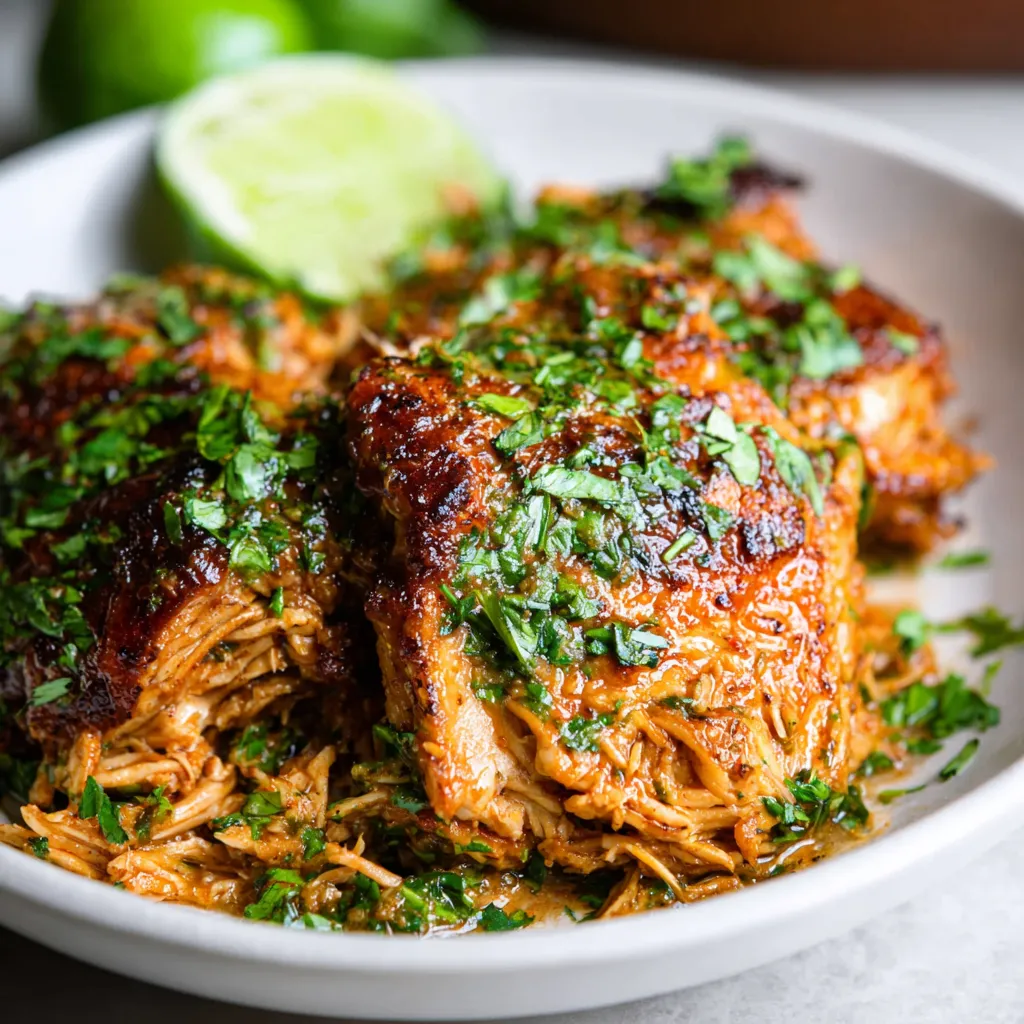
Perfect Cilantro Lime Chicken
Achieve perfectly cooked, juicy cilantro lime chicken every time with this simple and flavorful recipe. The secret lies in a balanced marinade, precise cooking, and fresh cilantro added at the end.
Ingredients
Equipment
Method
- Prepare the Marinade: In a medium bowl, whisk together the lime juice, olive oil, cilantro, garlic, chili powder, cumin, salt, and pepper.
- Marinate the Chicken: Place the chicken breasts in a resealable plastic bag or a shallow dish. Pour the marinade over the chicken, ensuring that it is evenly coated. Seal the bag or cover the dish and refrigerate for at least 30 minutes, or up to 4 hours.
- Cook the Chicken: Preheat your grill or skillet to medium-high heat. Remove the chicken from the marinade and discard the marinade.
- Grill or Pan-Fry: Grill or pan-fry the chicken for 5-7 minutes per side, or until the internal temperature reaches 165°F (74°C). Use a meat thermometer to ensure accurate doneness.
- Rest and Serve: Remove the chicken from the grill or skillet and let it rest for 5 minutes before slicing. This allows the juices to redistribute, resulting in a more tender and flavorful chicken.
- Garnish and Serve: Slice the chicken and serve with lime wedges.
Notes
For best results, do not marinate the chicken for more than 4 hours. Adding fresh cilantro after cooking ensures a vibrant flavor. Letting the chicken rest is crucial for a juicy result. Chicken thighs can also be used as an alternative to chicken breasts.