
The Alchemy of Flavor: Unlocking the Garlic Parmesan Code
The magic of Garlic Parmesan Steak Pasta lies in a delicate balance of several key factors: the Maillard reaction, proper emulsification, and the careful layering of flavors. First, the Maillard reaction, a chemical reaction between amino acids and reducing sugars that gives browned food its distinctive flavor, is absolutely crucial for developing the rich, savory crust on the steak. A screaming hot pan and a little patience are your best friends here. Second, emulsification is what creates the creamy, luscious sauce that clings perfectly to the pasta and steak. This requires understanding how fat and water interact and using techniques like incorporating pasta water, which is rich in starch and helps to bind the sauce. Finally, layering flavors—starting with a robust garlic base, building umami with Parmesan cheese, and finishing with fresh herbs—creates a complex and satisfying dish that tantalizes the taste buds. Failing at any one of these elements can lead to a bland, greasy, or otherwise disappointing result. Think of it like this: the garlic provides the aromatic foundation, the parmesan the savory heart, and the steak the meaty soul.The Ultimate Garlic Parmesan Steak Pasta Recipe
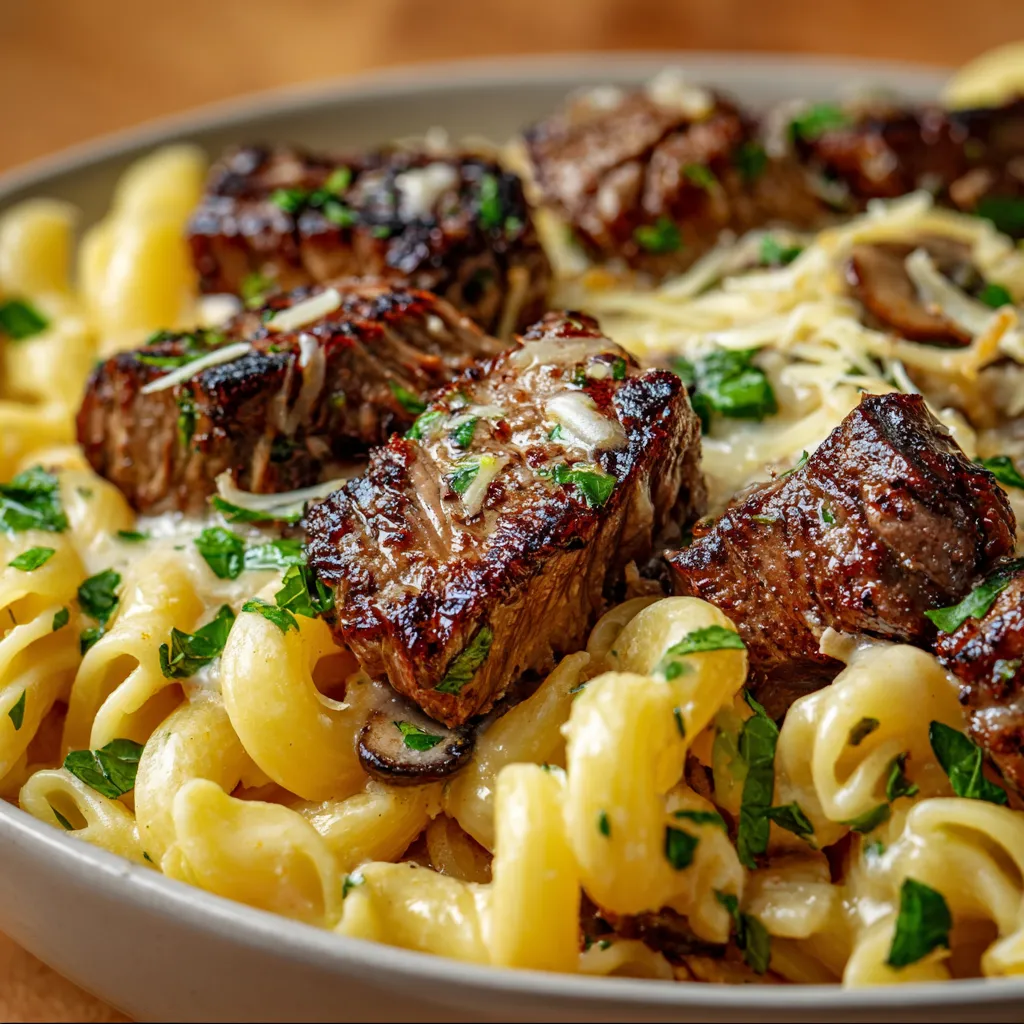 This recipe has been meticulously crafted to deliver consistently perfect results, even for beginner cooks. Don’t be intimidated by the seemingly long list of steps; each one is designed to maximize flavor and texture.
Ingredients:
- For the Steak:
- 1.5 lbs Sirloin steak (or your preferred cut), about 1 inch thick
- 2 tbsp olive oil
- 1 tbsp butter
- 2 cloves garlic, minced
- 1 sprig of rosemary
- Salt and freshly ground black pepper to taste
- For the Pasta:
- 1 lb Fettuccine pasta
- 8 cups water
- 1 tbsp salt
- For the Garlic Parmesan Sauce:
- 4 tbsp butter
- 6 cloves garlic, minced
- 1 cup heavy cream
- 1 cup grated Parmesan cheese, freshly grated
- 1/2 cup reserved pasta water
- 1/4 cup chopped fresh parsley
- 1/4 tsp red pepper flakes (optional)
- Salt and freshly ground black pepper to taste
Instructions:
- Prepare the Steak: Pat the steak dry with paper towels. Season generously with salt and pepper.
- Sear the Steak: Heat olive oil and butter in a large cast-iron skillet over high heat until smoking hot. Add the steak and sear for 3-4 minutes per side for medium-rare, or longer depending on your desired doneness. Add minced garlic and rosemary sprig during the last minute of cooking, basting the steak with the flavored butter.
- Rest the Steak: Remove the steak from the skillet and let it rest for at least 10 minutes before slicing against the grain. This is crucial for tenderizing the steak.
- Cook the Pasta: While the steak is resting, cook the fettuccine pasta according to package directions in salted boiling water until al dente. Reserve 1/2 cup of pasta water before draining.
- Make the Garlic Parmesan Sauce: In the same skillet used to cook the steak (don’t wipe it clean!), melt butter over medium heat. Add minced garlic and cook until fragrant, about 1 minute, being careful not to burn it.
- Create the Sauce: Pour in the heavy cream and bring to a simmer. Reduce heat to low and stir in the Parmesan cheese until melted and smooth.
- Emulsify: Gradually add the reserved pasta water, stirring constantly, until the sauce reaches your desired consistency. This helps to emulsify the sauce and create a creamy texture.
- Combine: Add the cooked pasta to the skillet with the sauce. Toss to coat evenly.
- Serve: Slice the rested steak against the grain and arrange it over the pasta. Garnish with fresh parsley and red pepper flakes (if using). Serve immediately.
My Quest for Garlic Parmesan Perfection
My first few attempts were a disaster. The steak was either tough as leather or practically raw. The sauce? A greasy, separated mess. The pasta? Overcooked and gummy. I knew there had to be a better way. Like many of you, I initially thought this was just a simple toss-it-all-together kind of dish. Boy, was I wrong.The Steak Struggle: Achieving Tender Perfection
My initial problem was overcooking the steak. I was so afraid of undercooking it that I ended up with shoe leather every single time. Then, I had an “Aha!” moment: a meat thermometer! Using a reliable thermometer and searing the steak in a blazing hot cast iron pan, followed by a proper resting period, completely transformed the texture. Also, I initially thought any cut of steak would do, but using a more tender cut like sirloin made a huge difference. I even experimented with reverse searing, but found the cast iron method more convenient and almost equally effective. I also tried using Steak With Creamy Garlic Sauce‘s technique of searing the steak with garlic.The Sauce Saga: From Greasy to Dreamy
The sauce was another major hurdle. It kept separating, leaving a pool of oil on top. I tried everything: different cheeses, different creams, different cooking temperatures. Then, I discovered the magic of pasta water. The starch in the pasta water acts as a natural emulsifier, binding the fat and water together to create a smooth, creamy sauce. Adding the cheese gradually and stirring constantly also helped prevent clumping. This was a game-changer! I was close to giving up and just sticking to Chicken Garlic Parmesan Pasta.The Pasta Predicament: Avoiding the Starch Slump
Overcooked pasta is the enemy of any good pasta dish. I learned to cook the pasta *al dente*, meaning “to the tooth,” which is slightly firm and offers a pleasant chew. I also realized the importance of salting the pasta water generously. This seasons the pasta from the inside out and helps to prevent it from becoming bland. Draining the pasta properly and immediately tossing it with the sauce is also crucial to prevent it from sticking together. I considered using rigatoni as suggested by Cajun Steak Tips In Creamy Rigatoni Parmesan Bake but stuck with fettuccine for this recipe.The Garlic Gamble: Balancing Flavor and Burn
Garlic is the star of this dish, but it’s also incredibly easy to burn. Burnt garlic tastes bitter and ruins the entire sauce. I learned to add the garlic to the butter over medium heat and cook it just until fragrant, about 1 minute. Keeping a close eye on it and stirring frequently is essential. I also experimented with roasting the garlic beforehand for a sweeter, milder flavor, but ultimately preferred the sharper bite of fresh minced garlic. I even attempted to replicate the Spicy Garlic Butter Steak in Spicy Garlic Butter Steak With Cheddar Cream Rotini, but realized that was a different flavor profile altogether.The Foolproof Garlic Parmesan Steak Pasta Method: A Summary
After countless iterations and many, many bowls of pasta, I’ve distilled the process down to a simple, foolproof method. Follow these steps, and you’ll be enjoying restaurant-quality Garlic Parmesan Steak Pasta in no time.- Prioritize Steak Prep: Pat the steak dry, season generously, and let it sit at room temperature for at least 30 minutes before cooking.
- Master the Sear: Use a screaming hot cast-iron skillet and sear the steak to your desired doneness, using a meat thermometer to ensure accuracy.
- Rest, Rest, Rest: Let the steak rest for at least 10 minutes before slicing. This is non-negotiable.
- Al Dente is Key: Cook the pasta al dente in generously salted water. Reserve pasta water!
- Garlic with Grace: Sauté the garlic gently in butter until fragrant, being careful not to burn it.
- Emulsify Like a Pro: Use reserved pasta water to emulsify the sauce and create a creamy texture.
- Cheese it Right: Add the Parmesan cheese gradually, stirring constantly, until melted and smooth.
- Toss and Serve: Toss the cooked pasta with the sauce and top with sliced steak. Garnish with fresh parsley and red pepper flakes (if using).
What is the key to achieving a rich, savory crust on the steak?
The Maillard reaction, achieved by searing the steak in a screaming hot pan with a little patience, is crucial for developing a rich, savory crust.
Why is it important to reserve pasta water when making the garlic parmesan sauce?
The starch in the pasta water acts as a natural emulsifier, helping to bind the fat and water together to create a smooth, creamy sauce that doesn’t separate.
What does it mean to cook pasta ‘al dente’ and why is it important?
Cooking pasta ‘al dente’ means cooking it until it is slightly firm and offers a pleasant chew. This prevents the pasta from becoming overcooked and gummy.
How long should the steak rest after searing, and why?
The steak should rest for at least 10 minutes before slicing. This is crucial for tenderizing the steak, allowing the juices to redistribute.
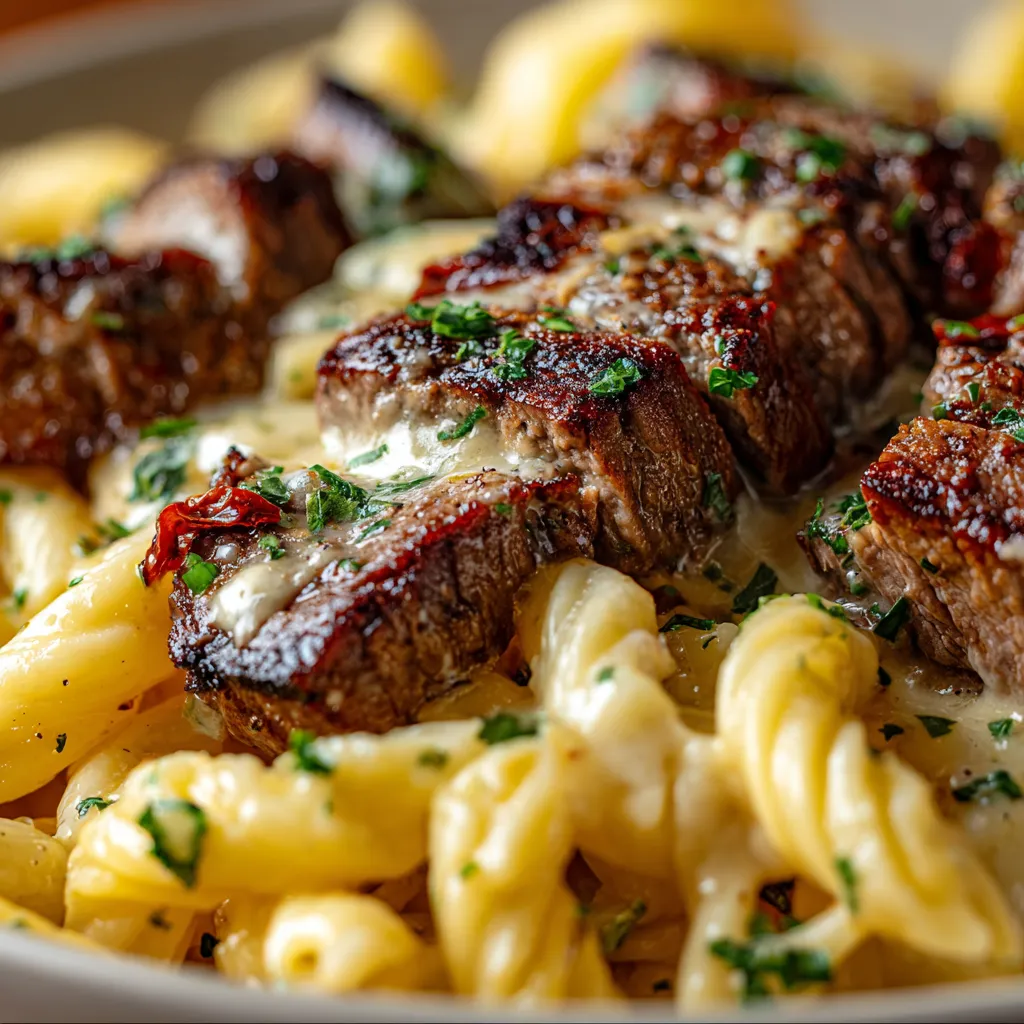
Perfect Garlic Parmesan Steak Pasta
This recipe delivers restaurant-quality Garlic Parmesan Steak Pasta with tender steak and a creamy, flavorful sauce. The key is searing the steak properly, emulsifying the sauce with pasta water, and layering the flavors of garlic, Parmesan, and fresh herbs.
Ingredients
Equipment
Method
- Pat the steak dry with paper towels. Season generously with salt and pepper.
- Heat olive oil and 1 tbsp butter in a large cast-iron skillet over high heat until smoking hot.
- Add the steak and sear for 3-4 minutes per side for medium-rare, or longer depending on your desired doneness. Add minced garlic and rosemary sprig during the last minute of cooking, basting the steak with the flavored butter.
- Remove the steak from the skillet and let it rest for at least 10 minutes before slicing against the grain.
- While the steak is resting, cook the fettuccine pasta according to package directions in salted boiling water until al dente. Reserve 1/2 cup of pasta water before draining.
- In the same skillet used to cook the steak (don’t wipe it clean!), melt 4 tbsp butter over medium heat.
- Add minced garlic and cook until fragrant, about 1 minute, being careful not to burn it.
- Pour in the heavy cream and bring to a simmer.
- Reduce heat to low and stir in the Parmesan cheese until melted and smooth.
- Gradually add the reserved pasta water, stirring constantly, until the sauce reaches your desired consistency. This helps to emulsify the sauce and create a creamy texture.
- Add the cooked pasta to the skillet with the sauce. Toss to coat evenly.
- Slice the rested steak against the grain and arrange it over the pasta.
- Garnish with fresh parsley and red pepper flakes (if using). Serve immediately.
Notes
For best results, use a high-quality Parmesan cheese and fresh parsley. Resting the steak is crucial for tenderness. If the sauce becomes too thick, add a little more pasta water. To spice things up, add more red pepper flakes.